
Brake rotors are an indispensable component of your vehicle’s braking system, serving as the crucial point of contact that brings your car to a safe halt. Often overlooked until an issue arises, understanding their function, variety, and maintenance is key to ensuring optimal vehicle safety and performance. This comprehensive guide delves into everything you need to know about brake rotors, from how they work to the diverse materials and features available, helping you make informed decisions about your car’s stopping power.
The Fundamental Role of Brake Rotors in Vehicle Safety
In a disc-brake system, brake rotors are specifically engineered metal discs that attach directly to the vehicle’s axle. They typically slide over the wheel studs, which also secure the wheel to the hub. When you press the brake pedal, hydraulic pressure activates the brake calipers, which in turn clamp the brake pads onto the rotor’s surfaces. This action generates immense friction, converting the vehicle’s kinetic energy into thermal energy (heat). This controlled friction is what slows down and ultimately stops your car. The inherent advantage of the rotor’s flat, plate-like design, featuring braking surfaces on both sides, allows for a powerful squeezing action from the brake caliper. This design requires less hydraulic force compared to other braking systems to achieve significant deceleration, offering responsive and efficient stopping power.
Beyond simply creating friction, a critical secondary function of brake rotors is to efficiently dissipate the substantial heat generated during braking. Without adequate heat management, rotors can overheat, leading to a phenomenon known as “brake fade,” where braking efficiency significantly diminishes. The design and material of the rotor play a crucial role in preventing this, ensuring consistent performance even under demanding driving conditions. Therefore, rotors are not just passive friction surfaces; they are active thermal managers vital for reliable and safe braking.
Empower yourself with these essential tips for replacing your own brake rotors, potentially saving on service costs.
Exploring the Diverse World of Brake Rotor Materials
While the vast majority of brake rotors found on everyday vehicles are crafted from cast iron due to its excellent balance of cost-effectiveness, thermal stability, and good friction characteristics, the market offers a range of materials, each with unique properties suited for different driving demands and performance levels. Understanding these material differences is crucial for appreciating the nuanced world of braking technology.
- Cast Iron: The industry standard, cast iron rotors are favored for their durability, ability to withstand high temperatures, and consistent performance under normal driving conditions. Its specific metallurgical composition allows for good heat absorption and dissipation, making it ideal for the vast majority of passenger vehicles. However, it can be prone to rust and is heavier than some alternative materials.
- Steel Rotors: Less common as primary braking surfaces due to their tendency to warp under extreme thermal stress, steel rotors can offer better cooling characteristics due to higher thermal conductivity in certain applications. They are often found in specialized systems or as components in more complex, layered designs to enhance warp resistance.
- Layered Steel: This advanced material design aims to mitigate the warping issues inherent in standard steel. By combining layers of different steel alloys or employing specific manufacturing processes, layered steel rotors offer improved warp resistance and structural integrity, often at a higher cost due to their complexity.
- Aluminum Rotors: Valued for their significant weight reduction, aluminum rotors are primarily used in high-performance or lightweight vehicle applications where minimizing unsprung mass is a priority. While lighter, aluminum has a lower melting point and wear resistance compared to cast iron, making it less suitable for high-friction, high-heat environments unless specially treated or combined with other materials.
- High-Carbon Rotors: These are a step up from standard cast iron, featuring a higher carbon content. The added carbon improves thermal shock resistance, significantly reduces vibrations, and minimizes brake noise. High-carbon rotors are increasingly used in performance vehicles and heavy-duty applications, where consistent, fade-free braking under strenuous conditions is paramount, justifying their higher cost.
- Ceramic/Carbon-Ceramic Rotors: Representing the pinnacle of braking technology, carbon-ceramic rotors are typically reserved for top-tier performance cars like Ferraris and Porsches. Manufactured through a complex process involving carbon fiber and silicon carbide, these rotors offer unparalleled heat resistance, extreme lightness (up to 50% lighter than cast iron), exceptional longevity, and superior braking performance in virtually all conditions, including wet weather. Their extraordinary cost, however, makes them impractical for mainstream applications.
Beyond the core material, coatings play a significant role in enhancing rotor aesthetics and longevity. These specialized finishes, such as zinc plating or GEOMET coatings, are applied to non-braking surfaces to prevent rust and corrosion, maintaining a cleaner, more attractive appearance. Some coatings may even add a distinctive color. While they contribute to the rotor’s overall lifespan by protecting against environmental degradation, it’s crucial to understand that these cosmetic coatings do not directly improve braking performance or friction generation. Their primary benefits are visual appeal and extended durability against the elements.
Check out these tips for optimizing brake performance and maximizing the life of your braking system.
Advanced Features and Designs of Brake Rotors
Modern brake rotors incorporate various design features aimed at optimizing performance, particularly heat dissipation, gas venting, and wet weather effectiveness. These features, including venting, slotting, cross-drilling, and dimpling, cater to different driving needs and performance expectations.
Solid vs. Vented Rotors: The Core Difference in Heat Management
One of the most fundamental distinctions in rotor design is between solid and vented configurations. Solid rotors, which resemble a single, flat metal plate, are typically found on the rear axles of many vehicles or on lighter-duty applications where heat generation is less severe. They are simpler in construction and less expensive to produce.
Vented rotors, on the other hand, are engineered for superior heat dissipation. They consist of two separated plates connected by a series of internal fins or vanes. As the rotor spins, these internal channels act like a centrifugal pump, drawing cool air from the center and expelling hot air outwards. This continuous airflow significantly enhances the rotor’s ability to cool down, preventing brake fade during prolonged or heavy braking. Due to this substantial difference in thickness and internal structure, solid and vented rotors are generally not interchangeable, and vehicles are designed to accommodate one type over the other for specific axles based on braking demands.
Slotted Rotors: Enhancing Pad-to-Rotor Contact
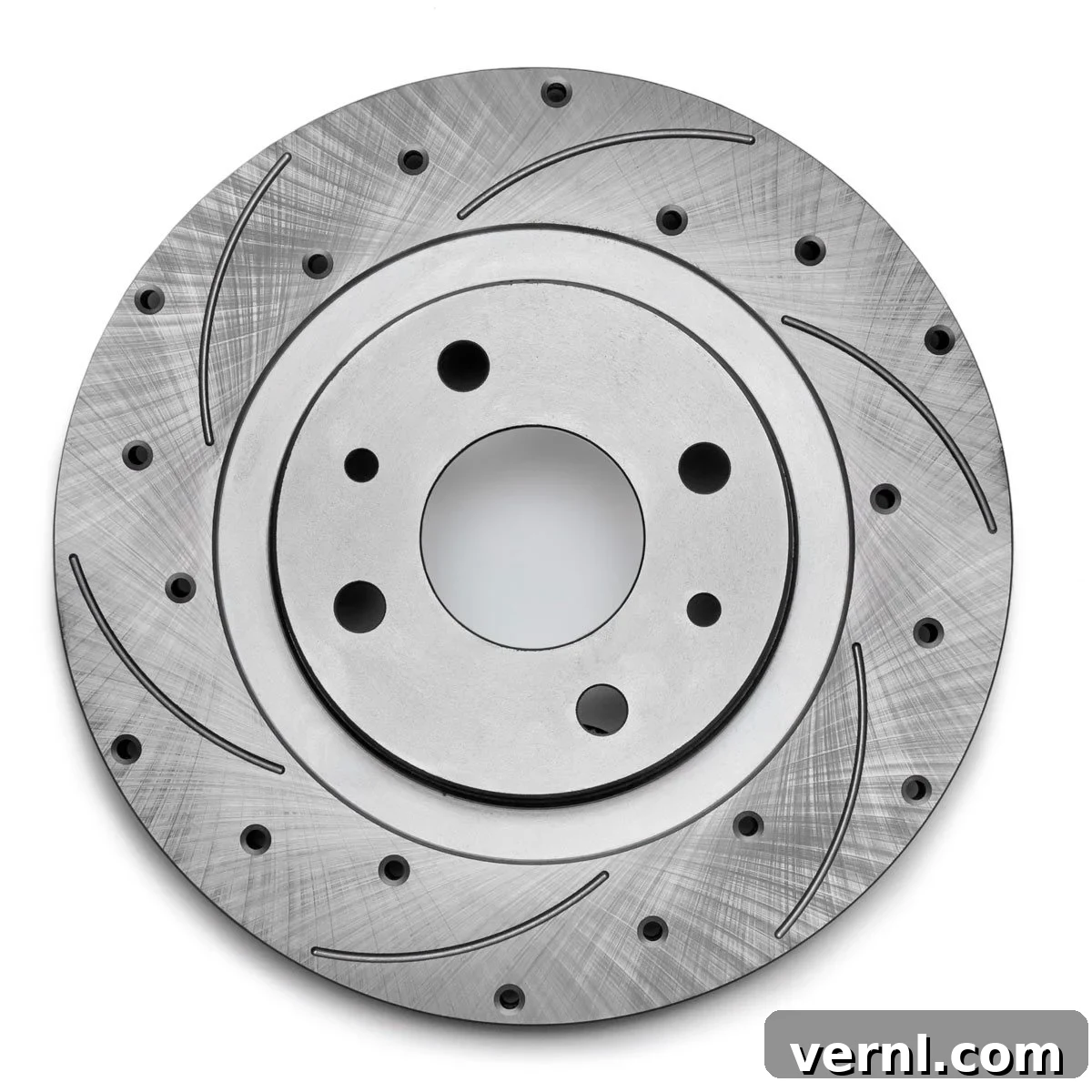
Slotted rotors feature strategically machined grooves or slots across their braking surfaces. The primary purpose of these slots is multifaceted:
- Gas and Dust Evacuation: During heavy braking, brake pads can generate gases (known as “degassing”) and fine dust particles. These materials can become trapped between the pad and rotor surface, creating a thin layer that interferes with effective contact and reduces braking performance. Slotted designs efficiently vent these gases and sweep away dust, maintaining a clean and consistent contact patch.
- Improved Initial Bite: By continuously cleaning the pad surface, slots can enhance the “initial bite” or immediate responsiveness of the brakes, which is particularly beneficial in performance driving.
However, this enhanced performance comes with certain trade-offs. Slotted rotors inherently give up a small amount of surface area, slightly reducing the overall friction potential and heat absorption capacity compared to a smooth rotor. Moreover, the scraping action of the slots can accelerate brake pad wear, meaning pads on slotted rotors may need to be replaced more frequently. If you opt for slotted rotors, regular inspection of your brake pads is essential to monitor wear.
Test your automotive vocabulary: Can you recognize these essential auto parts by their British names?
Cross-Drilled Rotors: Cooling and Wet Weather Performance
Originally developed for competitive racing, cross-drilled rotors feature a pattern of holes drilled completely through the rotor’s surface. Their design offers several advantages:
- Enhanced Cooling: The holes increase the rotor’s surface area, allowing for improved air circulation and more efficient heat dissipation. They also help vent gases similar to slotted designs.
- Extended Pad Life (in some conditions): By reducing heat buildup, cross-drilling can potentially extend the life of brake pads by preventing them from overheating and glazing.
- Superior Wet Weather Performance: For everyday drivers, the most significant advantage of cross-drilled rotors often comes in wet conditions. The holes provide an escape route for water accumulated on the rotor surface, preventing the “hydroplaning” effect that can occur between the pad and a smooth, wet rotor. This allows the brake pad to maintain a better, more consistent bite in rain or standing water.
Despite these benefits, cross-drilling introduces a potential weakness: the drilled holes can create stress concentration points. Under the extreme thermal cycles and mechanical stresses encountered in severe racing conditions, these rotors are at a higher risk of cracking. This is why slotted rotors often dominate the track today. For typical street driving, however, the heat generated is rarely intense enough to cause cracking, making cross-drilled rotors a popular choice for their aesthetics and improved wet-weather braking.
Dimpled Rotors: A Compromise for Street Performance
Dimpled rotors offer a hybrid solution, aiming to provide many of the benefits of cross-drilled rotors without the associated risk of cracking. Instead of drilling holes all the way through the rotor, dimpled rotors feature shallow depressions or indentations on the surface. These dimples effectively trap and vent gases and pad dust, much like slots or drilled holes, thereby maintaining a clean braking surface and improving pad bite. While they provide similar gas-dissipation properties and reduce the potential for cracking under extreme temperatures, they generally do not handle wet surfaces as effectively as fully cross-drilled rotors, as the dimples do not provide a through-channel for water to escape.
Optimizing for Heavy Loads: Slotted and Cross-Drilled Combinations
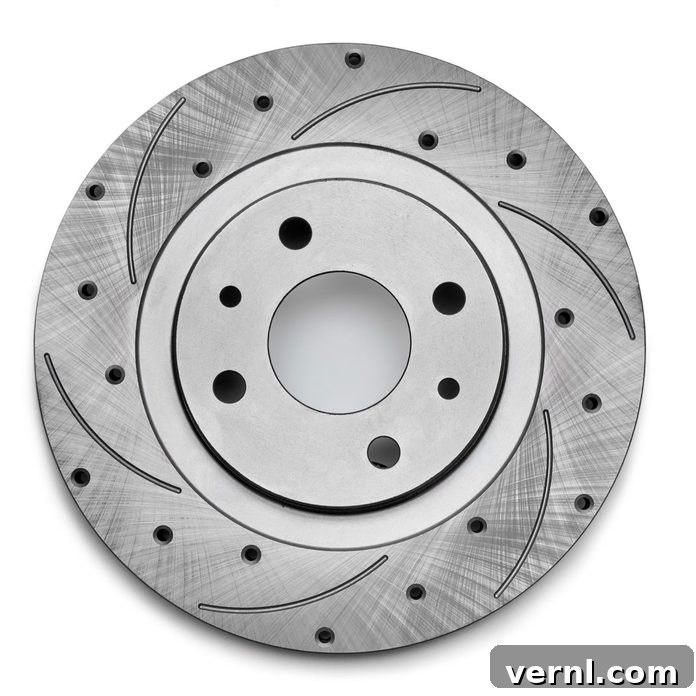
For vehicles that frequently haul heavy loads or tow trailers, the demands on the braking system are significantly increased. In these strenuous situations, a combined slotted and cross-drilled rotor offers the best performance. This hybrid design leverages the strengths of both features: the slots efficiently clear gases and debris, while the cross-drilling enhances cooling and ensures consistent braking even in wet conditions. The synergy between these features results in a braking surface that remains clean and cool, minimizing the risk of fade and ensuring maximum stopping power when it’s needed most. This “win-win” combination is highly recommended for drivers who regularly subject their vehicles to heavy-duty tasks.
Unlock greater efficiency for your vehicle with this collection of great tips for getting better gas mileage now.
The Evolution of Rotors and Modern Replacement Practices
Historically, brake rotors were quite substantial, designed with ample material to absorb and dissipate heat over long periods. This robust construction allowed for a common practice known as “machining” or “turning” rotors, where a mechanic would shave off a thin layer of material from the rotor’s surface to remove minor imperfections, restore flatness, and eliminate pulsations caused by run-out. This extended the life of the rotors, making them a multi-use component.
However, escalating fuel-economy demands have significantly influenced automotive design, extending even to brake rotors. In recent years, manufacturers have prioritized weight reduction across all vehicle components, leading to a substantial decrease in the amount of material used in modern rotors. Rotors produced post-2015, in particular, are often thinner and lighter than their predecessors. This design change, while contributing to better fuel efficiency, has had a profound impact on rotor maintenance.
Today’s thinner rotors have significantly less material to work with. If machined, they might fall below the manufacturer’s minimum thickness specifications, compromising their ability to dissipate heat and increasing the risk of warping or cracking. Consequently, modern rotors are often considered “disposable.” When they show signs of wear, such as pulsation, deep scoring, or reaching their minimum thickness limit, replacement is typically the recommended and most cost-effective solution. While you might still find shops offering rotor machining, it’s crucial for them to accurately measure the rotor’s thickness to ensure it remains within safe operating parameters after machining. In many cases, the cost of machining, combined with the reduced lifespan, makes purchasing new rotors a more sensible choice.
Key Considerations When Changing Rotors
When undertaking the task of changing brake rotors, whether yourself or through a professional, there are several critical details to remember for a successful outcome and long-term performance:
- Preserving the Rubber Plug: Many rotors, particularly those on the rear axle, contain a small rubber plug. This plug allows access to the adjustment screw for the parking brake mechanism. It is absolutely essential to save and re-use this plug, as new replacement rotors typically do not come with one. Discarding it will prevent future parking brake adjustments and leave the access hole exposed.
- Clean Hub Surfaces: Before installing new rotors, thoroughly clean the wheel hub mounting surface. Any rust, dirt, or debris on the hub can cause the new rotor to sit unevenly, leading to run-out, pulsation, and premature wear. A wire brush and brake cleaner are effective for this task.
- Proper Torque: Always use a torque wrench to tighten lug nuts to the manufacturer’s specified settings in the correct pattern (e.g., star pattern). Incorrect torque can lead to uneven pressure on the rotor, causing warping or wheel detachment.
- Bedding-In New Brakes: After installing new pads and rotors, a proper “bedding-in” procedure is vital. This process, typically involving a series of moderate and firm stops, helps transfer a thin, even layer of friction material from the pads to the rotor surface. This optimizes braking performance, reduces noise, and prevents glazing of the pads, ensuring maximum longevity and effectiveness.
By understanding the critical role of brake rotors, recognizing the differences in materials and features, and adhering to proper maintenance and replacement practices, you can ensure your vehicle maintains optimal stopping power and safety on every journey.
Next, discover these top bad brake booster symptoms to help diagnose potential issues with your vehicle’s braking system.