
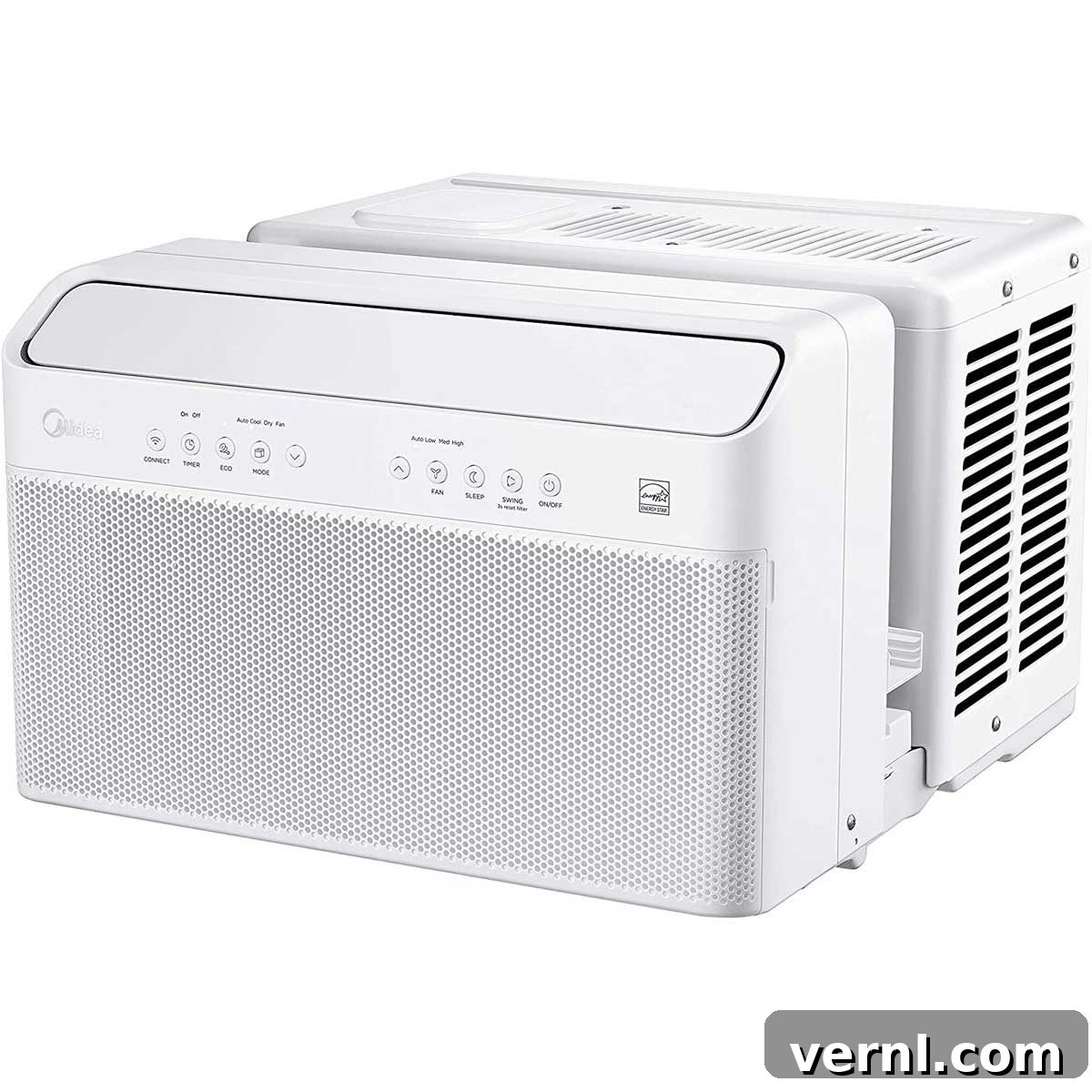
Mastering AC Filter Cleaning: Your Ultimate Guide to Cleaner Air and Lower Bills
As the temperatures rise and your air conditioning unit becomes a necessity, have you ever considered the silent guardian working tirelessly behind the scenes? Your AC air filter is a crucial component that directly impacts your home’s air quality, energy efficiency, and even the lifespan of your cooling system. A clean filter is not just a luxury; it’s a foundation for a healthier, more comfortable, and more economical home.
This comprehensive guide will walk you through everything you need to know about AC filter maintenance. From understanding why it’s so vital to a step-by-step cleaning process for various filter types, we’ve got you covered. Get ready to breathe easier, enjoy consistent cooling, and potentially see a noticeable difference in your monthly electricity bills!
Visual Guide: How to Clean Your AC Filter Quickly and Effectively
Sometimes, seeing is believing, especially when learning a new home maintenance task. Watch our concise video for a clear, step-by-step walkthrough on how to get your AC filter sparkling clean. This visual guide makes the process incredibly easy to understand and follow, ensuring you tackle this essential task with confidence.
Why a Clean AC Filter Is Non-Negotiable: Benefits You Can’t Ignore
The AC filter is often an out-of-sight, out-of-mind component, but its impact on your home environment and finances is profound. Neglecting your filter can lead to a cascade of problems that affect everything from your health to your wallet. Here’s a breakdown of the critical benefits that come with regular AC filter maintenance:
-
Significantly Improved Indoor Air Quality
Your AC filter acts as your home’s respiratory system, trapping airborne contaminants before they can circulate. This includes common allergens like dust mites, pollen, pet dander, mold spores, and even microscopic particles from cooking or outdoor pollution. A clean filter efficiently captures these irritants, preventing them from exacerbating allergies, asthma, and other respiratory conditions. When a filter becomes clogged, it loses its ability to capture these particles, allowing them to freely flow into your living spaces, compromising the very air you breathe.
-
Boosted Energy Efficiency and Lower Utility Bills
A dirty, clogged filter creates a significant obstruction to airflow. Your air conditioning unit then has to work much harder to pull air through this barrier, straining its motor and consuming excess energy. This increased workload directly translates to higher electricity bills. By ensuring your filter is clean, you allow your AC to operate at its optimal efficiency, potentially reducing your energy consumption by 5% to 15%. This means tangible savings that add up over the cooling season.
-
Extended Lifespan of Your AC System
The constant strain on your AC’s motor and compressor due to restricted airflow can lead to premature wear and tear. This stress can shorten the overall lifespan of your expensive HVAC system, leading to early breakdowns, costly repairs, and the need for a full replacement sooner than anticipated. Regular filter maintenance is a simple, proactive measure that protects your investment and ensures your unit operates smoothly for years to come.
-
Optimal Cooling Performance and Comfort
If your AC filter is choked with grime, it can’t deliver sufficient cool air into your home. You might notice that certain rooms aren’t cooling effectively, or that your unit runs for extended periods without reaching the desired temperature. A clean filter ensures maximum airflow, allowing your AC to distribute conditioned air efficiently and consistently throughout your home, maintaining comfortable indoor temperatures.
-
Prevention of Costly Coil Damage
Beyond trapping particles, a clean filter prevents dust and debris from accumulating on the evaporator coils inside your AC unit. When coils become covered in dirt, they lose their ability to absorb heat effectively. This insulating layer can cause the coils to freeze up, leading to serious system malfunctions, water leaks, and potentially expensive professional repairs. Keeping your filter clean is a frontline defense against such critical issues.
Demystifying AC Filters: Types and MERV Ratings Explained
Not all AC filters are created equal, and understanding the differences can help you choose the right one for your home and maintenance routine. Filters vary in material, reusability, and their ability to capture microscopic particles.
Common Types of AC Filters:
- Fiberglass Filters (Disposable): These are the most basic and least expensive options. Made from spun fiberglass, they offer minimal filtration, primarily serving to protect your HVAC system’s internal components from large debris, rather than significantly improving indoor air quality. They are typically disposable and should be replaced monthly.
- Pleated Filters (Disposable): A step up from fiberglass, pleated filters are constructed from polyester or cotton paper folds, significantly increasing their surface area. This design allows them to trap a much wider range of particles, including dust, pollen, pet dander, and some mold spores. They are a popular choice for homeowners looking to balance cost and improved air quality, and generally require replacement every 1-3 months.
- Washable/Reusable Filters: Crafted from durable materials like aluminum mesh or synthetic fibers, these filters are designed to be cleaned and reused multiple times. While they have a higher initial cost, they offer long-term savings and are an eco-friendly option as they reduce waste. Their effectiveness hinges on consistent and thorough cleaning.
- Electrostatic Filters (Washable or Disposable): These filters employ static electricity (either generated by air moving through synthetic fibers or from an external power source) to attract and capture tiny airborne particles. They are highly effective at removing microscopic allergens and pollutants. Both disposable and washable versions are available.
- HEPA Filters: High-Efficiency Particulate Air (HEPA) filters are the gold standard for air purification, capable of capturing 99.97% of airborne particles as small as 0.3 microns. While incredibly effective, most standard residential HVAC systems are not designed to handle the significant airflow restriction caused by HEPA filters, which can damage the blower motor. They are typically found in specialized air purifiers or commercial/medical settings.
Understanding MERV Ratings (Minimum Efficiency Reporting Value):
The MERV rating is an industry standard that measures a filter’s ability to capture airborne particles between 0.3 and 10 microns in size. The scale typically ranges from 1 to 20:
- Low MERV (1-4): Basic filtration, captures large particles like dust mites, carpet fibers, and pollen. (Typical for fiberglass filters).
- Medium MERV (5-8): Good residential filtration, captures mold spores, pet dander, and finer dust. (Typical for standard pleated filters).
- High MERV (9-12): Excellent residential filtration, captures auto emissions, lead dust, and some bacteria.
- Very High MERV (13-16): Superior residential/commercial filtration, captures viruses, tobacco smoke, and ultra-fine allergens.
- Hospital Grade MERV (17-20): HEPA equivalent, captures almost all particles.
While a higher MERV rating indicates better filtration, it also means greater resistance to airflow. It’s crucial to consult your HVAC system’s manual or a qualified technician before upgrading to a significantly higher MERV filter. Using a filter that’s too restrictive can put undue strain on your blower motor, reduce system efficiency, and potentially lead to costly damage.
How Often Should You Clean or Replace Your AC Filter?
The ideal frequency for AC filter maintenance isn’t a one-size-fits-all answer. It depends on various factors specific to your home and lifestyle. However, a general rule of thumb is to inspect your filter monthly and adhere to the following guidelines:
- General Recommendation: For an average household with no pets and moderate AC usage, disposable filters should be replaced every 1 to 3 months. Washable filters should be cleaned monthly or at least quarterly.
- Homes with Pets: If you share your home with furry friends, especially those that shed a lot, pet dander and hair will clog your filter much faster. You’ll likely need to replace or clean your filter every 30 days, or even more frequently during peak shedding seasons.
- Allergy and Asthma Sufferers: For individuals with respiratory sensitivities, maintaining pristine air quality is paramount. A monthly filter change or cleaning is highly recommended to minimize airborne allergens and irritants.
- High AC Usage: During sweltering summer months when your air conditioner runs almost continuously, your filter will accumulate debris at an accelerated rate. More frequent checks and changes (every 3-4 weeks) are advisable during these periods.
- Home Occupancy: Homes with more occupants tend to generate more dust, lint, and other indoor pollutants, necessitating more frequent filter maintenance.
- Recent Construction or Renovations: If you’ve recently had construction, remodeling, or extensive dusting in your home, your filter will likely become saturated with fine particles very quickly. Check it weekly until the dust settles, and replace or clean as needed.
- Geographic Location: Homes in dusty climates or areas with high pollen counts may also require more frequent filter attention.
Quick Visual Check: A simple way to gauge your filter’s condition is to hold it up to a light source. If you can’t see light passing through the filter material, or if it appears visibly dirty and gray, it’s definitely time for a cleaning or replacement, regardless of how long it’s been.
Step-by-Step Guide: Cleaning a Washable AC Filter
If your AC system uses a reusable or washable filter, cleaning it is a cost-effective and environmentally friendly way to maintain your system’s efficiency. Follow these detailed steps to ensure a thorough and safe cleaning:
-
Prioritize Safety: Turn Off the Power: This is the most crucial first step. Locate your thermostat and switch your AC system to the “Off” setting. For an extra layer of safety, proceed to your home’s main electrical panel (circuit breaker box) and switch off the breaker specifically labeled for your AC unit or furnace. This eliminates any risk of electrical shock or accidental startup while you’re working.
Safety Reminder: Never attempt to work on any part of your AC unit while it is powered on.
-
Locate and Carefully Remove the Filter: AC filters are typically found in one of two main locations:
- At the Return Air Vent: This is often a large grille on a wall or ceiling in a central part of your home. You’ll usually find latches or clips that allow you to open the grille and slide the filter out.
- At the Air Handler/Furnace: The filter slot might be located directly on the indoor unit (air handler or furnace) itself, usually near where the large return air duct enters the unit.
Before pulling the filter out, take note of the small arrow printed on its frame. This arrow indicates the direction of airflow and is critical for correct reinstallation. Carefully slide the dirty filter out of its housing.
- Perform an Initial Dry Cleaning (Vacuuming): Take the filter outdoors or to a utility sink to minimize spreading dust inside your home. Gently shake the filter to dislodge any loose, large debris. For a more effective clean, use a vacuum cleaner with a brush attachment to carefully vacuum both sides of the filter. This step removes the bulk of accumulated dust, pet hair, and other particles, making the wet cleaning process significantly easier and more effective.
- Rinse Thoroughly with Water: Using a garden hose with moderate water pressure (if outdoors) or your bathtub/shower nozzle, begin rinsing the filter. Start by spraying water against the direction of airflow (opposite to the arrow) to push out trapped dirt from deep within the filter material. Then, flip the filter and rinse with the direction of airflow to flush out any remaining debris. Use cool or lukewarm water; avoid hot water, as it can potentially damage certain filter materials or adhesives. Continue rinsing until the water runs clear from both sides.
- Apply Mild Detergent (For Stubborn Grime): If your filter is particularly grimy, has an oily residue, or simply looks like it needs a deeper clean, prepare a gentle cleaning solution. Mix a small amount of mild dish soap (like Dawn or similar) with water in a bucket. Submerge the filter in the solution or gently apply it with a soft brush (a soft-bristled scrub brush or an old toothbrush works well) or sponge. Lightly scrub the pleats and frame, focusing on heavily soiled areas. Rinse the filter meticulously and repeatedly under running water until absolutely no soap residue remains. Any leftover soap can hinder airflow and potentially become a breeding ground for mold.
- Crucial Step: Allow to Air Dry Completely: This step cannot be rushed. Reinstalling a damp or wet filter is a recipe for disaster, promoting mold and mildew growth within your HVAC system, leading to unpleasant musty odors and potential health risks. Lay the cleaned filter flat on a clean, dry surface or hang it in a well-ventilated area away from direct sunlight. It can take several hours, or even overnight, for the filter to become bone dry. Using a fan can help accelerate the drying process. Do not, under any circumstances, reinstall the filter until it is completely dry to the touch.
- Reinstall the Clean, Dry Filter: Once your filter is perfectly dry, slide it back into its housing or slot. Double-check that the airflow arrow on the filter points in the correct direction (towards the furnace or air handler). Secure any latches, clips, or covers that you removed earlier.
- Restore Power and Enjoy: Return to your circuit breaker and switch the AC unit’s breaker back to the “On” position. Then, switch your thermostat back to your desired cooling mode. You can now enjoy the benefits of cleaner air, improved system efficiency, and a home that cools more effectively!
Replacing a Disposable AC Filter: A Quick and Simple Task
For systems that use disposable filters, maintenance is a matter of simple replacement. While easier than cleaning, it is no less critical for the health and efficiency of your AC unit. Here’s how to do it:
- Procure the Correct Replacement Filter: Before you even begin, ensure you have the right replacement filter. The critical information—dimensions (e.g., 20x25x1 inches) and MERV rating—is always printed on the frame of your existing filter. Make sure your new filter matches these specifications. Having a supply of filters on hand ensures you’re never caught off guard.
- Ensure Safety: Turn Off the Power: Just as with washable filters, safety comes first. Turn your AC unit off at the thermostat and, for complete peace of mind, switch off the corresponding circuit breaker for your AC system.
- Locate and Remove the Old Filter: Find the filter slot (either in the return air vent or at the air handler unit). Unlatch any clips or open the grille, and carefully slide out the old, dirty filter. Pay attention to the airflow arrow on the old filter before you discard it.
- Properly Dispose of the Old Filter: Place the soiled filter directly into a trash bag to prevent dust from dispersing. Secure the bag and dispose of it responsibly.
- Install the New Filter Correctly: Unwrap your new, clean filter. Crucially, ensure the airflow arrow on the new filter points in the exact same direction as the old one (which should be towards the furnace or air handler). Installing a filter backward can severely restrict airflow, reduce efficiency, and potentially cause damage to your system. Gently slide the new filter into the slot until it’s fully seated.
- Secure and Restore Power: Close any latches or covers that secure the filter in place. Return to your circuit breaker and turn the power back on for your AC unit. Then, set your thermostat to your desired cooling mode. You’re all set!
Beyond the Filter: Holistic AC Maintenance for Peak Performance
While regular filter cleaning or replacement is the single most important maintenance task a homeowner can perform, it’s part of a larger picture. To ensure your AC system operates at peak efficiency, lasts longer, and provides consistent comfort, consider these additional maintenance tips:
- Keep Your Outdoor Unit Clear: Your outdoor condenser unit needs clear space to dissipate heat efficiently. Ensure there’s at least two feet of clearance around the unit, free from leaves, grass clippings, weeds, shrubs, and any other debris. Periodically hose down the coils gently to remove surface dirt, but avoid high-pressure washing that could bend the delicate fins.
- Schedule Annual Professional Tune-Ups: Just like your car, your AC system benefits immensely from annual professional servicing. An HVAC technician can perform a comprehensive check-up, including cleaning evaporator and condenser coils, checking refrigerant levels, inspecting electrical connections, lubricating moving parts, and identifying potential issues before they become costly breakdowns.
- Maintain Clean Evaporator Coils: While you can clean outdoor condenser coils, the indoor evaporator coils should typically be cleaned by a professional. These coils can accumulate dirt and grime, hindering heat absorption and fostering mold growth, even with a clean filter.
- Check and Clear Your Condensate Drain Line: Your AC unit removes humidity from the air, and this moisture drains away through a condensate line. If this line becomes clogged with algae or debris, water can back up, causing leaks, water damage, and potential mold growth. Pouring a cup of distilled white vinegar down the condensate line annually can help prevent clogs.
- Ensure Proper Thermostat Settings: Utilize a programmable or smart thermostat to optimize your cooling schedule. Set higher temperatures when you’re away or asleep to save energy, and allow the system to cool down before you arrive home. Avoid drastic temperature changes, as this forces the unit to work harder.
- Inspect and Seal Ductwork: Leaky air ducts can be a significant source of energy waste, allowing conditioned air to escape into unconditioned spaces like attics or crawl spaces. Periodically inspect visible ductwork for gaps or loose connections. Consider having your ducts professionally inspected and sealed if you suspect leaks.
- Don’t Block Vents: Ensure that all supply and return vents inside your home are unobstructed by furniture, curtains, or rugs. Blocked vents restrict airflow, reduce system efficiency, and can lead to uneven cooling.
Debunking Common AC Filter Misconceptions
Misinformation about AC filters can lead to poor maintenance practices and unnecessary system strain. Let’s clear up some common myths:
-
Myth: “A higher MERV rating is always better for my system.”
Reality: While higher MERV filters capture more microscopic particles, they also create greater resistance to airflow. Your HVAC system is designed to handle a specific range of MERV ratings. Using a filter that’s too restrictive for your system can overwork the blower motor, reduce efficiency, decrease airflow, and potentially lead to premature system failure. Always stick to the MERV rating recommended by your AC manufacturer or an HVAC professional.
-
Myth: “I only need to change my AC filter once a year.”
Reality: This is a critically dangerous misconception. For most households, especially those with pets, children, or allergy sufferers, monthly or quarterly filter changes/cleanings are essential. Waiting a full year allows a filter to become severely clogged, leading to all the negative consequences outlined above, including higher bills, poor air quality, and potential system damage.
-
Myth: “I can wash my disposable filter to save money.”
Reality: Disposable filters are designed for single use and are not meant to be washed. Washing them can damage the filter media, reduce their effectiveness, cause them to fall apart, and even introduce moisture into your HVAC system, creating an ideal environment for mold and mildew growth. Always replace disposable filters with new ones.
-
Myth: “My AC unit will alert me when the filter is dirty.”
Reality: While some advanced smart thermostats or newer HVAC systems might have filter replacement reminders, the vast majority of AC units do not have sensors to detect filter cleanliness. It remains the homeowner’s responsibility to regularly inspect and maintain their filters based on the guidelines provided.
Frequently Asked Questions About AC Filter Cleaning
- Can I use any household cleaning product to wash my reusable AC filter?
- It’s best to stick to mild dish soap (like standard liquid dishwashing soap) and water. Harsh chemical cleaners can damage the filter material, reduce its filtration effectiveness, and potentially leave behind residues that could release harmful fumes into your home when the AC is running. Always rinse thoroughly to ensure no soap residue remains.
- What happens if I reinstall my washable filter before it’s completely dry?
- Reinstalling a damp or wet filter creates a perfect breeding ground for mold and mildew within your HVAC system. This can lead to unpleasant, musty odors circulating throughout your home and potentially cause respiratory health issues. Furthermore, a wet filter can restrict airflow more than a dry one, hindering efficiency. Always ensure your filter is bone dry before putting it back into your AC unit.
- Can a dirty AC filter cause my house to have a strange smell?
- Yes, absolutely. A clogged filter can harbor a variety of unpleasant things, including trapped dust, mold, mildew, bacteria, and even pet dander. As air passes through these contaminants, it can pick up and circulate stale, musty, or unpleasant odors throughout your home. Regular filter maintenance is key to keeping your indoor air fresh and clean-smelling.
- Does the direction of the airflow arrow on the filter truly matter?
- Yes, it is critically important! The arrow indicates the intended direction of air movement through the filter, which is typically towards your furnace or air handler. Installing a filter backward can significantly reduce its filtration effectiveness, restrict airflow more than necessary, and place undue strain on your blower motor, potentially leading to system damage or reduced lifespan.
- How can I remember to clean or change my AC filter regularly?
- There are several easy ways! Set a recurring reminder on your smartphone’s calendar (e.g., “Change AC Filter” on the first day of every month or quarter). You can also link it to a recurring event, like paying your utility bill. Some smart thermostats also offer convenient filter replacement alerts. Consistency is key.