
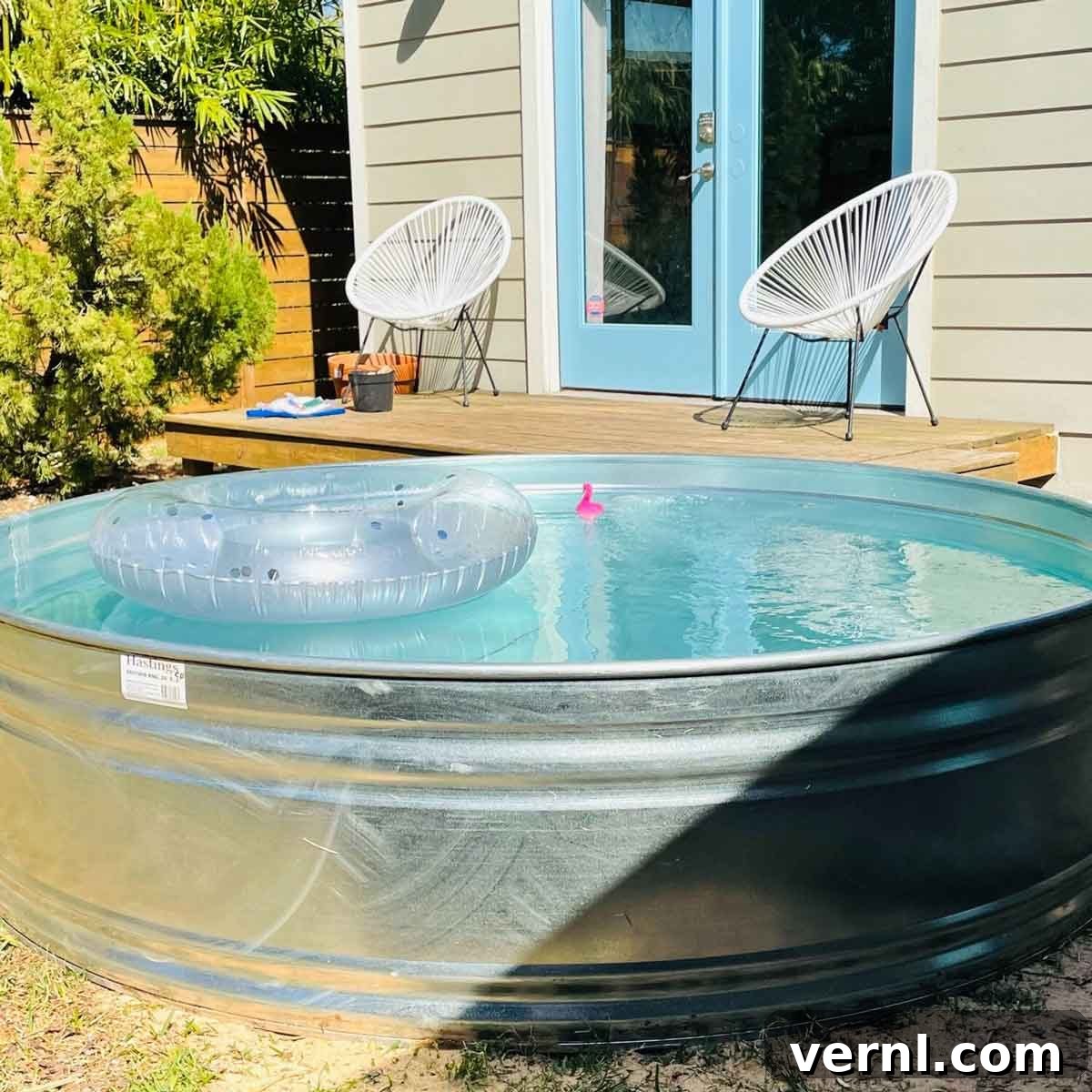
The allure of a personal backyard retreat has never been stronger. Recent home improvement trends indicate a significant surge in homeowners investing in outdoor living spaces, with backyard upgrades topping the list. Social media platforms, particularly Instagram, highlight a fascinating and increasingly popular solution: the stock tank pool. Just a quick browse through #stocktankpools reveals a vibrant community embracing this unique and charming alternative to traditional swimming pools. For many aspiring pool owners, these converted livestock watering troughs offer an appealing blend of affordability, accessibility, and undeniable fun.
The Rise of Stock Tank Pools: An Affordable Backyard Oasis
A stock tank pool is exactly what its name suggests: a swimming pool crafted from a stock tank. These are typically large, round, galvanized metal tubs, though heavy-duty plastic (polyethylene) versions are also common. Originally designed for agricultural purposes, primarily to provide water for livestock on farms, these robust tanks have found a surprising second life as trendy and functional backyard features.
What Makes Stock Tanks Ideal for DIY Swimming Pools?
Stock tanks typically boast a depth of 24 inches, making them perfectly suitable for wading, cooling off, and relaxed lounging. They come in a variety of diameters, ranging from a compact two feet up to a spacious 10 feet. The eight-foot diameter model has emerged as a particularly popular choice for DIY pools, offering a generous swimming area that can hold approximately 800 gallons of water. Their construction, usually from durable galvanized steel or resilient polyethylene, ensures they are built to withstand harsh outdoor elements and heavy farm use, making them exceptionally sturdy candidates for repurposing into a long-lasting backyard swimming pool. Interestingly, in regions like Texas, these tanks serve dual purposes, watering everything from cows to emus before becoming beloved backyard installations.
If the thought of swimming in what was once a watering trough gives you pause, rest assured: a significant part of the stock tank pool’s appeal lies in its incredible design versatility. Once properly installed and adorned, these pools transcend their humble origins, often transforming into stylish focal points that bear little resemblance to their agricultural past. Their primary allure as DIY pools stems from their compelling affordability and significantly simpler setup process compared to conventional inground or even many above-ground pools. They effortlessly offer a rustic-chic aesthetic that complements various outdoor decor styles, and their compact footprint makes them an ideal solution for smaller backyards where space is at a premium. Homeowners cherish the design freedom these tanks offer, allowing for setups ranging from a minimalist standalone tank to an elaborate integration within a custom deck or lush surrounding landscaping.
Stock Tank Pools: Weighing the Benefits Against the Challenges
Before you dive into the world of stock tank pools, it’s wise to consider both their advantages and potential drawbacks to determine if this unique aquatic feature is the right fit for your family and lifestyle.
The Clear Advantages of Stock Tank Pools:
- Cost-Effectiveness: One of the most compelling advantages of a stock tank pool is its significantly lower initial investment compared to traditional swimming pools. While a conventional in-ground pool can easily demand an investment upwards of $25,000, a complete stock tank pool setup, even with a pump and filter, typically costs only a small fraction of that amount, making backyard pool ownership an achievable dream for many.
- Simplified Maintenance: While regular cleaning and maintenance are essential for any pool, stock tank pools are remarkably straightforward to care for. Their smaller volume and contained structure mean less time and effort are required to keep the water sparkling clean, especially with consistent care. For those familiar with the upkeep of larger pools, maintaining a stock tank pool will feel like a breeze.
- Rapid Setup: Once you have gathered all the necessary supplies and equipment, a stock tank pool can be installed and ready for use in a remarkably short period, often within a single weekend. This quick turnaround means less disruption to your yard and more time enjoying your new aquatic feature.
- Exceptional Durability: Constructed from galvanized steel or heavy-duty plastic, stock tanks are engineered to withstand demanding farm conditions and harsh weather. This inherent robustness ensures that your DIY pool will stand up well to the elements, providing years of reliable enjoyment.
- Water Warming Potential: Despite their open design, the water in a stock tank pool can be effectively warmed using various methods, including compact heat pumps or solar covers, extending your swimming season and comfort.
- Design Versatility: Their simple, rustic form provides a perfect canvas for personalization, allowing you to create a unique look that complements your outdoor aesthetic, from minimalist and modern to bohemian and charmingly rustic.
Potential Downsides and Considerations for Stock Tank Pools:
- High Demand, Limited Supply: The skyrocketing popularity of stock tank pools has led to increased demand, which can sometimes outpace supply. This means procuring a tank, especially in popular sizes, and all the associated plumbing supplies can occasionally be challenging or require advanced planning.
- Pest Control: Any body of standing water can become a breeding ground for mosquitoes and other insects if not properly managed. Consistent maintenance, including filtration and chemical treatment, is crucial to prevent this issue and ensure a pleasant swimming environment.
- Installation Logistics: While the setup itself is manageable for a moderately handy DIYer, transporting larger stock tanks can be a significant hurdle. Their size and weight often necessitate specialized trailers or trucks, and in some cases, wide load permits, making personal hauling nearly impossible.
- Chemical Requirements and Availability: Stock tank pools, like all swimming pools, require sanitation, typically with chlorine to keep the water safe and clean. We generally recommend using two chlorine tablets weekly. It’s important to be aware that certain regions in the U.S. have experienced chlorine shortages due to disruptions at manufacturing plants, which could occasionally impact your ability to maintain a consistent treatment schedule.
- Strategic Drainage Planning: Draining a stock tank pool is straightforward—simply remove the drain plug. However, careful consideration must be given to where the water will flow. Improper drainage can lead to oversaturated landscaping, create muddy areas, or even potentially flood nearby structures like basements.
- Specific Site Requirements: Stock tank pools cannot simply be placed anywhere. They require a completely level and stable surface, ideally concrete, compacted gravel, or a reinforced deck. Placing them on uneven ground, or surfaces riddled with rocks, sticks, or loose dirt, can compromise the tank’s integrity and lead to structural issues.
- Limited Depth and Size: While perfect for lounging and cooling off, the 24-inch depth means these pools are not suitable for diving or serious lap swimming. Their circular shape also limits the range of swimming activities compared to larger, rectangular pools.
Selecting the Perfect Stock Tank for Your DIY Pool Project
Choosing the right stock tank is a pivotal first step in creating your backyard pool. Stock tanks primarily come in two material types: durable galvanized steel or lighter, more portable plastic (polyethylene) versions. Your choice often depends on whether you envision a semi-permanent installation for years of enjoyment or a temporary, summertime splash pad primarily for children. For small families or individuals seeking a comfortable soak, round tanks measuring 24 inches deep with an 8-foot diameter are often ideal, comfortably holding between 700-800 gallons of water.
Prices for stock tanks typically range from approximately $150 for smaller 3-foot tanks to $500-$700 or more for larger 8-10 foot options. Reputable agricultural suppliers like Tractor Supply Co. are common sources. Beyond the initial cost, always factor in transportation logistics; larger tanks almost always require a pickup truck or specialized trailer for safe transport. Additionally, availability can fluctuate seasonally, so it’s wise to plan your purchase in advance.
Your Comprehensive Guide to Creating a Stock Tank Pool
Building a DIY stock tank pool involves more than just filling it with water. Proper preparation and installation are key to ensuring a safe, stable, and enjoyable aquatic feature.
1. Thorough Site Preparation: The Foundation of Your Pool
Begin by selecting a location that is perfectly level and completely free of any debris, rocks, or sharp objects. This foundation is paramount, as a full 8-foot stock tank pool will weigh over 6,500 pounds. A concrete pad, a compacted gravel base, or a sturdy, reinforced deck are excellent choices for ensuring stability. Also, meticulously plan for proper drainage, ensuring that displaced water will flow away from your home, neighboring structures, and sensitive landscaping areas.
2. Installing a Robust Pump and Filter System
For effective water circulation and cleanliness, a pump and filter system is indispensable. Choose a pump appropriate for the volume of your tank (often a small above-ground pool pump will suffice). Carefully create sealed connections for the inlet and outlet fittings through the tank wall, using high-quality sealants to prevent leaks. Crucially, ensure all electrical components are connected to GFCI (Ground Fault Circuit Interrupter) outlets for paramount electrical safety, and consider consulting a licensed electrician if you have any doubts about the wiring.
3. Personalizing Your Stock Tank Pool: Make It Yours
Once the practicalities are handled, the fun begins! Personalize your DIY stock tank pool to reflect your unique style. You can paint the exterior of the tank with rust-resistant outdoor paint for a fresh look, build a custom wooden bench or deck around it for comfortable seating and integration, or enhance the surrounding area with vibrant, pool-friendly landscaping plants. Whether you envision a serene, beachy vibe complete with sand and chaise lounges or a lively party atmosphere featuring twinkling fairy lights and a mini-bar, the design possibilities are endless.
Essential Maintenance Tips for Your Stock Tank Pool
With consistent and proper stock tank pool maintenance, you can ensure a safe, clean, and enjoyable swimming experience all season long.
- Daily Filtration: Run your filtration system for several hours each day (typically 4-6 hours, depending on usage) to keep the water circulating and free of suspended particles.
- Chemical Balance: Utilize chlorine tablets in a floating dispenser and regularly test your water chemistry (pH, alkalinity, and chlorine levels) with a test kit. Adjust chemicals as needed to maintain optimal balance for swimmer comfort and sanitation.
- Alternative Sanitizers: While some alternative sanitizers exist, exercise caution. Salt systems, for instance, can accelerate corrosion on galvanized metal tanks, so they are generally not recommended for these types of pools.
- Regular Cleaning: Skim debris (leaves, bugs, etc.) from the water surface daily. Periodically, drain and refill the pool, especially if water quality becomes difficult to manage or at the end of the season. Wipe down the tank interior to prevent algae buildup.
- Rust Prevention (for Galvanized Tanks): For galvanized steel tanks, meticulous water chemistry is crucial to prevent rust. Avoid abrasive cleaners that can damage the protective zinc coating. Consider applying rust-inhibiting coatings if signs of rust appear or as a preventative measure.
- Common Issue Troubleshooting:
- Leaks around pump fittings: These often require re-sealing with plumber’s tape and silicone sealant.
- Mosquito breeding: Prevented by consistent filtration, chlorination, and ensuring no standing water outside the pool.
- Hot metal edges: Mitigated by covering the top edge with sliced pool noodles for insulation and comfort, especially on sunny days.
- Winterization: If you live in a colder climate, properly winterizing your stock tank pool is essential to prevent damage. This typically involves draining the tank, cleaning it thoroughly, removing and storing the pump/filter, and covering the tank to protect it from harsh weather.
Are Stock Tank Pools Safe for Your Family?
As with any body of water, safety should always be the foremost concern. While stock tank pools are not inherently unsafe, several crucial safety measures must be consistently observed to ensure a secure environment for everyone.
- Electrical Safety with Pumps: If you opt to use an electric pump to filter or heat your pool, remember that these involve both horsepower and electricity. Improper installation or mishandling can lead to dangerous situations, including electrocution. Always follow manufacturer instructions diligently and, if you have any reservations about your ability to safely install electrical components, do not hesitate to call a certified electrician.
- Drowning Prevention for Children and Pets: Even in relatively shallow water, the risk of drowning remains. For households with children or pets, implementing multiple layers of security is vital. This could include a secure pool cover when not in use, a lockable gate around the pool area, and constant, vigilant adult supervision whenever the pool is accessible.
- Temperature Concerns: A common worry is whether the metal tank will cause the water to become dangerously hot, or if the metal itself will become too hot to touch under direct sunlight. Rest assured, any part of the pool in direct contact with water will remain cool to the touch due to water’s heat-absorbing properties. Furthermore, water takes a considerable amount of time to heat up, making it highly unlikely to reach temperatures that could cause burns.
- Mitigating Hot Edges: As for the parts of the pool not in direct contact with water, such as the top rim, they typically remain cool enough to touch. However, for added comfort and safety, especially on very hot days, you can easily cover the top edge with a pool noodle that has been sliced lengthwise with a serrated knife, providing a soft, insulated barrier.
- Slip and Dive Precautions: Always exercise caution when entering or exiting the pool to prevent slips. The most important rule to remember is: absolutely no diving. The shallow depth of a stock tank pool makes diving extremely dangerous and can lead to severe injuries.
- Chemical Handling: Store all pool chemicals safely out of reach of children and pets, in a cool, dry place. Always follow product instructions for proper dosage and handling to prevent chemical burns or other hazards.
Are Stock Tank Pools an Expensive Investment? A Cost Breakdown
One of the most attractive aspects of stock tank pools is their significantly lower cost compared to traditional swimming pool options. While expenses can vary based on your DIY approach and desired features, here’s a general overview of the investment involved:
-
- Basic DIY (No Pump/Filter): For the most minimalist setup, if you primarily want a cold plunge or a temporary kids’ pool without filtration, costs are minimal. A stock tank itself can range from $150 for a small 3-foot version to over $700 for a large 10-foot model. Add basic chlorine supplies (around $80+), and your total could remain well under $1,000, assuming you can handle the transportation and placement of the tank yourself. This option requires more frequent water changes.
- DIY with Pump and Filter: Upgrading to a basic pump and filter system significantly enhances water quality and reduces maintenance efforts. A suitable filter pump typically costs between $100 and $300, with additional plumbing parts ranging from $50 to $100. This brings the total investment for a fully functional DIY stock tank pool into the $500 to $1,500 range, depending on tank size and equipment choices.
- Pre-assembled Kits or Professional Installation: For those seeking convenience, some specialized companies offer pre-assembled stock tank pool kits or even professional installation services. These packages often include the tank, pump, filter, all necessary plumbing, and sometimes delivery and setup. Depending on the size, features, and your geographic location, these professionally managed options can range from approximately $1,500 to $4,000+.
- Overall Value: While a DIY stock tank pool represents a significantly cheaper pathway to backyard pool ownership, it’s important to remember that costs can escalate with the addition of advanced features, aesthetic upgrades (like decking or shade structures), and professional assistance. However, even with these enhancements, they almost always offer superior value compared to conventional pool installations.
Frequently Asked Questions About Stock Tank Pools
How do you effectively clean and maintain a stock tank pool?
Maintaining a stock tank pool for safe and enjoyable swimming involves several key practices:
- Run a Filter Pump Daily: Ensure your pump and filter system operates for several hours each day to circulate water and remove impurities.
- Sanitize Water Regularly: Use chlorine tablets in a floating dispenser or another suitable sanitizer to keep the water clean, free of bacteria, and safe for swimmers.
- Monitor Water Chemistry: Routinely test the water’s pH, alkalinity, and chlorine levels, making adjustments as needed to maintain optimal balance.
- Skim Surface Debris: Daily skimming helps remove leaves, insects, and other floating debris that can impact water quality.
- Wipe Down Interior: Periodically wipe the interior surfaces of the tank to prevent the buildup of algae and grime.
- Clean Pump and Filter: Regularly clean your pump basket and backwash or clean your filter cartridge according to manufacturer instructions to ensure efficient operation.
Can I heat my stock tank pool?
Yes, you can heat a stock tank pool! Small electric heat pumps are available that can effectively warm the water. Solar covers are also a popular and eco-friendly option to both heat the water and reduce evaporation.
What are the best materials for a stock tank pool?
The most common materials are galvanized steel and heavy-duty polyethylene (plastic). Galvanized steel offers a classic, rustic look and superior durability, while plastic tanks are lighter, easier to transport, and less prone to rust. Your choice depends on aesthetic preference, budget, and desired longevity.
Can I put a stock tank pool on grass?
It is not recommended to place a stock tank pool directly on grass. The weight of the water (over 6,500 lbs for an 8-foot tank) will compact the ground unevenly, potentially damaging the tank or causing it to settle unevenly. A level, solid foundation such as concrete, compacted gravel, or a reinforced deck is essential for stability and longevity.
How often should I change the water in my stock tank pool?
With a proper pump, filter, and chemical maintenance routine, you shouldn’t need to change the water frequently. Many owners can keep the same water for an entire season. However, if water chemistry becomes difficult to balance, algae becomes persistent, or at the end of the swimming season, a full drain and refill is recommended.
Sources
- Consumer Product Safety Commission (CPSC): “Pool Safely”
- Environmental Protection Agency (EPA): “Recreational Water Quality Criteria and Methods”
- Tractor Supply Co: “Stock Tanks”
- New York Times: “How I Made a Stock Tank Pool My Backyard Oasis | Wirecutter”
- Amazon: “Pool Noodles, FixFind 5 Pack of 52 Inch Hollow Foam Swim Noodles, Bright Foam Noodles for Swimming, Floating and Craft Projects”