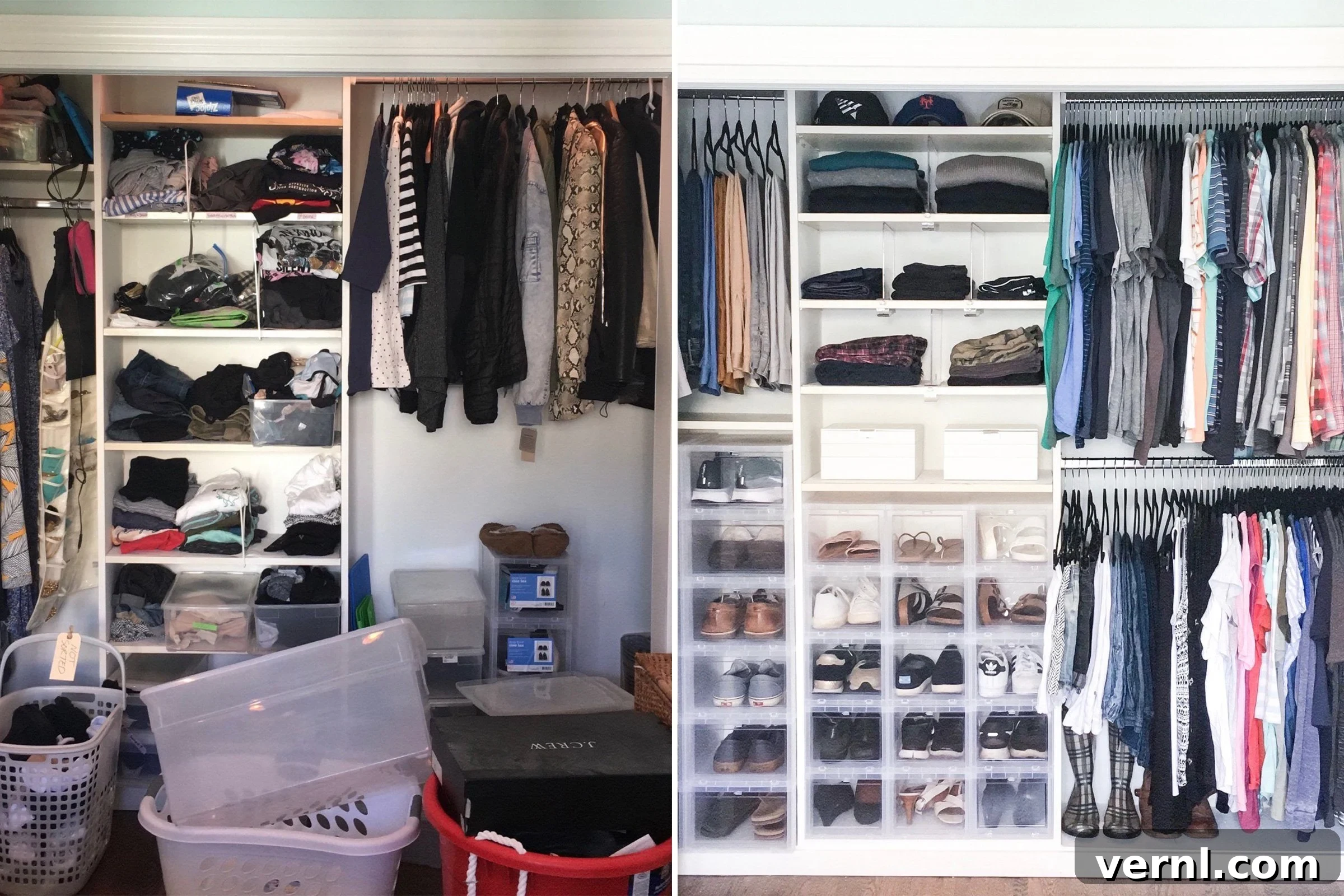
Decluttering is far more than just tidying up; it’s a foundational step towards creating a harmonious, functional, and clean living environment. For many, the mere thought of tackling a cluttered space can feel incredibly daunting, often leading to paralysis and an inability to begin. The challenge often stems from not knowing where to start or how to sustain the effort. However, with the right strategies and a mindful approach, anyone can transform their home into an organized sanctuary. We’ve gathered several proven decluttering tips and effective strategies designed to guide you through the process, helping you stay motivated and achieve lasting results. Embrace these methods to simplify your life, reduce stress, and reclaim your space.
Establish a Designated Place for Everything You Own
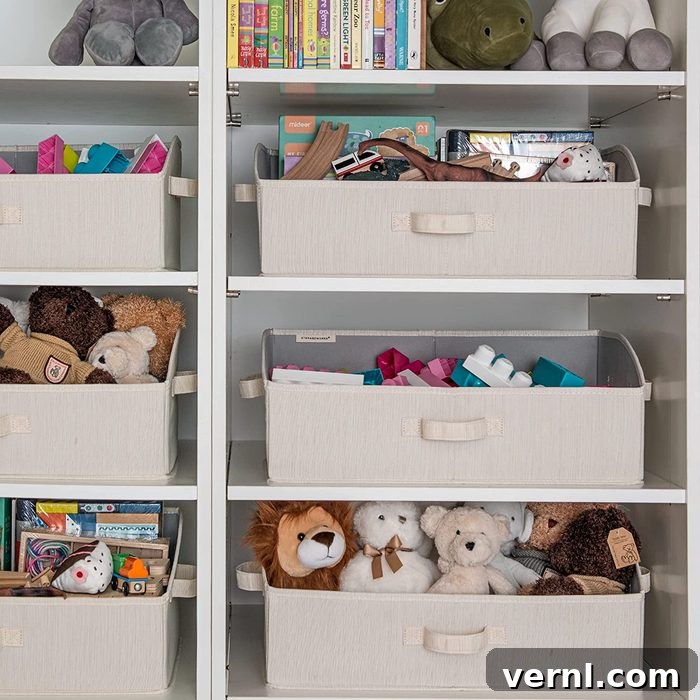
The timeless adage, “A place for everything, and everything in its place,” serves as a cornerstone for effective home organization. This principle encourages you to critically evaluate each item in your possession and ensure it has a specific, accessible ‘home.’ The goal is to only keep what you can store neatly and efficiently within your existing space. Drawing inspiration from decluttering expert Marie Kondo, it’s also about surrounding yourself with items that truly “spark joy.” If you’re a passionate bibliophile, integrate ample bookshelves into your living room or study design. For those who adore kitchen gadgets, take inventory of what you genuinely use and can’t live without, then create dedicated storage solutions for these essentials – perhaps custom drawer organizers or a dedicated pantry shelf. When tackling a child’s bedroom, often a notorious hotspot for clutter, consider furniture with built-in toy storage or invest in attractive, durable bins and baskets that make tidying up a breeze for little ones. The key is to design your living space to accommodate your cherished belongings, not the other way around. By consciously assigning a home to every item, you prevent clutter from accumulating and simplify the daily act of putting things away. This intentional approach to storage not only keeps your home tidy but also makes it easier to find what you need when you need it, fostering a more peaceful and organized environment.
Embrace the “Little and Often” Decluttering Philosophy
The idea of decluttering an entire home can feel overwhelmingly colossal, often leading to procrastination and inertia. Instead of fixating on the enormity of the task, break it down into manageable, bite-sized pieces. Implementing “little and often” decluttering hacks transforms a daunting chore into a sustainable habit, making it an integrated part of your daily routine. Start incredibly small: select just one drawer, a single shelf, or even a small section of a countertop. Set a timer for a short burst of activity – 10 to 15 minutes is often perfect. You might even choose an energizing music track (the Mission Impossible theme is a classic for a reason!) to infuse some fun into the process. During this focused period, work diligently to sort, remove, and organize items within your chosen small area. You’ll be genuinely astonished by how much progress you can make in such a short, dedicated timeframe. Beyond the physical transformation, there’s a significant psychological uplift. Accomplishing a small decluttering task provides a sense of achievement, boosting your motivation to tackle the next small area. This consistent, low-stress approach ensures continuous progress without the burnout associated with marathon decluttering sessions. Over weeks and months, these small, consistent efforts compound, leading to a remarkably tidier and more organized home, one drawer and one shelf at a time.
Master the “Four Box Method” for Efficient Sorting
When you’re ready to dive into a more comprehensive decluttering session, the “Four Box Method” offers a structured and highly effective approach. This strategy can be utilized by the entire family, whether you’re dedicating an intense weekend to decluttering or spreading the effort over several weeks. The core of this method involves setting up four clearly labeled boxes or designated areas:
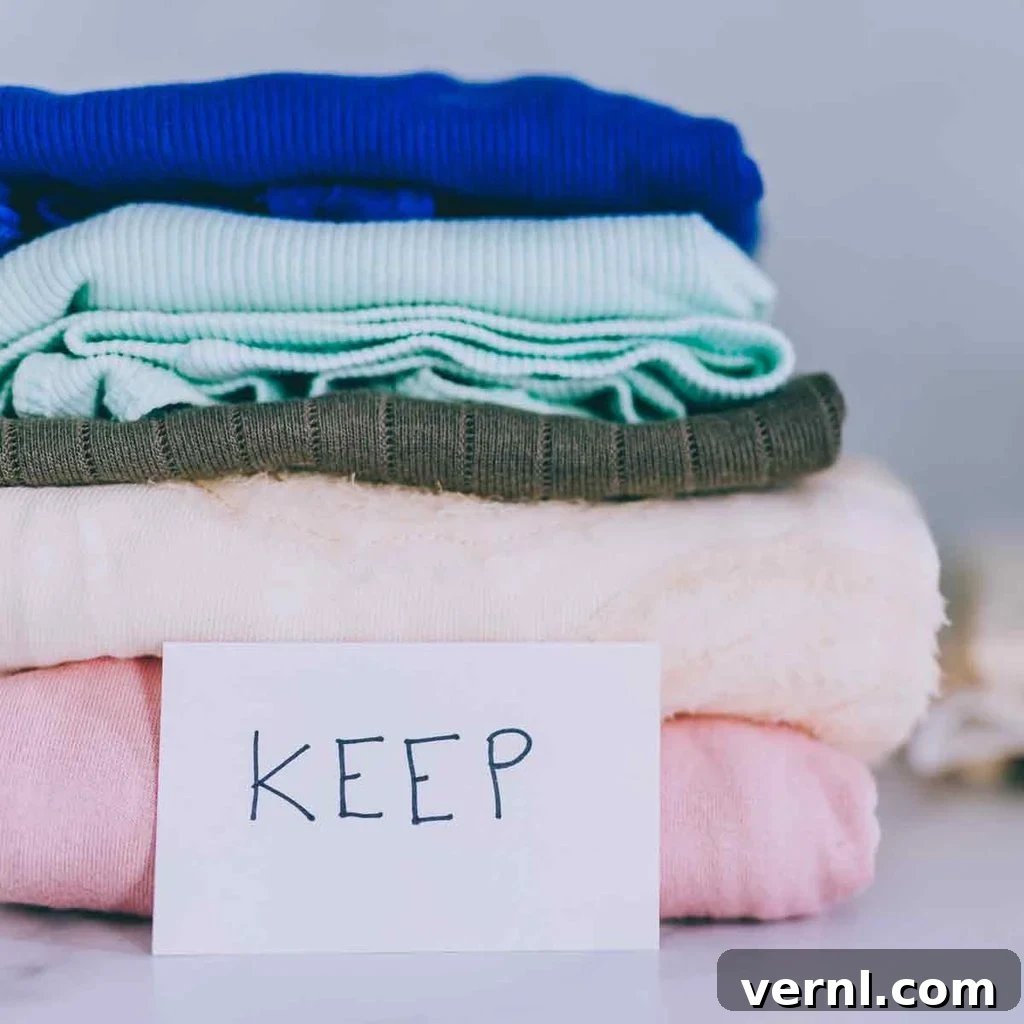
- Keep: For items you absolutely love, use regularly, and want to retain.
- Relocate: For items that belong in a different room or area of your home.
- Give Away/Donate: For items that are still in good condition but no longer serve a purpose for you.
- Trash: For broken, irreparable, or unusable items that need to be discarded.
Methodically go through every single item in the room, picking up each object and assigning it to one of these four categories. Be honest with yourself about its value and utility. Once you’ve sorted everything, immediately take action: empty the “Trash” box, move the “Relocate” items to their correct homes, and set aside the “Give Away” box for its next destination. The “Keep” items then need to be thoughtfully organized back into their proper places, ensuring they have a designated spot as per the “Have a Place for Everything” rule. This systematic approach prevents decision fatigue and ensures that no item is overlooked.
Beyond the initial sorting, remember that donating unwanted items is a crucial step. Many non-profit organizations eagerly accept a wide array of goods, including furniture, clothing, books, and even some electronics, providing them with a second life and helping those in need. To make the process even more convenient, numerous charities offer donation pick-up services directly from your home, eliminating the hassle of transportation. Researching local charities or exploring lists of donatable items can help you make the most of your efforts, ensuring your unwanted belongings benefit others while simultaneously creating more space and order in your own home.

Implement the “Forty Hanger Rule” for a Streamlined Wardrobe
The closet is often a source of daily frustration, overflowing with items rarely worn or forgotten. The “Forty Hanger Rule” offers a powerful and visually impactful way to transform your wardrobe from a chaotic heap into a carefully curated collection. The premise is simple: invest in 40 good-quality hangers – using uniform hangers immediately creates a sense of order – and then select your absolute favorite 40 items of clothing that you know you’ll genuinely wear and feel good in. This includes tops, bottoms, dresses, and outerwear (excluding socks, underwear, and sleepwear). The remaining clothes that don’t make the cut should be donated, sold, or stored elsewhere if they are truly seasonal or sentimental.
This rule isn’t just about limiting numbers; it’s about fostering intentionality. When you introduce a new item into your wardrobe, an existing item must be removed to maintain the 40-hanger limit. This “one-in, one-out” policy acts as a powerful deterrent against impulse buys and encourages thoughtful purchasing decisions, especially during tempting sales events. You’ll find yourself questioning purchases more critically, asking if a new item truly enhances your existing wardrobe or if it’s simply a fleeting desire.
For an even more rigorous challenge, consider combining this approach with Courtney Carver’s Project 333, which challenges participants to wear only 33 items of clothing, shoes, and accessories for three months. This minimalist fashion experiment pushes you to maximize versatility and creativity with a limited wardrobe, revealing just how much you can do with less. Embracing such rules not only simplifies your morning routine but also frees up valuable closet space and shifts your focus from accumulating more to appreciating what you already have. Here are four easy steps to declutter your closet and maintain its newfound organization.

Cultivate the Habit of Giving Away Every Day
The saying “one person’s junk is another person’s treasure” holds immense truth, especially when it comes to decluttering. Integrating the act of giving away into your daily or weekly routine is a powerful way to manage clutter proactively. Think creatively about how to declutter by continuously passing on items you no longer need or love. Organize a clothes swap with friends, which is not only a fun social event but also an excellent way for parents to circulate outgrown children’s clothing. Perhaps a friend has always admired a sweater you no longer wear – offer it to them! Thoughtful gifting of your pre-loved items to friends and family can be a rewarding way to ensure they find a good home.
Beyond personal connections, non-profit organizations and thrift shops are pillars of community support, heavily relying on donations to fund their missions and provide affordable goods. Make it a point to seek out your local charities, homeless shelters, domestic violence centers, or animal rescues. Many have specific needs for clothing, household goods, or pet supplies. Projects like Colleen Madsen’s 365 Less Things can offer daily inspiration, challenging you to remove one item from your home each day for a year. This consistent practice reinforces the habit of letting go. If you’re looking to recover some value from your items, consider selling them online through platforms like eBay, Facebook Marketplace, or local consignment shops. Items like vintage decor, designer clothing, or even niche collectibles can fetch a good price, turning your unwanted possessions into extra cash. This continuous cycle of releasing what you don’t need ensures your home remains uncluttered and your belongings contribute positively to others.
Utilize the “Out of Sight is Out of Mind” Decluttering Test
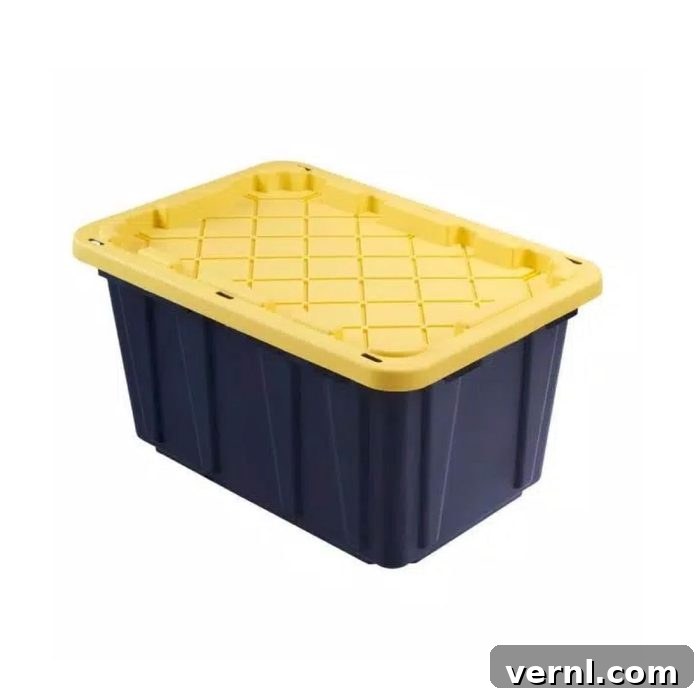
For those items you’re hesitant to part with, perhaps due to sentimental attachment or the lingering “what if I need it someday?” fear, the “Out of Sight is Out of Mind” method provides a brilliant psychological test. This approach helps you determine if an item is truly essential or merely occupying valuable space. The process is straightforward: gather these questionable items and place them all into a single box or container. Crucially, write the current date prominently on the box. Then, store this box away in an out-of-the-way location – perhaps the basement, attic, garage, or even the trunk of your car.
The rule is simple: if you haven’t needed or thought about anything inside that box for a period of six months, it’s a strong indicator that you can likely live without those items. The exception, of course, is seasonal items like holiday decorations or specific winter/summer clothing, which naturally wouldn’t be missed during their off-season. After the six-month mark, without even opening the box, you can confidently donate the entire box to a thrift shop or charity. The beauty of keeping it sealed is that it reinforces your decision and prevents second-guessing.
This method works exceptionally well for children’s toys. Kids often forget about toys that have been “spirited away” and will adapt to playing with what’s readily available. If, by chance, they specifically ask for an item from the box within the six-month period, you can easily retrieve it, no harm done. This strategy allows you to gradually reduce your possessions without the immediate stress of making permanent decisions, offering a gentle yet effective path to a less cluttered home.
Implement a Mindful Approach to Limit New Purchases
While decluttering old items is essential, the absolute key to maintaining an organized, clutter-free home lies in preventing new “junk” from sneaking back in. This requires a fundamental shift towards mindful consumption and a conscious effort to limit new purchases. Before bringing any new item into your home, especially if it’s an enticing sale item or a seemingly irresistible gadget, pause and ask yourself three critical questions:
- Do I really need it? Distinguish between genuine need and fleeting desire. Will this item solve a real problem or fill a true void in your life, or is it merely an impulse fueled by marketing or societal pressure?
- Will I really use it? Consider how often and for what purpose you will use the item. If it’s something that will be used once and then stored away, it might not be a worthwhile acquisition. Think about the item’s longevity and practicality in your daily life.
- Can I do without it? Challenge yourself to consider alternatives or whether your current resources already fulfill the same function. Often, we find that we already own something similar, or that the perceived need isn’t as critical as it initially seemed.
By internalizing these questions, you develop a powerful filter against unnecessary accumulation. This intentionality not only saves you money but also significantly reduces the amount of stuff that enters your home, making the ongoing task of decluttering far less burdensome. Embrace conscious consumerism, prioritize experiences over possessions, and cultivate a sense of contentment with what you already have. This proactive approach ensures that your hard-won organized space remains a haven, free from the cycle of endless clutter.
Sustain Your Decluttering Journey for Lasting Harmony
Decluttering is not a one-time event but rather an ongoing lifestyle choice that brings immense benefits to your well-being and living environment. By adopting strategies like creating a dedicated home for every item, embracing small, consistent decluttering efforts, using systematic sorting methods, and thoughtfully limiting new purchases, you build habits that sustain a clutter-free home. Remember that every small step contributes to a larger, more peaceful outcome. The goal is to create a living space that supports your life, reduces stress, and allows you to enjoy your home to its fullest potential, rather than being overwhelmed by your possessions. Embrace the journey, celebrate your progress, and enjoy the lasting harmony of an organized home.