
Understanding Sod Webworms: Identification, Damage, and Effective Control
Maintaining a lush, green lawn is a point of pride for many homeowners. However, various unseen threats can undermine these efforts, and among the most notorious are sod webworms. These common lawn pests, often identified by their adult form as delicate lawn moths, can cause significant damage to turf if left unchecked. Understanding how to identify these pests, recognize the signs of their activity, and implement effective control strategies is crucial for preserving the health and beauty of your lawn.
Sod webworms are a prevalent group of lawn pests that can wreak havoc on various grass types. While the adult moths, typically white to tan-colored, are harmless, their offspring – the voracious larvae – are the true culprits behind lawn damage. These small caterpillars feed extensively on grass blades, leading to noticeable brown patches and weakened turf. Effective lawn pest management begins with proper identification and swift action.
What are Sod Webworms and How Do They Manifest?
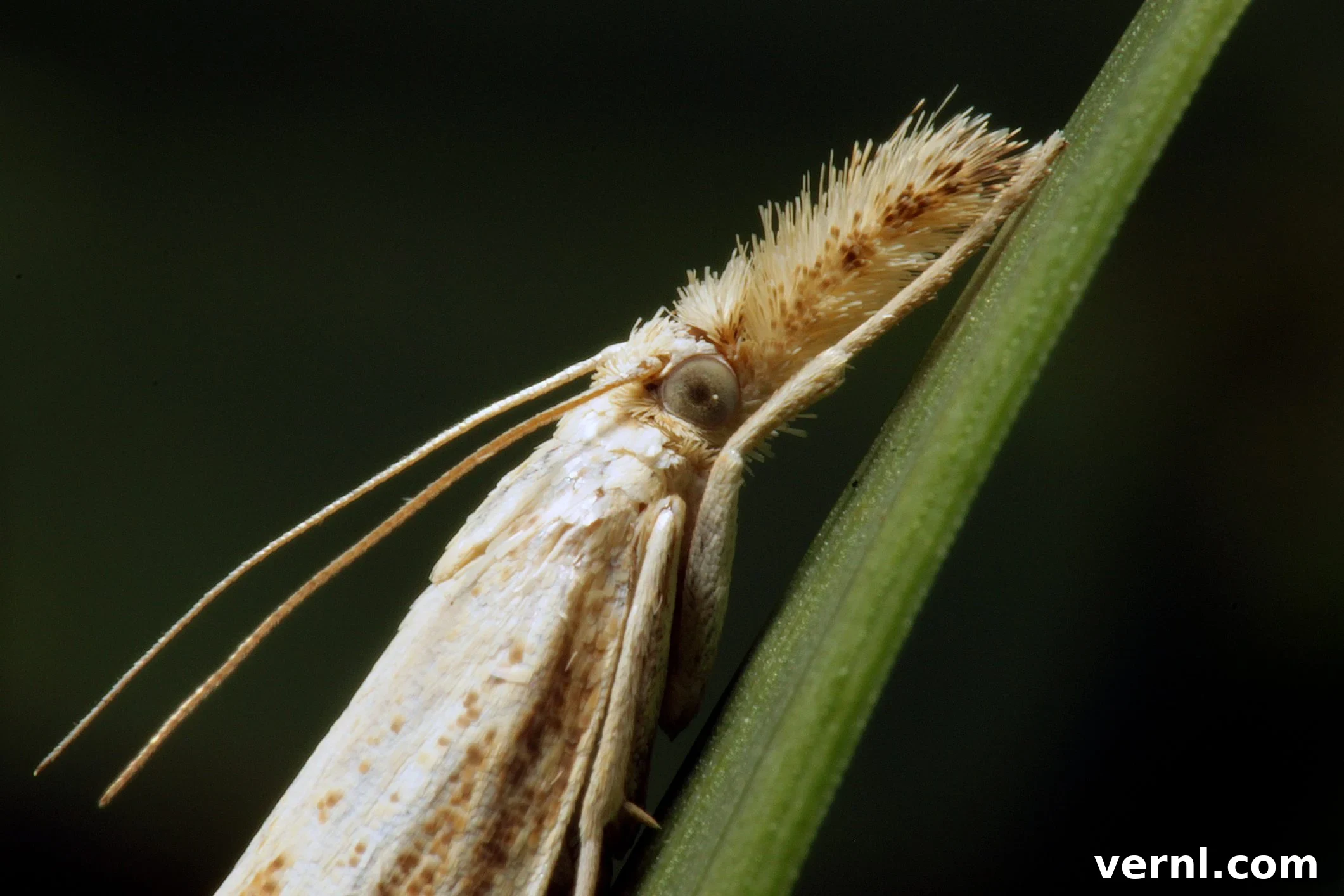
Sod webworms are the larval stage of several species of lawn moths belonging to the family Crambidae. The adult moths are relatively small, with a wingspan of about an inch, and are often seen flitting erratically just above the grass canopy, especially during late afternoon or early evening in summer. Their flight pattern is distinct – short, jerky bursts followed by quick landings. While their presence might seem innocuous, it’s a clear indicator that egg-laying is underway, setting the stage for future larval infestations.
The damage, however, is not caused by these fluttering adults. Instead, it’s the grass-munching larvae that pose a threat to your turf. These caterpillars are typically cream-colored to grayish-brown, often with small, dark spots, and can grow up to ¾ inch long. They are nocturnal feeders, consuming grass blades from the surface down to the crown, which can severely weaken or even kill the grass plant entirely. The initial signs of their destructive feeding habits often appear as irregular, classic brown patches that progressively expand across the lawn.
The Life Cycle of a Sod Webworm: From Egg to Moth
Entomologists have identified up to 20 species of sod webworms, showcasing their adaptability to a broad range of geographic areas and climates. Despite their diversity, all species share a common developmental pathway, undergoing a complete metamorphosis through four distinct stages:
- Egg: Female moths drop tiny, spherical eggs onto the grass blades or thatch layer as they fly across the lawn. A single female can lay up to 200 eggs in her short lifespan. These eggs typically hatch within 7-10 days, depending on environmental conditions.
- Larvae: This is the most damaging stage. Upon hatching, the tiny caterpillars begin feeding immediately. They are most active at night, retreating into silk-lined tunnels or burrows in the thatch layer or soil during the day to avoid predators and heat. They feed for several weeks, molting multiple times as they grow, consuming vast amounts of grass. The “webworm” name comes from the silken webs they spin to protect themselves in their tunnels.
- Pupae: Once the larvae have reached full size, they enter the pupal stage. They typically construct a silk cocoon, often mixed with soil particles, within the thatch or soil. This inactive stage lasts about 1-2 weeks, during which the larvae transform into adult moths.
- Adult Moth: The adult moth emerges from the pupa, ready to mate and lay eggs, starting the cycle anew. Adult moths live for only a few days to a week.
Most sod webworm species produce two to three generations each season, particularly in warmer climates, meaning continuous vigilance is required from late spring through early fall. They primarily feed on popular turfgrass varieties such as bluegrass, fine fescue, perennial ryegrass, and zoysiagrass lawns.
The Impact of Sod Webworms on Your Lawn
The visual presence of tiny, triangular-winged moths fluttering over sun-baked grass is an early, critical warning sign of hungry larvae below. While these adult moths do not directly damage your lawn, their egg-laying activity sets the stage for future destruction. Each female moth can deposit hundreds of eggs, creating the potential for a severe infestation.
Approximately a week after hatching, the tiny caterpillars begin their relentless feeding. Often, homeowners remain unaware of their presence until noticeable turf damage becomes apparent. The early signs of infestation are subtle but quickly escalate. If left unchecked, a severe outbreak of these voracious caterpillars can decimate large portions of your lawn, leading to extensive bare spots and a significant reduction in turf health and aesthetic appeal. The damage can be particularly severe during drought conditions or when lawns are already stressed, as the grass has less ability to recover from the constant defoliation.
Recognizing the Signs of a Sod Webworm Infestation
Early detection is paramount when dealing with sod webworms. Keeping a keen eye on your lawn for these tell-tale signs can help you act quickly:
- Irregular Brown Patches: The first and most common symptom is the appearance of small, saucer-sized brown patches in your lawn. Closer inspection reveals that these patches are the result of grass leaves being chewed down to the soil surface, giving the turf a ragged appearance. Unlike the uniform damage of a disease, webworm damage often has irregular edges.
- Moth Activity: Observe your lawn in the late afternoon or early evening, just before dusk. You’ll see the adult sod webworm moths flying low and erratically over the grass, especially when disturbed by walking through the lawn. Their flight pattern is short and jerky, not a steady flight.
- Chewed Grass Blades and Frass: Upon close examination of the damaged areas, you might notice grass blades that appear chewed or notched. Small green or brownish pellets, known as frass (caterpillar excrement), can also be found on the grass blades or within the thatch layer.
- Silken Webbing: The “webworm” name is no accident. In heavily infested areas, especially in the early morning when dew is present, you may see fine, silken webbing close to the soil surface. This webbing forms protective tunnels for the nocturnal caterpillars during the day.
- Expanding Damage: As the caterpillars continue to feed, the smaller brown patches will expand rapidly, merging into larger, irregular areas. These larger damaged zones can take on the appearance of drought-stricken turf, often leading homeowners to mistakenly overwater their lawn, which can exacerbate other lawn problems.
Confirming the Infestation: The “Drench Test”
If you suspect sod webworm activity, a simple and effective method to confirm their presence and estimate their population density is the “Floatation Method,” also known as the Drench Test:
- Prepare the Solution: In a bucket or watering can, mix one to two tablespoons of lemon-scented dish detergent with one or two gallons of water. The lemon scent is thought to be particularly irritating to the caterpillars.
- Apply to Suspect Areas: Drench an area approximately two feet square near the edges of the damaged turf. These transition zones between healthy and damaged grass are where the larvae are most actively feeding and expanding their territory. Ensure the area is thoroughly saturated so the solution penetrates the thatch layer.
- Observe and Count: Wait patiently for two to five minutes. The irritating detergent solution will prompt the caterpillars to wiggle out of their thatch burrows and come to the surface of the lawn.
- Assess Infestation Level: Count the number of caterpillars that emerge within your test area. As a general guideline, if you observe more than 15 to 20 larvae per square foot, a control remedy is likely needed to prevent further significant damage to your lawn.
Effective Strategies to Treat Sod Webworms
Once an infestation is confirmed, prompt action is essential. A combination of approaches, including chemical and biological treatments, can effectively control sod webworms.
Chemical Control Options
A wide range of lawn insecticides are effective and generally budget-friendly for controlling sod webworms. When selecting the best pesticides for turf damaged by webworms, consider options known for long-lasting protection:
- Sprayable Insecticides: Products like Ortho’s BugClear Insect Killer For Lawns and Bonide Pyrethrin Outdoor Insecticide are excellent for eradicating sod webworms and a host of other surface-feeding insects. Pyrethrin-based products are derived from chrysanthemums and offer quick knockdown. Always ensure the safety of children and pets by evacuating the treated area completely before spraying and only allowing re-entry once the product has fully dried. Adhere strictly to the manufacturer’s instructions for correct usage and application rates.
- Granular Insecticides: For those who prefer using a fertilizer spreader, granular options provide an easy application method. Anderson’s DuoCide Professional Grade Lawn Insect Control is a favored choice among professionals for its efficacy. Spectracide Triazicide Insect Killer is another reliable granular option, effective against sod webworms and numerous other surface-feeding pests. These products often contain active ingredients like bifenthrin or gamma-cyhalothrin, which provide residual control.
Application Best Practices for Insecticides:
- Pre-treatment Watering: Water your lawn a day or two before applying conventional insecticides. This ensures the grass is hydrated and can better absorb the treatment.
- Post-treatment Watering: After applying the insecticide, lightly water the product into the ground. This helps wash the active ingredient off the grass blades and into the thatch layer, where the caterpillars reside and feed, ensuring maximum effectiveness.
- Optimal Timing: The most effective time to treat your lawn is late afternoon or early evening. This timing aligns with when the nocturnal caterpillars begin to come to the surface to feed, maximizing their exposure to the insecticide.
Biological Control Options
For environmentally conscious homeowners or those seeking pet-friendly solutions, biological options offer a viable alternative for controlling sod webworms:
- Bacillus thuringiensis (Bt): This beneficial bacterium (specifically subspecies kurstaki) produces a natural toxin that, when ingested by caterpillars, paralyzes their digestive system, leading to their demise. Biological products containing Bt, such as Monterey Bacillus Thuringiensis Worm and Caterpillar Killer Insecticide or Southern Ag Thuricide BT Caterpillar Control, are highly effective. While they may take slightly longer to show results compared to chemical insecticides, they are safe for humans and pets and pose no threat to beneficial insects like bees or ladybugs. Although many Bt products are marketed for garden use, they are equally effective as a lawn treatment.
- Beneficial Nematodes: Certain species of entomopathogenic nematodes (microscopic roundworms) are natural predators of sod webworm larvae. When applied to the lawn, these nematodes seek out and parasitize the caterpillars, killing them. Products containing species like Steinernema carpocapsae are effective and environmentally friendly, offering another excellent biological control option.
Prevention: Keeping Sod Webworms from Coming Back
Winning the battle against an existing sod webworm infestation is only half the fight. The key to long-term lawn health is implementing preventative measures to deter their return. A comprehensive lawn pest management strategy includes not just treatment but also robust prevention methods.
- Promote Overall Lawn Health: This is the cornerstone of prevention. Like most lawn pests, sod webworms tend to target weakened, stressed lawns first. By properly fertilizing, ensuring adequate watering, performing core aeration annually, and mowing correctly, your grass will develop the resilience needed to fend off almost any challenge. A healthy lawn can often outgrow or recover from minor pest damage.
- Maintain Optimal Mowing Height: Keep your mowing height in the three- to four-inch range for most cool-season grasses. Cutting your lawn too short can lead to scalping, thinning turf, and increased soil exposure. This makes your lawn dry out quicker, making it more susceptible to stress and pest infestations. Taller grass also shades the soil, keeping it cooler and promoting deeper root growth, which further enhances turf vigor.
- Overseed with Endophyte-Enhanced Grass Seed Varieties: Reseeding your lawn with endophyte-enhanced grass seed varieties is an excellent long-term preventative measure. Endophytes are symbiotic, intracellular fungi that live within the grass plant, providing numerous benefits to the host turf species.
- Insect Deterrence: Toxic compounds produced by these endophytes make the grass leaves and stems unpalatable or even toxic to chewing insects like sod webworm larvae, effectively deterring them from feeding.
- Stress Tolerance: Endophytes also significantly improve the grass plant’s resistance to environmental stressors such as drought and heat, contributing to overall lawn health and resilience.
- Disease Suppression: Some endophyte strains can even suppress certain lawn diseases, offering an added layer of protection.
It’s important to note that not all lawn species harbor endophytes. For instance, Kentucky bluegrass typically does not. However, many perennial ryegrasses, fine fescue, and tall fescue varieties are available as endophyte-enhanced options. Identifying endophyte-enhanced varieties can sometimes be challenging, as the grass seed label may not always explicitly state it. If you’re unsure, consult university extension services or reliable online resources for information on specific grass seed blends.
- Thatch Management: A thick layer of thatch (dead grass, stems, and roots between the green blades and soil surface) provides an ideal habitat for sod webworm larvae to hide and feed. Regular dethatching can reduce this protective layer, exposing larvae to predators and making chemical treatments more effective.
The ability to recognize the signs of sod webworm damage early, understand their life cycle, and implement effective treatment and prevention strategies is fundamental to maintaining a healthy and vibrant lawn. By adopting the right combination of suitable pesticides (where necessary) and sound lawn pest management techniques, you can effectively protect your cherished turf from these destructive insects and enjoy a beautiful outdoor space for years to come.
Frequently Asked Questions (FAQ) About Sod Webworms
What are the most common signs of sod webworm damage?
The most common signs include small, irregular brown patches that expand over time, often resembling drought stress. Upon closer inspection, you might find grass blades chewed down to the surface, and in severe cases, fine silken webbing near the soil. The presence of small, tan moths fluttering over the lawn at dusk is also a strong indicator.
What are the best pesticides for turf affected by sod webworms?
Effective pesticides include both chemical and biological options. Chemical treatments often contain active ingredients like pyrethrin (e.g., Bonide Pyrethrin Outdoor Insecticide) or bifenthrin (e.g., The Andersons DuoCide, Spectracide Triazicide). For biological control, products containing Bacillus thuringiensis (Bt), such as Monterey Bacillus Thuringiensis Worm and Caterpillar Killer Insecticide, or beneficial nematodes are highly recommended due to their safety for humans and pets.
How does proper lawn pest management prevent sod webworm infestations?
A comprehensive lawn pest management strategy focuses on promoting overall lawn health. This includes regular and proper mowing (keeping grass at 3-4 inches), adequate watering (deep and infrequent), balanced fertilization, and annual aeration. Additionally, using endophyte-enhanced grass varieties and managing thatch levels significantly contributes to building a resilient lawn that is less susceptible to sod webworm infestations.
Sources
- Texas A&M AgriLife Extension Service:“Tropical Sod Webworm.”
- Texas A&M University: “Sod Webworm.” Field Guide to Common Texas Insects.
- Senske Services: “Sod Webworm Treatment.”