
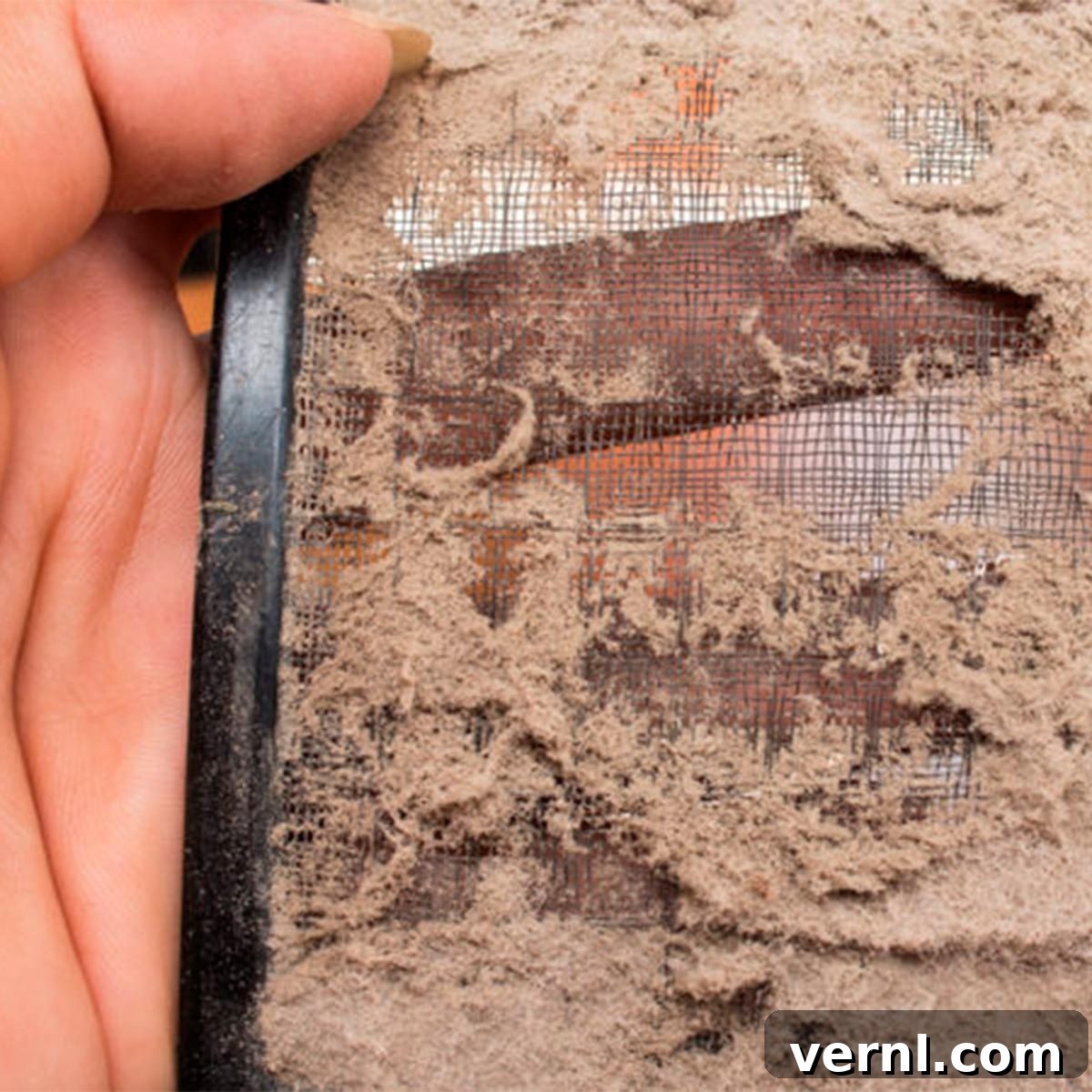
The Ultimate Guide to Cleaning Your Air Conditioner for Maximum Efficiency and Longevity
Are you wasting money on inflated energy bills and suffering from inadequate cooling? If you’re not regularly cleaning your air conditioner, then the answer is likely a resounding yes. Neglecting this crucial maintenance task can lead to reduced performance, higher costs, and a significantly shorter lifespan for your cooling system. Maintaining a clean air conditioner is not just about keeping things tidy; it’s a vital practice for the longevity of the machine and the health of your home environment. Many homeowners overlook the importance of AC maintenance, often intimidated by what seems like a complex or time-consuming chore. However, we’re here to demystify the process and provide a simple, effective solution for achieving a spotless air conditioner with every clean, ensuring it runs smoothly and efficiently season after season.
Understanding why regular AC cleaning is so important is the first step towards embracing this essential home maintenance task. A well-maintained air conditioner performs better, consumes less energy, and provides cleaner air. By integrating a straightforward cleaning routine into your schedule, you can significantly enhance your comfort, save money on utility bills, and avoid costly repairs down the line. It’s a small investment of time that yields substantial returns in efficiency and peace of mind.
Why Air Conditioner Cleaning is Non-Negotiable
The benefits of a regularly cleaned air conditioner extend far beyond simple aesthetics. From energy savings to improved indoor air quality, the advantages are compelling and directly impact your wallet and well-being.
Boost Energy Efficiency and Save Money
One of the most significant reasons to keep your AC clean is its direct impact on energy consumption. A dirty air filter, clogged coils, or an obstructed condenser unit forces your system to work harder to achieve and maintain the desired temperature. This increased effort translates directly into higher electricity usage and, consequently, steeper energy bills. When dust and grime accumulate, they restrict airflow and hinder the heat exchange process, making the unit less effective. By regularly cleaning these components, you ensure optimal airflow and efficient heat transfer, allowing your AC to cool your home without unnecessary strain, thereby reducing your carbon footprint and saving you a substantial amount of money over time.
Enhance Indoor Air Quality for a Healthier Home
Your air conditioner’s filter acts as a crucial barrier, trapping dust, pollen, pet dander, mold spores, and other airborne particles before they circulate throughout your home. When this filter becomes overloaded with contaminants, it can no longer effectively purify the air. Instead, it can become a breeding ground for bacteria and mold, potentially recirculating these harmful elements back into your living spaces. This can exacerbate allergies, asthma, and other respiratory issues, making your home less healthy. A clean filter ensures that your AC continues to deliver fresh, clean air, contributing to a safer and more comfortable indoor environment for you and your family.
Extend the Lifespan of Your AC Unit
Cleaning your air conditioner is vital for the longevity of the machine. When an AC unit is dirty, its components are under constant stress. The motor works harder, the compressor runs longer, and the entire system experiences increased wear and tear. This perpetual strain can lead to premature breakdowns, costly repairs, and a significantly shortened operational life for your unit. Regular cleaning and maintenance alleviate this stress, allowing the components to function as intended, which in turn extends the overall lifespan of your air conditioner. Investing a little time in maintenance now can save you thousands of dollars in replacement costs later.
Maintain Optimal Cooling Performance
There’s nothing more frustrating than an air conditioner that struggles to cool your home, especially during peak summer months. A dirty AC unit will inevitably suffer from diminished cooling capacity. Clogged filters and coils prevent the system from efficiently absorbing and dissipating heat, resulting in warmer indoor temperatures and a unit that runs constantly without achieving satisfactory results. Regular cleaning ensures that your AC performs at its peak, providing consistent, powerful cooling when you need it most, guaranteeing your comfort even on the hottest days.
How Often Should You Clean Your Air Conditioner?
The frequency of cleaning largely depends on several factors, including usage, environmental conditions, and the presence of pets or allergy sufferers in your home. As a general rule of thumb, it’s recommended to:
- Clean or replace air filters: Every 1-3 months, especially during peak cooling seasons. If you have pets, allergies, or live in a dusty area, aim for monthly.
- Clean outdoor condenser coils: Annually, ideally in the spring before heavy usage begins.
- Clean indoor evaporator coils and drain line: Annually, often best done by a professional during a routine tune-up.
Essential Tools for Effective AC Filter Cleaning
Before you begin, gather these simple tools. Most of them are likely already in your home:
- Warm water
- Mild dish soap or detergent
- Spray bottle
- Soft brush (an old toothbrush is ideal for stubborn grime)
- Microfiber cloth or towel
- Vacuum cleaner with a brush attachment (optional, for initial dust removal)
- Safety gloves (optional)
Step-by-Step Guide: Deep Cleaning Your AC Filter for Spotless Results
Cleaning your AC filter doesn’t have to be a daunting task. Follow these simple steps for a truly spotless filter and improved air quality:
Step 1: Power Down for Safety
Before touching any part of your air conditioning unit, it is absolutely crucial to turn off the power. Locate the thermostat and set it to “off.” For central air systems, also switch off the circuit breaker that controls your AC unit. This prevents any accidental activation and ensures your safety throughout the cleaning process.
Step 2: Locate and Remove the Filter
Air conditioner filters are typically located in one of two places: either in a slot along the return air duct, or directly inside the indoor air handler unit itself. Consult your owner’s manual if you’re unsure. Once located, carefully open the filter compartment and slide the filter out. Be mindful of accumulated dust and debris.
Step 3: Initial Dust Removal
After removing the filter, give it a gentle tap over a trash can or outdoors to dislodge any loose dust and large particles. For a more thorough initial clean, you can use a vacuum cleaner with a brush attachment to carefully suction off the superficial dust without damaging the filter material.
Step 4: Rinse with Warm Water
Now, take the filter to a sink or utility tub. Rinse it under a steady stream of warm water. This initial rinse will help to wash away the surface filth and loosen any embedded dirt. While this step is effective for removing light dust, we all know that a simple rinse of warm water doesn’t easily remove the sticky grime and stubborn buildup often attached to the filter. That’s where our next step comes in.
Step 5: Apply Cleaning Solution
Take a spray bottle and fill it with warm water and a few drops of mild dish soap or all-purpose detergent. Shake gently to mix. Spray the grimy spots on your filter thoroughly with this solution, ensuring good coverage over the entire surface, especially on areas with visible buildup. Let the solution sit for a few minutes to penetrate and break down the grime.
Step 6: Gentle Scrubbing with a Soft Brush
This is where the magic happens! Grab an old toothbrush or a soft-bristled brush. Gently scrub the grimy spots on your filter. The small bristles of a toothbrush are exceptionally effective at reaching into the intricate mesh of the filter, dislodging stubborn dirt and sticky residue that a simple rinse would miss. After trying this myself, I can attest to the nifty genius of this trick. Seriously, an old toothbrush really can go a long way when it comes to cleaning those grimy, dirty, hard-to-clean spots in your home.
Step 7: Thorough Rinsing
Once you’ve scrubbed away the grime, rinse the filter thoroughly under warm water again. It’s important to wash off all traces of the soap solution to prevent residue buildup, which could attract more dust in the future. Continue rinsing until the water runs clear and no suds remain.
Step 8: Air Dry Completely
This step is critical. Shake off any excess water and allow the filter to air dry completely. Place it in a well-ventilated area, out of direct sunlight, or use a clean, dry microfiber cloth to gently dab away moisture. Do NOT reinstall a damp filter, as this can encourage mold and mildew growth within your AC unit and compromise indoor air quality.
Step 9: Reinstall the Clean Filter
Once the filter is bone dry, carefully slide it back into its compartment, ensuring it is oriented correctly (most filters have an arrow indicating airflow direction). Close the filter cover securely.
Step 10: Power On and Enjoy
Return to your circuit breaker and switch the power back on. Then, turn your thermostat back to your desired cooling setting. You should immediately notice an improvement in airflow and overall cooling efficiency. Enjoy the benefits of a cleaner, more efficient air conditioner!
Beyond the Filter: Other Critical AC Cleaning Tasks
While filter cleaning is fundamental, other components of your AC system also require attention for optimal performance and longevity. For a full look into air conditioner repair, here’s how to clean a room air conditioner, and if you have central air, here’s how to clean your AC condenser unit.
Cleaning Evaporator Coils
These indoor coils absorb heat from your home’s air. Over time, they can accumulate a layer of dust, dirt, and even mold, reducing their ability to absorb heat efficiently. They can be gently cleaned with a soft brush and a specialized no-rinse evaporator coil cleaner, available at most hardware stores. Always ensure the power is off before attempting this.
Cleaning Condenser Coils (Outdoor Unit)
The outdoor unit, housing the condenser coils, fan, and compressor, is exposed to the elements. Leaves, grass clippings, dirt, and other debris can clog the fins, impeding heat dissipation. Before cleaning, turn off the power at the outdoor disconnect switch and the main circuit breaker. Use a strong stream of water from a garden hose to rinse away debris from the outside in. For stubborn dirt, a commercial coil cleaner can be applied. Ensure the fins are not bent; if they are, a fin comb can gently straighten them.
Maintaining the Drain Pan and Line
As the evaporator coils cool the air, condensation forms and collects in a drain pan, then exits through a drain line. If this line becomes clogged with algae or debris, water can back up, leading to leaks, water damage, and even mold growth within your unit. Periodically, pour a cup of distilled vinegar down the drain line (if accessible) to inhibit algae growth. Clear any visible blockages.
Common AC Cleaning Mistakes to Avoid
- Forgetting to power off: Always prioritize safety.
- Using harsh chemicals: Abrasive cleaners can damage delicate components. Stick to mild soap or specialized AC cleaners.
- Not drying filters completely: This can lead to mold and mildew.
- Bending fins: Be gentle when cleaning coils; bent fins restrict airflow.
- Ignoring other components: Focusing only on the filter overlooks other critical areas like coils and drain lines.
When to Call a Professional for AC Maintenance
While DIY cleaning of filters and general tidiness goes a long way, some tasks are best left to professionals. If you notice unusual noises, refrigerant leaks, persistent issues with cooling, or if you’re uncomfortable performing deeper cleaning tasks like coil maintenance, it’s wise to call a certified HVAC technician. Annual professional tune-ups can identify potential problems early, ensure your system is running at peak performance, and prolong its life even further.
Conclusion
Regular air conditioner cleaning is more than just a chore; it’s an essential investment in your home’s comfort, health, and financial well-being. By taking the time to clean your AC filter using our simple yet effective spray bottle and toothbrush method, and by extending your care to other critical components, you unlock a wealth of benefits. You’ll enjoy consistent, powerful cooling, breathe cleaner air, significantly reduce your energy bills, and extend the lifespan of your valuable appliance. Make AC maintenance a regular part of your home care routine, and you’ll reap the rewards of an efficient, long-lasting, and reliable cooling system for years to come.