
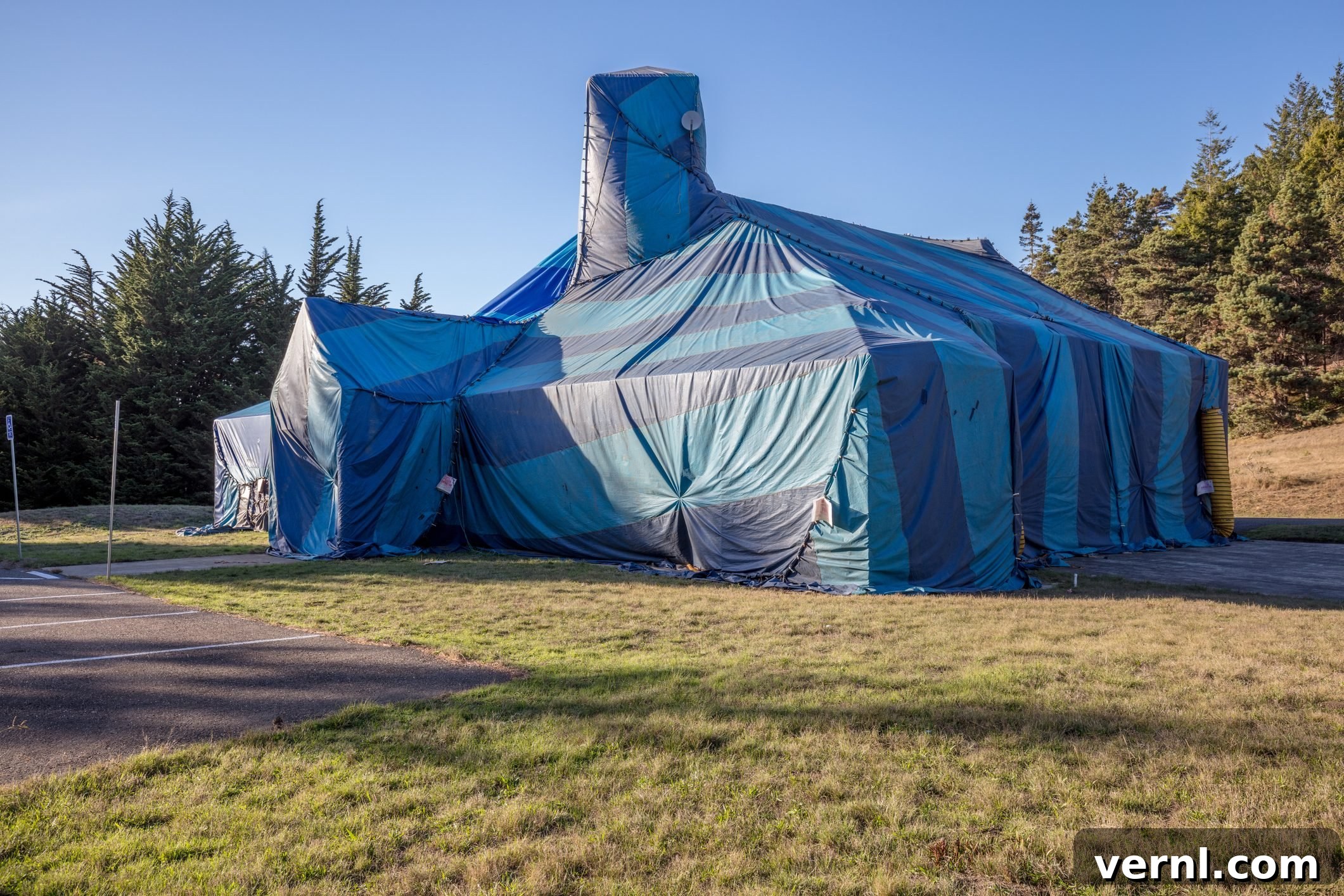
Living in warmer climates, like the sun-drenched regions of Florida, often comes with its unique set of challenges. Among the most prevalent and destructive is the omnipresent threat of termites. These tiny, wood-destroying insects can silently infiltrate your home, causing extensive structural damage that can cost homeowners thousands in repairs if left unaddressed. While the sight of homes shrouded in colorful, circus-like tents might seem unusual to some, it’s a clear indicator that a severe termite infestation is being dealt with.
Termites thrive in warm, humid environments, making them a significant concern across many states in the U.S. When an infestation takes hold, especially by drywood termites, the structural integrity of your home—from wooden beams to flooring and furniture—can be severely compromised. In such situations, particularly for widespread or hard-to-reach infestations, a comprehensive treatment known as termite tenting often becomes the most effective solution.
If you’re facing the daunting prospect of a termite problem and are considering this intensive treatment method, understanding the process, its implications, and what to expect is crucial. This comprehensive guide will walk you through everything you need to know about termite tenting, from its purpose and execution to preparation, cost, and long-term considerations.
What Exactly Is Termite Tenting? Understanding Structural Fumigation
Termite tenting, formally known as structural fumigation, is a highly effective method specifically designed for the extermination of drywood termites and other tenacious wood-destroying pests. Unlike localized treatments that target specific areas, tenting aims to eradicate termites throughout the entire structure of a building. The process involves enveloping the entire home in large, impenetrable tarps or a specialized tent, creating an airtight seal. Once sealed, a potent gas fumigant is released into the enclosed space, permeating all areas of the house, including inaccessible wall voids and wooden members where termites often hide.
According to Glen Ramsey, an experienced entomologist with Orkin, “Structural fumigation is the recommended course of action for severe, widespread, partially inaccessible, and or difficult-to-locate drywood termite infestations.” This highlights its utility for comprehensive problems that cannot be effectively addressed by spot treatments alone. The goal is to ensure that every termite, regardless of its hiding spot, is exposed to the fumigant, leading to complete eradication within the treated structure.
How Does Termite Tenting Work? A Step-by-Step Overview
The success of termite tenting hinges on meticulous preparation and precise execution. The process can be broken down into several key stages:
- Initial Inspection and Planning: Before any tenting begins, a certified pest control professional conducts a thorough inspection to confirm the presence and extent of drywood termites. They assess the structure’s size, condition, and any unique features that might impact the fumigation process. This planning phase also involves identifying potential obstacles and creating a detailed treatment plan.
- Structural Sealing with Tarps: On the scheduled day, a highly trained team arrives to begin sealing the structure. This involves carefully draping large, heavy-duty tarps over the entire home. These tarps are then meticulously fastened together, typically with clamps and tape, and sealed at the ground level using sand snakes or water tubes. The objective is to create an almost completely airtight enclosure that will contain the fumigant gas within the property.
- Fumigant Introduction: Once the house is fully tented and sealed, a controlled amount of a specific fumigant gas (commonly sulfuryl fluoride) is introduced into the enclosed space. The type and concentration of the fumigant are carefully calculated based on the size of the structure, temperature, and the target pest. The gas is designed to penetrate deep into wood and other materials, reaching termites wherever they may be hiding. Unlike conventional pesticides, fumigants leave no residue once aerated, making them safe for re-entry after proper ventilation.
- Dwell Time: The fumigant is allowed to remain within the sealed structure for a predetermined period, often between 24 and 48 hours. This “dwell time” is critical to ensure that the gas has sufficient time to permeate all areas and effectively eliminate the termite colony. Environmental factors like temperature and wind can influence this duration.
- Aeration and Clearance: After the required dwell time, the tarps are carefully removed from the house. This initiates the aeration process, allowing the fumigant gas to dissipate safely into the atmosphere. Industrial fans may be used to expedite this ventilation. Before anyone is allowed to re-enter, certified technicians use specialized monitoring equipment to measure gas levels inside the home. They will only grant re-entry once these levels are confirmed to be at a safe, non-detectable level, typically after several days.
The Investment in Protection: How Much Does Termite Tenting Cost?
The cost associated with termite tenting is a significant consideration for homeowners, as it typically represents a substantial investment. While providing an exact figure without an on-site assessment is impossible, it’s safe to anticipate expenses ranging into the thousands of dollars. Patricia Hottel, a board-certified entomologist and manager of technical services at Terminix, confirms this, stating, “The cost of termite tenting depends on the size and complexity of the structure and the geographical location. Still, it will certainly be in the thousands.”
Several critical factors contribute to the overall price tag:
- Size and Complexity of the Structure: Larger homes naturally require more tarps, more fumigant, and more labor hours for setup and takedown. Multi-story homes or those with intricate architectural designs (e.g., numerous gables, attached garages, difficult rooflines) also increase complexity, leading to higher costs.
- Extent of the Infestation: While tenting is for severe infestations, the specific concentration of fumigant and dwell time might be adjusted based on the perceived density of the termite colony, potentially influencing material costs.
- Geographical Location: Labor rates, local regulations, and the cost of materials can vary significantly by region and state. Areas with a higher cost of living or stricter environmental regulations may see higher prices.
- Labor and Equipment: As Hottel explains, “There is extensive labor time and effort involved in constructing and sealing the structure along with the cost of the fumigant.” This includes the highly skilled team required to erect and dismantle the tent safely. In some cases, specialized equipment like lifts or scaffolding may be necessary to maneuver tarps onto tall or unusually shaped structures, adding to the overall expense.
- Type of Fumigant Used: While sulfuryl fluoride is common, there might be variations in fumigant types or concentrations, which could affect pricing.
- Additional Services: Some companies may include or offer add-on services like securing gas lines, pre-fumigation inspections, or post-fumigation follow-ups as part of a package, which can influence the final price.
While the upfront cost might seem daunting, it’s crucial to view termite tenting as an investment in protecting your home’s structural integrity and long-term value. The alternative—allowing termites to continue their destructive work—can lead to far more extensive and costly repairs down the line.
Thorough Preparation: Getting Your Home Ready for Termite Tenting
Proper preparation is paramount for the safety and effectiveness of termite tenting. This process requires significant effort from the homeowner, as all occupants, including pets and plants, must vacate the premises. Your chosen termite control company will provide a detailed checklist specific to your situation, but generally, you’ll need to undertake the following critical steps:
- Evacuate All Living Beings: This is the absolute top priority. All people, pets (including fish in aquariums, which should be removed or provided with external aeration), and indoor plants must be removed from the property before fumigation begins and remain out until the all-clear is given. Even outdoor plants that might be covered by the tent must be relocated or protected.
- Secure Food and Medications: Any food items not stored in their original, factory-sealed plastic, glass, or metal containers (e.g., unopened cans, sealed jars) must be removed from the home. This includes pet food. Alternatively, fumigators can provide special nylon bags designed to protect items, allowing you to double-bag non-sealed foods, medicines, and opened dry goods. This is crucial because fumigant gases can penetrate common packaging materials like cardboard or thin plastic.
- Remove or Protect Dry Goods: Items like cereals, pasta, spices, and other dry goods stored in cardboard boxes, bags, or opened containers should either be removed or placed inside the specialized fumigation bags provided by the exterminator.
- Mattresses and Furniture: Remove any plastic covers from mattresses, upholstered chairs, and sofas. If you prefer, these pieces of furniture can be removed from the house entirely, especially valuable antiques or delicate items.
- Outdoor Vegetation Trimming: Trim any shrubbery, bushes, or trees immediately surrounding your home to create adequate clearance for the tent. Typically, a minimum of 18-24 inches of clear space is required around the perimeter to ensure the tarps can be properly secured without damage to plants or the tent material.
- Gas Line Shut-Off: It is imperative to have your local gas company turn off the gas line to your property the day before the tent is scheduled to be set up. This is a critical safety measure as pilot lights and other open flames cannot be present during fumigation. Your pest control company will confirm this step.
- Water the Perimeter: To help protect nearby plants and create a better seal for the tarps, heavily water the soil around the house’s perimeter to a depth of approximately six inches. This dampens the ground, making it more resilient to the weight of the tarps and helping to prevent gas from escaping through the soil.
- Keys and Access: Be prepared to provide the fumigation company with all necessary keys or access codes to ensure they can secure the property after sealing and monitor during the treatment phase.
- Valuables and Electronics: While fumigant gases generally do not harm electronics or most household items, it’s wise to remove small, highly valuable items or delicate artwork as a precaution. Large furniture, appliances, and electronics typically do not need to be removed.
Timeline of Treatment: How Long Does Termite Tenting Take?
The entire termite tenting process, from the initial preparation phase to the final clearance for re-entry, typically spans a duration of 24 to 72 hours. While the actual fumigation treatment itself often concludes within 24 hours or less, the preparatory steps and, crucially, the post-treatment aeration period extend this timeline. As Glen Ramsey points out, the exact duration can vary depending on several factors, primarily the size of the house. Larger homes require more time for the fumigant to circulate and then to dissipate completely.
Furthermore, external environmental conditions can impact the schedule. Heavy rain or strong winds can cause significant delays in both the tent setup and removal phases, as these conditions can compromise the integrity of the tent or make it unsafe for workers to operate. Therefore, flexibility in your schedule is advisable when planning for termite tenting.
How Long to Stay Out of the House After Termite Tenting?
One of the most critical aspects of the tenting process is ensuring complete safety for occupants upon re-entry. You will need to make arrangements to stay elsewhere for several days after the fumigation treatment concludes. The exact duration will be determined by your pest control expert, who will use specialized fumigant monitors to meticulously check the air quality inside your home.
These sophisticated devices measure residual gas levels, providing an accurate assessment of when the air within your home has returned to safe, breathable conditions. Re-entry is strictly prohibited until the professional technicians provide the official “all clear” and issue a re-entry notice or certificate. This rigorous monitoring process is in place to protect the health and safety of everyone entering the home.
Frequency and Prevention: How Often Should You Tent for Termites?
Termite tenting is typically a remedial treatment for existing drywood termite infestations, not a preventative measure. Therefore, there isn’t a standard “how often” recommendation for re-tenting a home. The necessity for another fumigation largely depends on the prevalence of termites in your specific geographic area and the effectiveness of ongoing prevention strategies.
Patricia Hottel explains, “Southern Florida, for example, has greater drywood activity than northern Florida, although drywood termite infestations are possible in both parts of the state.” This means that homes in high-activity zones might face a higher risk of re-infestation over time, even after a successful fumigation. However, it’s crucial to understand a key limitation: “It is important to note that the fumigation will only kill the target pests present at the time of the fumigation.” This means tenting a house effectively eliminates current colonies but does not offer residual protection against new infestations.
Therefore, while tenting resolves an immediate problem, it is not a long-term preventive solution. To minimize the risk of future termite issues, especially in high-risk areas, annual termite inspections are highly recommended. These regular check-ups allow professionals to promptly identify any new signs of termite activity and address them with less intensive, localized treatments before they escalate into another widespread problem requiring full structural fumigation.
Is Termite Tenting the Right Solution for My Home?
Deciding on the most appropriate termite treatment can be complex, and tenting is often reserved for specific scenarios. For smaller, localized infestations of drywood termites, alternative treatment methods may be sufficient. Glen Ramsey notes that “smaller infestations can often be treated with chemical injections into the wood or with localized heat treatments.”
- Chemical Injections: This involves drilling small holes into infested wood and injecting liquid termiticides directly into galleries where termites are active. This is effective for isolated areas.
- Localized Heat Treatments: Using specialized equipment, sections of a home or specific pieces of furniture can be heated to temperatures lethal to termites, offering a non-chemical alternative for contained infestations.
However, when infestations are extensive, widespread throughout the structure, or located in inaccessible areas (such as inside walls or attics that are difficult to reach), fumigation with tenting often becomes the only viable and truly effective option. It provides a whole-house solution that penetrates every nook and cranny, ensuring comprehensive eradication.
Patricia Hottel emphasizes the industry’s continuous search for alternatives: “The pest management industry is continually seeking alternatives to fumigation; however, at this time, fumigation remains an effective method for whole house treatment.” This underscores that while other options exist, tenting retains its crucial role for severe cases due to its proven efficacy.
Can You DIY Termite Tenting? The Dangers of Self-Treatment
The unequivocal answer to whether you can DIY termite tenting is a resounding no. Termite fumigation is a highly specialized and dangerous process that absolutely requires professional expertise, rigorous training, and specific licensing. The fumigants used are restricted-use pesticides, meaning they are not available for purchase by the general public and can only be handled by certified professionals.
As Glen Ramsey warns, “Fumigating for termites uses specialized products that, if used incorrectly, can cause great danger.” The risks associated with improper fumigation are severe and include:
- Serious Health Hazards: Fumigants are highly toxic and can cause severe illness, permanent injury, or even death if mishandled or if re-entry occurs before safe aeration.
- Ineffective Treatment: Without the proper equipment, knowledge, and fumigant concentration, a DIY attempt is likely to be ineffective, leaving parts of the termite colony alive and allowing the infestation to persist.
- Environmental Contamination: Improper sealing or application can lead to the fumigant escaping into the surrounding environment, harming neighbors, pets, and local wildlife.
- Legal Ramifications: Using restricted pesticides without the proper licenses and permits is illegal and can result in hefty fines and criminal charges.
Therefore, it is critical to rely solely on certified termite experts. “Certified termite experts go through extensive training to ensure this type of treatment is done correctly and safely,” Ramsey concludes. Their expertise ensures the safety of your family, your neighbors, and the environment, while guaranteeing the effective eradication of termites.
Frequently Asked Questions About Termite Tenting
Does Termite Tenting Kill Other Bugs?
Yes, termite tenting can indeed be effective against a range of other household pests beyond just termites. The fumigant gas, by its nature, is toxic to many insects. This means that pests such as cockroaches, bedbugs, wood-boring beetles, and ants that are present inside the structure at the time of fumigation may also be killed. However, as Glen Ramsey explains, “its effectiveness can vary based on the pest’s lifecycle and the concentration of the fumigant.” For example, some insect eggs might be more resistant to the gas. While it can offer a collateral benefit by reducing populations of other pests, it should not be considered a primary or comprehensive solution for general pest control. “For comprehensive pest management, additional targeted control methods may be needed to address various pests effectively,” Ramsey advises.
Does Termite Tenting Kill Rats?
Yes, termite tenting will typically kill any rats, mice, or other rodents that are inside the home at the time of fumigation. The fumigant gas acts as a lethal agent to mammals as well as insects. However, this effect is only temporary. Once the fumigation process is complete and the home has been thoroughly aerated and deemed safe for human re-entry, the fumigant dissipates, leaving no residual toxicity. Therefore, any rats or rodents entering the structure after the fumigation is over will not be affected by the past treatment. For lasting rodent control, it’s crucial to implement a comprehensive prevention plan, including sealing entry points and ongoing trapping or baiting if necessary.
How Does Tenting for Termites Affect Neighbors?
When performed correctly by a licensed professional company, termite tenting should not negatively affect your neighbors or their properties. Pest control companies adhere to strict safety protocols to ensure the fumigant is contained within your property. Before fumigation, technicians will inspect to ensure there are no direct connections between your home and neighboring structures (like shared attics or crawl spaces) that could allow gas to migrate. During the fumigation, the exterior of the tent is continuously monitored to ensure no excessive gas is leaking from the seals. Additionally, the tent itself acts as a barrier, preventing any termites attempting to escape the fumigant from fleeing into a neighbor’s home.
However, there is an indirect risk to consider regarding infestations. As Ramsey notes, “if your neighbor has termites, you might also be at risk to get termites if the infestation is not dealt with properly and quickly.” Termites can travel from one property to another, especially if homes are close together. Therefore, while tenting your home protects *your* property, ongoing vigilance and encouraging neighbors to address their own termite issues are important for community-wide protection.
What Happens If It Rains During Termite Tenting?
While termite tenting is often scheduled to avoid inclement weather, unexpected rain can occur. Most professional fumigation tarps are designed to be waterproof, protecting the interior of the home from rain during the process. However, heavy winds accompanied by rain can be problematic, potentially compromising the seal of the tent or even damaging the tarps, which could necessitate delays or even restarting portions of the process. Your pest control company will monitor weather forecasts closely and will typically reschedule if severe weather is anticipated to ensure the safety of their crew and the effectiveness of the treatment.
Are There Eco-Friendly Alternatives to Termite Tenting?
For whole-house drywood termite infestations, truly “eco-friendly” alternatives with the same comprehensive effectiveness as fumigation are limited. Localized treatments like heat or liquid injections are more targeted and use fewer chemicals, making them more environmentally conscious for smaller infestations. Borate treatments can also be applied to wood surfaces as a preventative and limited remedial option. However, for widespread drywood termite problems, fumigation remains the most reliable method for complete eradication. The industry continues to research and develop new, less impactful methods, but currently, tenting offers a unique advantage for severe cases where complete pest elimination is the priority.
Will Termite Tenting Damage My Landscaping or Garden?
Proper preparation aims to minimize any impact on your landscaping. Trimming shrubbery and heavily watering the perimeter are crucial steps. While the weight of the tarps might temporarily flatten some smaller plants or grass immediately adjacent to the foundation, they typically recover quickly. Your pest control company will take precautions to avoid unnecessary damage. However, if you have very delicate or valuable plants close to your home’s foundation, discussing specific protective measures or temporary relocation with your fumigator is advisable.
About the Experts
- Glen Ramsey serves as the Director of Technical Services for Rollins, Inc., where he leads an entomology team dedicated to supporting Orkin. With over 15 years of extensive experience in entomology and pest management, Glen is passionate about educating others on the fascinating world of insects, with a particular focus on subterranean termites.
- Patricia Hottel is a distinguished entomologist and Manager of Technical Services at Terminix. Bringing over 45 years of invaluable pest control experience, Patricia provides crucial field support through various initiatives, including training, addressing regulatory inquiries, developing service procedures, and exploring innovative new products and pest-control strategies.