The Golden Rule of Plumbing: Why You Should Always Use Pipe Thread Sealant
In the world of plumbing, few pieces of advice are as universally true and impactful as the simple maxim passed down by a seasoned professional: “Always dope everything.” This isn’t just a quirky saying; it’s a foundational principle for ensuring leak-free, durable plumbing connections that are easier to work with, both now and in the future. Whether you’re a seasoned DIY enthusiast or just starting your journey into home repairs, understanding and applying this wisdom will save you countless headaches and potential water damage.
This article dives deep into the art and science of pipe thread sealant, commonly known as “dope” or thread tape. We’ll explore why it’s so critical, the different types available, how to apply them correctly, and the invaluable benefits they offer beyond just preventing leaks.
What Exactly Does “Dope Everything” Mean?
The term “dope” in this context refers to pipe thread sealant, a crucial substance applied to threaded plumbing connections to create a watertight and airtight seal. The advice to “dope everything” means using this sealant generously and correctly on virtually all threaded components, and even on some non-threaded parts where it can offer lubrication and a smoother fit.
Think of it this way: Even the finest manufactured threads on pipes and fittings have microscopic imperfections. These tiny gaps, ridges, and valleys are prime locations for water or gas to escape under pressure. Pipe thread sealant works by filling these minute voids, effectively creating a barrier that prevents leaks and ensures the integrity of your plumbing system.
Beyond Just Threads: Where to Apply Sealant
While threaded connections are the primary beneficiaries, the “always dope everything” philosophy extends further:
- Threaded Connections (Metal, Plastic, Rubber): This is the most obvious application. From iron pipe to PVC, copper, and even flexible lines with threaded ends, sealant is essential. It ensures a tight seal where the threads engage.
- Washers, O-rings, and Gaskets: While these components are designed to create a seal through compression, a thin layer of sealant can lubricate them, allowing them to seat more effectively and prevent sticking. This lubrication helps them compress evenly, leading to a tighter, more reliable seal.
- Compression Fittings: These fittings rely on mechanical compression to form a seal. While not strictly required for sealing, a touch of sealant or PTFE tape on the threads of the compression nut can provide lubrication, making it easier to tighten the fitting securely and ensuring the ferrule (compression ring) seats properly without binding. This ease of assembly often translates to a better, more secure seal.
- Hoses (e.g., Washing Machine Hoses): Even on connections where the threads primarily serve to hold the connection together rather than form the primary seal (like those relying on a rubber washer at the base), applying sealant to the threads offers significant advantages. It allows the fittings to screw together with less effort, reducing the risk of cross-threading and making them much easier to disassemble in the future. This is a huge benefit when it comes time for maintenance or replacement.
The Indispensable Benefits of Pipe Thread Sealant
Using pipe thread sealant isn’t just about preventing leaks; it offers a multitude of advantages that enhance the overall quality and longevity of your plumbing work:
- Leak Prevention: This is the primary function. By filling microscopic gaps in threads, sealant creates a robust barrier against water, air, or gas leakage.
- Lubrication: Sealants reduce friction between threads as you tighten them. This lubrication allows you to achieve a proper, snug fit without over-tightening (which can damage threads, especially on plastic) or under-tightening. It also makes assembly significantly easier and smoother.
- Anti-Seizing Properties: Perhaps one of the most underrated benefits, especially for connections that might need to be serviced years down the line. Sealant prevents metal threads from seizing or galling (welding together under pressure), making future disassembly far less arduous. No more struggling with stubborn, corroded joints!
- Corrosion Protection: Many sealants offer a protective barrier against corrosion, particularly in environments where dissimilar metals might meet, or where exposed threads could rust over time.
- Vibration Resistance: While not its primary role, a properly sealed and lubricated connection can sometimes better resist loosening due to minor vibrations over time compared to a dry, unsealed joint.
Choosing the Right Pipe Thread Sealant for the Job
The market offers several types of thread sealants, each with its specific applications and benefits. Understanding the differences is key to making the right choice.
1. Pipe Thread Sealant Paste (The “Dope”)
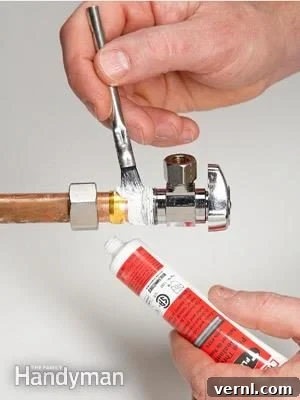
This is the traditional “dope” my plumbing mentor spoke of. It’s a non-hardening compound, often containing Teflon (PTFE) or other inert materials, that comes in a can or tube. It’s applied directly to the threads with a brush or applicator.
- Composition: Look for products that are Teflon (PTFE) based and explicitly labeled as non-hardening. Non-hardening sealants remain pliable over time, allowing for easier disassembly and accommodating minor shifts without cracking the seal.
- Compatibility: READ THE LABEL CAREFULLY! Some older or specialized sealants can react negatively with certain plastics or rubber components, causing them to degrade, crack, or swell. Always ensure the product is compatible with the materials you are working with (e.g., PVC, CPVC, ABS, galvanized steel, copper, brass). Products like Rectorseal’s T Plus 2 are highly regarded for their versatility and compatibility with a wide range of materials, including metals and plastics, and are suitable for water, air, and natural gas lines.
- Advantages: Excellent at filling gaps, provides lubrication, allows for slight adjustments after assembly, and generally provides a very robust and long-lasting seal. It’s particularly effective on slightly worn or damaged threads.
- Disadvantages: Can be messier to apply than tape. Some types require specific drying times before pressure testing.
2. PTFE Thread Seal Tape (Teflon Tape)
PTFE (Polytetrafluoroethylene) thread seal tape, commonly known as Teflon tape, is a thin, non-adhesive film that you wrap around pipe threads. It’s clean, easy to use, and a staple in many toolboxes.
- Types: Available in various densities and colors, often indicating specific uses (e.g., white for general plumbing, yellow for gas lines, pink for larger diameter water lines).
- Advantages: Very clean to apply, requires no drying time, and provides both sealing and lubrication. It’s excellent for preventing metal-on-metal thread galling.
- Disadvantages: Less effective at filling large gaps or sealing heavily worn threads compared to paste. Can be tricky to apply correctly (e.g., wrapping in the wrong direction or using too little/too much).
Combining Both for Superior Results
For ultimate protection and ease of assembly, many plumbers advocate for using both PTFE tape and a quality thread sealant paste on threaded metal connections. Apply 2-3 wraps of tape first, then apply a thin layer of paste over the tape. This “belt and suspenders” approach leverages the strengths of both products: the tape provides a solid base and additional lubrication, while the paste ensures all microscopic voids are filled.
Step-by-Step Guide to Applying Pipe Thread Sealant
Correct application is crucial for an effective seal. Follow these steps:
- Clean the Threads: Before applying any sealant, ensure the threads on both the male and female fittings are clean and free of dirt, debris, grease, or old sealant. Use a wire brush if necessary for metal threads.
- For PTFE Thread Seal Tape:
- Hold the male pipe thread with one hand.
- Starting two threads back from the end of the pipe, wrap the tape in the same direction as the threads will turn when tightening (clockwise for right-hand threads). This ensures the tape doesn’t unravel as you assemble the fitting.
- Overlap each wrap slightly. For most home plumbing, 3-5 wraps are sufficient. For gas lines or larger diameters, you might use more.
- Tear the tape cleanly and press the end firmly onto the threads.
- For Pipe Thread Sealant Paste (“Dope”):
- Apply a generous, even coat of paste to the male pipe threads. If using tape, apply the paste over the tape.
- Ensure the sealant covers all visible threads, but avoid applying it to the very first thread at the end of the pipe. This prevents excess sealant from being pushed into the pipe and potentially contaminating the system or blocking flow.
- Use the brush applicator (often found in the lid) or a small, clean brush.
- Assemble the Connection: Carefully start threading the male fitting into the female fitting by hand. The sealant should provide lubrication, making it easy to start.
- Tighten Securely: Once hand-tight, use appropriate wrenches to tighten the connection. Follow manufacturer guidelines for torque if available, especially for plastic fittings. Avoid over-tightening, particularly with plastic, as this can crack the fitting. For most metal connections, tighten until snug and then a quarter to half turn more, or until the connection feels firm and secure.
- Wipe Away Excess: Clean any excess sealant from the outside of the joint.
- Test for Leaks: After all connections are made, turn on the water (or gas, with extreme caution and proper testing methods) and inspect for leaks. For water, check immediately and then again after a few hours. For gas, use a soap and water solution to check for bubbles.
Common Mistakes to Avoid
Even with the best intentions, mistakes can happen. Be mindful of these common pitfalls:
- Not Cleaning Threads: Old sealant, dirt, or metal shavings can compromise the new seal.
- Applying Tape in the Wrong Direction: If wrapped counter-clockwise on a right-hand thread, the tape will unravel as you tighten the fitting.
- Using Too Little or Too Much Sealant: Too little won’t seal; too much can make assembly difficult or squeeze into the pipe, potentially causing clogs or contamination.
- Using Incompatible Sealant: Always check the label for material compatibility (e.g., some sealants are not safe for plastics like PVC or CPVC, or for potable water systems).
- Over-tightening: This can strip threads, crack fittings (especially plastic), or deform washers, leading to leaks instead of preventing them.
- Not Waiting for Cure Time (if applicable): Some specific types of sealants might require a cure time before pressure testing. Always check the product instructions.
Final Thoughts: Embrace the Dope
The simple act of consistently applying pipe thread sealant is a mark of a diligent plumber. It transforms a potentially problematic connection into a reliable, long-lasting one. The wisdom from that old plumber, dispensing gems like a Pez dispenser, truly holds universal value: “Always dope everything.” Embrace this practice, and you’ll find your plumbing projects run smoother, last longer, and remain leak-free. It’s a small step that yields monumental results in the world of DIY and professional plumbing alike.
By investing a little extra time and using the right sealant, you’re not just preventing leaks; you’re building confidence in your work and ensuring the longevity of your home’s plumbing infrastructure.
– Gary Wentz, Senior Editor
Further Plumbing Resources from The Family Handyman:
- How to Glue and Join PVC Plastic Pipe
- Fix a Water Shutoff Valve Leak
- Common Plumbing Problems You Can Fix Yourself
- How to Replace a Faucet