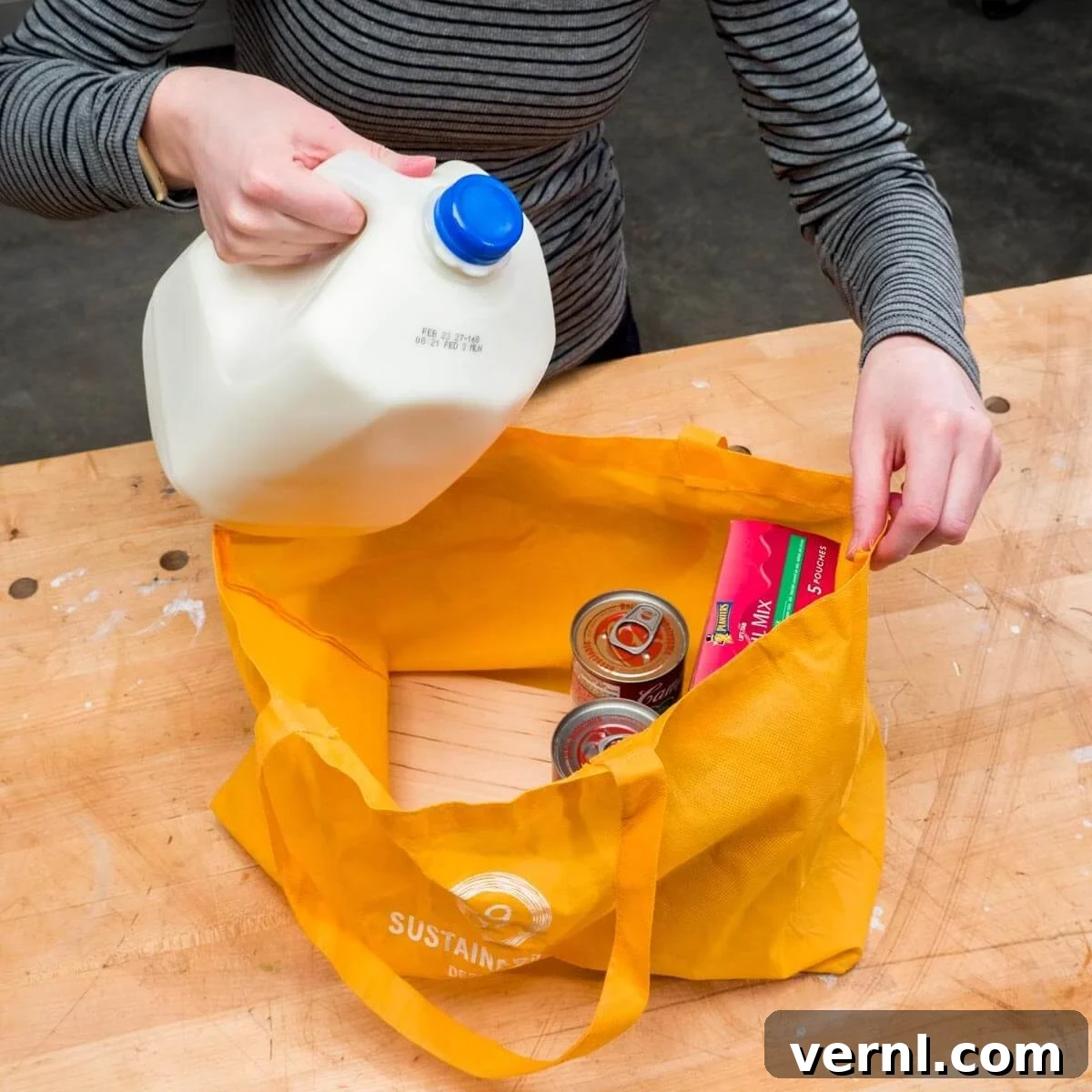
Unlock Unmatched Durability: Supercharge Your Reusable Grocery Bags with a Simple DIY Upgrade
In an increasingly environmentally conscious world, reusable grocery bags have become an indispensable part of our daily lives. They are a powerful symbol of our commitment to reducing plastic waste and embracing sustainable living. However, even the most well-intentioned efforts can be undermined by a common frustration: bags that rip, sag, or collapse under the weight of a heavy load of groceries. Have you ever experienced the disappointment of a flimsy bag giving way, spilling your carefully chosen items across the parking lot or kitchen floor? It’s a common dilemma that leads to wasted time, potential damage, and ultimately, a premature end for your eco-friendly bags.
The standard thin plastic or cardboard inserts often found at the bottom of many reusable bags offer minimal support. They are prone to cracking, bending, and eventually disintegrating, leaving your bag unstable and vulnerable. This constant struggle can discourage even the most dedicated environmentalist. But what if there was a simple, cost-effective, and incredibly sturdy solution to transform your flimsy bags into robust, reliable carriers capable of handling anything you throw at them?
We’ve discovered the perfect, ingenious answer to this persistent problem – a simple DIY hack that will not only extend the life of your reusable grocery bags but also significantly enhance their functionality and stability. Get ready to bid farewell to ripped seams and spilled produce, and say hello to a new era of dependable grocery hauling!
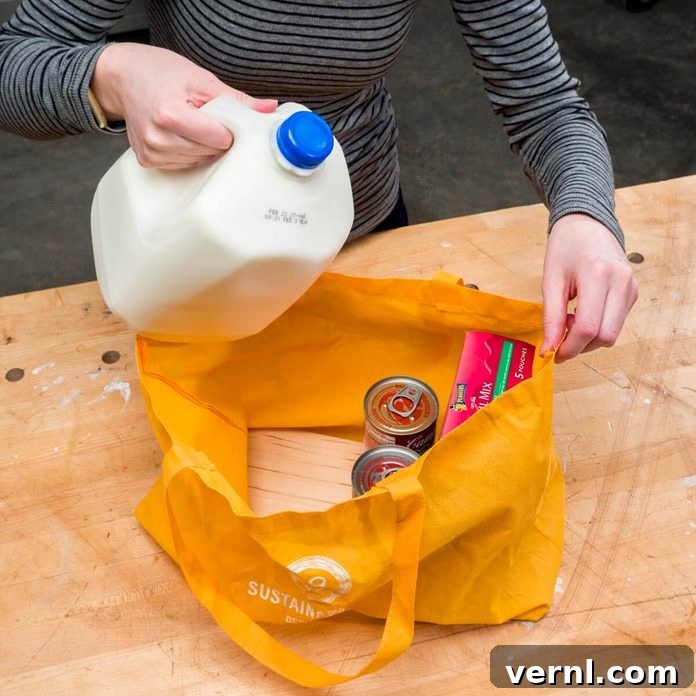
The Ultimate DIY Upgrade: Reinforce Your Reusable Bags with Plywood
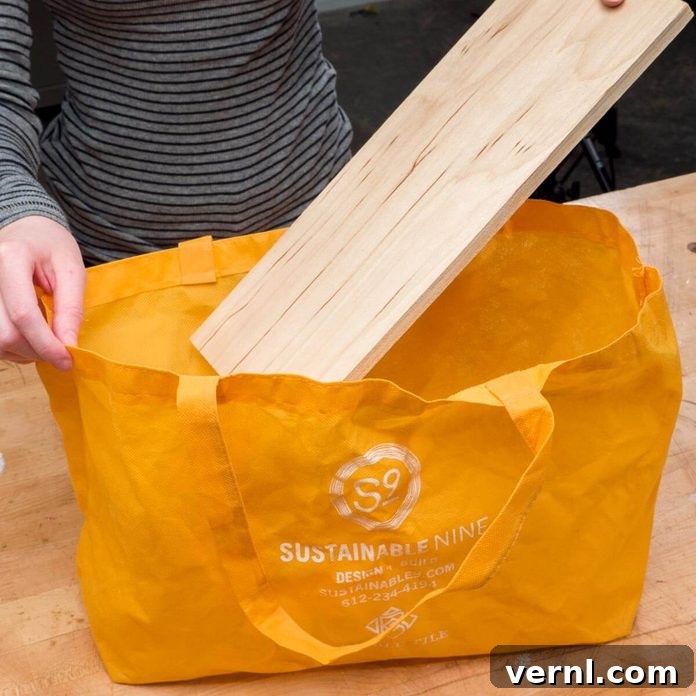
The secret to transforming your reusable bags into heavy-duty champions lies in replacing their inadequate base support with a custom-cut piece of plywood. This straightforward modification provides unparalleled stability, distributing weight evenly and preventing the bag from buckling or tearing, even with the heaviest hauls. Imagine confidently loading your bag with gallons of milk, weighty canned goods, or an abundance of fresh produce, knowing that the sturdy foundation will hold everything securely in place. This isn’t just a repair; it’s a significant upgrade that breathes new life into your existing bags, saving you money and further reducing waste.
Step-by-Step Guide: Crafting Your Durable Plywood Base
This project is incredibly simple and requires only a few basic tools, making it perfect for beginners and seasoned DIY enthusiasts alike. You’ll be amazed at how quickly you can complete this impactful upgrade.
- Gather Your Materials: You’ll need a scrap piece of plywood. The thickness isn’t critical, but anything from 1/4 inch (6mm) to 1/2 inch (12mm) will work perfectly. Thicker plywood offers more rigidity but will also be slightly heavier. You’ll also need a measuring tape, a pencil, a saw (a jigsaw, circular saw, or even a hand saw will suffice), and optionally, some sandpaper for smoothing the edges.
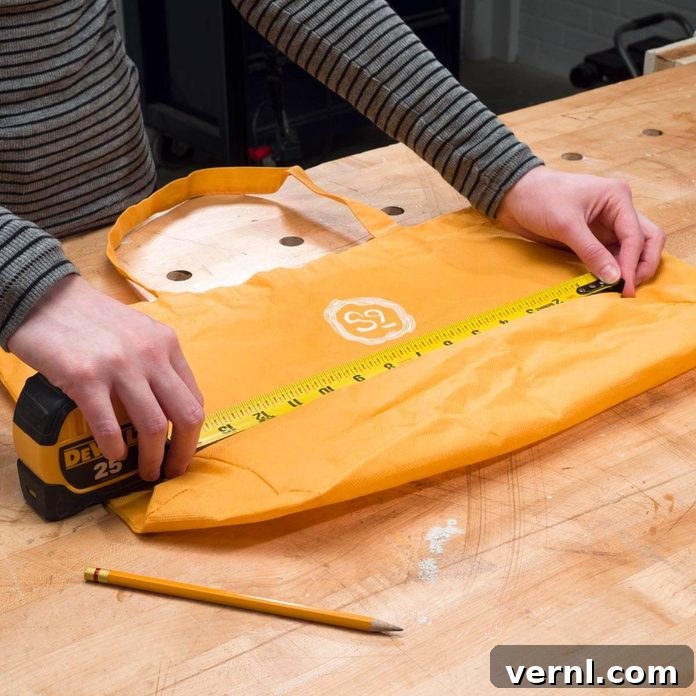
- Prepare Your Bag: First, remove the existing flimsy plastic or cardboard insert from the bottom of your reusable grocery bag. This will be your template for measurements.
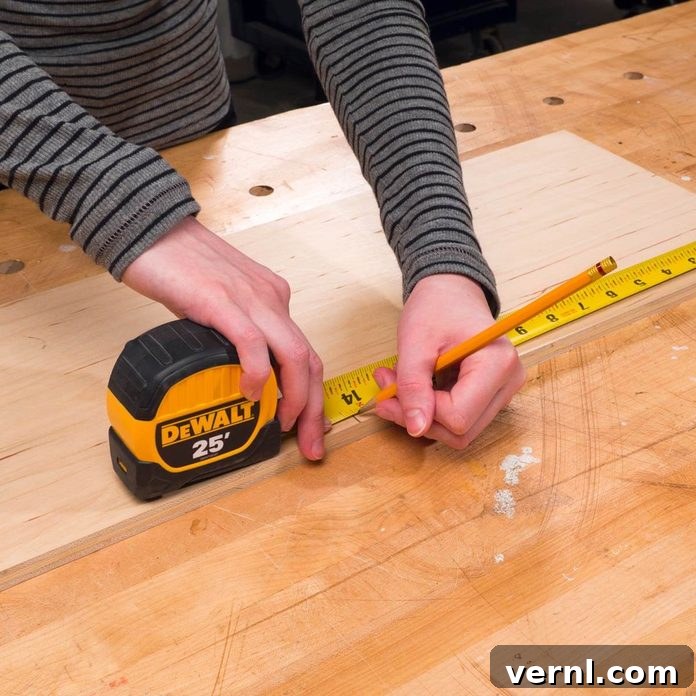
- Measure with Precision: Carefully measure the length and width of the bag’s base, or alternatively, measure the existing insert if it’s still intact. It’s crucial to get accurate dimensions so your new plywood base fits snugly. Double-check your measurements to avoid cutting errors. Remember, a tight fit is ideal for maximum stability.
- Mark the Plywood: Using your pencil and measuring tape, transfer these precise dimensions onto your scrap piece of plywood. Draw clear lines to guide your cut.
- Make the Cut: Carefully cut along your marked lines using your chosen saw. Always prioritize safety when using power tools. If you’re using a hand saw, take your time to ensure a straight cut.
- Smooth the Edges (Optional but Recommended): Once cut, the edges of the plywood might be a bit rough or sharp. Use sandpaper to smooth these edges. This step is important not only for safety (preventing splinters) but also to protect the interior lining of your reusable bag from abrasion.
- Insert Your New Base: Finally, place your newly cut and sanded plywood piece into the bottom of your reusable grocery bag. Wiggle it into place to ensure it sits flat and fills the entire base area. You’ll immediately notice the significant difference in stability and firmness.
Beyond Durability: The Multifaceted Benefits of a Plywood Base
While extended bag life is a primary benefit, the advantages of a plywood base extend far beyond mere durability:
- Superior Stability: The rigid plywood base prevents the bag from slumping or collapsing, keeping your items upright and organized. This is particularly useful for delicate produce, milk cartons, or awkwardly shaped items that tend to shift.
- Even Weight Distribution: A solid base distributes the weight of your groceries more evenly across the entire bottom of the bag. This reduces stress points on the fabric and seams, which are typically where bags first begin to fail.
- Enhanced Carrying Comfort: With a stable base, the bag maintains its shape, making it more comfortable to carry, especially when full. The weight feels more balanced, reducing strain on your hands and shoulders.
- Protection for Contents: Your groceries are better protected from crushing or bruising when they have a firm foundation. No more squashed bread or bruised fruit from unstable bags!
- Cost-Effective and Eco-Friendly: By making your existing bags last significantly longer, you reduce the need to purchase replacements, saving money in the long run. Furthermore, utilizing a scrap piece of plywood for this project is a wonderful example of upcycling and minimizing waste.
- Easy Cleaning: The plywood can be easily removed for cleaning the bag, or simply wiped down if it gets soiled.
Maximizing Your Reusable Bag’s Lifespan: Beyond the Base
While the plywood base is a game-changer, integrating a few other best practices into your routine can further extend the life and utility of your reusable bags:
- Smart Packing Techniques: Always place heavier, more robust items (like canned goods or liquids) at the bottom of the bag. Lighter, more delicate items (like bread, eggs, or berries) should go on top. Distribute weight as evenly as possible across multiple bags if your load is particularly heavy.
- Regular Cleaning: Reusable bags, especially those used for groceries, can harbor bacteria and odors over time. Wash your bags regularly according to their care instructions. Many fabric bags can be machine washed; for sturdier materials, a wipe-down with disinfectant wipes or a damp cloth might suffice. Ensure they are completely dry before storage to prevent mold and mildew.
- Proper Storage: Store your bags in a clean, dry, and easily accessible place. Folding them neatly can prevent unnecessary wear and tear on the fabric and keeps them ready for your next shopping trip. Consider keeping a few in your car for spontaneous errands.
- Avoid Overfilling: Even with a sturdy base, overfilling your bag beyond its capacity can strain the handles and seams. Be mindful of the bag’s structural limits to prevent premature damage.
Embrace the DIY Spirit: More Than Just a Grocery Bag
This simple modification to your grocery bags is more than just a practical upgrade; it’s an invitation to embrace the rewarding world of DIY projects. There’s immense satisfaction in creating something useful with your own hands, especially when it contributes to a more sustainable lifestyle. Using a piece of scrap plywood to solve a common household problem exemplifies the spirit of resourcefulness and practical craftsmanship.
If this quick and easy project has sparked your interest in simple woodworking or home improvement, you’re in luck! Many other beginner-friendly projects can be tackled with minimal tools and experience. From simple shelves to custom organizers, the possibilities are vast and incredibly fulfilling. Dive into the world of practical creation and discover the joy of making your home more functional and eco-friendly, one project at a time.
In the mood for more simple plywood projects? Here are 19 surprisingly easy woodworking projects for beginners that are perfect for honing your skills and adding practical items to your home.
Conclusion: Build a Greener, Sturdier Future
The journey towards a greener planet starts with small, actionable steps, and making your reusable bags last longer is a significant one. By implementing this simple yet highly effective plywood base upgrade, you’re not just reinforcing a bag; you’re reinforcing your commitment to sustainability, reducing waste, and making your life a little easier and more organized. Say goodbye to the frustrations of flimsy bags and embrace the confidence of carrying your groceries with unwavering support.
This practical DIY solution transforms a common inconvenience into a powerful statement about durability and eco-consciousness. It’s a testament to how a little ingenuity and a scrap piece of wood can make a big difference. So, grab that piece of plywood, make a few cuts, and experience the unparalleled stability and longevity that your improved reusable grocery bags will offer. Your groceries, and the planet, will thank you!