How to Prevent Pests in Your Pantry: A Comprehensive Guide
Discovering pests in your pantry is a homeowner’s nightmare. These unwanted guests, including insects and rodents, can contaminate food supplies, damage property, and create unsanitary conditions. Protecting your pantry from these invaders requires a multi-faceted approach, combining proper food storage, meticulous cleaning practices, and the strategic use of deterrents. This comprehensive guide provides practical tips and expert advice to help you prevent pests in your pantry and maintain a healthy, pest-free home.
Unlike dealing with human intruders, controlling pantry pests involves confronting creatures that can exploit even the smallest vulnerabilities. These opportunistic invaders are drawn to readily available food sources and sheltered environments. By understanding their behavior and implementing effective preventative measures, you can significantly reduce the risk of infestation and safeguard your food supplies.
Store Food in Airtight Containers for Optimal Pest Prevention

The foundation of pantry pest control is proper food storage. Using airtight containers is paramount in preventing pests from accessing your food. As cleaning expert Isabella Flores emphasizes, the type of container is crucial. Insects like weevils and moths can easily penetrate cardboard and paper packaging, gaining access to dry goods like flour and rice.
Flores recommends using glass, metal, or heavy-duty plastic containers to create a robust barrier against pests. Home inspector Ahmed Harhara advises prioritizing glass or metal options. Personal experiences often reinforce expert recommendations; many homeowners have witnessed mice chewing through plastic containers, highlighting the vulnerability of certain materials. Investing in durable, airtight containers is a proactive step towards creating a pest-resistant pantry.
When transferring food into containers, inspect the items carefully for any signs of infestation. This includes checking for small holes, webbing, or the presence of insects or larvae. If you suspect contamination, discard the food immediately to prevent the problem from spreading.
Maintain a Clean Pantry to Deter Pests
Cleanliness is a critical component of pantry pest prevention. Crumbs, spills, and open food packaging attract pests and provide them with a readily available food source. Flores recommends regularly cleaning every surface and corner of your pantry.
Aim to clean your pantry thoroughly at least once a month. This involves removing all items from the shelves and wiping down surfaces with a damp cloth and mild detergent. Pay close attention to corners, edges, and hard-to-reach areas where crumbs and debris tend to accumulate. Vacuuming the pantry floor and shelves is also essential to remove any remaining particles.
Avoid storing trash or garbage cans in the pantry, as these are magnets for rodents and insects. Dispose of food waste promptly and properly to minimize the risk of attracting pests.
Addressing spills and messes immediately is crucial to prevent pests from being attracted to your pantry. The longer food residue sits, the greater the chance of pests discovering it. By maintaining a clean and organized pantry, you reduce the appeal to potential invaders.
Seal Off the Entire Pantry to Block Pest Entry
Even seemingly sealed pantries can have tiny gaps and cracks that provide entry points for pests. Pest expert Nicole Carpenter emphasizes the importance of sealing off the entire perimeter of the pantry, particularly where the walls meet the floor.
Instead of trying to identify and seal every individual gap, focus on creating a comprehensive barrier. Start by thoroughly vacuuming the area along the perimeter of the pantry. Then, apply a thin bead of caulk along the seams where the walls meet the floor and in every corner joint. This will effectively seal off potential entry points and prevent pests from crawling through.
Don’t overlook the pantry door. If you can see light when the door is closed, it indicates that there are gaps that pests can exploit. Install weatherstripping around the door frame and a door sweep at the bottom to create a tight seal and prevent pests from entering.
Regularly inspect the pantry for any new cracks or gaps and promptly seal them to maintain a pest-proof barrier.
Freeze Grains and Flour Before Storing Them
Joseph Passalacqua, owner of a cleaning service, recommends freezing grains and flour before storing them in the pantry. This simple step can eliminate any hidden bugs or eggs that may be present in the packaging.
Place items that you don’t use frequently, such as specialty flours or seeds, in the freezer for about three days before transferring them to the pantry. The freezing process will kill any insects or larvae that may be lurking within the food, preventing them from hatching and causing an infestation.
This preventative measure is particularly effective for foods that are prone to insect infestation, such as grains, flours, and seeds. By freezing these items before storage, you can significantly reduce the risk of introducing pests into your pantry.
Check Storage Boxes for Sneaky Pests
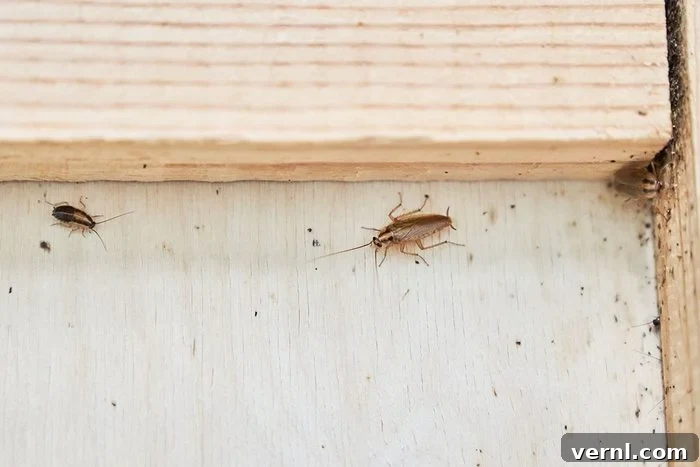
Entomologist Daniel Baldwin warns that pests often hide in boxes containing goods and bulk items. When moving boxes from other areas of your home into the pantry, thoroughly inspect them for signs of pests, such as rodents, cockroaches, or silverfish.
Exercise caution when bringing boxes home from the grocery store. Unpack the boxes, carefully examine the contents, and repack them into pest-proof containers before storing them in the pantry. This will help prevent pests from hitchhiking into your pantry on grocery items.
Cardboard boxes can provide harborage for pests, so consider transferring food items into airtight containers as soon as possible to minimize the risk of infestation.
Avoid Shelf Liners If Possible
While shelf liners may seem like a convenient way to protect your pantry shelves, they can actually create a hidden breeding ground for pests. Baldwin explains that crumbs, dead insects, and other debris can accumulate under shelf liners, providing a tasty buffet for pests.
If you choose to use shelf liners, opt for smooth, non-textured options. Textured liners can trap crumbs and provide pests with quiet hiding places to lay eggs. Smooth liners are easier to clean and allow you to quickly spot dirt and debris.
Regularly lift and clean under shelf liners to remove any accumulated debris and prevent pests from establishing themselves.
Get Rid of Contaminated Food Immediately
If you discover a pantry infestation, such as pantry moths, it is crucial to discard all contaminated food immediately. Pest control expert Scot Hodges advises carefully inspecting all food items that are not stored in sealed cans or jars, including pet food, unopened products, spices, and seasoning packs.
Pantry moth larvae can chew through boxes, plastic bags, foil packaging, seed hulls, and nutshells. Once you have removed all contaminated food, thoroughly clean the infested area with a vacuum, soap, and water.
Proper disposal of contaminated food is essential to prevent the infestation from spreading. Seal the contaminated items in a plastic bag and dispose of them in an outdoor trash can.
Keep the Pantry Dry to Discourage Pests
In addition to food, pests also need water to survive. If they find moisture in your pantry, it can be enough to keep them coming back. Harhara emphasizes that moisture softens packaging and accelerates food spoilage, which attracts insects quickly.
If you have a moisture problem in your pantry, improve ventilation by opening windows or using a fan. Consider deploying a dehumidifier or moisture absorber to reduce humidity levels.
Address any leaks or plumbing issues promptly to eliminate water sources that attract pests.
Try Natural Deterrents to Repel Pests
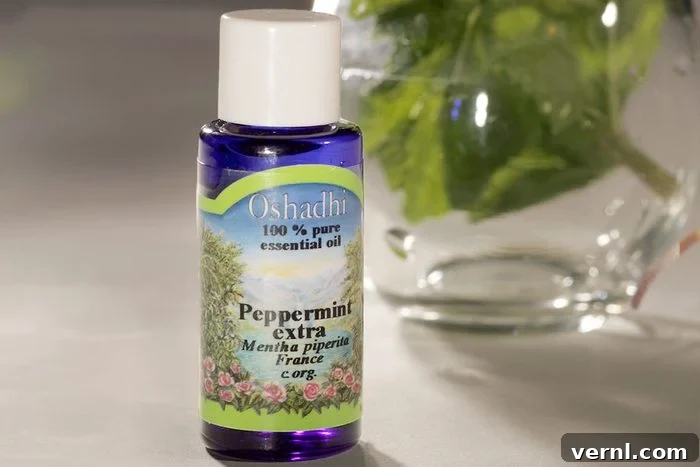
Several natural deterrents can help prevent pests in the pantry without the use of harmful chemicals. Peppermint oil is a popular choice, as it is non-toxic and creates an environment that pests, especially rodents, find unpleasant. Baldwin recommends mixing a few drops of peppermint oil with water in a spray bottle and spraying the solution wherever you see pest activity. You can also soak cotton balls with the mixture and spread them around the pantry.
Lavender is another effective natural deterrent. Flores suggests placing a few bay leaves in containers of rice, flour, or grains to keep pantry bugs away.
For mice, try spraying a 50-50 solution of vinegar and water along the baseboards. Baldwin notes that a vinegar-treated pantry can feel confusing and inhospitable to mice, often deterring them from entering.
Deploy Live Traps for Rodents as a Humane Solution
Despite your best efforts, mice may still find their way into your pantry. One humane approach to dealing with them is to deploy live traps baited with peanut butter along the baseboards. When you catch a mouse, release it in a remote location, such as a state park, several miles away.
Baldwin recommends wearing gloves when handling the trap to minimize scent transfer and protect yourself from germs or bites, as mice can pose health risks.
Use Bug Traps for Flying Insects
Live traps are ineffective for catching flying insects such as fruit flies, gnats, moths, or mosquitoes. Sticky traps and light traps are better suited for this purpose. A sticky trap is simply a piece of sticky paper that captures small insects that land on it when placed on a surface or hung from a wall. A light trap attracts bugs with a soft UV light when plugged into a wall outlet. Neither type uses insecticides and both are safe to use around food.
About the Experts
- Isabella Flores is a professional organizer and Cleaning Expert at Sparkly Maid San Diego.
- Ahmed Harhara, PhD. is an engineer and the Founder of Houston Home Tools — a data platform that helps residents understand neighborhood-level environmental and housing risks.
- Nicole Carpenter is the President of Black Pest Prevention, a company that helps with pest control in Charlotte and serves both North and South Carolina.
- Joseph Passalacqua is the CEO of Maid Sailors Cleaning Service, which operates in New York City.
- Daniel Baldwin is an entomologist with over two decades of experience. He’s the current Vice President of Technical & Training Services at Hawx Pest Control.
- Scot Hodges is the Vice President of Professional Development and Technical Services at Arrow Exterminators, which operates throughout the Southern U.S.
Related Articles
- The Real Reason Aluminum Foil Has a Shiny Side and a Dull Side
- Think Adirondack Chairs Are Uncomfortable? You’re Using Them Wrong
- Why You Shouldn’t Crush Aluminum Cans Before Recycling