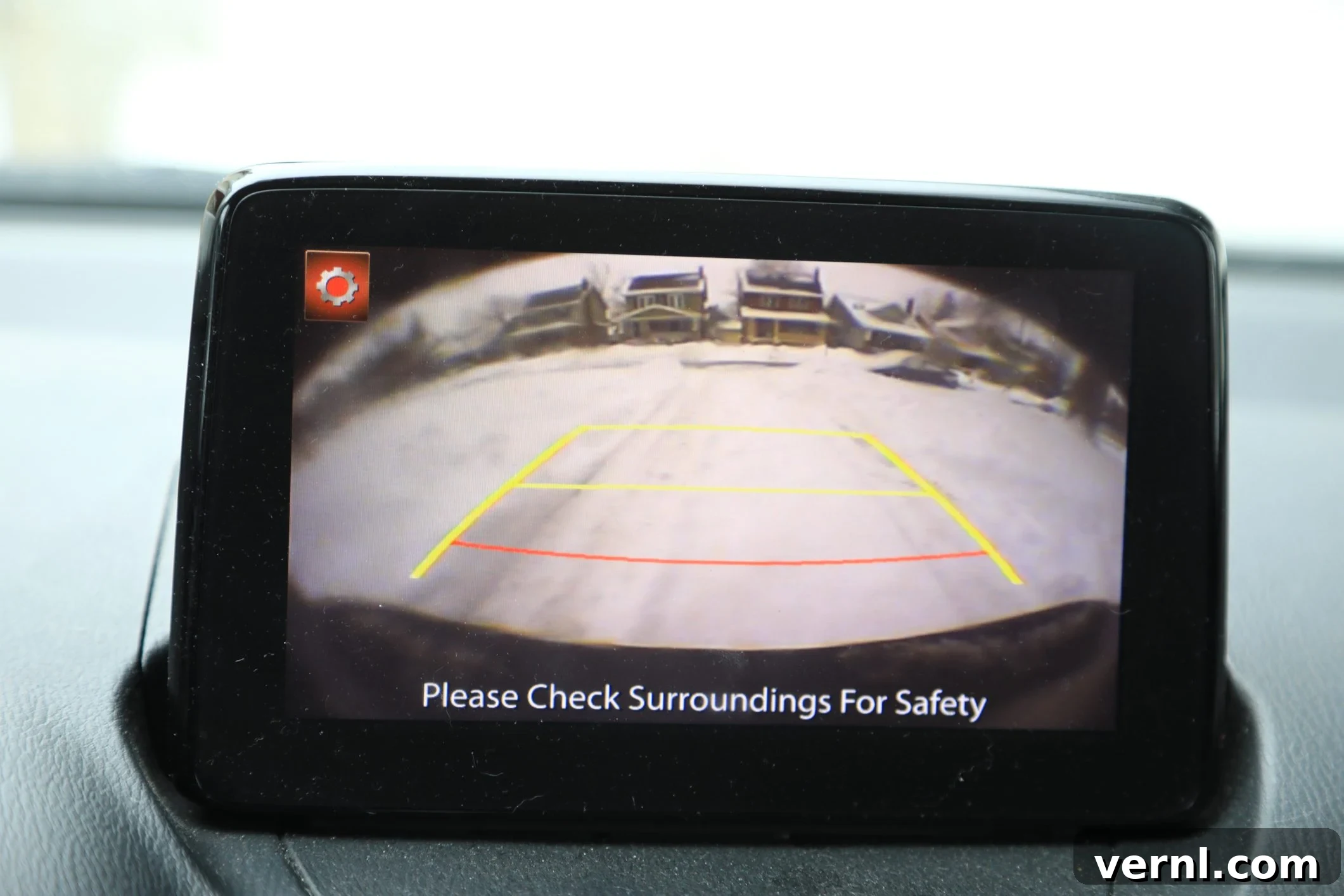
Modern driving environments are more complex and demanding than ever, with bustling parking lots, crowded driveways, and tight urban spaces posing constant challenges. In response, automotive technology has evolved, offering sophisticated features designed to enhance safety and ease of maneuverability. Among these innovations, the backup camera stands out as a crucial tool, providing drivers with an expanded view of the area directly behind their vehicle—a region often obscured from traditional rearview mirrors. This technology aims to mitigate the dangers associated with blind spots, making everyday driving tasks like parking and backing up significantly safer.
However, the integration of technology into driving also raises important questions about its true impact on safety. While backup cameras undeniably offer a clearer perspective of hazards low to the ground or directly behind the vehicle, they are not infallible. Objects outside their specific range or certain environmental conditions can still pose threats. A truly safe driving approach necessitates a holistic strategy, combining the enhanced visibility of a backup camera with the tried-and-true methods of checking rearview mirrors and physically turning one’s head. This integrated approach ensures drivers can spot potential obstacles—from small children and pets to curbs and concrete parking blocks—before engaging gear and moving.
But how safe are backup cameras, really? Are they a complete solution, or merely an aid? To provide a comprehensive answer, we’ve gathered insights from experienced professionals in driver education, insurance, and legal fields. Join us as a certified driver education instructor, an insurance expert, and an attorney weigh in on the effectiveness and limitations of backup cameras, helping you understand how to maximize their safety benefits.
What Is a Backup Camera?
A backup camera, often referred to as a rearview camera, is an integral video system designed to assist drivers when reversing. Typically comprising one or more cameras strategically mounted on the rear of a vehicle, this system captures a live video feed of the area directly behind the car. This footage is then projected onto a video screen, commonly located within the dashboard’s infotainment system or integrated into the rearview mirror. The primary function of a backup camera is to provide a broader and lower perspective than traditional mirrors, effectively reducing blind spots and enhancing the driver’s awareness of their immediate surroundings while reversing.
These cameras often feature wide-angle lenses to maximize the field of view, and many modern systems include dynamic guidelines that overlay onto the video feed, indicating the vehicle’s projected path based on steering wheel input. This visual aid is invaluable for precise maneuvering in tight spaces. According to Steven Norman, a certified driver education instructor, the benefit is clear: “[A backup camera] improves safety by providing a clearer view of the area where you are backing that might not be visible through mirrors alone.” This technology offers a crucial visual extension, particularly for objects positioned low to the ground or directly behind the vehicle’s bumper, which are frequently out of sight in conventional mirrors.
Does Every Car Have a Backup Camera?
The presence of a backup camera in a vehicle depends significantly on its manufacturing year. For many older cars produced prior to 2018, backup cameras were often an optional feature or might not have been available at all. However, recognizing their substantial safety benefits in reducing fatalities and injuries from low-speed back-over incidents, numerous automotive manufacturers began voluntarily integrating backup cameras into their vehicle fleets years before any official mandate. This proactive adoption underscored the technology’s perceived value in enhancing driver awareness and preventing accidents.
A pivotal shift occurred with the implementation of government regulations. As a direct result of these safety concerns, all new vehicles sold in the United States built after May 1, 2018, are legally required to come equipped with a rearview camera system as standard equipment. This mandate applies to vehicles with a gross vehicle weight of less than 10,000 pounds, ensuring that a vast majority of passenger cars, light trucks, and SUVs now feature this crucial safety technology right off the production line. Consequently, if you are purchasing a modern vehicle manufactured in recent years, you can expect a backup camera to be an integrated and standard feature.
Are Backup Cameras Safer Than the Rearview Mirror?
The question of whether backup cameras are inherently “safer” than rearview mirrors often leads to a common misconception. The reality, as experts emphasize, is that neither technology is superior in isolation; rather, they serve distinct yet complementary safety purposes. Erika Tortorici, owner of Optimum Insurance Solutions, succinctly states, “Both backup cameras and rearview mirrors serve important safety purposes, and neither should be used in isolation.” She further elaborates, “Rearview mirrors give drivers a broad view of traffic and movement behind the car,” providing essential context for surrounding traffic flow and objects at a greater distance.
Steven Norman, the driver education instructor, echoes this sentiment, acknowledging that “Backup cameras are an excellent safety feature, but are not foolproof.” While they excel at eliminating specific blind spots directly behind the vehicle and showing low-lying objects that mirrors might miss, their field of view is typically narrower and their perspective can sometimes distort distances. Norman stresses that while cameras significantly aid in spotting immediate obstacles, “they should never be relied upon as the only way to check your surroundings before moving.” The broad, real-time peripheral vision offered by physical mirrors, combined with a driver’s direct head turns, provides a comprehensive situational awareness that no single technological aid can fully replicate. Therefore, the safest approach involves actively using both tools in conjunction.
Backup Camera Safety Pros and Cons
Backup cameras represent a significant leap in automotive safety technology, but like any feature, they come with a distinct set of advantages and disadvantages. Understanding these can help drivers use them more effectively and maintain a safe driving posture.
Pros
- Significantly Reduces Blind Spots: Backup cameras offer an invaluable perspective directly behind the vehicle, an area notoriously difficult to see with traditional mirrors alone. This wider and lower field of view helps in identifying potential obstacles such as small children, pets, bicycles, or even low-lying structures like curbs, parking blocks, and bollards, which are often completely invisible from the driver’s seat. This clear visibility plays a crucial role in preventing rear-end collisions and low-speed back-over accidents.
- Facilitates Maneuvering in Tight Spaces: Parking, especially parallel parking or navigating crowded garages, can be a source of stress for many drivers. Backup cameras provide a precise visual aid, allowing drivers to gauge distances more accurately and align their vehicles with greater ease. This precision minimizes the risk of scrapes, dents, and minor collisions when maneuvering into challenging spots.
- Prevents Accidents Involving Small Objects and Vulnerable Road Users: One of the most critical advantages of backup cameras is their ability to detect objects that are low to the ground or small enough to escape detection by mirrors. This includes small children who might wander behind a vehicle, pets, or even toys, dramatically reducing the potential for tragic accidents.
- Simplifies Trailer Hitching and Alignment: For vehicles equipped with specific features, backup cameras can be indispensable for towing. Many systems offer a dedicated view or guidelines that make aligning a trailer hitch with the vehicle’s ball significantly easier and safer, eliminating the need for external spotters and reducing frustration.
- Empirical Evidence of Crash Reduction: Extensive research and data, including studies by the Insurance Institute for Highway Safety (IIHS), consistently demonstrate that backup cameras have a tangible impact on reducing the number of police-reported backing crashes. This statistical evidence underscores their effectiveness as a safety feature.
- Integration with Advanced Driver Assistance Systems (ADAS): In newer vehicles, backup cameras are frequently integrated into more sophisticated Advanced Driver Assistance Systems. This can include features like 360-degree surround-view cameras, cross-traffic alerts, and even self-parking capabilities. These integrated systems provide a comprehensive understanding of the vehicle’s immediate environment, further enhancing parking precision and overall maneuvering safety.
Cons
- Risk of Overdependence: Perhaps the most significant drawback is the potential for drivers to become overly reliant on the camera. This can lead to a dangerous habit of neglecting traditional safety checks, such as physically turning their heads, checking all mirrors, and scanning their surroundings. Overdependence can result in missed hazards that fall outside the camera’s view.
- Limited Field of View: While backup cameras expand visibility, they do not offer an all-encompassing view. They are typically focused on the area directly behind the vehicle, meaning objects approaching from the sides or those outside the camera’s specific wide-angle lens can still be missed. This limitation highlights the need for a multi-faceted approach to checking surroundings.
- Susceptibility to Malfunctions and Obstructions: Like any electronic component, backup cameras are subject to malfunctions. Furthermore, their exposed mounting location makes them vulnerable to dirt, mud, snow, ice, rain, or physical damage (cracks, misalignment). Any of these conditions can lead to distorted, blurry, or completely obscured images, rendering the system unreliable and potentially misleading.
- Potential for False Sense of Confidence: The clear, digital display provided by a backup camera can sometimes instill a false sense of security in drivers. This overconfidence might lead to taking unnecessary risks, misjudging distances, or performing maneuvers too quickly, ultimately resulting in dangerous driving decisions that could have been avoided with a more cautious, comprehensive assessment of the environment.
Is It Safe to Only Use the Backup Camera?
“No,” firmly states Steven Norman, emphasizing a crucial point about driver safety. He elaborates, “You lose overall situational awareness when only using the backup camera, that’s why it’s essential for drivers to turn their heads, check their mirrors and check the backup camera feed before moving.” Attorney William Pemberton of Pemberton Personal Injury Law Firm reinforces this, stating, “Using these tools in conjunction (camera and mirrors) with one another can help you potentially avoid a tragedy.” The consensus among experts is clear: backup cameras are powerful aids, but they are not substitutes for comprehensive driver vigilance. Here are the key factors explaining why relying solely on a backup camera is unsafe and why it should always accompany, rather than replace, time-honored safety checks:
- Limited Field of View: Even the most advanced backup cameras, boasting wider viewing angles, cannot capture everything happening around your vehicle. Their focus is primarily on the immediate rear. Objects rapidly approaching from the sides, children running into the periphery, or obstacles just outside the camera’s specific range can be completely missed. This narrow perspective inherently restricts a driver’s comprehensive understanding of their dynamic environment.
- Dirty or Obstructed Camera Lenses: Backup cameras are exposed to the elements. Dirt, mud, road salt, snow, ice, or even simple condensation can easily cover the lens, rendering the image blurred, obscured, or entirely useless. Physical damage, such as a crack or a misaligned lens from a minor bump, can also distort the view. In such scenarios, relying solely on a compromised camera feed can lead to dangerous misjudgments.
- Adverse Environmental Conditions: The performance of a backup camera can be significantly degraded by various environmental factors. Low light conditions, heavy rain, dense fog, or even direct sunlight glaring into the lens can cause the camera to produce a dim, blurred, indistinct, or washed-out image. This reduced visual clarity makes it challenging to accurately identify obstacles, gauge distances, and react appropriately.
- Inability to Track All Moving Objects: While some sophisticated backup camera systems incorporate cross-traffic alerts, many standard cameras do not actively track movement beyond their immediate field of view or provide auditory warnings. This means a pedestrian suddenly stepping behind your car from the side, a child darting into the driveway, or another vehicle pulling into your path might not be noticed in time if you are exclusively focused on the screen.
- Potentially Deceptive Guidelines: The on-screen guiding lines, while helpful, can sometimes be misleading. Static guidelines do not account for steering angle and can give a false sense of security. Even dynamic guidelines, which adjust with steering input, require drivers to understand their limitations and how they relate to the actual vehicle position. Misinterpreting these lines, especially in complex situations, can lead to misjudging distances and unintended contact with obstacles.
- Electronic Component Reliability: Despite being a fantastic safety feature, a backup camera is ultimately an electronic component system. Like any technology, it is susceptible to unexpected failures, glitches, or complete breakdowns. Software bugs, wiring issues, sensor malfunctions, or even a simple fuse blow can cause the system to stop working without warning. In such a scenario, a driver solely dependent on the camera would be left without their primary reversing aid, underscoring the critical need for traditional safety checks.
FAQ
When did backup cameras become mandatory?
The U.S. Department of Transportation’s National Highway Traffic Safety Administration (NHTSA) officially enacted a federal regulation requiring all new vehicles built after May 1, 2018, with a gross vehicle weight of less than 10,000 pounds, to be equipped with rear backup cameras. This mandate was established to expand a driver’s view of their surroundings, particularly the critical “blind zone” directly behind the vehicle, with the goal of reducing injuries and fatalities from back-over accidents.
Will installing a backup camera lower my insurance?
“Probably not,” states Erika Tortorici. She clarifies, “Installing a backup camera, especially an aftermarket one, won’t typically lower your insurance premium directly.” Most insurers do not consider a backup camera as a standalone safety feature that qualifies for a premium discount in the same way an anti-lock braking system or advanced collision avoidance might. However, Attorney William Pemberton adds a valuable perspective: “While backup cameras reduce the risk of minor accidents, adding one can help you uphold your safe driving record, which over the years could help prevent premium increases.” By actively mitigating the risk of minor parking mishaps or low-speed collisions, a backup camera indirectly contributes to maintaining a clean driving history, which is a key factor in insurance rates.
Experts
Steve Norman, M.Ed., has dedicated over 15 years to teaching driver’s education in both public and private sectors. He holds certifications from the Pennsylvania Department of Education (PDE) and the Pennsylvania Department of Transportation (PennDOT) as a classroom and behind-the-wheel driving instructor, in addition to being a certified driver’s license examiner. Steve currently teaches physical education at Manavon Elementary School within the Phoenixville Area School District. (Phone interview, June 8, 2025)
Erika Tortorici is the esteemed founder, owner, and principal of Optimum Insurance Solutions. With over 12 years of extensive experience in the insurance industry, Erika has built her Hamilton, MA-based firm on a foundation of providing personalized coverage, ensuring transparency, and fostering long-term client relationships, moving away from impersonal, one-size-fits-all policies. (Electronic communication, June 4, 2025)
Attorney William M. Pemberton completed his undergraduate studies at the University of Wisconsin La Crosse in 2001 and earned his Juris Doctor from Marquette University Law School in 2003. Admitted to the State Bar of Wisconsin in 2004, he initially accepted a position at an insurance defense law firm in Milwaukee, WI, before establishing the Pemberton Personal Injury Law Firm. (Electronic communication, June 5, 2025)
Resources
- Laura Longero: Executive Editor, CarInsurance.com at CarInsurance.com
- Insurance Institute for Highway Safety (IIHS): “Advanced driver assistance”
- SAE: “NHTSA mandates rearview camera technology”
- The Office of the Federal Register (OFR) of the National Archives and Records Administration (NARA): “Federal Motor Vehicle Safety Standards; Rear Visibility”
- U.S. Department of Transportation, National Highway Traffic Safety Administration: “Driver Assistance Technologies”