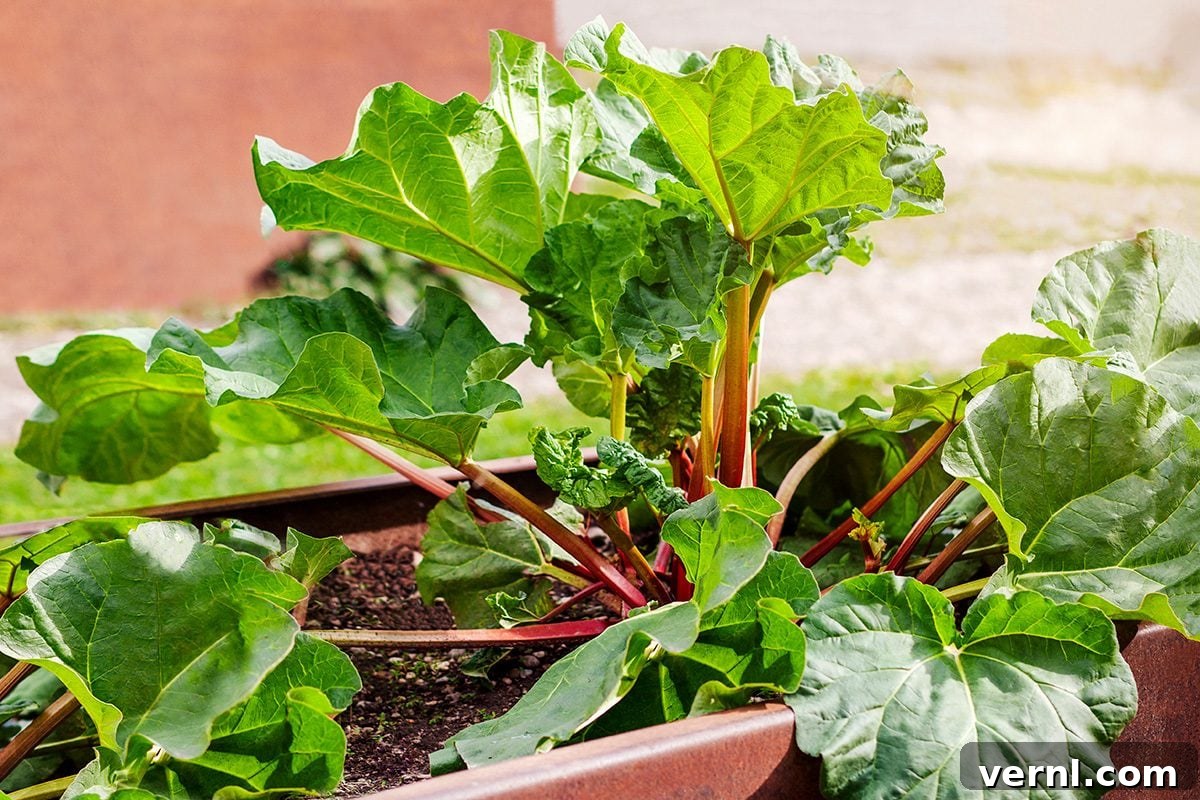
Rhubarb is truly one of nature’s most generous gifts to the home gardener. This remarkable perennial vegetable, often celebrated for its tart, tangy stalks, transforms from a humble crown into a prolific producer that can yield delicious harvests for a decade or even longer once established. Its vibrant, oversized dark green leaves and strikingly colorful stalks not only promise culinary delights but also add a touch of dramatic beauty and architectural interest to any garden space. Beyond its aesthetic appeal and gastronomic versatility, rhubarb stands out for its resilience; it’s remarkably resistant to most common pests and diseases, thrives robustly in cooler climates, and generally demands minimal care, making it an ideal candidate for both novice and experienced gardeners seeking a rewarding, low-maintenance crop.
My personal journey with rhubarb began unexpectedly when I moved into my first home. The previous owner had cultivated a thriving vegetable garden, and among its many treasures was a robust rhubarb patch. As the first sprouts of spring emerged, signaling the start of the growing season, my neighbor, a seasoned gardener, patiently guided me through the proper harvesting techniques. To my surprise, the method she demonstrated was entirely different from what I had envisioned, yet it was simple, efficient, and clearly designed to ensure the plant’s long-term health.
This experience underscored the importance of learning the correct approach to rhubarb cultivation and harvesting. To help you achieve a similarly bountiful and sustainable harvest, we’ve gathered expert insights from Laura Irish-Hanson, a respected Extension Horticulture Educator with the University of Minnesota Extension. Her advice will illuminate the best practices for nurturing your rhubarb plant and harvesting its delectable stalks for years to come.
When to Harvest Rhubarb: Timing Your Bountiful Yield
Patience is a virtue, especially when it comes to rhubarb. If you’ve just planted your rhubarb this year or even last year, it’s crucial to resist the temptation to harvest. The golden rule is to wait until the plant reaches its third growing season before attempting a full harvest. This waiting period isn’t merely a suggestion; it’s a vital stage for the plant’s development. “This gives the plant time to photosynthesize as much as possible, putting the energy into the crown, so it becomes well-established,” explains Laura Irish-Hanson. During these crucial initial years, the plant focuses its energy on developing a strong, deep root system and a robust crown, which are essential for its longevity and prolific future production. Premature harvesting can significantly weaken a young plant, potentially stunting its growth or even leading to its demise.
Once your rhubarb enters its third season, begin to observe your plant closely for definitive signs of readiness. The primary indicator is the size of its leaves. “You can start actively harvesting from rhubarb as soon as the leaves are at or near full-size,” Irish-Hanson advises. This typically means the leaves will span between 18 and 24 inches wide, signifying that the stalks beneath are mature enough to be picked. In most temperate climates, this optimal harvesting window typically opens between April and May, aligning with the vigorous growth spurt of spring.
It’s important to note that stalk length and color, while visually appealing, are less reliable indicators of a stalk’s readiness compared to leaf size and overall firmness. Rhubarb varieties exhibit a fascinating spectrum of colors, ranging from deep, striking reds to vibrant greens or even speckled patterns, and this coloration doesn’t always correlate with ripeness. For instance, some green-stalked varieties are just as sweet and flavorful as their red counterparts. Similarly, stalk length can vary significantly depending on the cultivar. “Depending on the cultivar, the petioles (the stalks of the leaves that we eat) may only be 8 inches long when mature,” Irish-Hanson points out, while other varieties might produce stalks reaching up to 15 inches or more when ready. The key is to feel for firmness; mature stalks should feel crisp and solid to the touch, not rubbery or soft, which indicates they are ready for harvest and will offer the best texture and flavor.
How to Harvest Rhubarb: The Art of the Gentle Pull
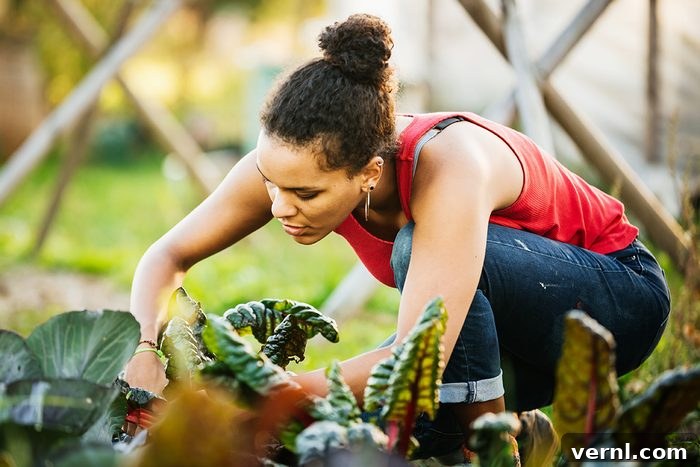
When it comes to harvesting rhubarb, many new gardeners instinctively reach for pruning shears or a knife. However, expert advice steers clear of this approach. “Do not use pruners or knives to harvest the rhubarb,” Irish-Hanson firmly states. The preferred and most beneficial method for the plant is a simple, manual technique: using your hands. This technique, often called “pulling” or “twisting,” ensures the plant’s health and promotes continuous production.
To execute the proper hand-pulling method, follow these steps meticulously:
- Locate a Mature Stalk: Identify a stalk that exhibits the signs of readiness – large leaves and firm texture. Select one that is well-developed and vibrant.
- Reach to the Base: Gently reach down to the very base of the stalk, where it emerges directly from the crown of the plant at soil level.
- Grip Firmly: Grasp the stalk (petiole) firmly but without crushing it, positioning your hand as close to the soil line as possible.
- Twist and Pull: With a steady, controlled motion, twist the stalk gently while simultaneously pulling it upwards and slightly to the side. The goal is to separate the entire leaf stalk cleanly from the crown, allowing it to snap off naturally at its base. Avoid yanking or pulling straight up, which can damage the crown.
The reason for meticulously avoiding cutting tools is twofold and critical for the plant’s long-term vitality. Firstly, using knives or pruners can leave a jagged or open wound on the plant’s crown. This open wound requires the plant to expend valuable energy on callusing over, diverting essential resources away from growth and stalk production. Secondly, and perhaps more critically, an open wound can serve as an accessible entry point for various plant diseases, fungal infections, or opportunistic pests, potentially compromising the overall health and future productivity of your rhubarb patch. The clean break achieved by twisting and pulling minimizes these risks, promoting healthier regrowth and a more resilient plant.
Immediately after successfully pulling a stalk, the very next step is crucial: cut off the large leaf blade and dispose of it safely. Rhubarb leaves contain high concentrations of oxalic acid, making them poisonous to humans and pets if ingested. They should never be eaten or fed to animals. Composting the leaves is an excellent way to return nutrients to your garden soil, just ensure they are not accessible to curious pets or small children. Removing the leaf also serves a practical purpose for the harvested stalk; it helps the petiole to remain firm and crisp by preventing the large leaf surface from drawing moisture out of the edible stalk through transpiration.
Equally important for the long-term health and sustained productivity of your rhubarb patch is conservative harvesting. Never strip the plant bare. A good rule of thumb is to harvest only about a third to half of the plant’s mature stalks per season. “You want to make sure you leave a minimum of 50 percent of the plant to photosynthesize and put energy down into the crown for next year,” Irish-Hanson emphasizes. This ensures that the plant retains enough foliage to continue photosynthesis effectively, generating the energy required to strengthen its robust root system and crown. This vital energy reserve is what guarantees robust growth and abundant harvests for many years to come. Over-harvesting can severely stress the plant, leading to reduced yields in subsequent years, diminished vigor, or even plant death.
Optimal Rhubarb Care and Harvesting: Dos and Don’ts for Success
To ensure your rhubarb plant remains healthy, productive, and continues to provide you with delicious stalks year after year, adherence to specific best practices is key. These guidelines, endorsed by experts, cover everything from optimal harvesting windows to essential maintenance routines that will keep your rhubarb patch thriving.
- Don’t Harvest in the Summer: While tempting to extend the harvest season, it’s advisable to stop picking rhubarb once summer truly sets in, typically by late June or early July, depending on your climate. “Stop harvesting once summer sets in, because the petioles become much ‘woodier’ as the growing season continues,” Irish-Hanson advises. As temperatures rise and the plant matures through the summer, the stalks become increasingly fibrous, tough, and less palatable, losing their desirable crispness and tender texture. Giving the plant a rest during the hotter months also allows it to channel energy back into its crown, building vital reserves for the following season, which is crucial for perennial vitality.
- Don’t Eat the Leaves: This cannot be stressed enough, as it is a critical safety warning. Rhubarb leaves are highly toxic to humans and pets due to their dangerously high oxalic acid content. Always, without exception, cut them off immediately after harvesting the stalks and discard them safely. They should not be added to compost piles if there’s any chance pets or small children might access them, or if compost tea made from them could inadvertently be used on edible plants.
- Keep It Fertilized: Rhubarb is often referred to as a “heavy feeder” because it requires a significant amount of nutrients to support its vigorous growth and the development of its large leaves and thick stalks. “For the most leaf production possible, make sure the plant is well fertilized,” Irish-Hanson recommends. Before applying any fertilizer, it’s always best practice to conduct a soil test. This will reveal the specific nutrient deficiencies or excesses in your garden soil, allowing you to select a fertilizer that precisely matches your plant’s needs. Incorporating well-rotted compost or manure around the base of the plant in early spring can also provide a slow-release source of vital nutrients, enriching the soil structure and microbial life.
- Pick in the Morning: For the freshest and crispiest stalks, aim to harvest your rhubarb in the morning, especially on a cool day. At this time, the plant’s cells are fully hydrated – a state known as turgor – which gives the stalks their characteristic snap and crispness. Harvesting in the heat of the day can result in slightly limp or less vibrant stalks, as the plant might be experiencing some moisture stress. Morning harvesting also causes less stress on the plant as it prepares for a full day of photosynthesis.
- Don’t Strip the Plant Bare: Reaffirming a crucial point for sustainable gardening: never take more than half, and ideally closer to a third, of the plant’s mature stalks at any given time during its harvesting window. Over-harvesting not only severely stresses the plant but also significantly diminishes its ability to photosynthesize effectively, impacting its vigor and reducing future yields. Always leave a substantial amount of foliage to ensure the plant can efficiently replenish its energy reserves and thrive for years to come.
- Store It Right: Proper storage is essential to preserve the freshness and quality of your harvested rhubarb. To keep stalks fresh for up to two weeks, wash them, allow them to air dry completely, then wrap them loosely in a damp paper towel. Store these wrapped stalks in a perforated plastic bag in the crisper drawer of your refrigerator. Rhubarb also freezes exceptionally well for long-term storage, allowing you to enjoy its flavor year-round. To freeze, simply wash the stalks, pat them dry, cut them into 1-inch pieces, and flash-freeze them in a single layer on a baking sheet. Once frozen solid, transfer the pieces to freezer-safe bags, removing as much air as possible. No blanching is required for freezing rhubarb.
- Divide the Plant Every Few Years: As rhubarb plants mature, especially after 4-5 years, they can become quite crowded, and their overall productivity might gradually decline. “Every few years in early spring, you can divide the plant to give it more space,” Irish-Hanson suggests. This rejuvenating process involves carefully digging up the entire crown and using a sharp spade or sturdy knife to cut it into halves or thirds. Ensure each new section (division) has at least one healthy bud and a good portion of its root system attached. Replant these divisions promptly with fresh compost or a balanced fertilizer if your soil test indicates a need for nutrient enrichment. Division not only revitalizes older, less productive plants but also provides an excellent way to propagate new plants for other areas of your garden or to share with fellow gardening enthusiasts.
Getting Started with Rhubarb: Planting and Initial Care
For those inspired to grow their own rhubarb, understanding the fundamentals of planting and initial care is crucial for establishing a thriving and long-lasting patch. Rhubarb is a surprisingly forgiving plant, but it does have specific preferences that, when met, lead to exceptional yields.
Choosing the Right Location and Soil
Rhubarb thrives in full sun, meaning it needs at least 6-8 hours of direct sunlight daily to produce strong, thick, and flavorful stalks. While it can tolerate partial shade, too little sun will result in thinner, weaker, and less vigorous growth. It also requires well-drained soil, as its crown is highly susceptible to rot if left in soggy conditions. A slightly acidic to neutral soil pH (around 6.0-6.8) is ideal. Prior to planting, it’s highly beneficial to amend the planting site with a generous amount of organic matter, such as well-rotted compost or aged manure. This improves soil structure, enhances drainage, and boosts fertility, creating an optimal environment for root development.
Planting Rhubarb Crowns or Seeds
Rhubarb is most commonly planted from dormant crowns (root divisions) in early spring, as soon as the soil can be easily worked. To plant a crown, dig a hole that is wide and deep enough to comfortably accommodate the entire root system without crowding or bending. Place the crown in the hole so that the top of the crown, where the pinkish buds are located, is just at or slightly below the soil surface (about 1-2 inches deep). If planting multiple plants, space them about 3-4 feet apart to allow for their mature size, as rhubarb can spread considerably. Water thoroughly after planting to settle the soil around the roots. While less common, rhubarb can also be grown from seed, though this takes longer to establish and may not produce plants true to the parent variety.
Initial Care for Young Rhubarb Plants
For the first year or two after planting, the primary focus should be on encouraging strong root development and a robust crown. Keep the area immediately around the plants meticulously weed-free, as weeds compete aggressively for essential nutrients and water, especially with young rhubarb. Provide consistent moisture, particularly during dry spells, but always avoid overwatering, which can lead to crown rot. Applying a layer of organic mulch, such as straw, shredded leaves, or wood chips, around the base of the plants can help conserve soil moisture, suppress weed growth, and regulate soil temperature, providing a stable environment for establishment. Remember, patience is key: resist harvesting any stalks until the plant reaches its third year to allow your rhubarb to establish fully and ensure a long, productive life.
Culinary Inspirations with Rhubarb: Beyond the Pie
While rhubarb pie might be the most iconic and beloved dish featuring this unique vegetable, the tart and vibrant flavor of rhubarb lends itself to an astonishing array of culinary creations. Its distinctive sweet-tart profile makes it incredibly versatile in the kitchen, extending far beyond traditional desserts and offering exciting possibilities for both sweet and savory applications.
- Classic Desserts and Beyond: Move past just pies! Explore delectable crumbles, tarts, cobblers, muffins, cakes, and even creamy ice cream or refreshing sorbet. Rhubarb pairs beautifully with strawberries for that classic spring combination, but don’t shy away from experimenting with complementary flavors like ginger, vanilla, orange zest, or cardamom for added complexity and warmth.
- Jams, Preserves, and Compotes: Rhubarb’s natural pectin content makes it an excellent candidate for homemade jams, jellies, and preserves. A quick rhubarb compote, lightly sweetened, can be a delightful and healthy topping for morning yogurt, oatmeal, pancakes, or even a simple piece of toast.
- Savory Sauces and Chutneys: Cooked down with a touch of sweetness and spices, rhubarb makes a fantastic savory sauce, particularly well-suited for rich meats like roasted pork, duck, or even grilled chicken. A spiced rhubarb chutney, with its tangy kick, can be a superb accompaniment to cheese boards, charcuterie, or any grilled dish that benefits from a bright, flavorful contrast.
- Refreshing Beverages: Infuse fresh rhubarb into simple syrups to create unique bases for refreshing cocktails or sophisticated mocktails. Imagine a rhubarb gin fizz or a non-alcoholic sparkling rhubarb cordial. Rhubarb lemonade or a vibrant rhubarb spritzer are delicious and unexpected ways to enjoy its distinct flavor, offering a welcome tang on a warm day.
Don’t be afraid to experiment with this wonderfully versatile ingredient. Its distinctive tang and ability to balance sweetness can brighten up many dishes, offering a refreshing contrast and a true taste of spring and early summer that elevates both familiar and new recipes.
Troubleshooting Common Rhubarb Issues
Even with proper care, gardeners might encounter a few common issues with their rhubarb plants. Understanding these problems and knowing how to address them can help you quickly restore the health and productivity of your patch, ensuring consistent harvests.
- Thin or Pale Stalks: If your rhubarb stalks are consistently thin, short, or lack vibrant color, it often points to one or more underlying issues: insufficient sunlight, poor soil fertility, or overcrowding. Ensure your plant receives at least 6-8 hours of direct sun daily. Conduct a soil test and amend with well-rotted compost or a balanced fertilizer if nutrients are lacking. If the plant is old and dense, consider dividing it in early spring to alleviate crowding and revitalize growth.
- Rhubarb Bolting (Flowering): When a rhubarb plant sends up a tall, sturdy flower stalk (often with small, creamy-white flowers), it’s called bolting. While not inherently harmful to the plant’s survival, it diverts significant energy away from stalk production, potentially making the edible petioles tougher and less flavorful. Bolting can be triggered by various factors, including environmental stress (like drought, extreme temperature fluctuations), old age of the plant, or insufficient nutrients. If you observe a flower stalk emerging, cut it off at the base immediately to redirect the plant’s energy back into producing more edible stalks.
- Crown Rot: This serious issue is typically caused by overly wet, poorly drained soil conditions, which create an ideal environment for fungal growth. Symptoms include wilting, yellowing leaves, and a mushy, discolored crown at the soil line. Prevention is paramount: ensure your planting site has excellent drainage, and always avoid overwatering. If crown rot is severe, the affected plant may need to be removed to prevent the spread of fungal pathogens to other healthy plants in your garden. Improving drainage for surrounding plants is crucial.
- Lack of Vigor or Stunted Growth: Beyond the initial two-year establishment period where slower growth is expected, a persistent lack of vigor or stunted growth could indicate several underlying problems. These include significant nutrient deficiencies (address with fertilization based on soil test results), insufficient water during prolonged dry periods, or the plant being too old and needing division. Older, undivided plants often become less productive as their energy is spread across too many stems.
- Pests and Diseases: While rhubarb is generally robust, it can occasionally face challenges. Slugs and snails may feed on young leaves. Good garden hygiene and appropriate organic pest control methods can manage these. Crown rot (mentioned above) is the most significant disease concern, highlighting the importance of good drainage.
About the Expert
Laura Irish-Hanson is an Extension Horticulture Educator with the University of Minnesota Extension. Her extensive expertise in horticultural practices provides invaluable, research-based guidance for gardeners aiming to cultivate thriving plants and achieve successful harvests.
RELATED:
- 7 Reasons Why Your Houseplants Might Stink
- 8 Must-Know Tips to Drought-Proof Your Lawn
- Tired of Raking Leaves? Plant These Trees Instead