
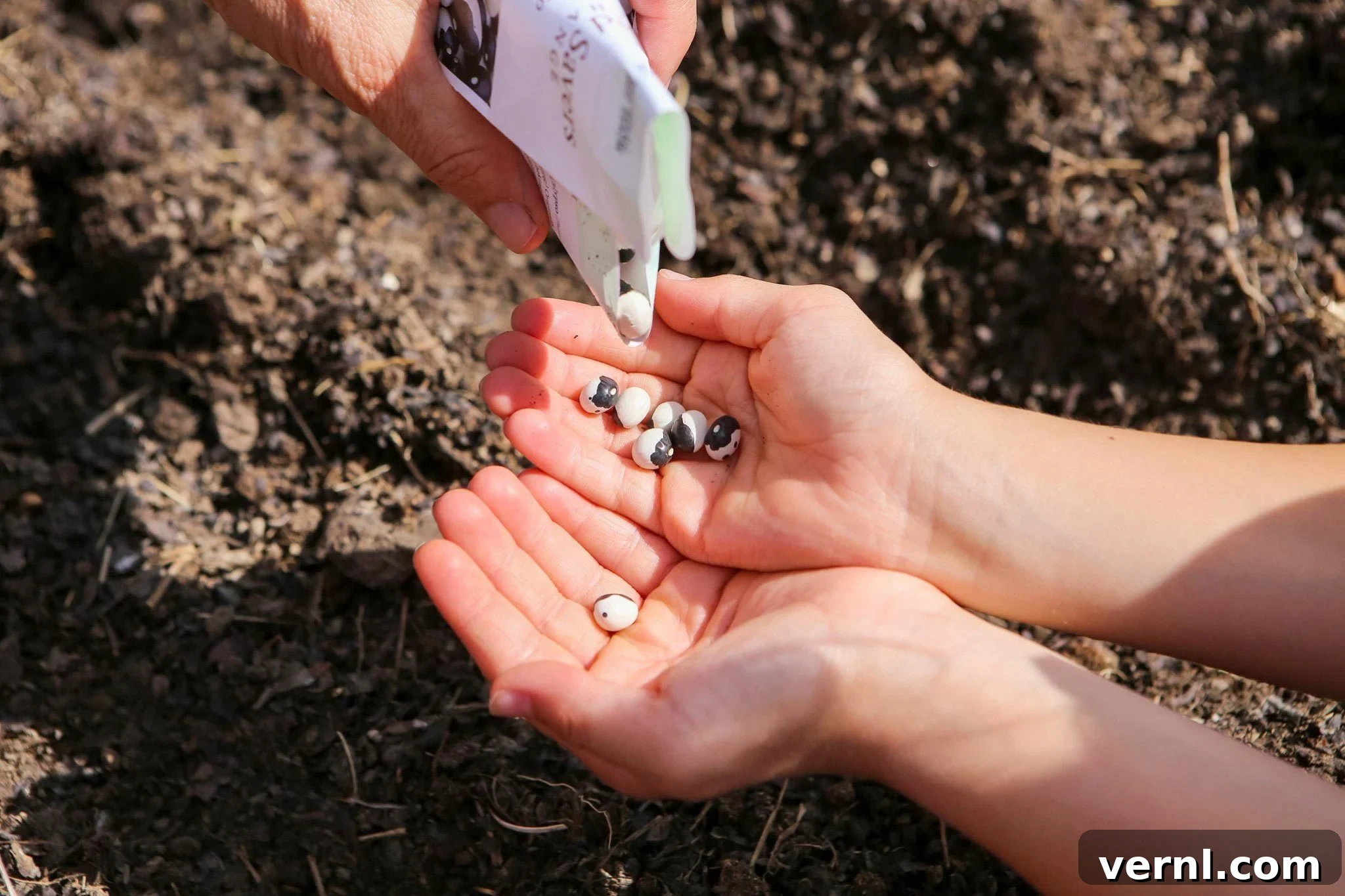
Every spring, the ritual of planting begins anew, and for me, that often means sowing the dependable ‘Green Arrow’ peas. This beloved variety isn’t just a seasonal favorite; it holds a special place in my garden as a true heirloom. Why do I consider them heirlooms? Not only do they possess the classic characteristics, but they’ve also become a cherished “family heirloom” through generations. My dad introduced me to the distinct pleasure of growing these particular peas, passing down both the knowledge and the love for this remarkable variety. Understanding what makes a seed an heirloom opens up a fascinating world of gardening history, flavor, and preservation.
Unveiling the World of Heirloom Seeds: What Defines Them?
The term “heirloom seeds” often sparks curiosity among gardeners, conjuring images of vintage gardens and forgotten flavors. While precise definitions can vary slightly depending on who you ask within the gardening community, there’s a strong consensus around several key characteristics that truly distinguish these genetic treasures. Heirlooms are far more than just old seeds; they represent a living legacy, a connection to agricultural heritage that enriches our gardens and our plates.
- Open-Pollinated: The Foundation of Purity and Predictability
At the core of an heirloom seed’s identity is its open-pollinated nature. This means the plants are pollinated by natural means, whether by insects, wind, or even self-pollination within the same variety. Unlike hybrid seeds, which are the result of intentional crosses between two different parent lines, open-pollinated plants produce seeds that, when planted, will yield offspring genetically identical or very similar to the parent plant. This predictability is paramount for seed savers. If you collect and save seeds from an open-pollinated heirloom tomato, for example, you can confidently expect to grow the same delicious tomatoes in subsequent seasons. This characteristic not only empowers gardeners to be self-sufficient but also plays a vital role in maintaining genetic diversity within our food systems. It’s the natural way plants have reproduced for millennia, ensuring continuity of traits without human intervention in breeding specific crosses. - A Testament to Time: Grown for Generations (Typically 50+ Years)
Another hallmark of an heirloom variety is its established history. While there can be some minor variations in the exact timeline—some consider a variety an heirloom after 40 years, others insist on pre-1940s origins—the general agreement is that a variety must have been grown and passed down for at least 50 years. This long lineage is not arbitrary; it signifies that the variety has proven its resilience, adaptability, and desirable traits across many seasons and diverse growing conditions. It means numerous generations of gardeners have cultivated, enjoyed, and actively chosen to preserve these specific plants. This longevity often predates the widespread commercialization of hybrid seeds, marking heirlooms as true relics of agricultural history, refined and appreciated over decades, not just for a single season’s performance. Their endurance speaks volumes about their inherent quality and appeal. - A Legacy of Sharing: Handed Down from One Gardener to the Next
The very essence of “heirloom” implies a tradition of inheritance. In a time before large commercial seed companies dominated the market, gardeners regularly collected seeds from their most successful and flavorful plants. These saved seeds were then shared within families, among neighbors, and across communities. This act of sharing wasn’t just practical; it fostered a strong connection between gardeners and their plants, ensuring that beloved varieties persisted and spread. The narrative behind a seed—its journey from one gardener’s hand to another, along with the stories and techniques for its cultivation—is a significant part of its heirloom status. This tradition of stewardship is what keeps many of these unique varieties alive today, making each seed packet a tangible link to a rich horticultural past.
Diverse Legacies: Exploring the Types of Heirloom Seeds
The world of heirloom seeds is wonderfully diverse, categorized by the unique stories and journeys behind their preservation. Understanding these classifications helps us appreciate the myriad ways these precious varieties have been maintained and shared over time.
- Family Heirlooms: Personal Histories Rooted in Soil
These are perhaps the most personally resonant heirlooms, imbued with sentimental value and a tangible connection to one’s lineage. If your parents, grandparents, or even great-grandparents were passionate gardeners, you might be fortunate enough to inherit actual seeds from plants they once cultivated. More commonly, like my connection to the ‘Green Arrow’ peas, you learn about the specific varieties they grew and loved, then actively seek out and purchase new seeds for those same varieties each year. These seeds represent a living legacy, a way to honor family history and keep traditions alive in your own garden. Imagine growing the same tomatoes your grandmother used for her famous sauce, or the beans your grandfather relied on for a bountiful harvest. Family heirlooms are not just about food; they’re about preserving memories, flavors, and a shared heritage. - Historical Heirlooms: Cultivating the Past
Historical heirlooms are varieties with a documented connection to specific periods, events, or historical figures. Their association with the past often makes for compelling storytelling and marketing. Many historical sites and living museums, such as Colonial Williamsburg in Virginia, actively preserve and sell heirloom seeds that would have been common during the era they represent. Growing these varieties offers a unique opportunity to step back in time, cultivating plants that pioneers, colonial settlers, or ancient civilizations might have tended. This connection allows us to experience a tangible link to agricultural practices and diets of yesteryear, deepening our understanding of history through horticulture. - Regional Heirlooms: Adapted to Their Terroir
Regional heirlooms are varieties that have, over generations, adapted exceptionally well to specific climates, soil types, and local growing conditions. These varieties often exhibit superior resilience and productivity in their native regions, developing traits that help them thrive where other varieties might struggle. Organizations like Southern Exposure Seed Exchange specialize in offering open-pollinated varieties that are particularly suited to the Mid-Atlantic and Southeastern states, for example. By cultivating regional heirlooms, gardeners not only support local biodiversity but also select plants that are naturally predisposed to succeed in their unique environment, often requiring fewer interventions and inputs. This focus on regional adaptation promotes sustainable gardening practices and helps preserve localized genetic diversity. - Heritage Heirlooms: Global Roots in Your Garden
Heritage heirlooms encompass varieties that trace their origins to specific ethnic groups, cultures, or geographic locations across the globe. These seeds often carry a rich cultural significance, reflecting the culinary traditions and agricultural practices of their ancestral lands. If you explore your family’s global roots, you might discover heirloom varieties that your ancestors cultivated in other countries. Examples include the distinctive Italian Ribbed Zucchini, celebrated for its unique texture and flavor, or the vibrant Red Aztec Spinach, which offers a taste of ancient Mesoamerican cuisine. Growing these heritage varieties in your own garden is a wonderful way to connect with diverse cultures, explore unique flavors, and contribute to the ongoing preservation of global agricultural biodiversity.
Beyond the Garden: The Profound Benefits of Heirloom Seeds
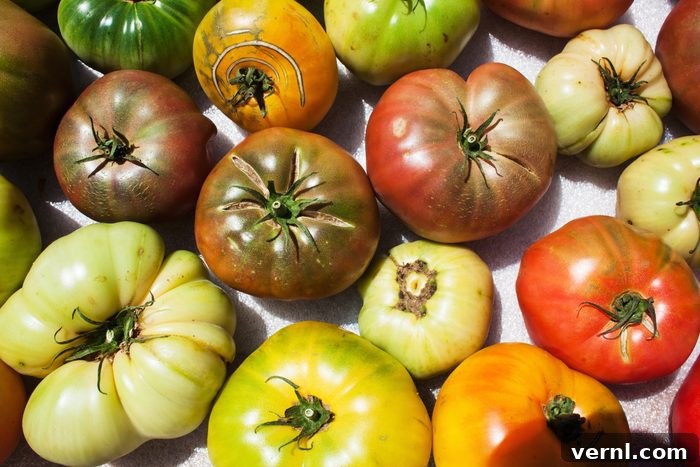
While the act of growing heirloom seeds is undeniably enjoyable, offering a deep connection to gardening’s past, their value extends far beyond mere pleasure. Heirlooms offer a multitude of benefits that impact not only our personal gardens but also the broader ecological landscape and future food security.
- Unparalleled Flavor and Culinary Diversity: A Feast for the Senses
One of the most immediate and appreciated benefits of heirloom varieties is their often superior taste. Unlike many commercially bred hybrid varieties, which are frequently developed for traits like uniform appearance, long shelf life, and ease of mechanical harvesting, heirlooms prioritize flavor, texture, and aroma. Gardeners who grow heirloom tomatoes, for instance, often marvel at their rich, complex taste, a stark contrast to the often watery and bland flavor of supermarket counterparts. This focus on taste brings a delightful culinary diversity, allowing home cooks and chefs to explore a vast palette of unique flavors, colors, and shapes that simply aren’t available in conventional produce. From vibrant purple carrots to striped bell peppers and unusually shaped squash, heirlooms elevate the eating experience to an art form. - Protecting Biodiversity for Future Generations: A Critical Mission
Perhaps the most significant long-term benefit of cultivating heirloom seeds is their crucial role in preserving the planet’s agricultural biodiversity. Through dedicated organizations like the Seed Savers Exchange in Decorah, Iowa, and countless individual gardeners worldwide, open-pollinated varieties of vegetables, fruits, and flowers are being actively saved and propagated. This ongoing effort is vital because the genetic diversity of our food crops has been drastically reduced over the last century due to industrial agriculture’s reliance on a narrow range of high-yield, uniform hybrids. Heirlooms represent a vast reservoir of genetic traits that could be essential for developing new resilient varieties, especially in the face of evolving pests, diseases, and climate change. Each saved heirloom seed is a tiny act of environmental stewardship, safeguarding options for future food production. - Adaptability and Resilience: Thriving in Diverse Conditions
Heirloom varieties, having evolved and been selected over many generations in specific regions, often possess inherent adaptability and resilience to local environmental conditions. Unlike some modern hybrids that may require specific inputs or controlled environments to thrive, many heirlooms can tolerate a wider range of soil types, temperature fluctuations, and pest pressures. This makes them excellent choices for organic and sustainable gardening practices, as they often require fewer chemical fertilizers, pesticides, and other interventions. Their hardiness means a greater chance of success for gardeners, contributing to more robust and sustainable food systems. - Self-Sufficiency and Empowerment: The Joy of Saving Seeds
The open-pollinated nature of heirloom seeds empowers gardeners to become truly self-sufficient. The ability to save seeds from your most successful plants, knowing they will reliably produce the same variety next season, reduces reliance on commercial seed companies. This practice fosters a deeper understanding of plant life cycles and promotes sustainable gardening by closing the loop on seed production. It’s an act of empowerment, giving gardeners control over their food source and contributing to food sovereignty. - Cultural Connection and Storytelling: Nurturing Heritage
Every heirloom seed comes with a story, a history of its journey through time and hands. Growing these varieties connects us to past generations, cultural traditions, and the rich tapestry of human agricultural endeavor. It sparks conversations, evokes memories, and fosters a sense of stewardship for living heritage. Sharing these stories and the produce from these unique plants enriches communities and celebrates the diversity of our shared human experience.
Hybrids vs. Heirlooms: A Clear Distinction
The rise of modern agriculture introduced a new class of seeds: hybrids. While often beneficial for commercial growers, it’s crucial to understand why hybrid seeds, by their very nature, cannot truly be classified as heirlooms, even if they’ve been around for a long time.
Hybrid varieties of flowers and vegetables are the result of deliberate cross-pollination between two distinct parent plants, chosen for specific desirable traits. Breeders might cross one variety known for disease resistance with another known for high yield, hoping to combine the best of both worlds. The resulting seeds from this first generation cross are called “F1 hybrids” (F1 stands for “Filial 1,” meaning first generation). While F1 hybrids often exhibit “hybrid vigor” — superior growth, uniformity, and productivity — their defining characteristic is that the seeds saved from these F1 plants will not produce offspring that are true to the parent variety in the following year. Instead, they will revert to a mix of traits from their grandparent plants (F2 generation), producing unpredictable results. This genetic instability for seed saving is why a hybrid like Burpee’s Big Boy tomato, despite being grown since 1949, isn’t considered a true heirloom. While it’s a fantastic variety that I might purchase annually for its consistent performance, its seeds cannot be reliably saved to perpetuate the exact same plant. Many hybrid varieties include “F1” or “F2” at the end of their name on seed packets, which is a clear indicator of their hybrid status.
The Lifespan of Legacy: How Long Do Heirloom Seeds Last?
One of the most common questions among new gardeners or those considering seed saving is about the longevity of seeds. The good news is that, with proper care, heirloom seeds can remain viable for several years, allowing you to store a genetic backup of your favorite plants and even share them over time.
The key to extending the shelf life of your heirloom seeds lies in optimal storage conditions. Seeds are living organisms in a dormant state, and their viability is directly impacted by environmental factors. The ideal storage environment is a cool, dry, and dark place, meticulously protected from fluctuations in temperature and humidity, as well as pests like insects and rodents. Exposure to heat, moisture, and light can rapidly degrade a seed’s vitality, exhausting its internal energy reserves and significantly shortening its lifespan. For most vegetable seeds, an airtight container (such as a glass jar with a tight-fitting lid or a sealed plastic bag) stored in a cool pantry, a refrigerator, or even a freezer (for long-term storage) is ideal. Adding a desiccant packet, like silica gel, can help absorb any residual moisture and further preserve viability.
The actual duration of viability varies significantly depending on the specific type of seed. For example, seeds from peas, beans, corn, and cucumbers are generally long-lived, often remaining viable for 3 to 5 years, and sometimes even longer under perfect conditions. On the other hand, seeds from onions, parsnips, and carrots tend to have a shorter shelf life, typically lasting only 1 to 2 years. Regularly checking your stored seeds for viability with a simple germination test (sprouting a small sample on a damp paper towel) before planting can help you determine their remaining vigor. By understanding and implementing these storage best practices, you can ensure that your precious heirloom seeds remain potent and ready to grow for many seasons to come, truly preserving their legacy.
Cultivating Your Collection: Where to Buy Heirloom Seeds
Embarking on your heirloom gardening journey is exciting, and fortunately, finding these unique seeds has become easier than ever. A variety of reputable sources are available, catering to different preferences and needs.
The internet offers a vast marketplace for heirloom seeds. When searching seed companies online, such as established giants like Burpee or specialized providers like True Leaf Market, always include the term “heirloom” in your search query. This ensures you filter out hybrid varieties and find exactly what you’re looking for. Look for companies that provide detailed descriptions of the varieties, including their history, ideal growing conditions, and taste profiles. Reputable online retailers often have excellent customer service and resources to help you succeed.
Beyond the digital realm, local garden centers are excellent places to discover heirloom varieties. Supporting your local nursery not only boosts community businesses but often provides access to varieties that are particularly well-suited to your regional climate. The staff at these centers are usually knowledgeable and can offer personalized advice for your specific growing conditions.
For those deeply committed to seed preservation, specialized organizations and seed banks are invaluable. Some, like Southern Exposure Seed Exchange and the aforementioned Seed Savers Exchange, exclusively focus on open-pollinated, heirloom, and rare varieties. Baker Creek Heirloom Seeds is another renowned source, famous for its extensive and diverse catalog of unusual and historic seeds from around the world. These organizations are often at the forefront of biodiversity conservation, and purchasing from them directly supports their vital work.
Community also plays a huge role in the heirloom seed world. Many passionate seed savers often end up with more seeds than they can possibly plant in a year and are eager to share their bounty. You can connect with these generous gardeners through local garden clubs, horticultural societies, and various online social media groups dedicated to gardening and seed exchange. These platforms are not only great for acquiring unique seeds but also for sharing knowledge and building connections with fellow enthusiasts.
An increasingly popular and wonderfully accessible resource is the public seed library. Many public libraries now offer free heirloom seeds to their patrons each spring, encouraging community gardening, food security, and the preservation of heirloom varieties. These initiatives allow anyone to try their hand at growing heirlooms, often with the expectation that they might save some seeds to return to the library for others to borrow in the future. This system fosters a collaborative spirit and makes heirloom gardening accessible to everyone, regardless of their budget or experience level.
Whether you choose to buy online, visit a local store, join a seed exchange, or participate in a seed library, embracing heirloom seeds is a rewarding endeavor that enriches your garden, your plate, and the planet’s biodiversity.