
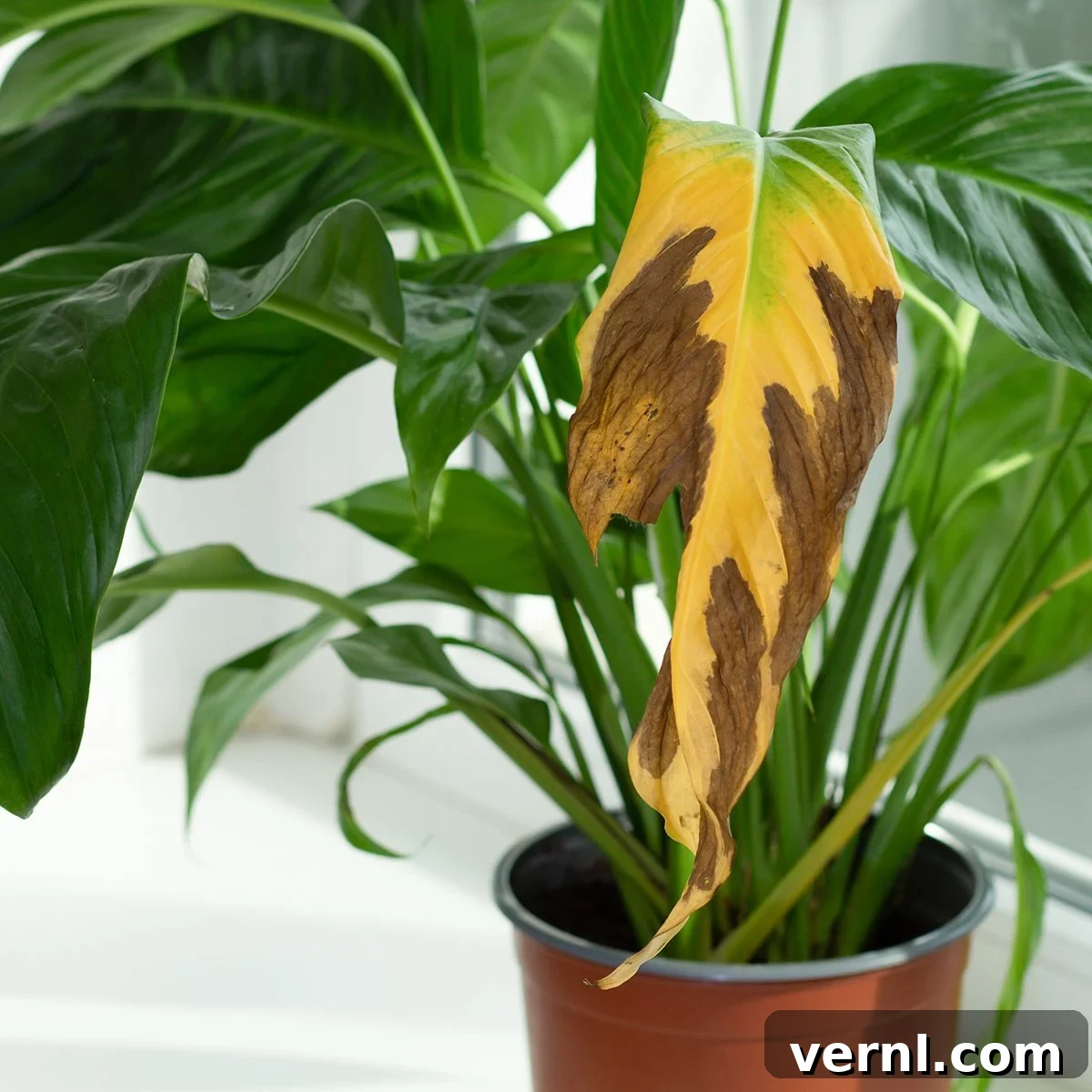
As the seasons shift, many of us turn our attention to the vibrant world of gardening, whether nurturing an outdoor patch or enriching our indoor spaces with lush houseplants. These green companions do more than just beautify a room; they actively contribute to a healthier environment by improving air quality and offering a calming presence that can significantly reduce stress. From the resilient snake plant to the charming jade plant, each species has unique requirements. A critical, yet often overlooked, aspect of ensuring your plants flourish is maintaining the right environmental conditions, particularly temperature and humidity.
This naturally leads to a common question for both budding and seasoned plant enthusiasts: “Is my house too humid for plants?” It’s a valid concern, as humidity levels play a pivotal role in plant health. Understanding this balance is essential for preventing common plant ailments and fostering vigorous growth. To help you navigate this complex topic, we’ve consulted with leading plant and botany experts who share invaluable insights on how humidity impacts your beloved greenery and offer actionable strategies to keep your plants vibrant and healthy year-round.
How Does Humidity Affect Plants?
Humidity is far more than just moisture in the air; it’s a fundamental environmental factor that directly influences several vital physiological processes in plants, including how they breathe, absorb water, and take in essential nutrients. Stephanie Elhayani, founder and chief floral officer at Seed Floral, explains the delicate balance: “Too much humidity can lead to root rot, mold, or unhappy plants, while not enough leaves them thirsty and stressed.”
The core mechanism through which humidity affects plants is transpiration – the process by which plants release water vapor through tiny pores on their leaves called stomata. When humidity is high, the air is already saturated with moisture, reducing the plant’s ability to release water. Melvin Cubian, a gardening expert and botanist at PlantIn app, elaborates: “When there is high humidity, plants take in less water in the roots as there is less water lost in the pores.” This decreased transpiration can lead to a reduced uptake of water and nutrients from the soil, potentially causing nutrient deficiencies despite adequate soil moisture. Moreover, consistently wet leaf surfaces create an ideal breeding ground for fungal diseases and mold, which can quickly compromise plant health.
Conversely, low humidity environments pose a different set of challenges. In dry air, plants transpire at a much faster rate, losing water rapidly from their leaves. Cubian notes, “In contrast, low humidity pulls more water from the leaves and when the roots cannot replenish the loss of water, it results in browning.” This excessive water loss can quickly lead to dehydration, manifesting as crispy, browning leaf tips and edges, stunted growth, and increased susceptibility to pests as the plant’s natural defenses weaken under stress. Therefore, maintaining appropriate humidity levels is not just about comfort for your plants; it’s about ensuring their fundamental biological processes function optimally for thriving growth.
How Much Humidity Is Too Much Humidity for Plants?
Determining the ideal humidity level for your plants isn’t a one-size-fits-all answer, as requirements vary significantly by species. However, a general range serves as a good starting point for most common houseplants. “Most plants like 40 to 60 percent humidity,” advises Stephanie Elhayani. Within this range, plants can effectively transpire without excessive water loss or the risk of fungal overgrowth. Moving beyond this, Elhayani warns, “Above 70 to 80 percent, you risk mold and fungal issues, except for tropical beauties like ferns and orchids—they love it steamy.”
To illustrate, many popular houseplants thrive within the 40-60 percent humidity bracket. This includes varieties like the resilient marble pothos, the stately majesty palm, vibrant dracaena lemon lime, and many calathea plants. These plants originate from environments with moderate atmospheric moisture and are well-adapted to typical indoor conditions when properly managed.
On the other hand, certain tropical plants, such as many species of ferns, orchids, monsteras, and prayer plants, naturally inhabit rainforest understories where humidity often hovers between 70-90 percent. For these “tropical beauties,” higher humidity levels are not only tolerated but essential for their health, mimicking their native, naturally misty environments. Providing less humidity can lead to crispy leaves and stunted growth for these particular plants.
For plants like cacti and succulents, which are native to arid regions, even the typical 40-60% humidity might be too much, making them prone to rot. These plants store water in their leaves and stems and prefer much drier air, often below 30% humidity.
Regardless of your plants’ specific needs, maintaining proper air circulation is paramount. According to Cubian, to balance humidity and healthy water intake, “proper ventilation is recommended. This can be achieved by observing proper plant spacing and pruning the dead leaves and redundant branches.” Good airflow helps prevent stagnant, moisture-rich air pockets around plants, reducing the risk of fungal infections and allowing leaves to dry efficiently after watering or misting. Adequate spacing ensures that each plant receives sufficient air movement, while pruning removes excess foliage that could trap humidity and hinder air circulation, promoting overall plant vigor and health.
How Can I Tell If My House Is Too Humid for Plants?
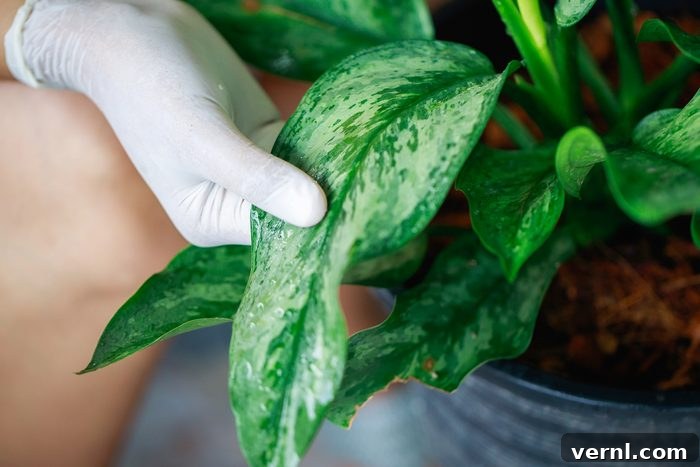
Identifying excessively high humidity in your home for your plants involves keen observation of both your plants and the general environment. Your plants will often display clear distress signals if the moisture levels are out of balance. Being vigilant about these signs can help you intervene before serious damage occurs.
Firstly, the leaves of your plants are excellent indicators of their overall well-being. Teri Valenzuela, Natural Science Manager at Sunday, advises: “If they are showing signs of fungal disease like a leaf spot or mold, then that likely means there is too much moisture.” Look for small, discolored spots (often yellow, brown, or black) on leaves, which are characteristic of fungal or bacterial leaf spot diseases. You might also notice a powdery white or fuzzy gray growth (mold) on the leaves, stems, or even the soil surface. Yellowing leaves can also be a symptom, especially if accompanied by soft, mushy stems, indicating overwatering exacerbated by high humidity.
Beyond the visual cues on your plants, your home environment will often provide palpable indicators. “If an unusual odor is accompanied by a sticky or damp air feeling, then it’s likely that your house is too humid for plants,” says Melvin Cubian. A persistent musty smell, similar to damp clothes or an old basement, is a strong sign of excess moisture, often indicating the presence of mold or mildew in unseen areas. You might also observe condensation forming on windows, mirrors, or cold surfaces, especially during cooler periods, which is a clear visual cue of high indoor humidity.
Elhayani also highlights other critical signs: “Another way to tell if your house is too humid for plants is if you notice moldy soil and pots or mushy roots.” Mold on the soil surface, appearing as white, green, or black fuzzy patches, means the topsoil isn’t drying out adequately. Regularly check the drainage holes of your pots; if they appear stained with algae or mold, or if the soil remains perpetually soggy, it’s a red flag. Mushy roots, often discovered when repotting or gently examining the root ball, are a definitive sign of root rot, a condition almost always caused by consistently waterlogged soil due to overwatering or excessively high humidity preventing proper drying.
Additionally, an increase in fungus gnats buzzing around your plants can indicate overly moist conditions, as these small insects thrive in damp soil with high organic content.
How To Make My House Less Humid for Plants
If you’ve identified that your house is indeed too humid for your plants, the good news is that there are several effective strategies you can implement to reduce moisture levels and create a healthier environment for your green companions. Addressing humidity issues proactively will prevent future problems and promote robust plant growth.
First and foremost, ensuring your home has proper and adequate ventilation is crucial. Stagnant air allows moisture to build up, so promoting air circulation is key. “Cracking a window or running a regular or exhaust fan in humid rooms can help get airflow going,” advises Teri Valenzuela. Utilize kitchen exhaust fans while cooking and bathroom fans after showering to remove moisture at its source. Cross-ventilation, achieved by opening windows on opposite sides of a room, can also be very effective. In particularly humid climates or homes, Valenzuela suggests, “investing in an an energy-efficient dehumidifier can be helpful to pull extra moisture from the air, especially in humid climates.” Dehumidifiers work by drawing in moist air, cooling it to condense the water vapor, and then releasing drier air back into the room. Portable units are excellent for specific rooms, while whole-house systems offer broader coverage.
Alongside improved ventilation, you’ll want to review the placement and density of your plant collection. It’s important to give them breathing room. “It’s important to give them breathing room, especially around the leaves and stems,” emphasizes Melvin Cubian. Overcrowding plants restricts airflow around their foliage and soil, trapping moisture and creating microclimates of high humidity, which can encourage fungal growth. Space your plants out adequately, allowing air to circulate freely between them. Regularly pruning dead or yellowing leaves and redundant branches also helps improve air circulation within the plant’s canopy, removing potential hiding spots for pests and diseases, and allowing light to penetrate better.
Your watering habits also play a significant role. In a humid environment, plants transpire less, meaning they use less water from their roots. Adjust your watering schedule to account for this; allow the top inch or two of soil to dry out completely before watering again. Always ensure your pots have good drainage holes and avoid letting plants sit in standing water, as this can quickly lead to root rot even in moderate humidity.
If you’re still having trouble getting the humidity levels just right, then you may also want to consider investing in a hygrometer. This simple device measures the moisture content, or relative humidity, in a given space. Placing a hygrometer near your plants provides an easy and accurate way to get a better read on the exact humidity levels, allowing you to monitor conditions and adjust your environment and plant care routine accordingly. Some modern hygrometers even come with smart features, allowing you to track humidity trends over time and receive alerts on your phone, making it easier to maintain optimal conditions for your houseplants. By combining these strategies, you can effectively manage indoor humidity and cultivate a thriving indoor garden.
About the Experts
- Stephanie Elhayani, founder and chief floral officer at Seed Floral in West Hollywood, CA.; email interview, March 23, 2025
- Teri Valenzuela, Natural Science Manager at Sunday; email interview, March 21, 2025
- Melvin Cubian, gardening expert and botanist at PlantIn app; email interview, March 20, 2025
Sources
The insights and recommendations presented in this guide are supported by expert opinions and reliable horticultural resources, ensuring you receive accurate and practical advice for plant care.
- “DripWorks: 11 Best High Humidity Plants for Your Homes” (2024)
[cf]skyword_tracking_tag[/cf]