In the ever-evolving landscape of construction and infrastructure, the contributions of women are becoming increasingly recognized and vital. This series aims to spotlight some of these extraordinary individuals, who currently comprise approximately 11 percent of the U.S. construction workforce, highlighting their unique career journeys and the significant impact they make in their respective fields. We believe that by sharing these stories, we can inspire a new generation to pursue careers in these critical sectors. If you know an inspiring woman in construction or engineering whose story deserves to be told, please contact us.
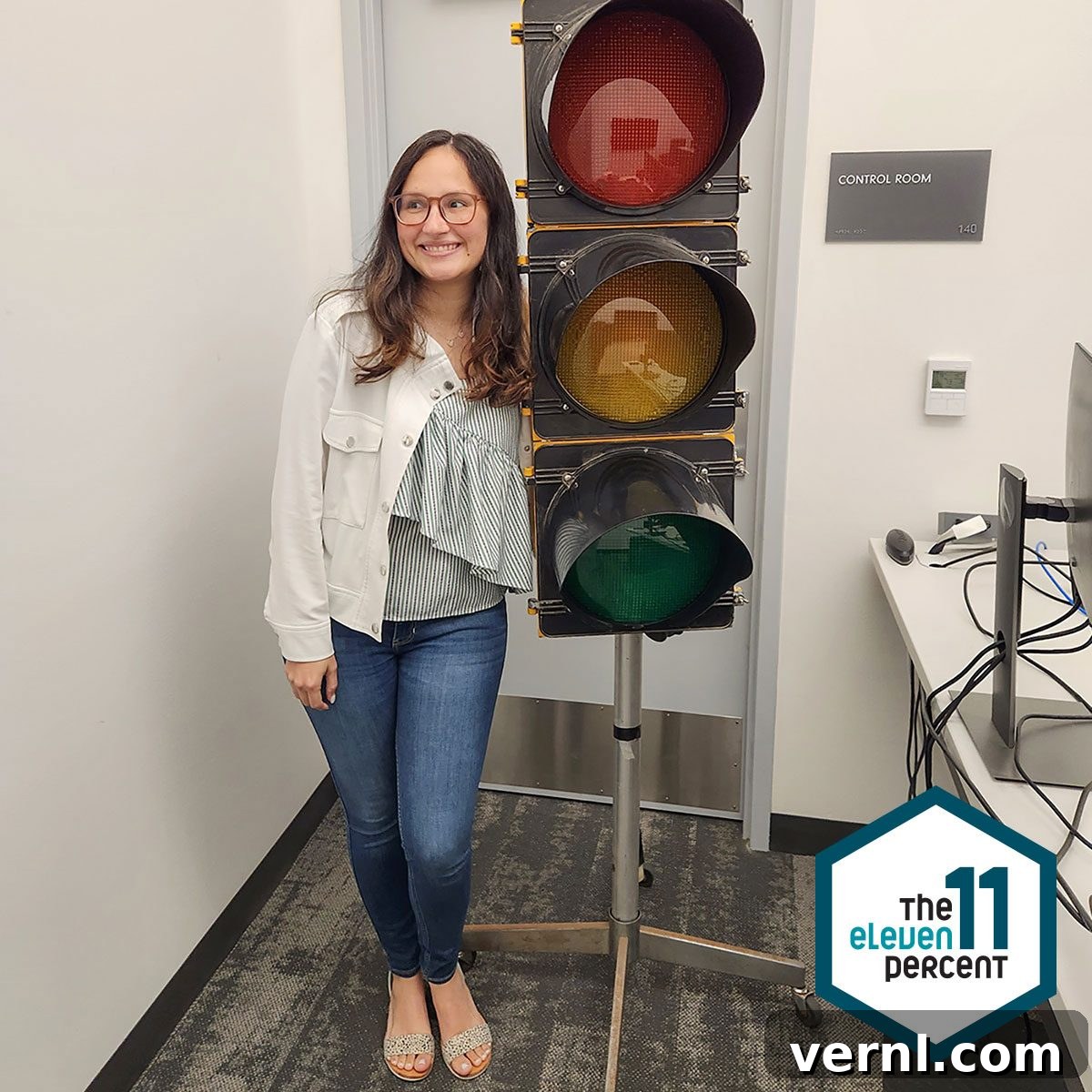
One such inspiring individual is Gretchen Avilés Piñeiro, whose professional journey led her from the tropical climes of Puerto Rico to the bustling urban environment of Madison, Wisconsin. Soon after earning her degree from the University of Puerto Rico, Avilés Piñeiro secured a coveted position as a traffic engineer for the City of Madison. Her passion for the field was clear from the outset, driven by a desire to optimize urban mobility.
“I was always fascinated by traffic signals and the intricate process of moving people from point A to point B safely and efficiently,” she recounts. “When I discovered this job opening, the position description immediately resonated with my career aspirations, and I knew it was the perfect fit.”
Her relocation to Madison in October 2015 brought with it a significant change, not just in professional opportunity but also in environment. During her on-site interview, she was captivated by the vibrant hues of the changing autumn leaves – a striking contrast to Puerto Rico’s consistent tropical climate. However, by the time she officially moved a month later, winter had begun to set in, transforming the landscape.
“I remember thinking, ‘Wait, where are those beautiful trees I fell in love with?'” she says with a smile. “But over the past eight years, I’ve truly grown accustomed to winter, and it’s been an incredibly rewarding experience.” Her adaptability and enduring enthusiasm for her work shine through, painting a picture of a dedicated professional thriving in her chosen career.
We recently sat down with Avilés Piñeiro to gain her insights on the current state and future trajectory of traffic engineering, a field that profoundly influences the daily lives of millions. Her perspective offers a valuable look into the complexities and innovations shaping urban transportation.
The Genesis of a Traffic Engineer: Finding a Path in Urban Mobility
Q: What initially sparked your interest in traffic engineering, and how did you decide to pursue it as a career?
A: My fascination with construction and infrastructure began at a very young age. Whether it was watching a new building rise from the ground or observing crews meticulously repairing a street, I was always captivated by how our physical environment is shaped and maintained. This early curiosity laid the foundation for my academic and professional path.
When it was time to choose a college major, my mother thoughtfully provided me with a comprehensive catalog detailing all the programs offered at the University of Puerto Rico. She encouraged me to explore every option and make an informed decision about my future. As I delved into the descriptions, civil engineering stood out as the clear choice. It offered the perfect blend of analytical challenges and tangible impact. Within civil engineering, traffic specifically drew me in because I could visualize its intricate workings and immediately recognize its potential for improvement. The idea of directly enhancing how people move and travel through a city, making their journeys safer and more efficient, was incredibly appealing. It felt like a field where I could truly make a difference in everyday urban life.
Unpacking the Role of a Traffic Engineer: Beyond the Red, Yellow, and Green
Q: Many people interact with traffic signals daily but might not fully understand what a traffic engineer does. Could you elaborate on your core responsibilities?
A: My primary focus in traffic engineering revolves around the design, implementation, and optimization of streetlights and traffic signals. This involves a comprehensive range of tasks, starting from the meticulous planning of underground connections that power and control these systems, all the way to selecting the appropriate fixtures and determining their optimal brightness levels for various environments. We are also heavily involved in programming the timing sequences of signals, meticulously calibrating how long they display green, yellow, and red lights to ensure smooth traffic flow and pedestrian safety. This requires a deep understanding of traffic patterns, vehicle volumes, and pedestrian needs at specific intersections.
Beyond the technical aspects, a crucial part of our job involves integrating public feedback. Madison is a very active city, especially in the summer, with many people walking, biking, and driving. This high level of public engagement is incredibly valuable because citizens are often the first to notice when something isn’t working as intended. Their observations provide us with critical real-world data that helps us identify issues and implement necessary adjustments. This collaborative approach ensures that our infrastructure truly serves the community.
I believe my role is fundamental to shaping the culture and livability of our city. Our ultimate goal is to ensure that everyone feels comfortable and safe when navigating Madison, whether they are walking, cycling, driving, or utilizing public transportation. Effective lighting, for instance, is paramount not just for visibility but also for creating a sense of security and fostering a vibrant, enjoyable urban environment. We strive to create systems that are not only efficient but also enhance the overall quality of life for all residents and visitors. Good lighting plays a crucial role in urban safety and amenity.
Highlighting Impactful Projects: Where Engineering Meets Community Art
Q: Among your many projects, which ones stand out as particularly memorable or rewarding, and why?
A: While a significant portion of our work involves standard signal installations and lighting upgrades, which are essential for daily urban functionality, I still find immense satisfaction in seeing those projects come to fruition. When I drive through the city, I often look at the lights and recall the meticulous decisions we made about their color temperature, wattage, and placement. It’s a bit like seeing my “babies” out there, making the city function!
However, it’s the projects that incorporate artistic elements that truly capture my imagination and become exceptionally memorable. These opportunities, while less frequent, allow us to blend the precision of engineering with the creativity of art. I vividly recall a recent project on Monroe Street that involved installing lighting within a mosaic mural to create a stunning stained-glass effect. The challenge was considerable: effectively integrating LED panels discreetly within the artwork and ensuring a reliable power supply while preserving the artist’s vision. It required innovative problem-solving and close collaboration. The most rewarding aspect was learning about the artist’s conceptual goals and then leveraging our engineering expertise to bring that artistic vision to life in a technically sound and visually spectacular way. These projects are a powerful reminder of how infrastructure can transcend pure utility and contribute to the aesthetic and cultural richness of a city.
Navigating Public Concerns: Addressing Traffic Flow Challenges and Enhancing Pedestrian Safety
Q: What are the most frequent traffic complaints you receive from the public, and how does your department typically address them?
A: One of the most common complaints we hear is from drivers stuck at a traffic light for more than one signal cycle. This often indicates an inefficiency in the signal timing or an unexpected increase in traffic volume. When such reports come in, our first step is always to investigate the root cause. Sometimes, the issue might be external, such as significant road construction in another part of the city diverting an unusually high volume of traffic onto a particular route, overwhelming existing signal capacities. Other times, it might reveal a need to adjust signal phasing, perhaps by adding a dedicated green arrow for left-hand turns during peak hours to improve flow.
For pedestrians, a frequent concern revolves around feeling they don’t have adequate time to cross an intersection safely. Pedestrian safety is paramount, so when we receive these complaints, we immediately review the signal timing and adjust the pedestrian walk intervals to ensure they have sufficient time to cross comfortably and safely. Beyond addressing reactive complaints, we also strive to be proactive, particularly when anticipating major events that are known to disrupt typical traffic patterns. For instance, before a major football game, the Farmer’s Market, or the annual Iron Man competition, we implement special traffic management plans. This includes adjusting signal timings, deploying temporary signage, and sometimes even coordinating with law enforcement to manage vehicle and pedestrian flow, minimizing congestion and ensuring everyone can navigate the city efficiently and safely during these peak activity periods.
Breaking Barriers: A Woman’s Journey in Traffic Engineering and the Push for Diversity
Q: What specific challenges have you encountered as a woman working in a historically male-dominated field like traffic engineering, and how have you navigated them?
A: When I first started my role in Madison, I was the only female engineer in our office. This created a unique dynamic, and initially, it was a bit uncomfortable, especially since I had just moved to a new city and didn’t know anyone. There’s often an unspoken pressure to prove yourself when you’re in the minority, to demonstrate your capabilities beyond question. However, once I settled into my work and consistently demonstrated my skills and contributions, things became significantly easier. My colleagues proved to be incredibly supportive and respectful, fostering a very positive professional environment. The initial discomfort gradually faded as mutual respect and camaraderie grew.
I’m also thrilled to report that I’m no longer the sole female engineer in the office. We’ve welcomed another talented woman to our team, which is a significant and encouraging step forward. These changes reflect a broader positive trend towards greater diversity and inclusion within engineering fields. It’s incredibly exciting to witness these developments firsthand and to imagine what the future holds in terms of gender representation and diverse perspectives within our profession. Increasing the visibility of women in engineering not only provides role models for aspiring young professionals but also enriches our teams with varied approaches to problem-solving and innovation, ultimately benefiting our communities.
Evolving Landscape: Technology, Public Engagement, and Green Innovations in Traffic Management
Q: How has the field of traffic engineering evolved since you began your career, particularly in terms of technology and public engagement?
A: One of the most significant shifts I’ve observed, particularly in the wake of the global pandemic, is the transformation in how we connect and communicate with the public. Before, public engagement was predominantly conducted through in-person community meetings, which, while valuable, often presented logistical barriers for many residents. However, the forced transition to virtual platforms like Zoom and Skype during the pandemic revealed an unexpected benefit: a substantial increase in public participation. These digital tools offer far greater flexibility, allowing more people to connect with us, provide valuable feedback on projects, and engage in civic discussions from the convenience of their homes or workplaces. This technological leap has democratized access to public discourse, fostering more inclusive community input.
In terms of green technologies, Madison has embraced a city-wide LED conversion program for all our streetlights, which has been a monumental undertaking with profound environmental and economic benefits. This initiative is a cornerstone of our commitment to sustainable urban infrastructure. LEDs are remarkably efficient, typically using half the wattage of traditional lighting while delivering the same, if not greater, luminous output. This not only translates into significant energy savings for the city but also provides often superior lighting quality and enhanced visibility for drivers, pedestrians, and cyclists. This conversion enhances safety and reduces our carbon footprint. Furthermore, the integration of advanced sensors and controls with these LED systems paves the way for a “smart city” future, where lighting can be dynamically adjusted based on real-time conditions, further optimizing energy use and urban functionality. (Learn more about innovative urban planning concepts like 15-minute cities.)
Paving the Way: Essential Advice for Future Women Traffic Engineers
Q: For young women considering a career in traffic engineering or related STEM fields, what advice would you offer them?
A: One of my aspirations is to see our office staff better reflect the rich diversity of our community. A crucial step towards achieving this is inspiring a broader range of young people, especially women and individuals from underrepresented backgrounds, to consider careers in civil engineering, transportation, and specifically traffic engineering. If these fields genuinely pique your interest, my most important piece of advice is: don’t hesitate, go for it! The opportunities are vast, and your unique perspective is invaluable.
Beyond choosing the field, it is absolutely paramount to find enjoyment in what you do. This is a career you’ll be engaging with every single day, and your passion, or lack thereof, will inevitably manifest in your performance. The more genuinely you enjoy your work, the higher your quality of work will be, and the more dedicated and innovative you’ll become. This enthusiasm and excellent performance will naturally be noticed and respected by your peers and superiors, opening doors for growth and leadership. Embrace the challenges, celebrate the successes, and remember that a fulfilling career is built on genuine interest and consistent effort.
The Engineer’s Toolkit: Essential Technologies for Precision Traffic Management
Q: What are some of the essential tools and technologies you rely on in your day-to-day work as a traffic engineer?
A: At the heart of my professional toolkit are my computer and a suite of specialized software applications. Given the intensive design and analysis work we do, a powerful laptop is absolutely indispensable. It needs to handle complex simulations and large datasets without faltering. For design work, we heavily rely on AutoCAD Civil 3D, which allows us to create precise layouts for roads, intersections, and signal infrastructure. For real-time management and programming of our traffic signals, we use a robust system like Centracs. This software enables us to monitor traffic flow, adjust signal timings dynamically, and respond to incidents efficiently.
When my work takes me out into the field, safety is paramount, so wearing my reflective vest is always a non-negotiable. I have both a lightweight vest for warmer weather and a specially designed cold-weather vest that comfortably fits over my coat, ensuring visibility and protection regardless of the season. These tools, from sophisticated software to essential safety gear, are critical for executing our responsibilities effectively and safely, allowing us to maintain and improve Madison’s vital transportation network.
Gretchen Avilés Piñeiro Bio
Gretchen Avilés Piñeiro is a distinguished civil engineer who earned her degree from the University of Puerto Rico in Mayagüez. In 2015, she embarked on her impactful career as a traffic engineer for the City of Madison, Wisconsin, where her expertise has been instrumental in shaping the city’s urban infrastructure. Her commitment to enhancing community well-being extends beyond her technical duties. In September 2020, she was honored with a Mayor’s Choice #TeamCity award, recognizing her outstanding contributions to programs focused on racial and economic equity, as well as her dedicated efforts to improve connectivity and safety for all residents—whether they walk, run, bike, ride, or drive in Madison.
Writer Karuna Eberl Bio
Karuna Eberl is a prolific freelance journalist and filmmaker, and a regular contributor to Family Handyman. Over the past 25 years, she has captivated audiences with her compelling stories spanning nature, travel, science, history, and the human experience. Eberl’s exceptional talent has garnered her numerous awards for her insightful writing, her acclaimed Florida Keys Travel Guide, and her thought-provoking documentary, The Guerrero Project.