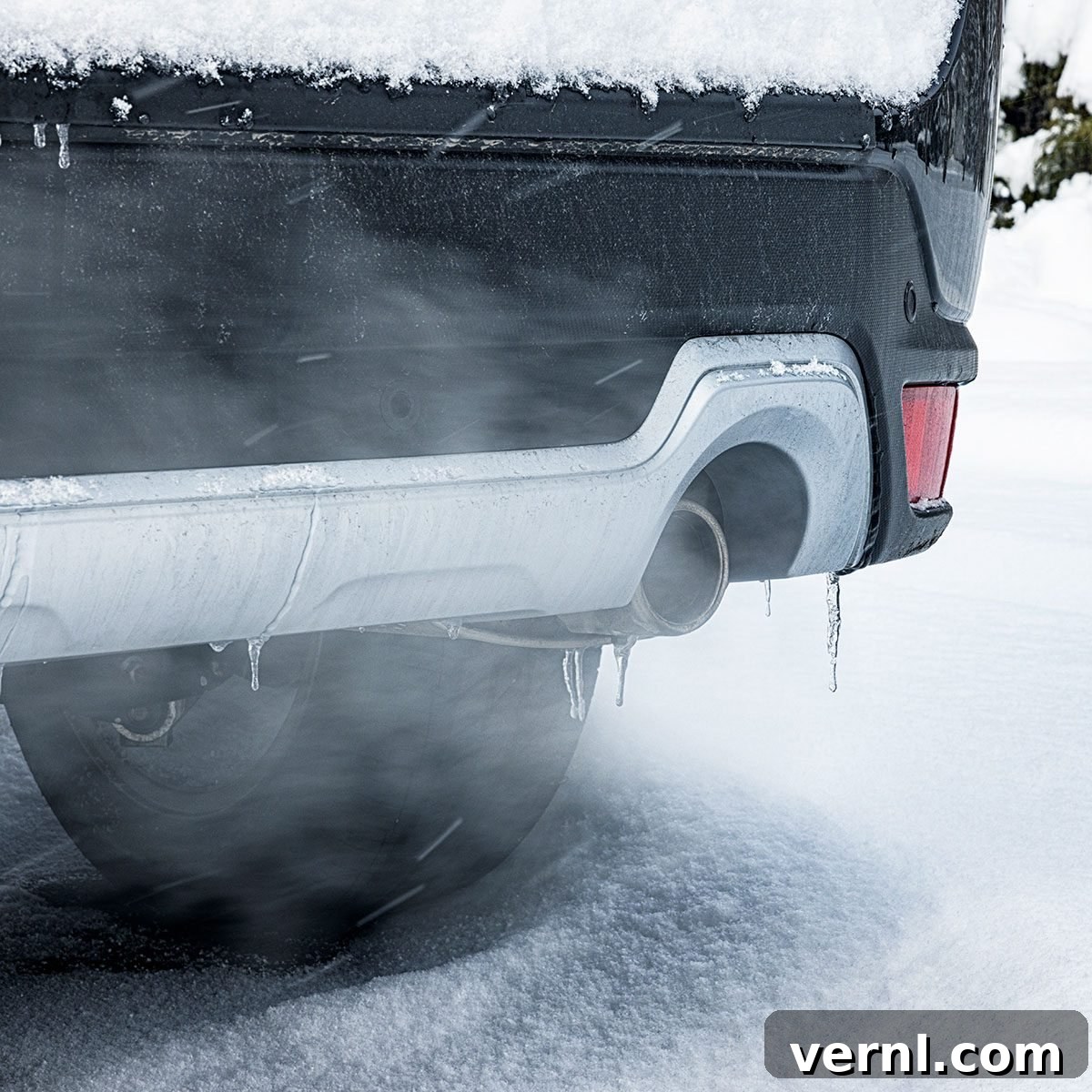
The “Puffing” Dilemma: Warming Up Your Car – Is It Safe, Legal, and Necessary?
The term might sound a bit odd, but if you live in a region that experiences genuinely cold winter mornings, you’re likely familiar with “puffing” – or perhaps you’ve even practiced it yourself.
In simple terms, “puffing” refers to the practice of starting your car, leaving it running, and heading back inside to wait for it to warm up, making the subsequent drive more comfortable. For many in colder climates, it’s a long-standing tradition, a way to combat icy conditions and ensure a less frigid commute. It’s about stepping into a vehicle that’s already reached a tolerable temperature, where the windshield is defrosting and the seats aren’t bone-chilling.
You might know this practice by a different name, as regional variations are common. “Idling” is a frequent synonym, or you might simply describe it as “letting your car warm up while you wait inside.” Regardless of the terminology, the underlying principle remains the same: achieving a more comfortable driving experience by pre-heating the vehicle.
While the logic behind puffing is understandable, a crucial question arises: is it truly safe and, equally important, is it legally permissible? Modern society increasingly prioritizes safety, environmental consciousness, and adherence to regulations. Therefore, it’s vital to examine the potential drawbacks of a practice that has become ingrained in the routines of many winter drivers.
Safety Concerns Associated with Puffing
The primary appeal of puffing lies in the increased comfort and convenience it offers. A pre-warmed car eliminates the discomfort of cold seats, a frozen windshield, a stiff steering wheel, and an icy cabin. It transforms the initial moments of a winter drive from an exercise in endurance to a more pleasant experience.
However, the problem isn’t necessarily the engine running itself. The primary concern stems from leaving a running vehicle unattended. This creates a cascade of potential safety, theft, and environmental problems that warrant careful consideration. The perceived benefits of a warm car must be weighed against these significant risks.
An unattended running car presents several dangers. Firstly, if not properly secured, it can move, potentially causing accidents or property damage. A slight incline, a faulty parking brake, or even a minor bump could set the vehicle in motion. Secondly, exhaust fumes can accumulate near garages or buildings, posing a serious, potentially life-threatening risk of carbon monoxide poisoning. This is especially concerning in enclosed spaces or areas with poor ventilation. Finally, modern vehicles are engineered to warm up efficiently while driving. Prolonged idling is not generally required for proper engine function and may even be detrimental.
Furthermore, the environmental impact of idling is substantial. “Vehicle emissions are the number one source of air pollution in many areas,” according to the North Carolina Department of Environmental Quality. “When a car is idling, it’s also polluting! Idling wastes money and natural resources. It can damage vehicles, pollute the air, and harm our health. Air pollution has been linked to asthma and other respiratory problems.” The cumulative effect of countless vehicles idling across a region can significantly degrade air quality, contributing to respiratory illnesses and other health issues.
The Legality of Puffing: A Patchwork of Regulations
The legality of puffing is far from uniform, varying significantly by country, state, city, and even neighborhood. This creates a complex legal landscape that requires drivers to be aware of the specific regulations in their area. What may be permissible in one location could be a violation in another.
Many U.S. states have laws prohibiting leaving a running vehicle unattended, reflecting concerns about theft and safety. However, some jurisdictions offer exceptions, such as when the car is locked or equipped with a remote start system. It’s crucial to note that the classifications of remote start systems are not universally defined, so understanding local interpretations is essential.
Local laws are generally designed to achieve several objectives: reducing theft, limiting emissions, preventing accidents, and protecting vehicles. An unattended running car is inherently more vulnerable to theft. It also poses a risk of rolling, shifting gears, or being accessed by children or pets, leading to potentially dangerous situations. Additionally, a running car inside a garage or other enclosed space presents a major health risk due to the buildup of carbon monoxide.
Some jurisdictions impose limits on how long a car can run while parked. A brief period of idling in extremely cold weather might be tolerated, while others prohibit it altogether. These time limits are often designed to balance the convenience of warming up a vehicle with the need to minimize emissions and prevent potential hazards.
Many laws include weather-related exceptions, typically related to extremely cold temperatures. In such conditions, limited idling might be permitted to defrost windshields or maintain essential vehicle functions. Another common exception applies to emergency vehicles, delivery trucks, and other work vehicles, which often operate under separate rules due to the nature of their operations.
Private driveways represent a somewhat ambiguous area. While some states or municipalities enforce unattended vehicle laws even on private property, others focus primarily on public roads, parking lots, and privately owned areas accessible to the public. Homeowners associations (HOAs) may also have their own rules regarding idling on private property within their jurisdiction. Therefore, even within the confines of your own property, it’s important to be aware of potential restrictions.
Determining the Rules in Your Area: A Guide to Research
Navigating the intricate web of puffing laws requires a proactive approach. The best way to ensure compliance is to conduct thorough research and understand the specific regulations in your area.
In the U.S., state motor vehicle department websites are a valuable resource. These websites typically provide guidelines outlining what is permitted and prohibited regarding unattended vehicles. However, it’s important to remember that state laws may be further refined or supplemented by local ordinances.
For more localized information, consult your city’s website or contact your local police department. These sources often post seasonal reminders detailing how local laws apply during cold weather. They may also offer clarifications on specific aspects of the regulations, such as permissible idling times or exceptions for certain circumstances.
You can usually find the exact legal language by searching your city’s name along with keywords such as “unattended vehicle” or “idling ordinance.” This will typically lead you to the relevant sections of the municipal code, providing a clear and comprehensive understanding of the law. However, keep in mind that local enforcement practices can vary, so what’s written online may be applied differently during extreme temperatures or specific situations.
Ultimately, regardless of the legal status of puffing in your area, it’s essential to remember that it may not be safe for you, the environment, or your car. Weighing the potential risks against the perceived benefits is crucial in making an informed decision.
Alternatives to Puffing: Safer and More Environmentally Friendly Options
Given the safety, legal, and environmental concerns associated with puffing, exploring alternative methods for warming up your car is a responsible approach. Several options can provide similar benefits without the associated risks.
Remote start systems, when permitted by law and used responsibly, offer a safer alternative. These systems allow you to start your car from a distance, often from inside your home, eliminating the need to leave the vehicle unattended with the keys in the ignition. However, it’s crucial to ensure that the system is properly installed and used in accordance with all applicable regulations.
Another effective option is to use a block heater. These devices plug into an electrical outlet and warm the engine directly, reducing the need for prolonged idling. Block heaters can significantly improve fuel efficiency and reduce emissions, especially in extremely cold weather. They also contribute to easier starting and reduced engine wear.
Furthermore, consider investing in heated seats or a heated steering wheel. These features can provide immediate comfort without the need to pre-warm the entire cabin. They also consume less energy than running the engine for an extended period.
Finally, remember that modern vehicles are designed to warm up efficiently while driving. Starting the car and driving gently for the first few minutes is often sufficient to bring the engine and cabin to a comfortable temperature. Avoid aggressive acceleration or high speeds during this initial warm-up period to minimize engine wear and maximize fuel efficiency.
Conclusion: Making Informed Choices for a Safer and Greener Winter
The practice of “puffing” – warming up your car by leaving it running unattended – is a complex issue with safety, legal, and environmental implications. While the desire for a comfortable winter commute is understandable, it’s crucial to weigh the potential risks against the perceived benefits.
By understanding the laws in your area, exploring safer alternatives, and adopting responsible driving habits, you can ensure a safer, greener, and more enjoyable winter driving experience. Making informed choices is essential for protecting yourself, your community, and the environment.
Sources
- State Department of Motor Vehicles websites
- North Carolina Department of Environmental Quality