From the medical profession to food safety protocols and complex construction projects, color coding is a ubiquitous tool across countless industries. Its applications range from enhancing safety and preventing errors to simply improving convenience and organization. Given its widespread use, it’s natural to wonder about the significance behind the various colors of insulation found in homes and buildings. Does a particular hue signify superior thermal performance, a different material composition, or perhaps a unique fire rating? The common assumption is that color must indicate something crucial about the product’s properties or effectiveness. However, when it comes to the diverse palette of insulation materials, the straightforward answer might surprise you: generally, not much at all.
The visual variety in insulation often leads homeowners and even some industry newcomers to believe that certain colors are inherently “better” or represent specific performance characteristics. This misconception can create confusion when selecting materials for a new build or a home renovation. In reality, the seemingly significant differences in insulation color are usually far less impactful on its actual performance than other factors like R-value, material type, and proper installation. This guide aims to demystify insulation colors, revealing the true reasons behind their appearance and helping you focus on what truly matters when choosing the right insulation for your space.
Demystifying Insulation Colors: Beyond the Surface
One of the most persistent myths in home improvement is that the color of the insulation in your home directly correlates with its R-value, material type, or overall quality. This idea, while understandable given the prevalence of color-coded systems elsewhere, is largely inaccurate for common insulation types. In most cases, the vibrant pinks, yellows, greens, and blues you see in batt and roll insulation don’t signify a different thermal performance level or a unique composition of the primary insulating material. Instead, the color serves a much simpler, albeit important, purpose: it represents the binding agent used by the insulation manufacturer.
Think of the insulation’s color as a manufacturer’s personalized stamp or brand identifier on their product. Just as different car brands might use specific shades for their logos or vehicle interiors, insulation manufacturers often choose a distinct color for the resin that holds their fiberglass or polystyrene fibers together. This practice helps them differentiate their products from competitors in the market and can make it easier for distributors and installers to identify a particular brand on a job site. For the homeowner, however, focusing on the color can be a misleading approach. Understanding this distinction is crucial for making informed decisions, directing your attention away from superficial characteristics and towards the core properties that truly impact your home’s energy efficiency and comfort.
Fiberglass Insulation 101: The Role of Resin
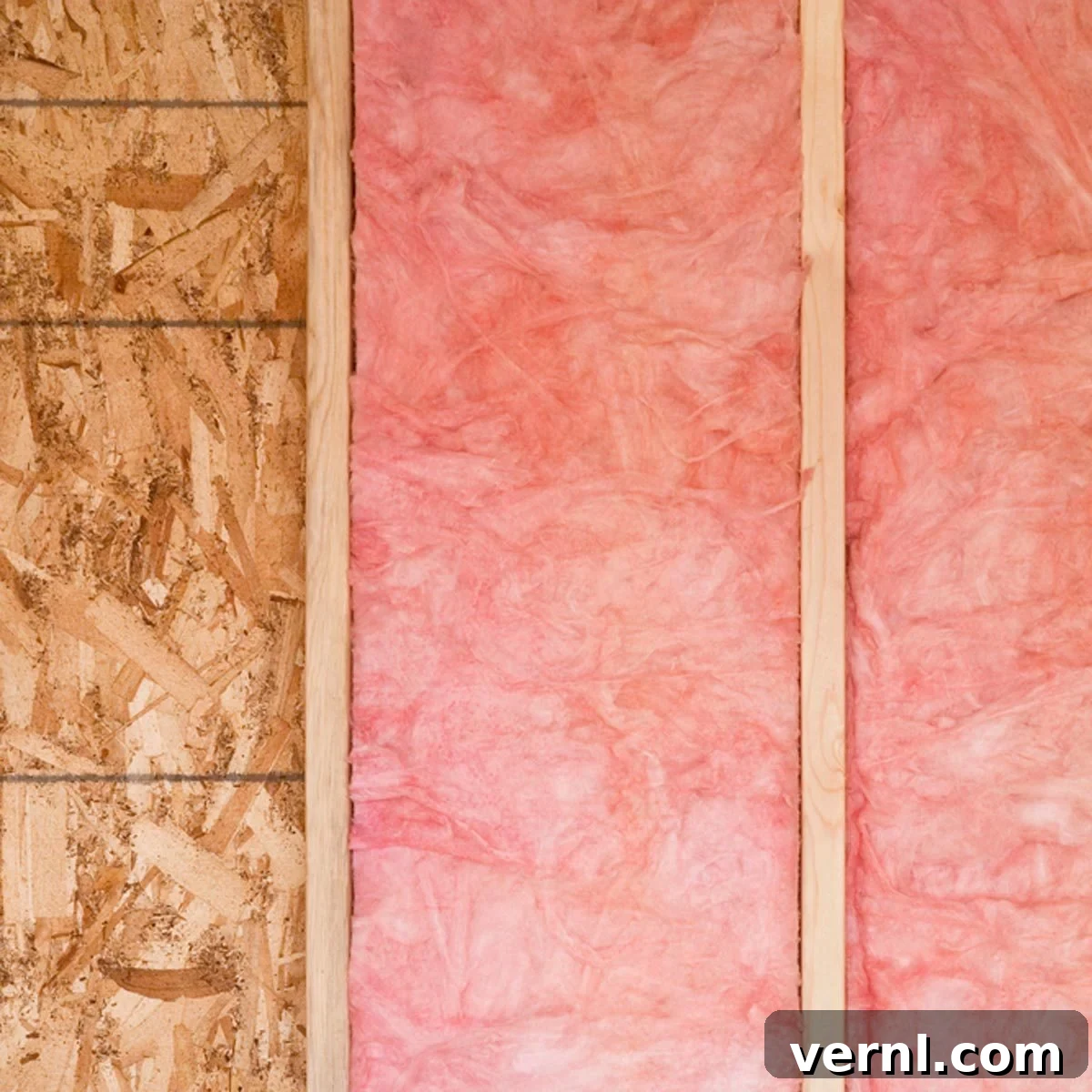
Fiberglass is undeniably one of the most popular and widely used forms of insulation in the United States, favored for its effectiveness, affordability, and ease of installation in many applications. At its core, fiberglass itself is clear or translucent, composed of microscopic strands of glass spun into a wool-like texture. It’s the air pockets trapped within these fibers that provide its excellent thermal resistance. However, for fiberglass to be formed into batts, rolls, or even loose-fill, these individual fibers need to be held together. This is where the binding agent, typically a resin, comes into play, and it’s the color of this resin that ultimately determines the color of the finished insulation product.
During the manufacturing process, after the glass fibers are spun, they are sprayed with a thermosetting resin and then heat-cured. This resin binds the fibers together, giving the insulation its structural integrity and allowing it to be cut and handled without falling apart. If the manufacturer opts to use a pink-colored resin, the resulting insulation will be pink. Similarly, if they choose a green, yellow, or white resin, the insulation will adopt that specific hue. Iconic examples include Owens Corning’s recognizable pink fiberglass and CertainTeed’s yellow or white variants. These colors are essentially proprietary choices, reflecting brand identity rather than any inherent difference in the glass fibers themselves or the insulation’s R-value per inch. This principle also extends to polystyrene insulation, which similarly uses dyes in its manufacturing process to achieve its characteristic colors like blue or pink.
Therefore, when you encounter fiberglass insulation in various colors, remember that you’re primarily seeing the manufacturer’s chosen dye for their binding agent. The performance of the insulation, particularly its R-value (a measure of its thermal resistance), is determined by its density, thickness, and how effectively it traps air, not by its cosmetic color. Always refer to the product specifications and R-value ratings printed on the packaging to understand its true insulating capabilities, rather than relying on its visual appearance.
Other Key Types of Insulation and Their Colors
While fiberglass and polystyrene are prevalent, two other popular forms of insulation offer distinct characteristics and appearances: cellulose fiber insulation and spray foam insulation. Each has its own story behind its typical coloration, often tied more closely to its raw materials or chemical composition.
Cellulose Insulation: The Eco-Friendly Gray
Cellulose insulation generally presents a distinctive gray or dull brown color. This is because cellulose is primarily made from recycled paper products, such as newspapers and cardboard, which are then treated with fire-retardant chemicals. The natural color of the recycled paper, combined with the additives, gives cellulose its characteristic muted tone. Unlike fiberglass, where color is added via a binder, cellulose’s color is a direct reflection of its sustainable origins. Beyond its eco-friendly composition, cellulose is highly regarded for its excellent sound-dampening properties and its inherent resistance to rodents, insects, mold, and mildew, thanks to the borate treatments applied during manufacturing. Its dense packing also makes it an effective air blocker, contributing significantly to a home’s energy efficiency.
Spray Foam Insulation: Dynamic Hues and Oxidation
Spray foam insulation, known for its superior air-sealing capabilities and high R-value per inch, is often a more costly investment than both fiberglass and cellulose. This advanced insulation can come in a variety of colors, including green, purple, yellow, and white, depending on the manufacturer and the specific chemical formulation (open-cell vs. closed-cell). These initial colors are typically due to dyes added during the manufacturing process, similar to fiberglass. However, a unique characteristic of spray foam is that its color often changes over time. Exposure to ultraviolet (UV) light, air, and general oxidation can cause the foam to darken, yellow, or take on an amber hue as it ages. This natural discoloration does not typically indicate a degradation in its insulating performance, but rather a chemical reaction to its environment.
For those who desire a specific aesthetic, particularly in exposed areas, according to Dakota Spray Foam Insulators, it is possible to dye the foam during installation or paint it after it has fully cured. This flexibility can be beneficial for aesthetic purposes, although spray foam is usually installed in areas where its appearance is not a primary concern, such as within wall cavities or under floors.
When Insulation Color Might (Slightly) Matter
While the overarching message is that insulation color is largely irrelevant to its performance, there are extremely niche scenarios where color *might* convey a subtle piece of information, though these are typically not performance-related for the homeowner. For instance, some manufacturers might use a specific, unique color for a proprietary blend that includes certain additives, such as enhanced pest deterrents or specific fire retardants, as a quick identifier for their own internal quality control or for very specialized distributors. Similarly, on large construction sites, different colors from the same manufacturer might be used by installers to quickly differentiate between two different R-values of the same product type or different widths of batts without having to read labels constantly. However, these instances are rare and usually fall within proprietary or logistical contexts, rather than providing direct performance cues to the average consumer. For homeowners, relying on product labels, specifications, and R-value ratings remains the most accurate way to understand insulation properties, entirely independent of its visual color.
Choosing the Right Insulation for Your Home: Focus on Facts, Not Hues
With the myth of insulation color debunked, it’s essential to shift your focus to the truly critical factors when selecting insulation for your home. Making an informed decision goes far beyond aesthetics and delves into the science of thermal dynamics and building efficiency. Here are the key considerations that truly impact your home’s comfort, energy bills, and long-term performance:
- R-Value: This is arguably the most important metric. R-value measures thermal resistance, indicating how well the insulation resists heat flow. A higher R-value means better insulating power. Your geographical location, local building codes, and the specific area you’re insulating (walls, attic, crawl space) will dictate the recommended R-value. Always prioritize achieving the appropriate R-value for your climate zone.
- Material Type: As explored, fiberglass, cellulose, spray foam, and polystyrene each have unique properties. Consider the pros and cons of each in relation to your specific needs. For instance, spray foam offers superior air sealing, cellulose provides excellent sound dampening, and fiberglass is often the most budget-friendly option.
- Installation Location and Method: Different insulation types are better suited for different areas of your home. Batts and rolls are common for wall cavities and attics, loose-fill is ideal for irregularly shaped spaces, and spray foam is excellent for sealing gaps and hard-to-reach areas. The ease and method of installation (DIY vs. professional) should also be factored in.
- Budget: Insulation costs vary significantly by material, R-value, and installation complexity. While it’s an investment that pays off in energy savings, it’s crucial to align your choice with your financial plan.
- Environmental Impact and Health Considerations: If sustainability is a priority, cellulose (made from recycled materials) might be attractive. Consider any potential sensitivities to fibers or chemicals. Most modern insulation products are safe, but it’s always good to be aware.
- Air Sealing Capabilities: Insulation alone won’t achieve optimal energy efficiency if your home is leaky. Spray foam excels at air sealing, while other types require complementary air sealing measures (e.g., caulking and weatherstripping) to perform at their best.
By concentrating on these practical aspects, you can make an educated choice that will genuinely contribute to a more energy-efficient, comfortable, and sustainable living environment. Don’t let the superficial variations in color distract you from the technical specifications and real-world benefits that truly matter. When in doubt, consulting with a qualified insulation professional can provide tailored recommendations based on your home’s unique characteristics and your specific goals.
Conclusion: The True Meaning Behind Insulation Hues
In conclusion, the fascinating array of colors found in modern insulation products – from vibrant pinks and blues to earthy grays and yellows – largely serves a purpose far removed from indicating performance or quality. For common materials like fiberglass and polystyrene, color is predominantly a manufacturer’s branding choice, derived from the dyes used in their binding agents or manufacturing processes. It acts as a visual signature, helping to differentiate one brand’s product from another in a competitive market.
While cellulose insulation’s gray hue is a direct consequence of its recycled paper origins, and spray foam’s initial color can evolve due to natural oxidation, these visual traits rarely, if ever, directly inform a product’s R-value or overall effectiveness. The critical takeaway for homeowners is clear: when evaluating insulation, look beyond the color. True insulating power is measured by factors such as R-value, material composition, density, and professional installation. These are the elements that genuinely contribute to energy efficiency, indoor comfort, and the long-term integrity of your home’s thermal envelope. By prioritizing these tangible metrics over aesthetic distinctions, you can make a truly informed decision, ensuring your investment in insulation delivers maximum benefit and lasting value.