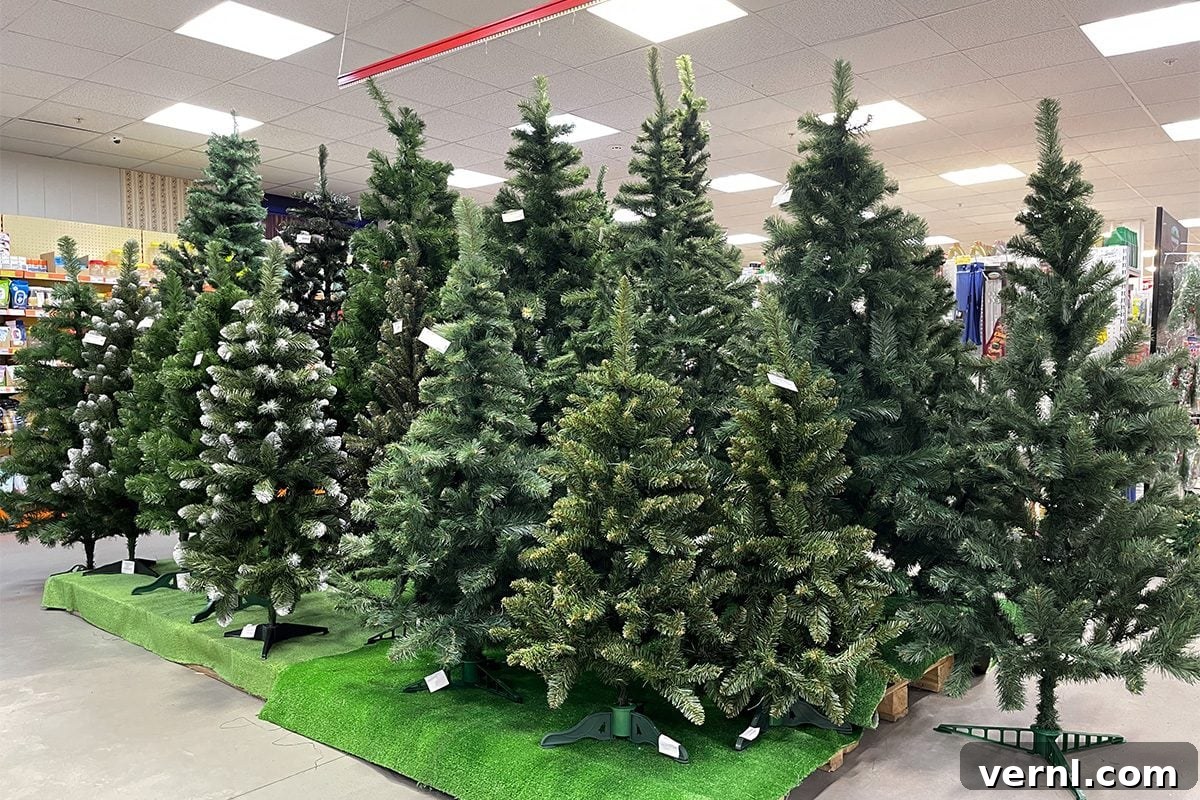
Are Fake Christmas Trees a Hidden Health Hazard? A Comprehensive Guide
Christmas trees, a cherished symbol of the holiday season, are traditionally associated with warmth, light, and festive cheer. However, beneath the sparkling tinsel and twinkling lights, a less cheerful reality might be lurking: potential health hazards associated with artificial Christmas trees. These hazards can range from mold and allergens to the release of chemical vapors, prompting a reevaluation of this beloved holiday tradition.
Since their introduction in the 1930s, artificial trees have surpassed real trees in popularity. Today, approximately 77 percent of households in the United States opt for a fake tree each year. If you’re among them, it’s essential to be aware of the potential health risks associated with these artificial alternatives. This comprehensive guide, featuring insights from experts like Mike Schade at Toxic Free Future, Michael Sacenti from American Healthy Homes, and Michael Church from Crawl Space Ninja, delves into the potential dangers and provides practical tips for a healthier holiday season.
The Unexpected Dangers of Stored Christmas Trees
What happens to your artificial Christmas tree while it’s packed away for most of the year? Unfortunately, storage conditions can significantly impact the tree’s health and, consequently, your own. During the months of storage, particularly if uncovered, Christmas trees can accumulate dust, debris, and even attract pests. Exposure to sunlight or warm temperatures can also degrade the materials used in their construction, leading to faded or brittle needles.
Potential Health Risks Associated with Fake Christmas Trees
While offering convenience and longevity, fake Christmas trees can introduce various indoor air quality concerns and expose you and your family to potentially harmful chemicals.
Mold and Mildew Growth
If stored in a humid environment, artificial Christmas trees can become breeding grounds for mold and mildew. Michael Sacenti explains, “All mold needs moisture, darkness, and organic material to grow.” Although the tree itself is typically made of non-organic polyvinyl chloride (PVC), mold can thrive on accumulated dust, pet hair, or dander. When the tree is then stored in a dark, damp place, mold growth is accelerated during the off-season. “It’s the perfect growing environment,” Sacenti emphasizes.
Exposure to mold and mildew can trigger a range of allergic reactions, including sneezing, itchy eyes, and wheezing, especially in individuals with pre-existing mold allergies. These conditions can be particularly risky for those who are immunocompromised or suffer from lung conditions.
Pest Contamination
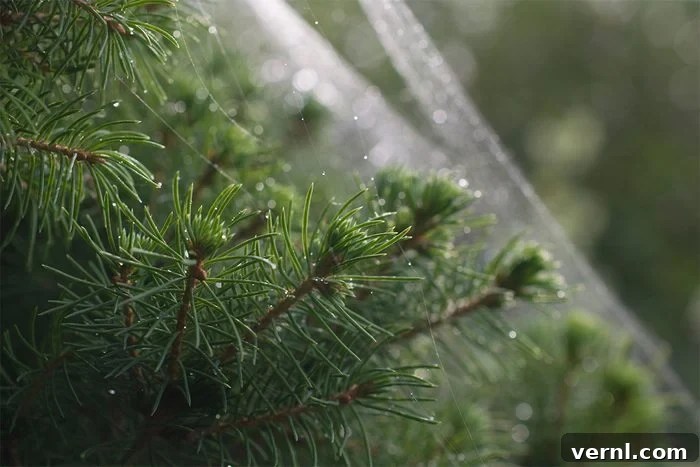
Stored Christmas trees can become havens for unwanted guests, including bugs and vermin, particularly in damp basements. Michael Church notes, “Pests like bugs, termites, arachnids, mice, and snakes all love moist spaces.” Spiders are commonly found, and carpet beetles can feed on dust or pet hair accumulating on the tree. Thoroughly cleaning the tree before storage can significantly reduce the risk of infestation.
Mice may also nest in a fake Christmas tree, even when stored correctly, as it offers a quiet, dark hiding place with readily available materials for nest building.
Allergen Accumulation
If not properly covered during storage, fake Christmas trees can collect significant amounts of dust, pollen, pet dander, and other debris throughout the year. When the tree is brought back into the home for the holidays, these particles are released into the air, potentially triggering allergy symptoms in sensitive individuals. Always store Christmas trees in sealed bags or containers to minimize allergen exposure.
Chemical Exposure from PVC
The majority of artificial Christmas trees are made of PVC, which Mike Schade refers to as “the poison plastic” due to its production involving hazardous chemicals such as vinyl chloride, a known carcinogen. “PVC products also commonly contain toxic additives such as lead, cadmium, organotins, and phthalates, which can migrate or leach out over time,” he explains. Exposure to these chemicals has been linked to an increased risk of endocrine disruption, developmental delays, and certain types of cancer.
Understanding Chemical Off-Gassing
New PVC products release volatile organic compounds (VOCs) into the air in a process known as off-gassing. These chemical vapors can cause headaches and breathing discomfort in some individuals. Allowing the tree to air out outdoors for several days can help reduce exposure. Additionally, artificial Christmas trees are often treated with flame retardants, which also off-gas and settle into household dust. Exposure to flame retardants has been associated with hormonal issues, developmental disruption, and certain cancers.
Properly Storing Your Christmas Tree: A Step-by-Step Guide
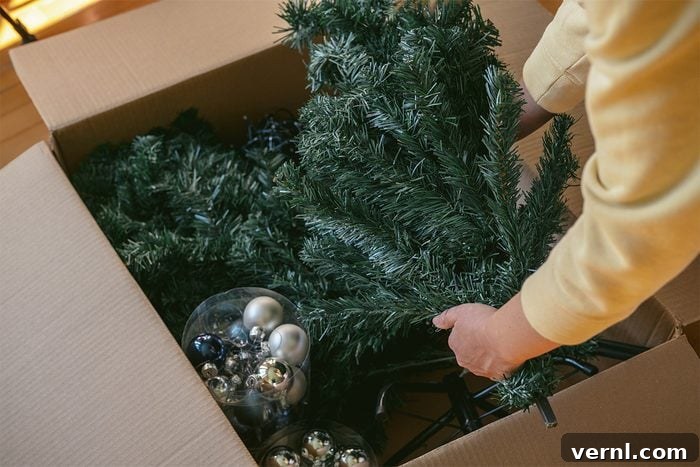
Storing your artificial Christmas tree correctly can significantly minimize the risks associated with mold, allergens, and chemical exposure. Follow these steps:
- Remove all lights and ornaments from the tree.
- Disassemble the tree from the top down.
- Wipe each section down with a damp, microfiber cloth to remove accumulated dust and pet fur. Alternatively, use a leaf blower on a low setting outdoors.
- Carefully push the branches down against the trunk.
- Place the tree sections inside a Christmas tree storage bag or a large plastic tote with a lid.
- Store the tree sections in a cool, dry area away from sunlight for the duration of the off-season.
Frequently Asked Questions (FAQ)
When is it time to replace my artificial tree?
Look for signs such as brittle or faded needles, broken branches, or a loss of fullness. Malfunctioning lights on pre-lit trees are another indicator. The tree’s original quality, storage conditions, and usage will all impact its longevity.
Can I clean my fake tree?
Yes, it’s highly recommended to clean your fake Christmas tree before storage to remove accumulated dust, pet fur, or dander. Use a damp microfiber cloth to wipe down all surfaces, or use a leaf blower outdoors on a low setting.
About the Experts
- Michael Church is Founder and CEO of Crawl Space Ninja, a home service company specializing in crawl space management. He also hosts the homeowner educational YouTube Channel, Crawl Space Ninja.
- Michael Sacenti owns American Healthy Homes. He has 10 years of experience in the mold remediation industry and 40 years of experience in real estate maintenance.
- Mike Schade is Senior Director of Programs and Strategy for Toxic Free Future, a non-profit committed to environmental health research and advocacy.
Sources
- The Center for Health, Environment & Justice Artificial Christmas Tree
- Environment International Human health risk associated with brominated flame-retardants (BFRs) (2015)
- International Journal of Environmental Research and Public Health Effects and Mechanisms of Phthalates’ Action on Reproductive Processes and Reproductive Health (2020)
Related Articles
- 7 Reasons Why Your Houseplants Might Stink
- 8 Must-Know Tips to Drought-Proof Your Lawn
- Tired of Raking Leaves? Plant These Trees Instead