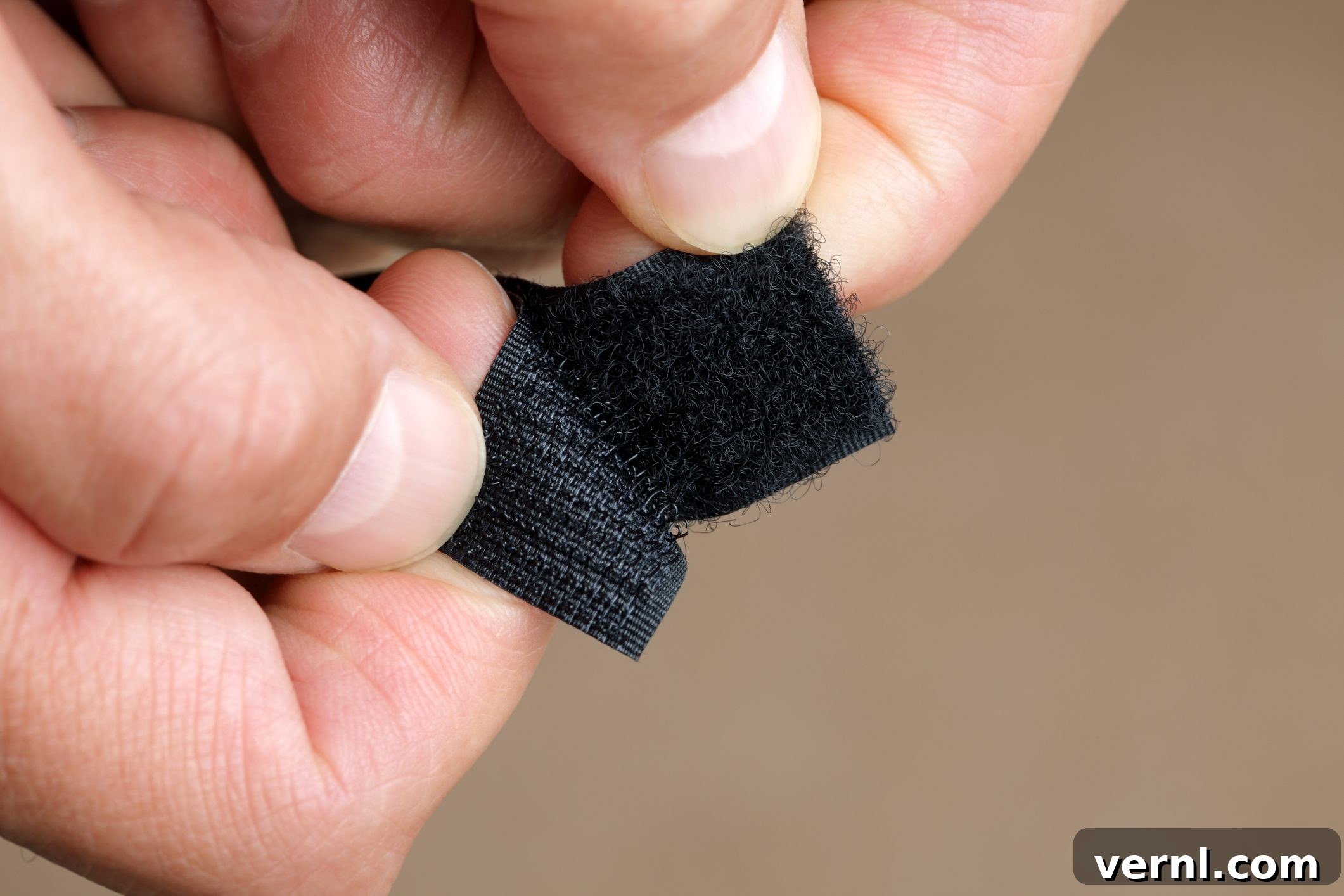
Velcro fasteners are an undeniable marvel of modern innovation, seamlessly integrated into countless aspects of our daily lives. From securing our footwear and organizing our cables to fastening apparel and home furnishings, these ingenious hook and loop systems offer unparalleled convenience and versatility. However, with their widespread use comes a common challenge: the notorious ability of the hook side to attract and accumulate an unsightly collection of hair, lint, pet fur, and other debris. This accumulation not only detracts from their appearance but, more importantly, severely compromises their ability to stick effectively, diminishing their functionality and lifespan. Fortunately, restoring your hook and loop fasteners to their original gripping power is a straightforward process, requiring just a few simple tools and techniques.
This comprehensive guide delves into the most effective methods for cleaning and maintaining your fasteners, drawing on expert advice directly from VELCRO® Companies. We’ll explore why debris gathers, how to meticulously clean both the rough hook side and the softer loop side, and crucially, how to prevent future build-up, ensuring your fasteners remain reliable and efficient for years to come.
Mastering Velcro Maintenance: A Comprehensive Guide to Cleaning Hook and Loop Fasteners
Understanding VELCRO® Brand Hook and Loop Fasteners
Before diving into the practical steps of cleaning, it’s essential to clarify a common misconception regarding the term “Velcro.” While widely used as a generic descriptor, Velcro is, in fact, a registered trademark. Mark Elliott, Director of Internal and Corporate Communications at VELCRO® Companies, emphasizes this distinction: “We spend a lot of time educating people that Velcro is not the product; it’s the company name.” This is similar to how “Band-Aid” refers to a specific brand of adhesive bandages, or “Kleenex” to a brand of facial tissues—a trademarked name that’s become a commonly used term.
The innovation that revolutionized fastening technology is known generically as a “hook and loop fastener.” The VELCRO® Brand invented this groundbreaking design, inspired by Swiss engineer Georges de Mestral’s observation of burrs clinging to his dog’s fur after a walk in the woods in the 1940s. His meticulous study of these natural hooks and loops led to the creation of what we now widely recognize. While VELCRO® Brand fasteners are the original and most well-known, many other companies now produce similar hook and loop fastening systems.
“It’s important to know that every piece of hook and loop could be a little different,” Elliot explains. This variation can manifest in the material composition (e.g., nylon, polyester), the density and stiffness of the hooks, and the overall construction. While the principles of cleaning outlined in this guide are generally applicable to most hook and loop fasteners, the primary focus and expert insights are tailored to VELCRO® Brand products, renowned for their quality, durability, and consistent performance.
The Anatomy of Hook and Loop: Why Debris Sticks
Hook and loop fasteners consist of two distinct components that work in tandem: the hook side and the loop side. The rougher hook side is typically made from resilient materials like nylon or polyester, featuring an array of microscopic, rigid hooks designed to interlock with the softer, fuzzy loops on the opposing side. When these two sides are pressed together, thousands of tiny connections are formed, creating a strong yet easily separable bond. When separated, these minute hooks act like miniature grappling devices, readily snagging and holding onto loose fibers, lint, pet hair, dust, and other small particles they encounter. The softer loop side, conversely, is less prone to collecting debris due to its closed-loop structure, though it can still accumulate some over time, particularly if exposed. Understanding this fundamental design helps us focus our cleaning efforts where they’re most needed – on the prolific hook side.
Why Regular Cleaning of Your Fasteners is Essential
Beyond mere aesthetics, maintaining the cleanliness of your hook and loop fasteners is crucial for several significant functional reasons. Neglecting their care can lead to a rapid decline in performance and a shortened lifespan for both the fastener and the item it’s attached to.
- Restored Adhesion and Optimal Performance: The most significant benefit of cleaning is the restoration of the fastener’s gripping power. Debris acts as a physical barrier, preventing the hooks from properly engaging with the loops. This results in a weak, intermittent, or completely non-existent bond, rendering the fastener ineffective. Cleaning removes these impediments, allowing the hooks to do their job efficiently.
- Extended Lifespan of the Fastener: A clean fastener experiences less stress during engagement and disengagement. Embedded dirt and matted hair can cause the delicate hooks to bend, fray, or break prematurely. By regularly clearing debris, you help the hooks maintain their original shape and rigidity, directly contributing to the product’s overall durability and functional life, ensuring it can withstand thousands of cycles of use.
- Improved Hygiene and Odor Control: For items like pet accessories, medical braces, sports gear, or even children’s clothing, accumulated dirt, sweat, skin cells, and pet dander can harbor bacteria and unpleasant odors. Regular cleaning, especially washing, helps maintain sanitary conditions and prevents the growth of microbial contaminants, making your items safer and more pleasant to use.
- Enhanced Appearance and Professionalism: Fasteners free of lint, hair, and grime look much tidier and professional. This maintains the aesthetic integrity of the items they’re attached to, whether it’s a stylish jacket, a neat cable management system, or a functional piece of equipment.
- Prevent Damage to Other Fabrics: When the hook side of a fastener is clogged with debris, it can become less sticky and more abrasive. An exposed, dirty hook side is far more prone to snagging on other delicate fabrics in the laundry, during storage, or even during everyday wear, potentially causing pulls, pills, or tears in valuable garments.
How to Effectively Clean VELCRO® Brand Hook and Loop Fasteners
Cleaning your VELCRO® Brand hook and loop fasteners doesn’t require specialized equipment; many effective tools are likely already available in your home. The key is to approach the task methodically, focusing primarily on the rough hook side where most debris accumulates. Before you begin, gather your chosen tools and ensure you have good lighting to spot all the hidden grime.
1. The Brushing and Combing Method: Your First Line of Defense
According to Mark Elliott, the simplest and often most effective way to clean VELCRO® Brand hook and loop fasteners is by brushing them out. This method is akin to cleaning a hairbrush, making it intuitive and accessible for everyone.
- Using a Stiff Toothbrush: An old, stiff-bristled toothbrush is an excellent and readily available tool for dislodging trapped hair, lint, and fine fibers. Hold the fastener taut and brush firmly and systematically in one direction, raking the bristles through the hooks. For optimal results, brush against the grain of the hooks, allowing the bristles to get underneath and lift out deeply embedded particles. Repeat this process, working in small sections, until a significant amount of dirt is visibly removed. Don’t be afraid to apply a good amount of pressure.
- Utilizing a Fine-Tooth Comb: For fasteners with larger or more widely spaced hooks, a fine-tooth comb can be remarkably effective. Just like with the toothbrush, drag the comb through the hook side, allowing the teeth to catch and pull out hair, lint, and other fibers. For deeply embedded debris, you may need to apply a bit more pressure and make several passes. After each pass, use your fingers to clear the debris from the comb’s teeth. Remember, patience is key, especially if there’s a heavy build-up of pet hair or tangled threads. “It does take some work if something’s really bound in there,” Elliott warns.
- Specialized Brushes: Some consumers find dedicated Velcro cleaning brushes or wire brushes (like those used for suede shoes or barbecue grills, but with finer bristles) to be highly efficient. These often have stiffer, more aggressive bristles designed specifically for this task and can expedite the cleaning process, particularly for heavily soiled fasteners.
- Vacuum Cleaner with Crevice Tool: For loose, surface debris that has been loosened by brushing or combing, a vacuum cleaner with a small crevice tool attachment can quickly suck away lint and hair. This is particularly useful for larger areas of Velcro on furniture, rugs, or car interiors, offering a quick follow-up to manual brushing.
2. The “Hook-Grabs-Hook” Technique: Fighting Fire with Fire
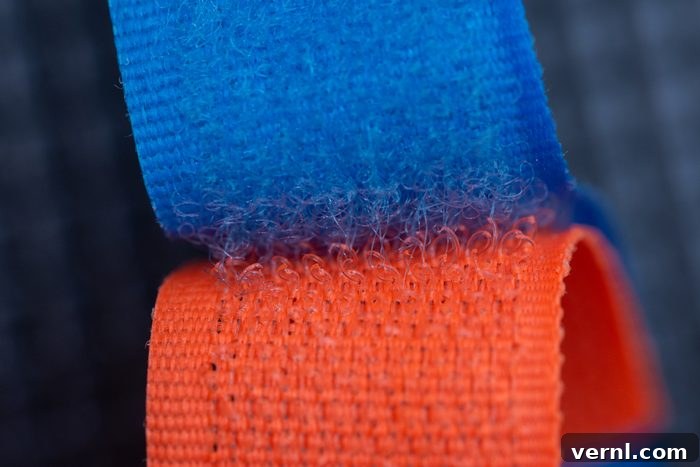
If you don’t have a spare toothbrush or comb readily available, or if the debris is particularly fine and fibrous (like very short hairs or fine dust), Elliott suggests an ingenious method: using another piece of hook fastener. “It takes a little bit of doing, but you use the hooks to grab the other hooks and then pull out any attached debris,” he explains.
To employ this technique, take a clean piece of hook fastener (or even the hook side of another Velcro strip) and firmly press it against the dirty hook side. The clean hooks will latch onto the trapped debris in the dirty fastener, effectively transferring the lint and hair from one set of hooks to the other. Then, slowly and firmly peel the clean piece away, and much of the hair and lint should come with it. You might need to repeat this process several times, repositioning the clean hook piece to cover different areas of the dirty fastener, until the debris is sufficiently removed. This method is particularly effective for collecting the fine, almost invisible fibers that can accumulate.
3. Manual Removal for Stubborn Particles: Precision Cleaning
For larger, more stubborn pieces of debris, or when precision is required for deeply embedded particles, manual removal can be effective, albeit often time-consuming. This method is particularly useful for individual strands of hair, small pebbles, hardened bits of grime, or matted clumps of fur that resist brushing.
- Tweezers: A pair of fine-tipped tweezers can be invaluable for plucking out embedded threads, stubborn individual hairs, or small clumps of lint that other methods might miss. Work patiently, gripping individual pieces of debris and pulling them out from the base of the hooks.
- Needle or Pin: For extremely tiny or deeply lodged particles that are impossible to grasp with tweezers, a sewing needle or a safety pin can be used with extreme caution to carefully pry them out. Gently work the tip of the needle under the debris and lift it away. Be very gentle to avoid damaging the delicate hooks themselves, as bending or breaking them will permanently impair the fastener’s performance.
- Fingers: While tedious for extensive cleaning, simply picking out larger pieces of pet hair or clumps of fluff with your fingers is always an option for a quick, spot clean-up.
4. Utilizing Everyday Household Tools: Creative Solutions
Beyond the primary methods, some common household items can be repurposed for effective Velcro cleaning, offering creative solutions for specific types of debris:
- Tape Dispenser Serrated Edge: Mark Elliott notes that some individuals have found success using the serrated metal strip found on a tape dispenser. Carefully and gently drag the serrated edge across the hook side to snag and lift out debris. Exercise extreme caution to avoid damaging the fastener or yourself during this process. This method can be surprisingly effective for collecting fine, fibrous material.
- Lint Rollers or Strong Adhesive Tape: While primarily designed for flat surfaces, a strong lint roller or a piece of heavy-duty packing tape (or duct tape) can be pressed firmly onto the hook side and then quickly peeled away. This can be effective for surface lint and loose hairs, but it is typically less successful for deeply embedded grime or stiff, matted debris that needs to be dislodged from the hooks.
5. The Washing Method: Deep Cleaning for Embedded Grime and Oils
When your VELCRO® Brand fastener has a persistent build-up of oil, grease, caked-on mud, or other deeply adhered grime that brushing or picking cannot remove, washing is the ultimate solution. Hook and loop fasteners are surprisingly resilient and can typically be submerged in water without issue.
- Machine Washing Instructions: For items where the fastener is sewn onto a machine-washable fabric (e.g., clothing, bags, pet beds), machine washing is often the most convenient and thorough method.
- Engage the Fasteners: Crucially, always engage (close) the hook and loop fasteners together before placing the item in the washing machine. This is paramount for several reasons: “That helps maintain the strength and rigidity of the hook and loop, but the water will still penetrate and wash away most dirt,” Elliott advises. Engaging the fasteners also prevents the exposed hooks from snagging on other garments in the wash, potentially damaging them, or attracting more lint and debris during the washing cycle.
- Use a Laundry Bag (Optional but Recommended): For extra protection, especially if washing delicate items or multiple items with Velcro, consider placing them in a mesh laundry bag. This further minimizes friction and potential snagging.
- Select Gentle Cycle and Cold Water: Choose a gentle or delicate cycle with cold or lukewarm water. Harsh cycles and hot water can degrade the materials (especially nylon and polyester) over time, potentially weakening the hooks or the adhesive if present.
- Mild Detergent: Use a standard, mild laundry detergent. Avoid bleach or harsh chemical-laden detergents unless absolutely necessary and specifically recommended for the fabric and fastener type, as these can be detrimental to the material’s integrity.
- Air Dry: After washing, always air dry the item. High heat from a tumble dryer can melt, distort, or weaken the delicate plastic hooks and loops, permanently compromising their function and potentially shrinking the fabric they are attached to. Lay the item flat or hang it in a well-ventilated area to dry completely.
As an added precaution, especially for items with particularly tenacious hooks or if you’re concerned about other garments in the same load, you might want to wash items with VELCRO® Brand fasteners separately.
- Hand Washing/Rinsing Under the Tap: If the item containing the fastener is not machine washable (e.g., adhesive-backed Velcro strips that might lose their bond, very delicate fabrics, or items that cannot be submerged), hand washing is an excellent and gentle alternative.
- Engage Fasteners: Just like machine washing, close the hook and loop before cleaning to protect the hooks.
- Warm Water and Mild Soap: Hold the engaged fastener under warm running water. Apply a small amount of mild liquid soap (dish soap works well for cutting through grease and oils) directly to the dirty areas. Gently rub the fastener surfaces with your fingers or a soft cloth.
- Brush (Optional): For stubborn spots or particularly matted areas, use a soft brush (like an old toothbrush) while rinsing to work the soap into the debris and dislodge it.
- Rinse Thoroughly: Ensure all soap residue is rinsed away completely under running water. Leftover soap can attract new dirt and leave a film.
- Air Dry: Gently squeeze out excess water from the item. Allow the fastener and the item to air dry completely in a well-ventilated space, away from direct heat.
Preventing Velcro From Getting Dirty: Long-Term Maintenance
While knowing how to meticulously clean your VELCRO® Brand fasteners is essential, proactively preventing dirt accumulation will significantly reduce your cleaning efforts and extend their functional life. “VELCRO® Brand hook and loop lasts a very long time. When cared for, it can be engaged and disengaged thousands and thousands of times, so a little maintenance always goes a long way,” Mark Elliott emphasizes. By adopting these simple preventative measures, you can ensure your fasteners remain performing optimally and looking pristine for years.
Adopt these simple maintenance tips to keep your hook and loop fasteners working well and looking good for longer:
-
Keep the Fasteners Engaged at All Times: This is arguably the most crucial preventative measure. Whenever your hook and loop fastener is not in active use, ensure the hook side is fully covered and securely engaged by the loop side. “We always recommend that the hook portion be covered at all times so as to not grab on to hair or other materials that might engage with the hook,” Elliott says. This simple act not only prevents debris from attaching in the first place but also helps the delicate hooks maintain their original shape, rigidity, and “memory,” which are crucial for effective adhesion and long-term performance.
-
Regular, Quick Debris Removal: Don’t wait for a significant build-up to occur. Make it a habit to quickly brush off or pick out any visible strands of hair, bits of lint, or other small particles as soon as you notice them gathering. This proactive approach takes only a few seconds and prevents small issues from escalating into a time-consuming cleaning chore. A large accumulation of debris compromises the structural integrity of the hooks over time, making them less effective and much harder to clean thoroughly once deeply embedded.
-
Proper Storage of Items: When storing items with hook and loop fasteners (e.g., winter coats, sports equipment, tool bags, camping gear), ensure the fasteners are always closed and engaged. If they are left open and exposed, they can easily pick up dust, fibers, pet hair, and other airborne particles from their storage environment. Consider storing such items in dust-free environments, garment bags, or protective containers when not in use to minimize exposure to dirt.
-
Mindful Use and Application-Specific Advice: Be conscious of the environments where your hook and loop fasteners are likely to pick up debris. For instance, if you’re working with fibrous materials, around pets, or in dusty areas, try to minimize the exposure of open fasteners. For items like reusable cable ties, ensure they are secured and not dragging on dusty floors. For clothing, check fasteners before and after wearing in areas prone to lint or pet hair.
About the Expert
-
Mark Elliott is the Director of Internal and Corporate Communications at Velcro Companies. His invaluable insights and expert advice for this article were gathered from a video interview conducted on January 10, 2025.