
Navigating In-Car Screens and Driving Laws: A Comprehensive Guide for Safe and Legal Driving
The modern driving experience is increasingly intertwined with screens. From touchscreen dashboards to rear-seat entertainment systems, technology is pervasive in our vehicles. While these advancements offer convenience and entertainment, they also introduce potential distractions. Understanding the legal landscape surrounding in-car screen usage is crucial for maintaining safety and avoiding legal repercussions.
This comprehensive guide explores federal safety standards and state laws governing in-car video screens. We’ll delve into what’s permissible, what’s prohibited, and the nuances that every driver needs to know to stay compliant and focused on the road.
Federal Safety Standards and In-Car Technology
Driving laws are primarily state-specific, but federal safety standards provide a foundational understanding of acceptable in-car technology. Agencies like the National Highway Traffic Safety Administration (NHTSA) play a pivotal role in setting these standards, primarily focusing on vehicle manufacturing rather than individual driver behavior.
NHTSA’s guidelines mandate automakers to design systems that inherently limit potentially distracting features when a vehicle is in motion. This means that if you’re driving a factory-standard vehicle without aftermarket modifications, it’s highly likely your car adheres to these federal codes.
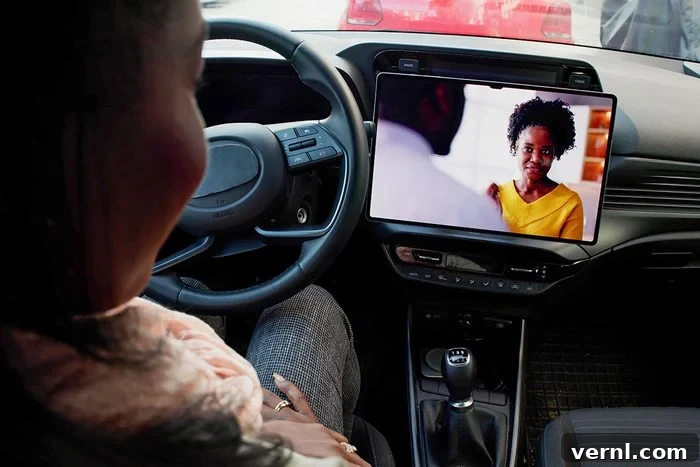
One common implementation of these standards is the restriction of video playback on front screens once the vehicle is shifted out of “park.” While video entertainment is disabled, drivers typically retain access to essential functions such as navigation maps, climate control, and audio systems. Manufacturers strategically program these systems to minimize visual distractions, and dealerships generally do not override these safety restrictions.
Rear-seat entertainment systems, designed for passenger use, generally fall outside the purview of these restrictions. Because they are positioned for viewing by passengers and not the driver, they pose less of a direct distraction risk. However, it’s important to manage the audio volume of these systems to prevent it from becoming a distraction for the driver.
Smartphones, Streaming Content, and the Law
The rules surrounding smartphone and streaming content usage while driving are generally more straightforward. Universally, across all states, drivers are prohibited from watching videos on their smartphones while operating a motor vehicle. This principle is a cornerstone of distracted driving laws.
Furthermore, every state in the U.S. prohibits texting while driving, and the vast majority have restrictions on handheld phone use. While specific wording may vary slightly from state to state, the underlying intent remains consistent: to minimize driver distraction caused by mobile devices.
Platforms like Apple CarPlay and Android Auto incorporate built-in safeguards to prevent video playback while the vehicle is in motion. These systems prioritize essential functions such as calls, messaging, music, and navigation, while actively blocking access to entertainment video apps. This proactive approach helps drivers stay focused on the road.
Attempting to circumvent these regulations by mounting a phone on the dashboard does not alter the legal standard. If the device displays entertainment content within the driver’s line of sight, it likely violates state laws related to distracted driving.
Front-Seat Passengers and Video Content
The legality of a front-seat passenger watching videos is a more nuanced issue. Several states, including California, have specific laws that permit this activity.
According to Edward Susolik, CEO, Senior Partner & Personal Injury Attorney at Callahan & Blaine, “Yes, passengers sitting up front can legally watch a video on their phone or another device while the vehicle is in motion. California only restricts drivers from holding or operating devices, though the key here is that just because your front passenger is watching something while you drive doesn’t mean you get that same privilege.”
Local and state vehicle codes ultimately dictate what drivers can legally view while operating a vehicle. For example, some jurisdictions have specific restrictions on dashboard-mounted tablets and aftermarket DVD players installed in the front cabin. Conversely, some states adopt broader distracted driving statutes instead of focusing on specific video screen bans, reflecting the complex nature of the issue.
The Governors Highway Safety Association (GHSA) diligently tracks and summarizes distracted driving laws across the United States. Given the variability of these rules and their periodic updates, it’s imperative that drivers familiarize themselves with their own state’s vehicle code to ensure compliance and avoid costly citations.
Susolik further emphasizes, “Some states let you have front-seat video displays only if they’re positioned in a way that only the passenger can view them. Other states are far stricter and won’t allow any video displays in the front of the vehicle. There are also wide differences between states in windshield mounting restrictions. Every state has its own enforcement and penalties regarding device use and placement, and every driver should know what the rules are in their state or any state they plan on driving through. Claiming you didn’t know won’t matter, especially if you cause an accident.”
Special Situations, Exceptions, and Compliance Guidelines
Certain categories of vehicles and drivers are subject to exceptions to traditional legal limitations. Commercial drivers, rideshare operators (such as taxi, Lyft, and Uber drivers), and delivery drivers generally adhere to the same fundamental screen restrictions as other motorists but may be permitted to use mounted devices for dispatching or navigation purposes.
If you fall into one of these categories, it’s essential to consult with your employer’s resources department to ensure that your device setup complies with all applicable local and federal laws. These regulations can be complex, and ensuring compliance is crucial for both safety and legal reasons.
Law enforcement and emergency responder vehicles are often equipped with front-facing video equipment, as these devices are integral to their official duties. The use of these systems is typically exempt from restrictions that apply to civilian vehicles.
The use of entertainment devices while parked presents another layer of complexity. Some states may permit the use of these devices when the vehicle is shifted into “park,” but it’s essential to verify local ordinances before engaging in such activities. Regulations can vary significantly, and adhering to local laws is always the safest course of action.
Staying Informed and Driving Safely
As in-car technology continues to evolve and expand, the laws governing its use will undoubtedly adapt as well. By understanding the existing federal standards and state laws related to in-car screens, motorists can make informed decisions and ensure they remain within the bounds of the law.
Prioritizing safe driving practices is paramount. Avoid distractions, stay focused on the road, and always be aware of your surroundings. By doing so, you can contribute to a safer driving environment for yourself and others.
Sources and Resources
- Edward Susolik, CEO, Senior Partner & Trial Attorney at Callahan & Blaine, expert in distracted driving and road safety cases.
- National Highway Traffic Safety Administration, “Visual-Manual NHTSA Driver Distraction Guidelines”
- Governors Highway Safety Association, “Distracted Driving Laws”
- National Conference Of State Legislatures, “Cell Phone Use And Texting While Driving Laws”