
One-Piece vs. Two-Piece Toilets: The Ultimate Guide to Choosing Your Ideal Bathroom Fixture
Navigating the world of home fixtures can be a daunting task, especially when it comes to essential components like toilets. If you’ve never shopped for the best toilet before, you might be surprised to learn there are numerous different types and designs available. Beyond aesthetic preferences, understanding the functional distinctions between these types is key to making an informed decision that will serve your home for years to come.
This comprehensive guide aims to demystify the choices, focusing specifically on the core differences between a one-piece vs. two-piece toilet. We’ll explore their unique characteristics, installation nuances, maintenance requirements, and overall appeal to help you confidently select the perfect model for your bathroom renovation or simple upgrade.
What’s the Difference Between a One-Piece and Two-Piece Toilet?
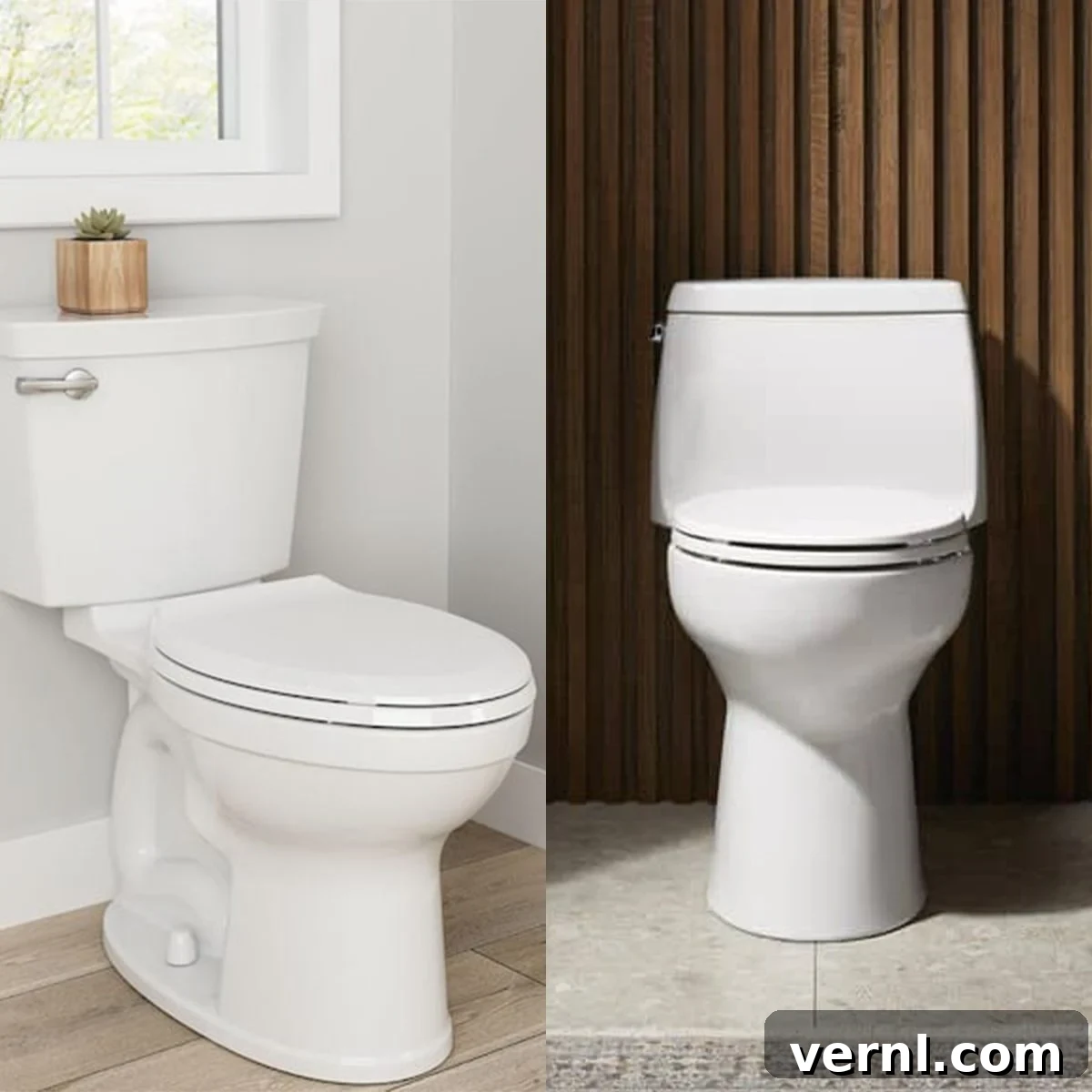
At its most fundamental level, the distinction between a one-piece and two-piece toilet is quite simple: a two-piece toilet consists of a separate tank and bowl assembly, which are joined together during installation. In contrast, a one-piece toilet is a single, integrated unit where the tank and bowl are seamlessly connected during manufacturing. While this structural difference is the most obvious, it gives rise to a cascade of other practical differences that impact everything from aesthetics and cleaning to installation and cost.
One-piece toilets typically present a sleeker, more streamlined profile. They are often heavier due to their solid construction and integrated design, which can make transport and initial placement more challenging. However, this seamless construction also translates into fewer crevices and joints, making them inherently easier to clean and offering less space for dirt, dust, and bacteria to accumulate. The integrated design also generally means fewer potential leak points, as there is no tank-to-bowl gasket to fail.
Two-piece toilets, on the other hand, offer greater flexibility. Because they feature a detachable tank and bowl, they are more customizable in terms of preferred styles and heights. This modular design also means lighter individual components, making them generally easier to transport and maneuver into place, especially for DIY enthusiasts or in bathrooms with limited access. Their traditional aesthetic often appeals to those seeking a classic look or needing to replace only a specific part, such as a damaged tank or bowl.
According to our resident expert, Deane Biermeier, “You can think of two-piece toilets as being the more traditional style type while one-piece toilets can be the perfect finishing touch in a modern bathroom.” This highlights the significant aesthetic impact each type has on a bathroom’s overall design language.
Beyond their core construction, both one-piece and two-piece toilets come equipped with a variety of features and design options. You can find them in many shapes and sizes, from space-saving wall-mounted or corner units to the standard floor-mounted models. Both styles can include modern conveniences like bidet attachments, high-efficiency low-flow energy saving technology, and comfort height designs. Furthermore, either type can be shaped in the two most common styles: round and elongated, with the latter being slightly longer for added comfort. It’s also worth noting that because one-piece toilets are heavier, they can be more expensive to ship if you order one online, an important factor for budget-conscious consumers.
All About One-Piece Toilets: Modern Design Meets Seamless Functionality
One-piece toilets represent the pinnacle of modern toilet design, offering a sleek, minimalist aesthetic that is highly sought after in contemporary bathrooms. While all toilets are made of similar materials and serve the same basic purpose, for the DIYer, a one-piece toilet often simplifies one crucial step: the hassle of properly aligning and sealing the two pieces. This integrated construction eliminates the need for a tank-to-bowl gasket, which is a common point of potential leaks in two-piece models.
However, this seamless design comes with its own set of considerations, particularly concerning installation. We reached out to Thais Costa from New Era Plumbing & HVAC for insight from a professional installer. Costa explains, “One-piece toilets, where the cistern and toilet bowl are combined into a single unit, are typically heavier and more challenging to install due to their integrated design. This can make them tricky to fit into place, especially in small bathrooms or rooms with complex angles.” The sheer weight and bulk of a one-piece unit necessitate careful handling and often the assistance of a second person. It’s crucial to consider your space, your strength, and whether you have an extra set of hands before purchasing a one-piece toilet for a DIY installation.
Despite the potential installation challenge, Costa goes on to explain that there are plenty of significant benefits to owning a one-piece toilet. “Their seamless design results in fewer gaps and joints, making them inherently easier to clean and maintain,” he highlights. “Additionally, they boast a sleeker and more modern appearance, which can be a decisive factor for many homeowners. This aspect not only enhances their aesthetics, contributing to a clean and uncluttered bathroom look, but also simplifies daily maintenance since there are fewer intricate shapes and lines to clean around and no worries about grime accumulating in the seam between the tank and bowl.” For those prioritizing hygiene and a contemporary aesthetic, the one-piece toilet is an exceptional choice.
Pros of One-Piece Toilets:
- Superior Cleanliness: The smooth, integrated surface minimizes crevices and seams where dirt, dust, and bacteria can hide, making cleaning much faster and more effective.
- Modern and Sleek Aesthetics: Their streamlined design offers a contemporary, minimalist look that complements modern bathroom decor.
- Fewer Leak Points: Without a separate tank-to-bowl connection, the risk of leaks from the tank gasket is virtually eliminated, leading to greater reliability.
- Easier Installation (Post-Placement): Once the heavy unit is in place, the actual plumbing connections can sometimes be simpler as there’s no tank assembly required.
- Enhanced Durability: The single-piece construction often means a more robust and sturdy fixture that can withstand daily use more effectively.
- Comfort Features: Many models come standard with comfort height seats and soft-close lids, enhancing user experience.
- High-Efficiency Flushing: Integrated designs often incorporate advanced flushing systems for powerful, water-saving performance.
Cons of One-Piece Toilets:
- Heavier and Bulkier: Their integrated design makes them significantly heavier than two-piece toilets, complicating transport and requiring extra help for installation.
- Higher Upfront Cost: Generally, one-piece toilets tend to be more expensive than comparable two-piece models, though this gap has narrowed.
- Limited Repair Options: If a specific part of the integrated unit (like a hairline crack in the bowl) is damaged, you might need to replace the entire toilet, rather than just a component.
- Less Customization: You cannot mix and match different tanks and bowls as you can with two-piece units.
Our Favorite One-Piece Toilet: Kohler Santa Rosa Revolution
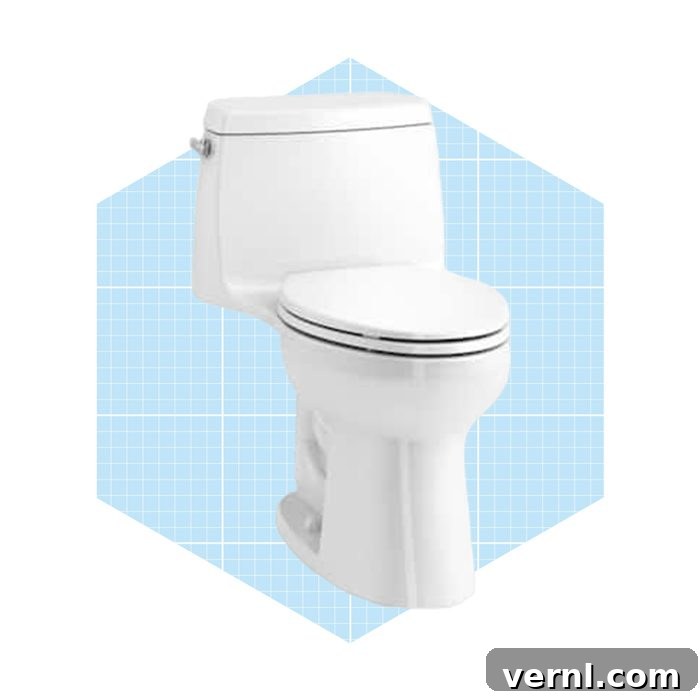
The Kohler Santa Rosa Revolution stands out as a popular one-piece toilet, appreciated for its blend of budget-friendly pricing and thoughtful design features. While still requiring careful handling due to its weight, its unskirted back end contributes to a relatively straightforward installation process once positioned.
A notable feature is its Americans with Disabilities Act (ADA)-compliant height, with the seat reaching a comfortable 18.5 inches from the floor when the lid is down. This “comfort height” is a significant benefit for a wide range of users, making it easier to sit down and stand up. Users will also appreciate the slow-close lid, which eliminates disruptive slamming noises, a small but impactful detail for everyday living. Functionally, the Revolution 360 flushing system is a highlight, engineered to help keep the bowl cleaner with every flush, reducing the need for frequent manual cleaning.
Overall, the Kohler Santa Rosa one-piece toilet is a strong contender for those seeking a compact, sleekly designed, and high-performing unit that offers excellent value and ease of maintenance.
All About Two-Piece Toilets: Traditional Versatility and Practicality
The two-piece toilet remains the most common and traditional style found in homes across the globe, and for good reason. When it comes to the one-piece vs. two-piece toilet debate, a significant advantage of a two-piece toilet lies in its modularity: the individual parts (tank and bowl) are not as heavy as a fully integrated one-piece unit. This means they are considerably easier to move, load, and transport. Most DIYers find a two-piece toilet much easier to manage and install, particularly when working alone or in tight spaces where maneuvering a heavy, bulky single unit would be impractical.
Another compelling advantage of the two-piece design relates to maintenance and repair, offering a significant cost-saving benefit in the long run. According to Bill Bruininga, owner of Billy’s Plumbing and Rooter, “If a part of a one-piece toilet breaks, you might need to replace the entire unit, whereas with a two-piece, you might only need to replace the damaged part (bowl or tank).” This means that in the event of a crack, a faulty flush valve, or other damage, you can often replace just the affected component, rather than incurring the expense of a brand-new toilet. This modularity not only makes repairs more affordable but also potentially less disruptive, as specific parts are generally easier to source and install.
Pros of Two-Piece Toilets:
- Easier to Transport and Install: The separate tank and bowl are lighter and less bulky individually, making them easier for one person to carry, maneuver, and install. This is a significant advantage for DIY projects.
- More Affordable: Typically, two-piece toilets come with a lower initial purchase price, offering excellent value for budget-conscious homeowners.
- Simplified Repairs: If a component fails (e.g., a crack in the tank or bowl), you can often replace just that part, saving money and reducing waste compared to replacing an entire one-piece unit.
- Greater Customization: The separate design allows for more flexibility in mixing and matching different tank and bowl styles or heights, catering to specific aesthetic or ergonomic needs.
- Wider Variety: Due to their widespread popularity, two-piece toilets generally offer a broader range of styles, colors, and features at various price points.
Cons of Two-Piece Toilets:
- More Seams and Crevices: The joint between the tank and bowl creates an additional area where dirt, dust, and grime can accumulate, making cleaning slightly more involved than with a seamless one-piece.
- Potential for Leaks: The gasket and bolts connecting the tank to the bowl are potential points of leakage if not installed correctly or if the components wear over time.
- Less Sleek Appearance: While many modern two-piece designs are very attractive, the visible seam can sometimes detract from the ultra-modern, integrated look desired by some homeowners.
- Assembly Required: Unlike one-piece toilets, two-piece models require careful assembly and sealing of the tank to the bowl during installation.
Our Favorite Two-Piece Toilet: American Standard Champion
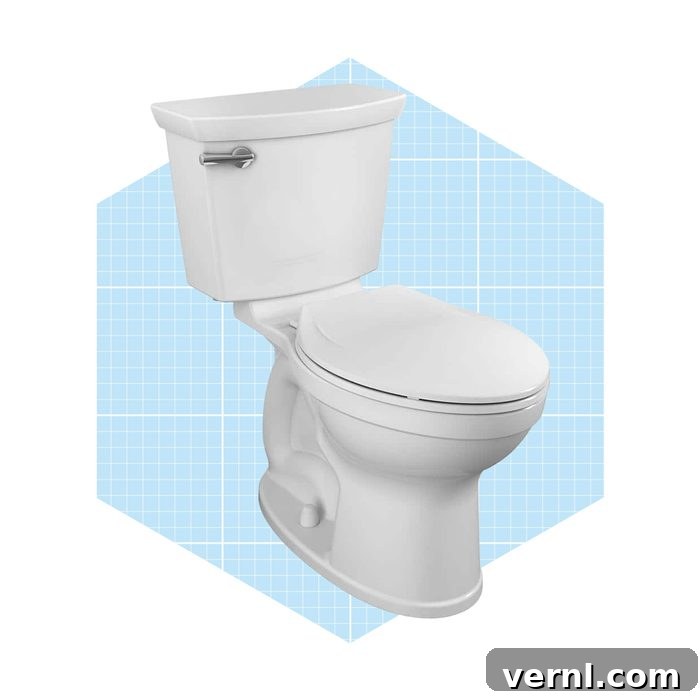
The American Standard Champion stands as a robust and highly-regarded option in the two-piece toilet category, offering exceptional performance at a reasonable price, backed by a limited lifetime warranty. The most outstanding feature of this model is its “no-clog engineering,” which is achieved through an extra-wide 4-inch flush valve, significantly larger than the industry standard. This design allows for a massive amount of water to enter the bowl rapidly, effectively clearing waste with each flush and ensuring trouble-free operation.
Beyond its powerful flush, the Champion is also a leader in water efficiency. It has earned the U.S. Environmental Protection Agency (EPA)’s WaterSense certification), a testament to its low water consumption combined with high performance. Users are consistently amazed at how powerful and effective the flush is, even while conserving water, making it an environmentally conscious and cost-effective choice. Furthermore, its innovative antimicrobial finish helps to inhibit the growth of stain and odor-causing bacteria, keeping the toilet fresher between cleanings. The rim cleaning power with every flush further enhances hygiene and reduces maintenance efforts, making the American Standard Champion a true winner for both functionality and cleanliness.
Factors to Consider When Choosing Your Toilet
Making the right choice between a one-piece and two-piece toilet involves more than just understanding their basic differences. It requires a thoughtful evaluation of your personal needs, bathroom specifics, and long-term priorities. Here are key factors to weigh before making your final decision:
1. Bathroom Aesthetic and Design Vision
- Modern and Minimalist: If your bathroom design leans towards contemporary, sleek lines, and an uncluttered look, a one-piece toilet will seamlessly integrate and enhance this aesthetic.
- Traditional and Classic: For bathrooms with a more classic, rustic, or vintage feel, a two-piece toilet often provides the ideal complement, offering a timeless appearance.
2. Installation Preferences and DIY Capability
- DIY Enthusiast: If you plan to install the toilet yourself, consider the weight. Two-piece toilets, with their lighter individual components, are generally easier for one person to handle and maneuver. While assembly is required, the manageable weight often outweighs the complexity.
- Professional Installation: If you’re hiring a professional, the weight of a one-piece unit is less of a concern for you, allowing you to prioritize other factors like aesthetics or cleaning ease.
- Space Constraints: In smaller bathrooms or those with awkward layouts, the ability to maneuver lighter individual pieces of a two-piece toilet can be a significant advantage.
3. Cleaning and Maintenance Expectations
- Ease of Cleaning: For those who prioritize effortless cleaning and maximum hygiene, the smooth, crevice-free design of a one-piece toilet is superior, minimizing areas for dirt and grime buildup.
- Repair Flexibility: If the ability to easily replace individual parts and avoid full unit replacement is important, the two-piece toilet offers clear benefits in long-term maintenance costs and convenience.
4. Budget and Cost Considerations
- Initial Purchase Price: Generally, two-piece toilets offer more budget-friendly options, making them accessible to a wider range of price points.
- Shipping and Handling: Remember that the heavier weight of one-piece toilets can lead to higher shipping costs if purchased online.
- Long-Term Value: While one-piece toilets might have a higher upfront cost, their durability and reduced leak potential could offer long-term savings in maintenance. Conversely, the easier repairability of two-piece models can also be a long-term cost benefit.
5. Water Efficiency and Performance
- Both one-piece and two-piece toilets are available with WaterSense certification and high-efficiency flushing mechanisms. Prioritize models that combine powerful flushing with minimal water usage to save on utility bills and support environmental sustainability.
FAQ: Your Questions Answered
Which is better: a one-piece or a two-piece toilet?
There’s no single “better” option; the ideal choice depends heavily on your specific needs and priorities. If you’re planning to install the new toilet yourself, a two-piece toilet may be easier to carry and manage due to its lighter individual components. However, you’ll need to dedicate extra time to properly assemble and seal the tank and bowl to prevent leaks. On the other hand, a one-piece toilet, while heavier and bulkier during transport, often simplifies the actual plumbing installation steps since the unit is pre-assembled and less prone to leaks thanks to its integrated design. If ease of cleaning, a sleek aesthetic, and minimal leak risk are top priorities, and you have help for installation, a one-piece could be preferable. If budget, DIY-friendliness, and repair flexibility are more important, a two-piece toilet is likely your best bet. Always consider your space and strength; don’t be afraid to call in a friend for help, especially with a one-piece unit.
Are one-piece toilets worth the extra money?
The perception that one-piece toilets are significantly more expensive than two-piece models is becoming less accurate. While they historically carried a premium, the price disparity between a one-piece and a two-piece toilet isn’t as vast as it once was. In my research, I’ve found both styles available at virtually every price point. The “worth” truly comes down to the features and technology integrated into the model, rather than just the construction type. Design advancements and added functionalities are always improving, and with every luxurious feature—from smart toilets to hands-free flushing, self-cleaning mechanisms, and built-in washlets—the price naturally goes up for either model. If you value a seamless aesthetic, easier cleaning, and fewer potential leak points, the slightly higher investment in a one-piece toilet can certainly be worth it for the long-term benefits and enhanced bathroom experience.
How do maintenance and repairs differ between the two types?
Maintenance for one-piece toilets is generally simpler due to their smooth, seamless design, which minimizes crevices for dirt accumulation. Cleaning is often quicker and more thorough. However, if an internal component or the ceramic itself is damaged in a one-piece unit, it can be challenging, and sometimes impossible, to replace just the faulty part, often necessitating the replacement of the entire toilet. For two-piece toilets, the seam between the tank and bowl requires a bit more attention during cleaning to prevent grime buildup. The advantage, though, is that individual parts like the tank or bowl can be replaced independently, often at a lower cost and with less hassle than replacing a complete one-piece unit.
The Bottom Line: Making Your Informed Decision
Ultimately, the choice between a one-piece and a two-piece toilet boils down to a combination of personal preference, practical considerations, and your overall vision for your bathroom. The no-frills yet feature-rich toilets highlighted here showcase that you don’t necessarily need to spend thousands of dollars on a toilet with a ton of extra comforts and smart technology to get a high-performing and aesthetically pleasing fixture.
When weighing your options, consider these key factors: your budget, the aesthetic you want to achieve, your comfort level with DIY installation, and your priorities for ease of cleaning and long-term maintenance. Both one-piece and two-piece toilets offer distinct advantages, and understanding these differences is the first step toward selecting a toilet that perfectly suits your home and lifestyle. Choose wisely, and enjoy a functional, beautiful, and reliable bathroom for years to come.
Sources
- Thais Costa, from New Era Plumbing & HVAC
- Bill Bruininga, owner of Billy’s Plumbing and Rooter