Choosing the Best Hammer Handle: A Comprehensive Guide
In the world of construction, carpentry, and DIY, the humble hammer remains an indispensable tool. While often overlooked, the handle of a hammer plays a pivotal role in its performance, your comfort, and even your long-term health. The right handle can make a significant difference in efficiency, reducing fatigue and preventing injuries. With a variety of materials, lengths, and contours available, selecting the ideal hammer handle can seem daunting. This guide will delve into the three most common handle options—steel, fiberglass, and wood—exploring their unique characteristics, advantages, and drawbacks to help you make an informed decision tailored to your specific needs and tasks.
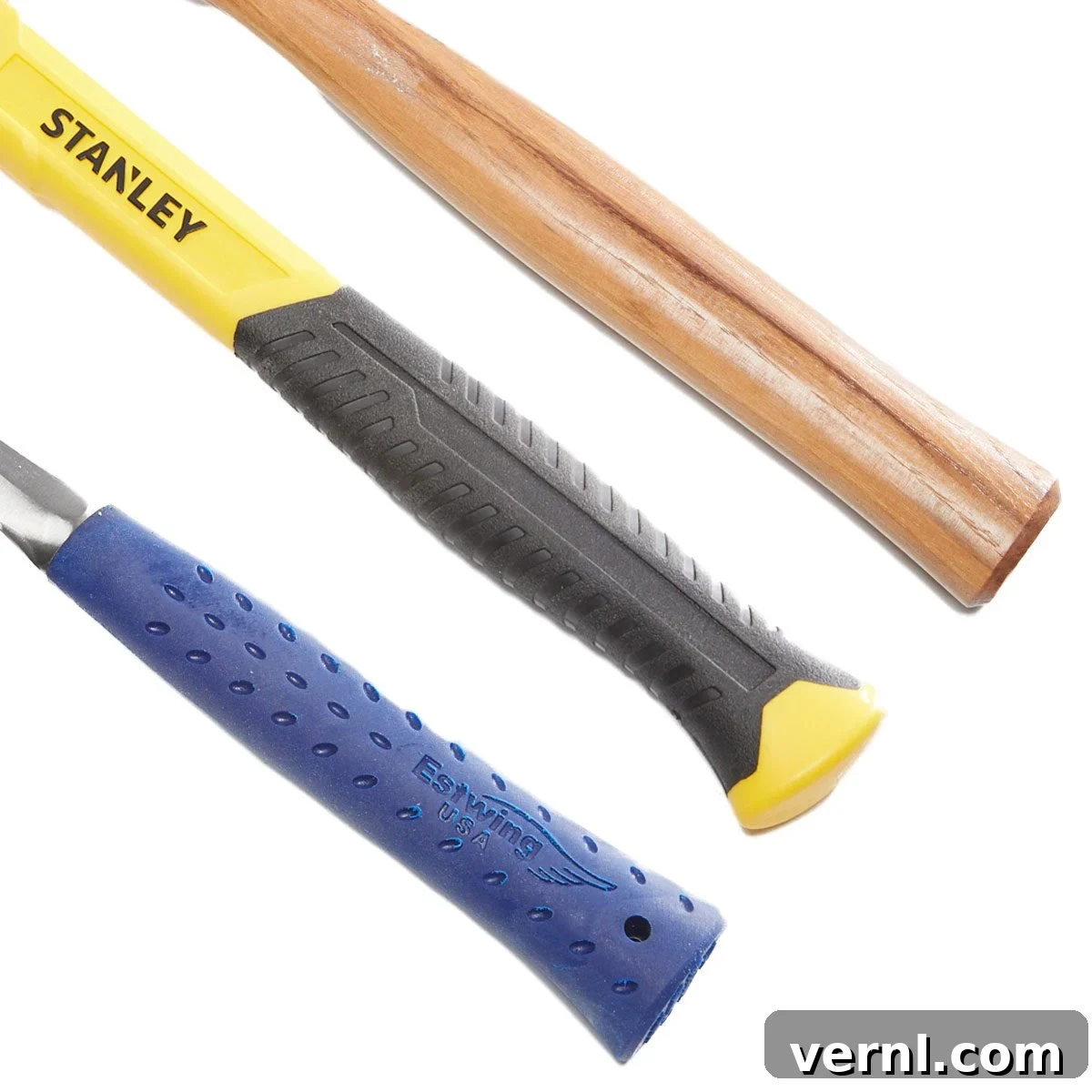
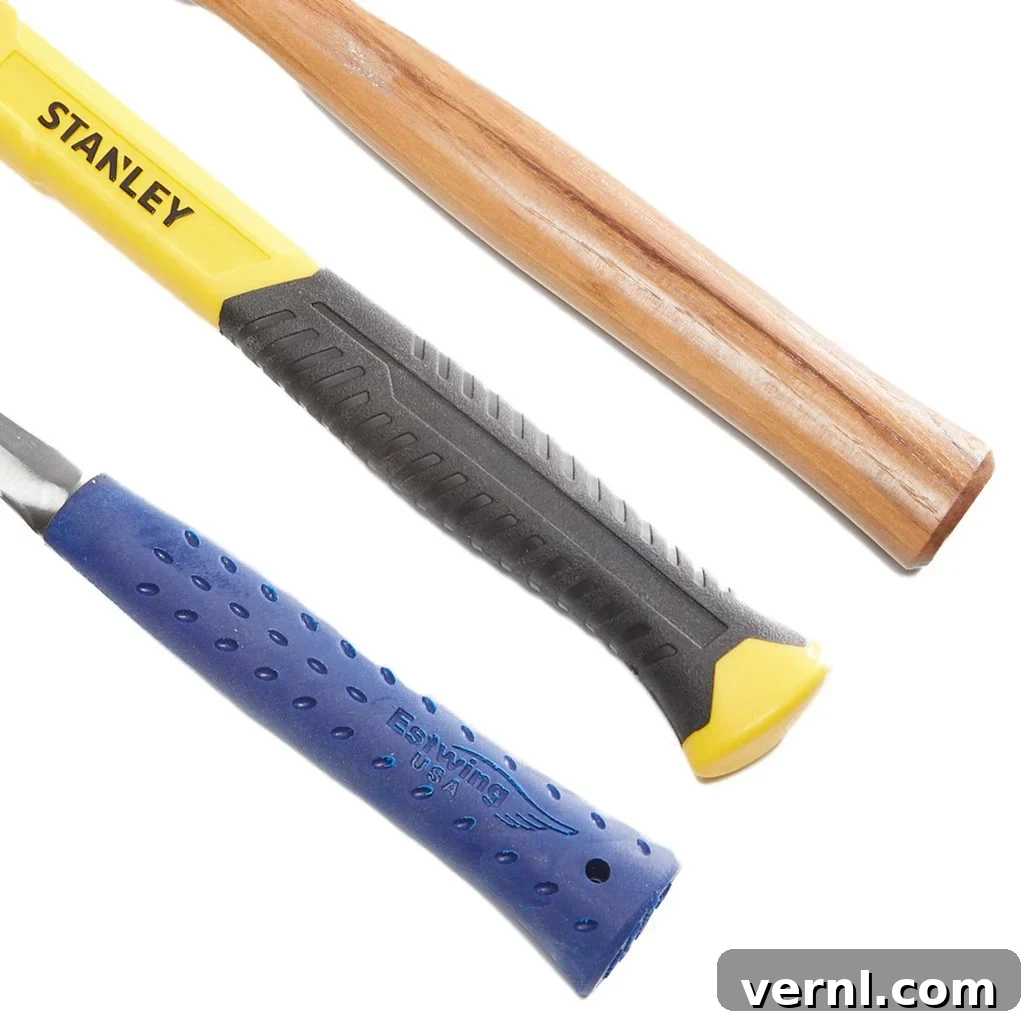
Hammer handles come in a variety of lengths and most are available in either a straight, curved, or hatchet style configuration. Beyond the material, these design elements contribute significantly to a hammer’s ergonomics and suitability for different applications. Understanding how each factor impacts the tool’s feel and function is key to finding the perfect hammer for your toolbox. Let’s break down the options to find out which one is truly best for you.
Steel Handle: Strength and Durability
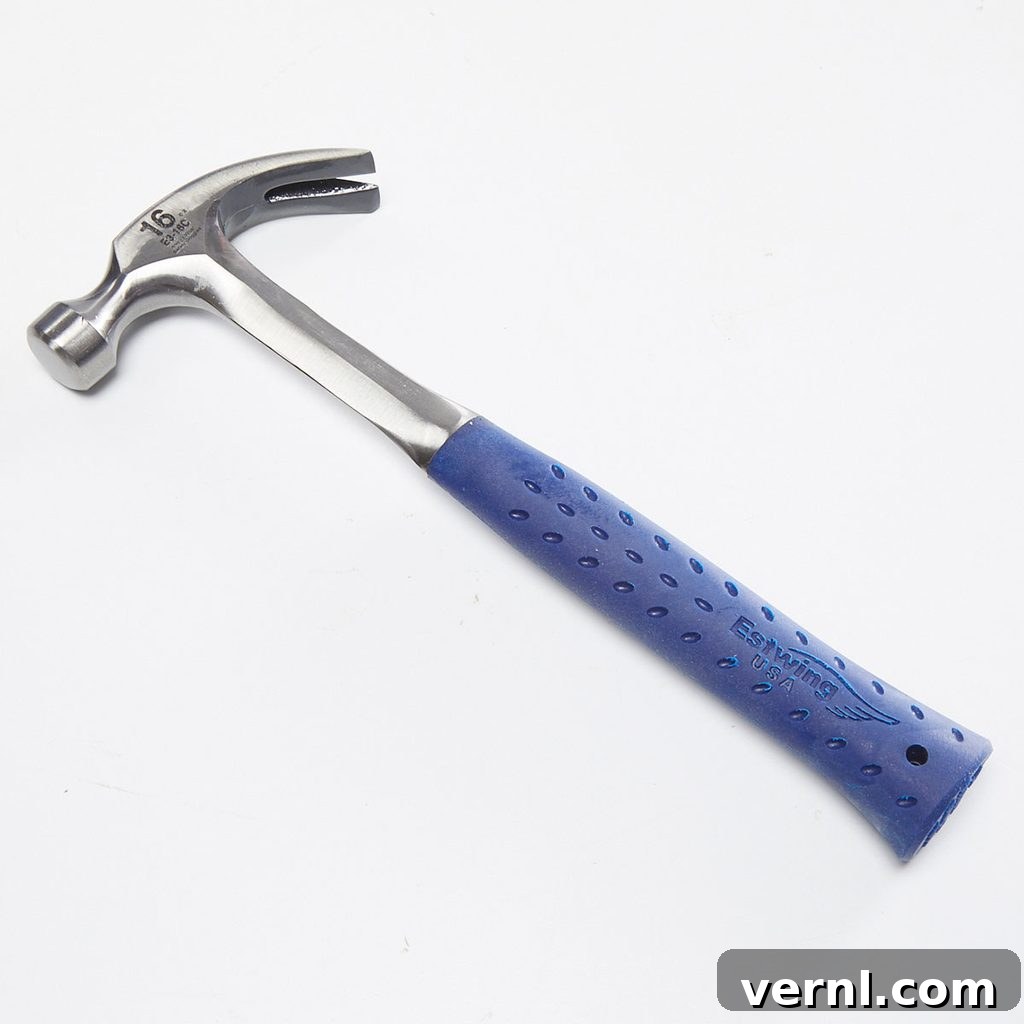
Steel-handled hammers are renowned for their unparalleled strength and robust durability, making them the toughest contenders in the market. It’s incredibly difficult to surpass the sheer resilience of a solid or meticulously welded piece of steel when overall strength is the primary concern. These hammers are often forged from a single piece of high-grade steel, extending from the striking face all the way through the handle, or feature a steel core overmolded with a grip material. This unyielding construction ensures that a steel hammer can withstand the most rigorous conditions and demanding tasks, offering exceptional resistance to breaking or bending, even under extreme leverage or impact.
However, this formidable strength comes with a trade-off: weight. Steel handles are inherently the heaviest option available. While some might assume that extra weight translates to more powerful strikes, this isn’t necessarily true, especially when much of the mass is distributed throughout the handle, away from the hammer’s head. The effectiveness of a hammer’s swing power is largely determined by the weight concentrated in its head, which maximizes momentum at the point of impact. With steel handles, a significant portion of the weight is often located down the handle, further from the strike point, meaning it doesn’t contribute proportionally to the actual swing power. Instead, this additional weight primarily adds to the overall fatigue experienced by the user during prolonged use.
Perhaps the most significant drawback of steel handles is their efficiency in transmitting vibrations. Steel is an excellent conductor of shock, meaning a large amount of the impact energy from each strike is transferred directly up the handle into the user’s arm and hand. These heavy vibrations are a major concern, as they can contribute to a range of musculoskeletal issues, including repetitive strain injuries (RSIs), carpal tunnel syndrome, and general arm and wrist fatigue. For professionals who use a hammer for extended periods, this continuous vibration can lead to chronic discomfort and long-term health problems, making ergonomics a critical consideration.
Despite these considerations, steel-handled hammers remain a top choice for specific applications due to their indestructible nature. Masons, who often use hammers for chipping away mortar or breaking bricks, rely on the unyielding strength of steel. Similarly, demolition crews prefer steel hammers for their ability to withstand severe prying, smashing, and general destructive work without failing. The sheer resilience makes them ideal for tasks where brute force and resistance to damage are paramount.
Prominent brands like Estwing are synonymous with high-quality steel hammers, often featuring integrated shock reduction grips to mitigate the vibration issue, though it’s still a factor.
Charlie Vaughan, president of Vaughan Manufacturing, provides valuable insight into the modern use of hammers:
With all the nailing guns out there, most guys these days use their hammer for “destruction” rather than “construction.” So, it really depends on what you’re going to do with the hammer. For demolition, steel would be the best choice.
Vaughan’s observation highlights a critical shift in tool usage: with the widespread adoption of nail guns, hammers are increasingly employed for tasks beyond simple nail driving. For prying apart materials, breaking structures, or any heavy-duty demolition work, the unmatched strength of a steel handle offers the reliability and power needed to tackle the toughest jobs without fear of the tool failing.
Fiberglass Handle: Balance and Versatility
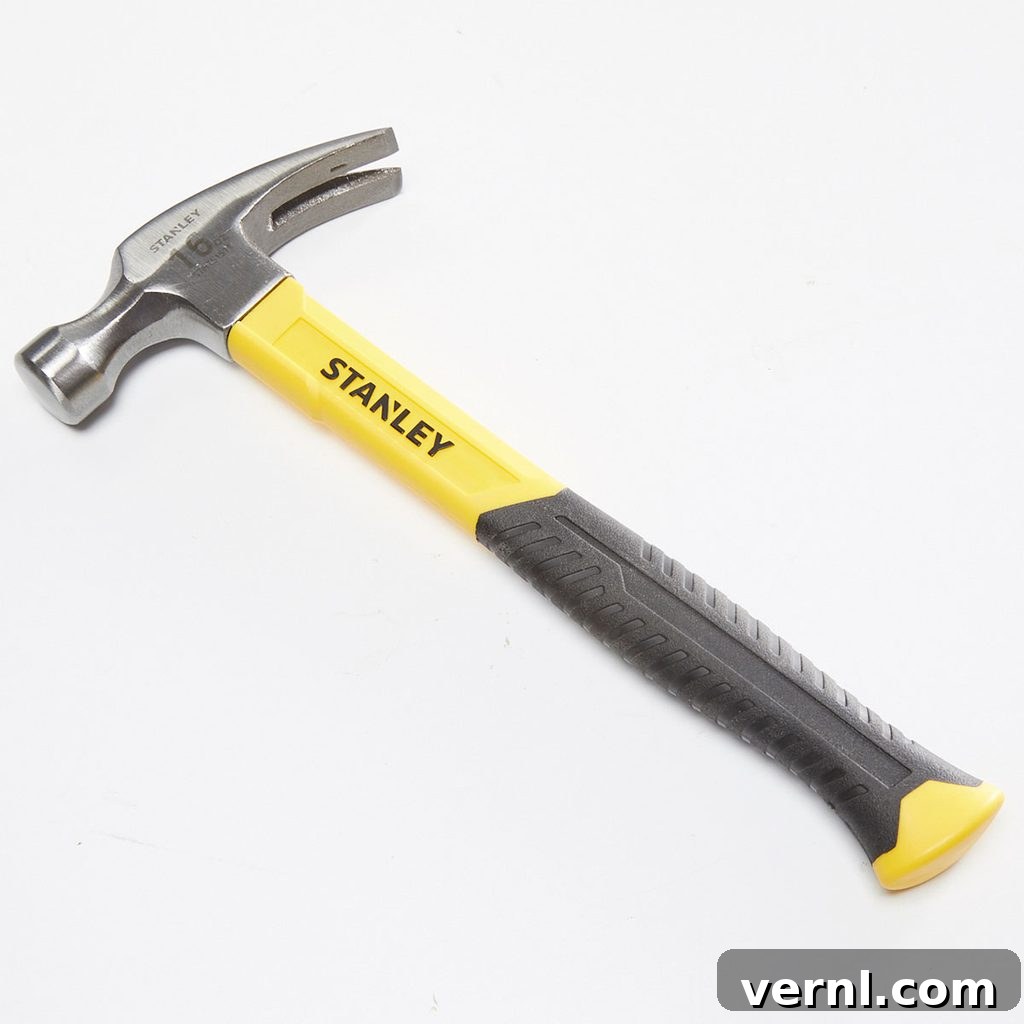
Fiberglass handles represent an excellent middle-ground option, offering a balance between the extreme durability of steel and the superior vibration absorption of wood. These handles are constructed from multiple strands of fiberglass fibers embedded in a resin matrix, often molded around a steel core near the head for added strength. This composite construction provides good impact resistance and general toughness, making fiberglass hammers highly versatile for a wide range of tasks.
One of the primary advantages of fiberglass handles is their improved vibration dampening compared to steel. While they don’t absorb as much shock as wood, they significantly reduce the amount of vibration transmitted to the user’s hand and arm. This makes them a more comfortable choice for moderate use, lessening fatigue and the risk of repetitive strain injuries over time, without sacrificing too much strength.
A standout feature that makes fiberglass handles particularly popular among certain trades is their non-conductive property. Fiberglass does not conduct electricity, making it an invaluable safety feature for electricians and anyone working near live wires. In situations where there’s a risk of accidental contact with electrical sources, a fiberglass handle provides a crucial layer of protection, greatly enhancing job site safety.
Furthermore, fiberglass hammers are often lauded for their cost-effectiveness. They typically offer a superior blend of strength, moderate vibration reduction, and weather resistance at a more accessible price point than many premium wood or specialized steel hammers. This makes them a popular choice for plumbers, mechanical workers, and general contractors who need a reliable and durable tool that won’t break the bank. Their resistance to rot, rust, and moisture also makes them a durable choice for outdoor or wet conditions, where wood handles might deteriorate more quickly.
Brands like Stanley offer a variety of fiberglass-handled hammers that embody this balance of performance and value.
Les Zell, a plumber, shares his practical perspective on choosing a hammer for his day-to-day work:
All I really use a hammer for are small jobs like tacking up pipe hangers and tapping on a putty knife or screwdriver. And my hammers tend to get left at jobs, stolen, or lost behind walls, so I tend to carry an inexpensive one.
Zell’s experience perfectly illustrates why fiberglass handles are often preferred by tradespeople who need a dependable, functional hammer that offers good performance without being a significant financial investment. For tasks that require frequent, light tapping or occasional nail driving, the balance of durability, reduced vibration, and affordability makes fiberglass an excellent, pragmatic choice. It serves as a reliable workhorse for a variety of tasks where extreme demolition power isn’t needed, and the cost-to-performance ratio is highly valued.
Wood Handle: Classic Comfort and Control
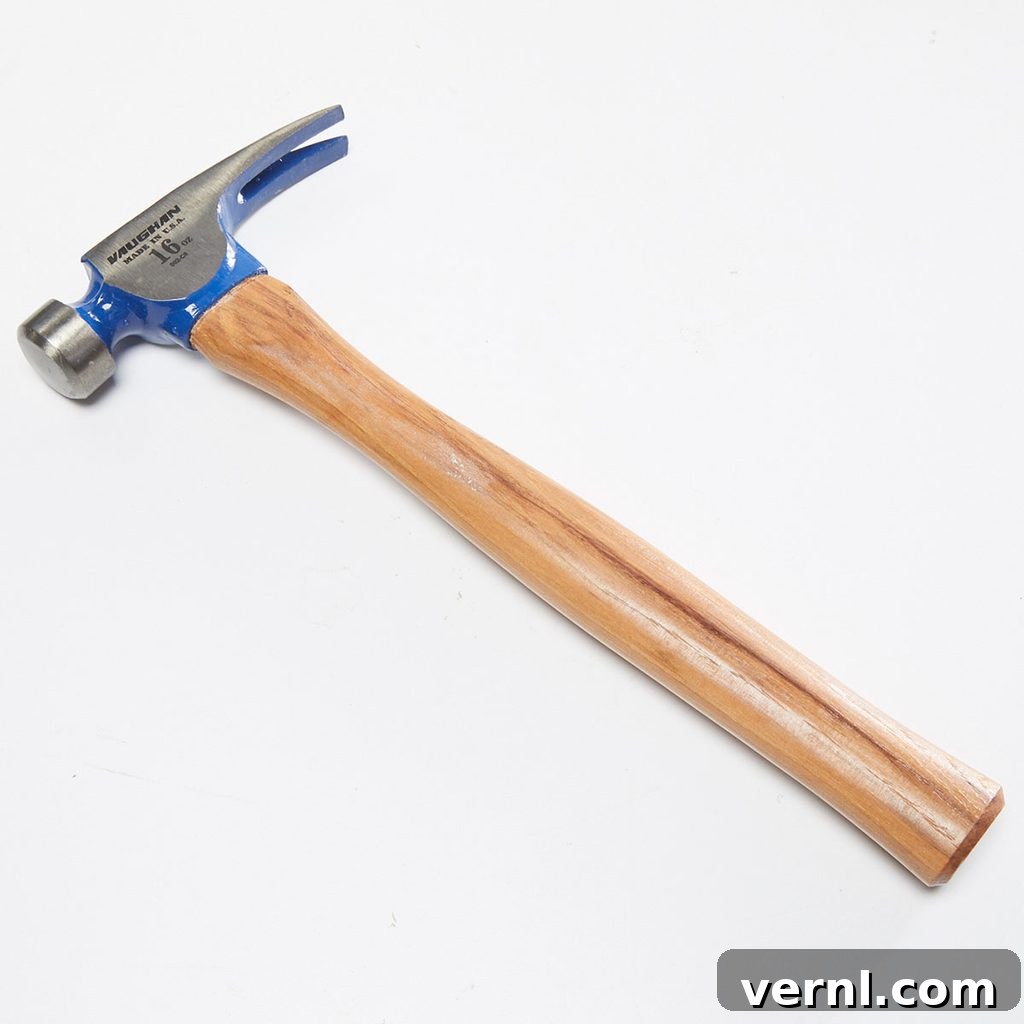
Wood-handled hammers are the traditional choice, cherished by many for their classic feel, superior ergonomics, and exceptional vibration absorption. When it comes to mitigating the impact shock of each strike, wood handles are by far the best, transmitting significantly less vibration than either metal or fiberglass. The natural properties of wood—its cellular structure and inherent flexibility—act as an outstanding shock absorber, cushioning the user’s hand and arm from the repetitive jarring impacts. This makes wood handles the ideal choice for tasks involving extensive nailing, as they drastically reduce fatigue and minimize the risk of repetitive strain injuries over long workdays.
Another key advantage of wood is its relatively light weight. As the lightest handle material, a well-designed wood-handled hammer places most of its mass strategically in the hammer’s head. This “head-heavy” design is crucial for maximizing effective striking power. When the weight is concentrated at the head, it generates greater momentum and force with each swing, making nail driving more efficient and less strenuous. This optimized weight distribution allows for powerful, controlled strikes, which is highly valued in precision work.
Wood handles also offer unique benefits in terms of repairability and customizability. Unlike integrated steel or fiberglass designs, a damaged wooden handle can often be replaced, extending the life of a cherished hammerhead. Furthermore, for those uber-particular hammer connoisseurs, wood handles can be shaped, sanded, and treated to achieve a truly personalized feel, offering a bespoke grip that perfectly fits the user’s hand. This level of customization is unmatched by other materials, appealing to craftsmen who value tradition and a personal connection to their tools.
While wood handles are incredibly strong for direct impact and boast impressive resilience, they are not as robust as steel when subjected to extreme prying or bending forces. This means they are generally not the best option for heavy demolition work, where a steel handle’s unwavering rigidity is often required. However, for their intended purpose of driving nails, wood handles provide ample strength and durability.
If a hammer is destined to hang from your tool pouch all day, its weight becomes a critical factor. The lighter nature of wood handles means less strain on your body, making them a preferred choice for professionals who carry their tools constantly. Moreover, for tasks that involve pounding on a whole bunch of nails, the low-vibrating wood handle is just the ticket for comfort and endurance. Naturally, wood handles are typically favored by framers, who drive countless nails throughout the day; trim carpenters, who require precision and a comfortable feel for delicate work; and siding installers, who prioritize balance and vibration dampening during repetitive tasks.
Vaughan Manufacturing, a company with deep roots in hammer craftsmanship, firmly advocates for wood, with President Charlie Vaughan stating:
When it comes to less vibrations, wood handles are by far the best. And when it comes to the best type of wood, hickory is the only way to go.
Vaughan’s strong recommendation for hickory is well-founded. Hickory wood is prized for its exceptional strength-to-weight ratio, remarkable resilience, and superior ability to absorb shock without splintering. Its dense, fibrous structure allows it to withstand heavy impacts while providing just enough flex to dissipate vibrations, making it the premier choice for durable and comfortable hammer handles.
Choosing a wood handle is an investment in ergonomic comfort and efficient performance, particularly for tasks that demand precision and repetitive action. It’s a testament to timeless design and natural engineering, offering a classic feel that modern materials strive to emulate but rarely surpass.
Optimizing Your Hammer Choice: Length and Contour
Beyond the material, the length and contour of a hammer handle significantly impact its usability, leverage, and comfort. These aspects are often overlooked but are crucial for selecting a hammer that perfectly matches your work style and the specific demands of your tasks.
Length and Contour
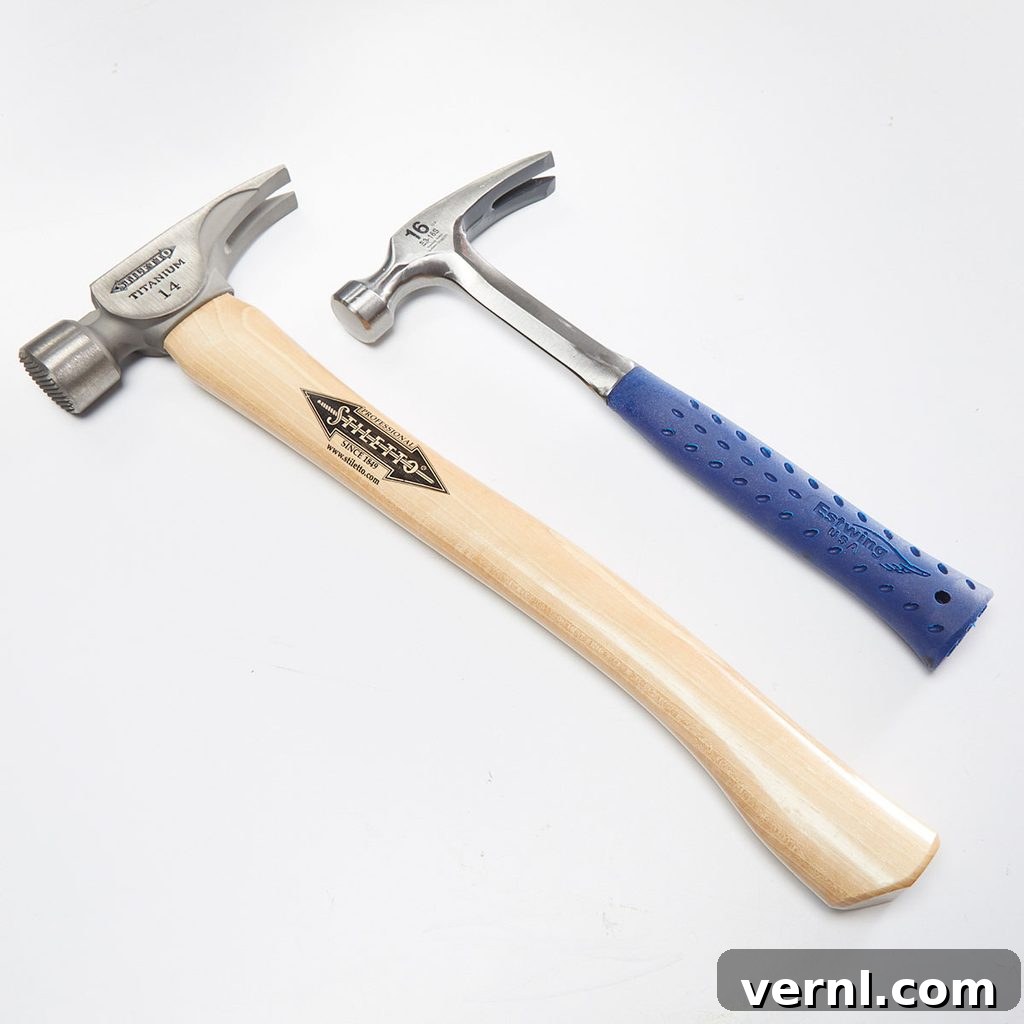
Most hammer handles typically range from 14 to 18 inches long, offering various degrees of leverage and reach. They are generally available in a straight, curved, or hatchet-style configuration. Each style provides distinct advantages:
- Straight Handles: These are classic and offer maximum leverage for powerful strikes and efficient nail pulling. They are often preferred for heavy-duty framing and demolition.
- Curved Handles: Designed for ergonomics, curved handles conform more naturally to the hand, providing a comfortable grip and reducing fatigue during repetitive tasks. The curve also aids in generating a strong nail-pulling fulcrum.
- Hatchet Style Handles (Rip/Straight Claw): While the term “hatchet style” can sometimes refer to the overall head design, in terms of handle configuration, it generally implies a longer, often straighter handle that may be slightly narrower than a typical straight handle. This design provides extended reach and excellent prying capabilities, often associated with rip claw hammers.
The choice of length and contour is often dictated by specific job requirements and personal preferences:
- Remodelers and 16-inch handles: Many remodelers favor 16-inch handles not just for their balanced swing, but also for a clever trick. Knowing the standard stud spacing in North American construction (16 inches on center), they can use a 16-inch handle as a quick, informal guide to locate an adjacent stud behind drywall or sheathing, provided they know the location of one stud. While not a precise layout tool, it’s a handy method for quick checks on the job site.
- Siding Installers and Ladder Work: Professionals like siding installers, who spend a significant portion of their workday climbing up and down ladders, often express a strong preference for shorter, straighter handles. Long hatchet-style handles or prominently curved handles can be a hindrance, as their protruding design can easily catch on ladder rungs or other obstacles when ascending or descending. This can be frustrating, slow down work, and even pose a safety risk. A more compact handle ensures greater freedom of movement and reduces the chance of snagging.
- Plumbers, Electricians, and Mechanical Workers: These trades often find themselves working in incredibly tight and confined spaces—under sinks, behind walls, in crawl spaces, or within complex mechanical systems. For them, a shorter hammer is invaluable. A compact hammer is much less likely to get “hung up” on pipes, wires, or structural elements, allowing for greater maneuverability and precise strikes in awkward positions. This preference highlights how tool dimensions directly impact efficiency and safety in specific work environments.
Ultimately, the ideal handle length and contour depend on the user’s primary tasks, physical build, and the typical working conditions. Experimenting with different styles can help you discover which configuration offers the best balance of leverage, control, and ergonomic comfort for your unique needs.
Optimizing Your Hammer Choice: Grip for Comfort and Control
The grip of a hammer handle is the direct interface between you and your tool, making it a critical factor in overall comfort, control, and long-term usability. A well-designed grip can enhance performance, reduce hand fatigue, and even prevent damage to delicate surfaces.
Grip
The material and design of a hammer’s grip vary significantly, catering to different preferences and functional requirements:
- Natural Wood Feel: Many traditionalists and purists simply love the natural, tactile feel of wood. Most classic wood handle hammers do not feature any additional grip material, allowing the user to connect directly with the smooth, often polished wood. This raw feel offers a unique aesthetic and a grip that can be personalized over time as the wood conforms to the user’s hand. It’s often preferred for its timeless appeal and perceived authenticity.
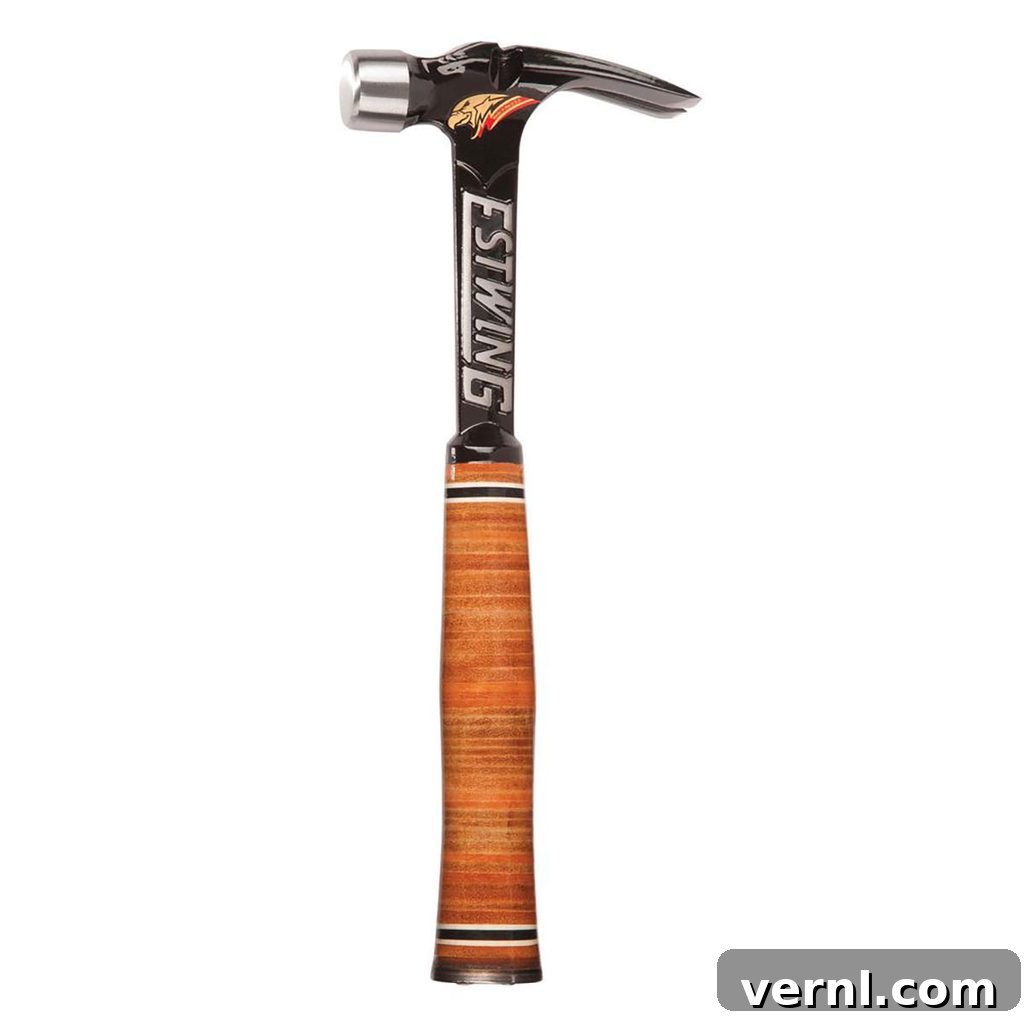
- Cushioned and Rubberized Grips: On steel and fiberglass handles, cushy, shock-absorbing grip materials (often rubber, vinyl, or composite elastomers) are commonly added. These grips are designed to provide enhanced comfort, further reduce vibration transmission (especially important for steel handles), and offer a non-slip surface, even when hands are sweaty or wet. While they feel good and significantly improve ergonomics, these cushioned grips tend to wear faster than the underlying handle material, especially with heavy, abrasive use. They can also add a bit of bulk to the handle.
- Specialized Grips for Finish Work: Trim carpenters, who often work with delicate finished surfaces, frequently choose hammers with specialized grips that have a rubber or soft bottom cap. This thoughtful design ensures that if the hammer handle accidentally bumps into a freshly painted wall, a newly installed cabinet, or a piece of trim—whether the carpenter is squatting down or navigating a tight space—it won’t leave an unsightly mark or mar the finished surface. This specific feature highlights how specialized grip design addresses very practical, real-world job site challenges.
The choice of grip directly impacts your ability to control the hammer, maintain a secure hold, and minimize strain. A grip that feels secure and comfortable in your hand translates to more accurate strikes and less effort expended, contributing to greater productivity and reduced physical stress over a workday.
Josh Blake, a carpenter, expresses his loyalty to a specific hammer and its grip:
I swing the 15 oz. Estwing Ultra, smooth face. I use it for demo, framing, trim, dirt digger. Can’t beat the classic Estwing grip and the side nail puller is super handy.
Blake’s endorsement of the “classic Estwing grip” underscores the personal connection users develop with their tools. Estwing’s iconic leather-wrapped or rubberized grips are known for their balance of comfort, durability, and shock reduction, even on their full-steel hammers. His description of using one hammer for “demo, framing, trim, dirt digger” also speaks to the versatility a well-chosen hammer can offer, especially when combined with a comfortable and effective grip. The mention of the “side nail puller” highlights how integrated features, combined with a great grip, contribute to overall tool efficiency and user satisfaction.
In conclusion, the “best” hammer handle is not a one-size-fits-all solution. It’s a highly personal choice that depends on a multitude of factors: the primary tasks you perform, the working conditions you encounter, your physical comfort, and your budget. Whether you prioritize the unmatched strength of steel for demolition, the balanced versatility and non-conductivity of fiberglass, or the superior vibration absorption and classic feel of wood for repetitive nailing, understanding the nuances of each option will empower you to select a hammer that truly enhances your craftsmanship and productivity. Consider the handle material, length, contour, and grip carefully, and you’ll find a hammer that feels like a natural extension of your arm, ready to tackle any challenge on the job site.
For our complete guide to all things hammers, click here.
Disclosure: This post is brought to you by The Construction Pro Tips editors, who aim to highlight products and services you might find interesting. If you buy them, we get a small share of the revenue from the sale from our commerce partners. We frequently receive products free of charge from manufacturers to test. This does not drive our decision as to whether or not a product is featured or recommended. We welcome your feedback. Have something you think we should know about? Contact us, here.