The Enduring Appeal of Porcelain Tile: A Comprehensive Guide
For millennia, the material we know as porcelain has captivated humanity with its remarkable strength and exquisite beauty. Historians estimate that ancient Chinese artisans perfected the craft of porcelain production over 1,000 years ago, initially associated with delicate kitchenware and intricate figurines. However, the medieval Chinese recognized its far greater potential, employing it in monumental architectural feats like the legendary 260-foot Porcelain Tower of Nanjing. Constructed with sturdy porcelain bricks in 1431, this marvel stood for over four centuries, a testament to porcelain’s incredible resilience.
Today, porcelain continues its legacy of innovation, with porcelain tiles experiencing a significant surge in availability and popularity. Their exceptional performance characteristics make them a preferred choice, especially for outdoor applications, where they excel in durability and aesthetic appeal. This comprehensive guide delves into everything you need to know about porcelain tile, from its unique composition and diverse types to its myriad applications and essential maintenance practices.
What Exactly is Porcelain Tile? Understanding its Unique Composition
While porcelain tile belongs to the broader ceramic family, it stands in a league of its own due to a refined manufacturing process that surpasses that of standard ceramic products. The journey begins with highly refined and purified clay, often a denser, finer variety like kaolin, combined with other natural minerals such as feldspar and silica. This precise mixture is then fired at significantly higher temperatures (often exceeding 1200°C or 2200°F) and for longer durations than other ceramics. This intense firing process, known as vitrification, removes almost all moisture from the clay, resulting in an exceptionally dense, hard, and impermeable material.
The outcome is a highly customizable, extraordinarily durable material that can be used on floors or walls, both indoors and outdoors. Its superior density and critically low water absorption rate — typically less than 0.5% by weight — are key distinguishing factors. This makes porcelain tile significantly more resistant to moisture, stains, and extreme temperatures compared to conventional ceramics. Understanding the fundamental difference between porcelain versus ceramic tile is crucial for making an informed decision for your project, ensuring you select a material that meets your specific performance and aesthetic requirements.
Exploring the Diverse Types of Porcelain Tile
Porcelain tiles come in a vast array of styles, finishes, and compositions, catering to virtually any design preference and functional requirement. The primary classifications are based on whether they have a protective outer layer, alongside considerations for their structure and aesthetic treatment.
Unglazed Porcelain Tiles: Natural Beauty and Robust Durability
Unglazed porcelain tiles, also widely known as through-body porcelain, are characterized by the absence of an applied outer finish or glaze. Instead, their color and pattern extend consistently throughout the entire thickness of the tile. This inherent characteristic means that any wear, minor scratches, or chips that might occur over time will be less noticeable, as the underlying material has the same appearance and composition as the surface. Every tile often presents a unique pattern due to the natural variations in the raw materials and firing process, offering an authentic, organic, and timeless aesthetic.
Despite lacking a protective glazed coat, unglazed porcelain tiles are naturally highly resistant to wear, weather, and deep scratches, thanks to their exceptional inherent density and hardness achieved during vitrification. Their robust and enduring nature makes them an excellent choice for high-traffic areas, both in residential and demanding commercial environments. Unglazed tiles can be manufactured with various surface textures, from smooth and refined to highly textured for enhanced slip resistance, a critical feature for outdoor or wet applications. They can also be polished to achieve a glossy, sophisticated appearance. Unglazed tiles typically fall into two main categories:
-
Full-bodied or Through-body Tiles: These represent the purest form of unglazed porcelain. They have no added color or pattern; rather, the vein and grain patterns are naturally present in the clay mixture and run consistently through the entire thickness of each tile. This homogeneous construction ensures remarkable durability and a uniform look throughout the tile, meaning the color and texture on the surface are identical to what lies beneath, even if the surface experiences significant abrasion over decades of use.
-
Double-loaded Tiles: Representing an advancement in unglazed porcelain manufacturing, double-loaded tiles are crafted from two distinct layers of clay pressed together under immense pressure before firing. Typically, these layers comprise a more refined top layer for aesthetics and a more robust base layer for strength. This construction technique makes them exceptionally durable, particularly well-suited for high-traffic commercial environments where longevity is paramount. The ability to combine two layers of different colors or compositions also allows for the creation of unique and sophisticated patterns that penetrate deep into the tile structure, offering both aesthetic depth and practical resilience.
Glazed Porcelain Tiles: Limitless Design and Enhanced Protection
Glazed porcelain tiles feature a meticulously applied liquid glass layer, or glaze, to the tile’s surface. This glaze is typically applied either before the tile’s final firing or sometimes after an initial bisque firing, followed by a second firing to fuse the glaze permanently to the tile body. This protective coat not only seals the tile, making it even more impermeable to water and stains, but also offers an incredible spectrum of design possibilities. They can be solid colored, intricately patterned, or designed to mimic other materials with stunning realism. Buyers can often choose between a variety of finishes, including a sophisticated matte, a subtle semi-polished (often called lappato), or a brilliant gloss finish, each offering a distinct aesthetic, tactile feel, and light reflection quality.
The glazing process also allows for advanced decorative techniques, creating tiles that are as versatile as they are beautiful, seamlessly integrating into any design scheme. Glazed tiles are commonly categorized as:
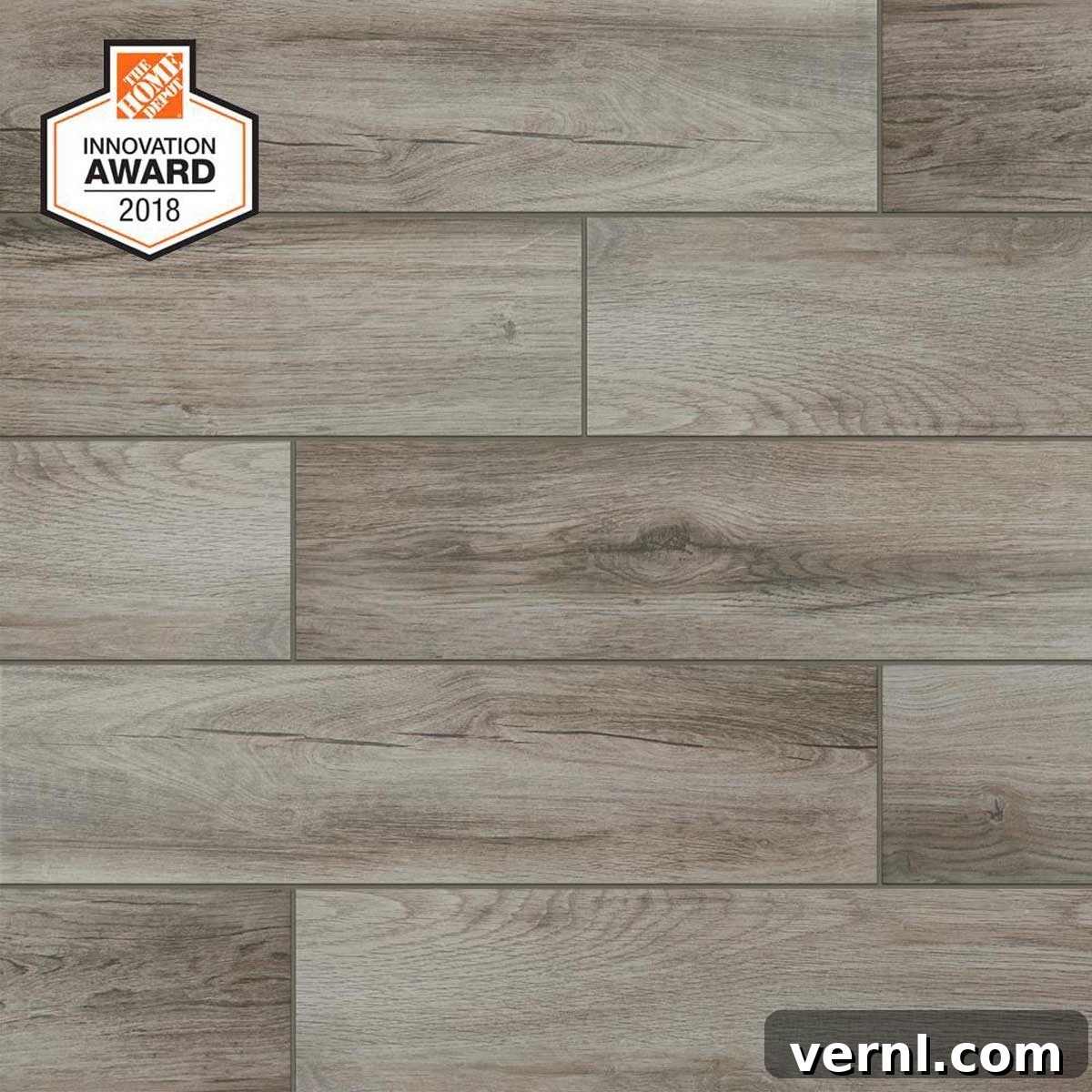
- Printed Tiles (Digital Glaze Technology): These tiles undergo a specialized glazing process where a high-resolution digital image is meticulously printed onto the tile’s surface using advanced inkjet technology. This innovative technique means porcelain tiles can be made to convincingly imitate the look of natural wood grains, various types of stone (marble, granite, slate), concrete, fabric, or any other flooring type imaginable. The protective glaze ensures that these realistic patterns are sealed and preserved, offering both incredible beauty and resilient performance against wear and moisture.
-
Color-bodied Tiles: These represent a hybrid, combining the benefits of through-body color with a surface glaze. Color-bodied tiles have pigments added to the clay mixture, so the color extends through their entire thickness, similar to full-bodied unglazed tiles. On top of this, a surface glaze is applied for enhanced protection, aesthetic value, and additional design possibilities, such as varied finishes or subtle patterns. This construction provides an extra layer of durability, making minor surface wear less conspicuous while offering the decorative advantages of a resilient glaze.
Beyond these primary types, porcelain tiles are also rated for their wear resistance by the Porcelain Enamel Institute (PEI). The PEI rating system divides tiles into five grades, with Grade one being the least durable (suitable for wall applications only) and Grade five being the most durable (ideal for heavy commercial traffic). This rating is a critical factor in selecting the right tile for its intended use, ensuring longevity and optimal performance.
Why Porcelain Tile is an Excellent Choice for Outdoor Use
Porcelain tiles are not just confined to indoor elegance; they are an exceptional material for outdoor applications, offering unparalleled performance and longevity. Their inherent characteristics make them perfectly suited to withstand the rigors of the elements, making them a popular choice for patios, walkways, pool decks, and even outdoor kitchen areas:
-
Superior Water Absorption Rate and Frost Resistance: All porcelain tiles boast an impressively low water absorption rate, typically less than 0.5 percent. This minimal absorption makes them virtually impervious to stains from spills and highly resistant to weather-related damage. Crucially, because they absorb almost no water, porcelain tiles are incredibly frost-resistant. Unlike more porous materials that can absorb water which then expands and cracks in freezing temperatures, porcelain maintains its structural integrity without splitting or crumbling, making it ideal for climates with significant temperature fluctuations and harsh winters.
-
Exceptional UV Resistance and Color Stability: Porcelain tiles are highly resistant to UV fading, even when continuously exposed to direct sunlight over prolonged periods. This means their vibrant colors and intricate patterns will remain consistent and beautiful over many years, without bleaching, dulling, or degradation, thereby preserving the aesthetic appeal of your outdoor spaces for a lifetime.
-
Enhanced Durability and Strength for High Traffic: The intensive manufacturing process of porcelain tiles imbues them with a density and hardness that makes them significantly stronger and more durable than many other ceramic options. This intrinsic resilience allows them to excel in high-traffic outdoor areas, such as patios, walkways, and pool decks, resisting abrasion, impact from falling objects, and heavy foot traffic without showing premature signs of wear.
-
Excellent Slip Resistance: Many porcelain tiles specifically designed for outdoor use feature textured surfaces or incorporate anti-slip finishes. This design choice provides crucial traction, significantly enhancing safety in areas that may become wet from rain, spills, or pool splashes, minimizing the risk of slips and falls.
-
Pest and Allergen Resistance: Their non-porous surface doesn’t harbor mold, mildew, bacteria, or pests. This contributes to a healthier and cleaner outdoor environment, making porcelain an excellent choice for families and those with allergies.
The Pros and Cons of Porcelain Tiles: A Balanced Perspective
Choosing the right material for your flooring or wall project involves carefully weighing its advantages and disadvantages against your specific needs, budget, and aesthetic preferences. Porcelain tiles offer a compelling list of benefits that often outweigh their few considerations:
Pros: The Undeniable Advantages of Porcelain Tile
-
Unrivaled Durability and Longevity: Porcelain’s exceptional hardness and density provide superior durability compared to other ceramics and many natural stones, especially in high-traffic areas. It is highly resistant to scratches, chips, impact, and daily wear and tear, ensuring your surfaces look new for decades.
-
Ideal for Outdoor and Wet Applications: With its remarkably low water absorption, inherent frost resistance, and impressive UV stability, porcelain is perfectly suited for demanding exterior spaces such as patios, decks, pool surrounds, and even as exterior cladding.
-
Remarkable Design Versatility: Porcelain tiles can be used across a myriad of applications—indoors and outdoors, on floors, walls, countertops, and even facades. They can be manufactured with an astonishing array of textures, a vast spectrum of colors, and intricate patterns, including incredibly convincing imitations of natural materials like wood, marble, and concrete.
-
Thinner and Lighter Options Available: Compared to other robust outdoor materials such as natural stone and concrete pavers, porcelain can be manufactured thinner and lighter while maintaining its exceptional strength. This can simplify handling, reduce shipping costs, and sometimes alleviate concerns about structural load for elevated installations.
-
Low Maintenance and Easy Cleaning: The non-porous nature of porcelain means it naturally resists stains, dirt, and doesn’t typically require sealing (unlike natural stone). Routine cleaning with simple water and a mild detergent is usually sufficient to keep it looking pristine and hygienic.
-
Moisture, Stain, and Fire Resistant: Its extremely low absorption rate makes it highly resistant to moisture penetration and staining from common household spills. Furthermore, porcelain is inherently non-combustible, adding a significant layer of safety to any space.
-
Hygienic and Allergen-Friendly: The dense, impervious surface of porcelain makes it resistant to the growth of bacteria, mold, and mildew. It also doesn’t trap dust, pollen, or pet dander, making it an excellent choice for allergy sufferers and for areas where hygiene is paramount, such as kitchens and bathrooms.
Cons: Considerations When Choosing Porcelain Tile
-
Higher Initial Cost: Porcelain tiles are generally more expensive per square foot than standard ceramic products. This reflects their superior quality, enhanced durability, and more complex, energy-intensive manufacturing process. However, this initial investment often translates to a much longer lifespan and lower long-term replacement or maintenance costs, offering excellent value over time.
-
Heavier and Denser Than Some Alternatives: While some porcelain tiles can be designed to be thinner, the material itself is denser and heavier than traditional ceramic tiles or some laminates. This can add to shipping costs, increase the labor involved in handling, and potentially require more robust subfloor preparation for large indoor installations.
-
Difficult to Cut and Install: The extreme hardness of porcelain, a key benefit for durability, also presents a significant challenge during installation. It can be difficult to cut accurately and cleanly without specialized equipment, such as a high-quality wet saw fitted with a diamond blade. This often necessitates professional installation, which adds to the overall project cost and complexity.
-
Cold Underfoot: Like most hard flooring materials, porcelain can feel cold underfoot, especially in cooler climates or during colder seasons. This can be mitigated by installing radiant floor heating systems underneath, though this adds to installation complexity and cost. For outdoor use, this coolness can be a benefit in hot climates.
Cost, Buying Tips, and Reputable Suppliers for Porcelain Tile
The cost of porcelain tiles can vary significantly based on several factors, including the tile’s quality, design complexity, brand reputation, size, and finish. Generally, you can expect to pay between $3 and $10 per square foot for basic, good-quality porcelain tiles. However, specialized tiles, large formats (e.g., 24×48 inches or larger), unique patterns, intricate textures, or high-end designer options can cost as much as $35 or more per square foot. It’s important to remember that both glazed and unglazed porcelain tiles offer exceptional durability and wear-resistance in diverse settings, including demanding outdoor environments, making the investment worthwhile.
Beyond aesthetics and budget, the Porcelain Enamel Institute (PEI) grade is arguably the most crucial technical consideration when making a purchase. The PEI rating indicates a tile’s resistance to abrasion and foot traffic, guiding you to select a tile appropriate for its intended application:
- PEI Grade 1: Suitable for wall applications only where no foot traffic occurs, such as bathroom walls or decorative accents.
- PEI Grade 2: Light residential traffic, ideal for areas where soft-soled footwear is common, like residential bathrooms or bedrooms.
- PEI Grade 3: Moderate residential traffic, recommended for most areas of a home, including kitchens, hallways, living rooms, and light-duty commercial spaces. For virtually any residential flooring application with moderate traffic, a PEI grade of 3 or higher is highly recommended to ensure adequate longevity and performance.
- PEI Grade 4: Heavy residential and light commercial traffic, suitable for entrances, offices, retail spaces, and areas with constant pedestrian traffic.
- PEI Grade 5: Heavy to extra-heavy commercial and institutional traffic, designed for maximum durability in very high-traffic areas like malls, airports, and public buildings.
Always choose a PEI grade appropriate for the intended use to prevent premature wear and ensure satisfaction. It’s also wise to purchase about 10-15% more tile than your measured area to account for cuts, breakages during installation, and to have spare tiles for any future repairs. When sourcing your tiles, consider well-known and reputable porcelain tile suppliers that offer quality products, comprehensive warranties, and excellent customer service. Some industry leaders include Marazzi, a global leader renowned for its innovative ceramic and porcelain tiles; Interceramic, known for its stylish, durable, and high-quality tile solutions; and Daltile, one of the largest manufacturers and distributors of ceramic, porcelain, and natural stone tile in North America, offering a vast selection.
Professional Installation is Key for Porcelain Tiles
Porcelain tile installation, while sharing some similarities with any other outdoor tiling project, presents unique challenges that underscore the importance of professional expertise. It is a time-consuming and labor-intensive process that requires not only specific technical know-how but also specialized tools and meticulous attention to detail to achieve a durable and aesthetically pleasing result. The incredible hardness and density of porcelain tiles, while contributing immensely to their durability and longevity, also means they are significantly more challenging to cut accurately and efficiently than softer ceramic tiles, natural stone, or other flooring materials.
Specialized equipment, such as a high-quality wet saw fitted with a diamond blade, is absolutely essential for making clean, precise cuts without chipping, cracking, or damaging the tiles. Hand tools typically fall short for porcelain. Additionally, proper subfloor preparation is paramount to prevent future issues like cracking, uneven surfaces, or tile tenting. The use of appropriate thin-set mortar, specifically designed for dense, low-absorption porcelain tiles (often a polymer-modified variety), is also critical for ensuring a strong, long-lasting bond between the tile and the substrate. Grouting techniques must also be precise, especially for rectified tiles that allow for very narrow grout lines, requiring careful application and cleaning.
Unless you are an experienced DIYer with a proven track record in tiling, possess the necessary specialized equipment, and are willing to invest significant time and effort in learning and execution, it is strongly advised to avoid installing porcelain tiles yourself. Entrusting your project to a qualified, professional tile installer will ensure a flawless finish, proper adhesion, optimal performance, and the long-term enjoyment you expect from your porcelain investment, ultimately saving you potential headaches, costly repairs, and wasted materials down the line.
Maintaining and Cleaning Your Porcelain Tiles for Lasting Beauty
One of the most appealing benefits of porcelain tile is its exceptionally low maintenance requirements, making it a practical choice for busy households and commercial spaces alike. Thanks to its dense, non-porous surface, porcelain naturally resists stains, dirt, and moisture penetration, making cleaning a straightforward task. For routine cleaning, a simple sweep or vacuum to remove loose dirt and debris, followed by mopping with warm water and a mild, pH-neutral detergent, is usually all that’s needed. This gentle approach helps maintain the tile’s finish and prevents the buildup of unsightly residue.
For tougher dirt, grime, or deeper cleaning needs, a diluted vinegar-water mixture (a common ratio is 1:4 vinegar to water) can be an effective and natural solution for many non-glossy finishes. Alternatively, a dedicated tile cleaner specifically formulated for porcelain can be used in conjunction with a soft-bristle brush or a microfiber mop. When cleaning polished, semi-polished, or glazed tiles, always use soft tools and avoid abrasive brushes or pads whenever possible to prevent scratching or dulling the delicate surface. Always test any new cleaning solution in an inconspicuous area first.
It is crucial to avoid harsh cleaning agents that can damage both the tile and the grout. Never use bleach, ammonia-based cleaners, oil-based detergents, cleaners containing dyes, steel wool pads, or hard-bristle brushes. These aggressive products can strip the glaze, dull the finish, stain the grout, or leave behind a sticky residue that attracts more dirt. Promptly wipe up spills to prevent potential staining, especially on lighter colored or unsealed grout lines. While porcelain tiles themselves are incredibly durable and resistant to staining, the grout lines can be more susceptible to dirt and stains; consider using a high-quality grout sealer for added protection, particularly in high-traffic or wet areas. Should you encounter a minor chip or crack, there are specialized porcelain repair kits available that can help restore your tile’s appearance, often with professional-looking results.
Conclusion: The Smart Choice for Durable Elegance
From its ancient origins as a marvel of engineering and artistry to its modern marvels in contemporary architecture and design, porcelain has consistently proven itself as a material of exceptional quality, versatility, and enduring beauty. Porcelain tiles, in particular, embody this rich legacy, offering an unmatched combination of extreme durability, aesthetic flexibility, and remarkable ease of maintenance.
Whether you are envisioning a chic and resilient interior floor, a robust and stylish outdoor patio, a striking wall feature, or a hygienic kitchen backsplash, porcelain tile presents a smart, long-lasting solution for virtually any application. By understanding the various types available, acknowledging the critical importance of PEI ratings, and appreciating the nuances of proper professional installation and care, you can confidently select porcelain tile for your next project. It’s an investment that not only significantly enhances the beauty and functionality of your space but also promises many years of outstanding performance, standing strong and beautiful against the test of time and elements.