In many parts of the world, particularly in western states facing persistent drought conditions, the conversation around water conservation has moved from a suggestion to an urgent necessity. Towns and cities are increasingly implementing stringent water restrictions, impacting daily life for millions. However, even if you reside in an area not directly affected by drought, the imperative to use water more efficiently remains paramount. This is largely due to escalating costs; national water bills have seen a significant average increase of 24% since 2019, transforming water conservation into a critical financial strategy for households everywhere.
The good news is that reducing your household water consumption doesn’t have to be a monumental task. Many effective strategies are surprisingly simple to implement, requiring minimal effort but yielding substantial savings in both water and money. As sustainability expert Marcus Griswold, who manages the insightful website Little Green Myths, points out, “We often think we need to rinse dishes before adding them to the dishwasher. But this seemingly small habit wastes as much as 6,000 gallons of water a year.” Such eye-opening facts underscore the potential for impact through conscious choices.
This comprehensive guide will equip you with the knowledge and practical tips to understand where your water goes, identify areas for improvement, and implement effective water conservation strategies throughout your home and yard. By adopting these methods, you’ll not only contribute to environmental sustainability but also enjoy the tangible benefit of lower utility bills.
Master Water Conservation at Home: Your Ultimate Guide to Saving Water and Money
Why Water Conservation Matters More Than Ever
Water, an essential resource for all life, is facing unprecedented pressure from population growth, pollution, and climate change. Conserving water isn’t just about reducing your utility bill; it’s a vital step towards ensuring a sustainable future for everyone. Understanding the multifaceted importance of water conservation can motivate lasting change in our daily habits.
Environmental Impact: Protecting Our Planet
Droughts are becoming more frequent and severe in many regions, depleting natural water sources like rivers, lakes, and aquifers. When we conserve water, we reduce the strain on these ecosystems, helping to maintain natural habitats, protect biodiversity, and support the delicate balance of our planet. Less water extraction means healthier rivers for fish, more water for agriculture in critical times, and a more resilient environment for future generations.
Financial Benefits: Saving Hard-Earned Money
As mentioned, water and sewer rates are on the rise across the nation. Every gallon saved directly translates into savings on your monthly water bill. Beyond that, conserving hot water also reduces your energy consumption, as a significant amount of energy is required to heat water for showers, laundry, and dishwashing. This dual saving — on both water and energy bills — makes water conservation a powerful financial tool for any household budget.
Community Resilience: A Shared Responsibility
Water is a communal resource. When individuals and households conserve water, it collectively contributes to the overall water supply of a community. This increased supply can help mitigate the impacts of drought, reduce the need for costly new water infrastructure projects, and ensure that there’s enough water for essential services and emergencies. It fosters a sense of shared responsibility and collective well-being.
Unlocking Your Home’s Water Footprint: How to Understand Your Usage
Before you can effectively reduce your water consumption, it’s crucial to understand how much water you’re currently using and where it’s being consumed. Knowing your baseline is the first step towards setting achievable conservation goals.
Reading Your Water Meter: Your Home’s Water Gauge
Your water meter is the primary tool for tracking your household’s total water usage. To gauge your consumption over a typical day or week, locate your water meter (often found near the street, in a basement, or utility closet) and record the numbers. Sustainability expert Marcus Griswold advises, “The average person uses 82 gallons of water a day at home, so you can use this as a baseline to compare your usage.” By taking readings at consistent intervals, you can monitor your progress and identify periods of unusually high consumption.
Calculating Appliance Consumption: Pinpointing Water-Intensive Activities
To understand how much water specific appliances consume, refer to their owner’s manuals. Modern appliances often list their water usage per cycle or per minute. For fixtures like your shower or faucets, you can easily calculate their flow rate: simply time how long it takes to fill a one-gallon jug. For example, if it takes 15 seconds to fill a gallon jug from your showerhead, you’re using 4 gallons per minute (60 seconds / 15 seconds = 4 gallons/minute). This simple test can reveal surprisingly high water flows and highlight areas ripe for improvement.
Identifying Peak Usage Times: When and Why You Use the Most Water
Observing your water meter during different times of the day can also offer valuable insights. Do the numbers jump significantly when everyone showers in the morning, or when you run the dishwasher and washing machine simultaneously in the evening? Understanding these peak usage times can help you strategize better scheduling of water-intensive activities to reduce overall demand on your system, or even identify the source of a hidden leak if usage is high when no one is actively using water.
The Silent Culprits: Detecting and Fixing Leaks
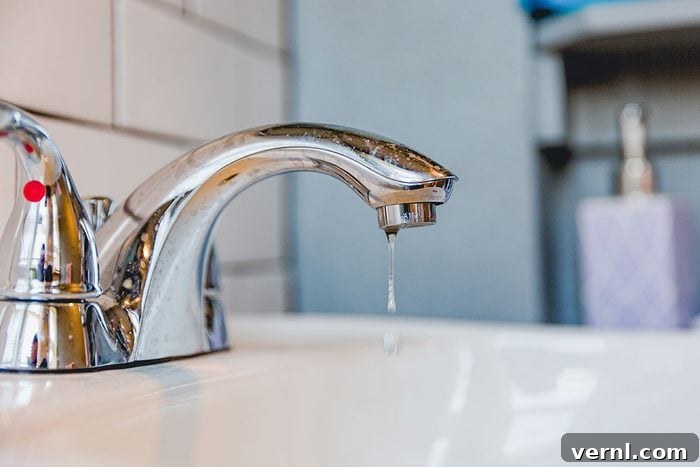
One of the most insidious forms of water waste comes from leaks – often hidden, yet incredibly wasteful. Many homeowners underestimate the cumulative effect of even small drips. “Homeowners often don’t realize that fixing them can save way more than shortening their showers by a few minutes,” explains Caleb Caviness, a plumbing expert from AryCo home services. “And most can be fixed with $10 in parts and 15 minutes of DIY work, so not fixing them is literally like flushing money down the drain.”
The Hidden Costs of Leaks: Dripping Away Resources
The numbers associated with leaks are startling. A faucet dripping just once per second can waste an astounding 3,000 gallons of water over a year. Even more impactful, a continuously running or leaky toilet flapper can squander up to 200 gallons per day, equating to over 73,000 gallons annually. These seemingly minor issues can drastically inflate your water bill and contribute to unnecessary environmental strain.
DIY Leak Detection: Simple Steps to Find Hidden Waste
Detecting hidden leaks within your home’s plumbing and irrigation system is a straightforward process. First, ensure no water is being used inside or outside your home for at least two hours (no flushing toilets, running appliances, or watering the garden). Then, check your water meter. If the numbers on the meter are still advancing, it’s a clear indication that you have a leak somewhere. For toilets, a simple trick is to add a few drops of food coloring to the tank; if color appears in the bowl within 15-30 minutes without flushing, you have a leaky flapper. Additionally, consider asking your insurance company if they offer a leak monitoring service, which can provide advanced detection technology.
Simple Fixes, Big Savings: Empowering Yourself
Many common leaks are surprisingly easy and inexpensive to repair. Replacing a worn-out faucet washer or a faulty toilet flapper are tasks most homeowners can accomplish with basic tools and readily available parts. Addressing these issues promptly not only stops water waste but also prevents potential water damage to your home, saving you from much larger expenses down the line. Don’t let a small drip turn into a big problem – or a big bill.
Bathroom Brilliance: Smart Water Habits for Showers, Sinks, and Toilets
The bathroom is often the biggest water consumer in the home. Implementing mindful habits and making smart upgrades in this space can lead to substantial water savings.
- Turn Off the Water While Brushing Your Teeth: This simple act can save several gallons each time. Instead of letting the faucet run continuously, wet your toothbrush and then turn off the water until you’re ready to rinse.
- Turn Off the Shower While Lathering Up: Known as a “navy shower,” this technique involves turning off the water while you soap up, shampoo, and condition, then turning it back on to rinse. This can dramatically reduce shower length and water use.
- Use a Timer to Keep Track of Shower Length: Setting a timer can help you stay conscious of how long you’re spending in the shower and encourage shorter, more efficient washes. Aim for showers under five minutes.
- Optimize Non-Efficient Toilets: For older, less efficient toilets, place a brick or a full plastic water bottle (make sure it doesn’t interfere with the flushing mechanism) into the tank. This displaces water, reducing the volume used per flush without affecting performance.
Conserving water in the bathroom has an added benefit: it helps save money on your power bill. “It takes a surprising amount of energy to pump, heat, treat and move water, so simple steps can add up,” says Kate Colarulli of CleanChoice Energy. By using less hot water, you directly reduce the energy required by your water heater.
Kitchen Conservation: Dishwashing, Cooking, and Cleaning with Less Water
The kitchen is another hub of water activity. Smart practices here can significantly reduce your daily water footprint.
- Embrace the Dishwasher: Counter-intuitively, using an energy-efficient dishwasher is often more water-saving than handwashing. Modern dishwashers can save upward of 2,400 gallons a year compared to continuous-flow handwashing, thanks to their precise water jets and efficient cycles.
- Skip the Pre-Rinse: Modern dishwashers are designed to handle food particles without extensive pre-rinsing. Simply scrape solid food off your plates before loading them. Rinsing dishes before loading wastes significant amounts of water unnecessarily.
- Run Full Loads: Always wait until your dishwasher is completely full before starting a cycle. Running half-empty loads wastes water and energy.
- Plug the Sink for Handwashing: If you must handwash, fill one side of your sink with soapy water for washing and the other with clear water for rinsing, rather than letting the faucet run continuously.
- Creative Water Reuse in the Kitchen: Don’t pour cooking water down the drain. Water used to boil pasta or vegetables, once cooled, can be used to water plants. Similarly, use the water from washing vegetables to nourish your garden or houseplants.
Laundry Room Leverage: Optimizing Your Washing Habits
The laundry room, while less frequent in its water use than the bathroom or kitchen, can still be a source of significant savings.
- Wash Towels Less Often: Towels don’t need to be washed after every single use. Unless they are heavily soiled, re-use them a few times before tossing them in the laundry basket.
- Wear Clothes More Than Once: Many clothing items, especially outerwear or those worn for short periods, can be worn multiple times before needing a wash. This extends the life of your clothes and saves water.
- Maximize Washer Capacity: If your washing machine doesn’t have an automatic load-size sensor, make a conscious effort to run only full loads. Partial loads use nearly as much water and energy as full ones.
- Consider Cold Water Washes: Washing in cold water saves the energy required to heat the water, indirectly reducing your overall environmental footprint.
Outdoor Oasis: Sustainable Landscaping and Garden Water Management
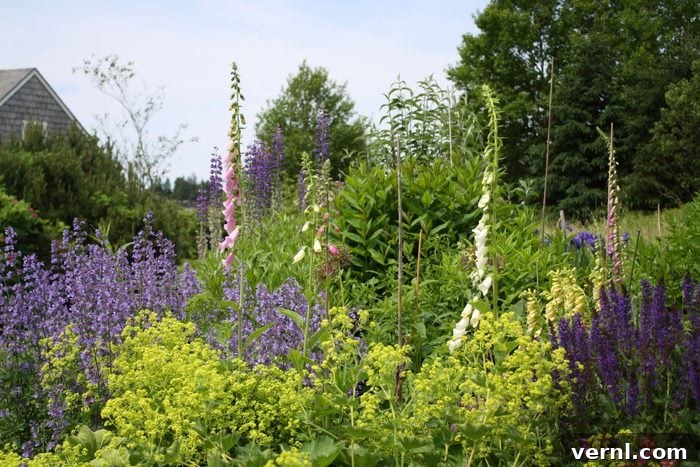
Outdoor watering can account for a substantial portion of household water use, especially in dry climates. Smart landscaping and irrigation practices can drastically reduce this consumption.
- Embrace Native Plants and Xeriscaping: Plant native plants that are naturally adapted to your local climate. They require significantly less water, fertilizer, and maintenance once established. “Native plants also provide vital habitat for wildlife and pollinators, promoting a healthy ecosystem,” notes Kate Colarulli.
- Reduce or Replace Turf Grass: Traditional lawns are notoriously thirsty. Consider swapping some or all of your turf grass for native grasses, drought-tolerant groundcovers, or other low-water landscaping designs like rock gardens or permeable patios. This not only saves water but also reduces the need for mowing and chemical treatments.
- Water Early in the Morning: The best time to water your garden is in the early morning. This allows the water to soak into the soil before the heat of the day causes significant evaporation, ensuring more water reaches plant roots.
- Install a Rain Barrel: Collect rainwater runoff from your roof in a rain barrel. This free, untreated water is perfect for irrigating your garden, potted plants, or even washing your car, reducing your reliance on municipal water supplies.
- Utilize Mulch: Apply a layer of organic mulch around plants and in garden beds. Mulch helps retain soil moisture, suppress weeds (which compete for water), and regulate soil temperature, significantly reducing the need for frequent watering.
- Consider Drip Irrigation: For targeted watering, install a drip irrigation system. These systems deliver water directly to the plant roots, minimizing waste from evaporation and runoff often associated with sprinklers.
- Explore Additional Lawn-Saving Tips: From aerating your lawn to adjusting mower blade height, many techniques can help your lawn thrive with less water during dry periods.
Investing in Efficiency: Water-Saving Upgrades for Your Home
While daily habits are crucial, strategic upgrades to your home’s fixtures and appliances can provide long-term, significant water savings with minimal ongoing effort.
Low-Flow Fixtures: Modernizing Your Water Outlets
Upgrading to low-flow shower heads and faucets is one of the most cost-effective ways to boost water conservation. These fixtures maintain excellent water pressure while using significantly less water. An even more economical and easier solution is to install high-efficiency faucet aerators, which typically cost between $5 and $15. Plumbing expert Caleb Caviness reassures, “If you can unscrew a lightbulb, you can do this. They’ll reduce your faucet’s flow by about 30%, without making it feel like you’re washing your hands under a leaky straw.” This simple swap can save thousands of gallons over the years.
High-Efficiency Toilets: A Smart Investment
Dual-flush water-efficient toilets represent a more substantial but highly impactful upgrade. These toilets offer two flush options – a lower volume flush for liquid waste and a higher volume flush for solid waste – saving thousands of gallons per year. While they cost between $150 and $300, they are considered DIY-friendly for those with basic plumbing knowledge, and their long-term savings often justify the initial expense.
Smart Irrigation Systems: Watering with Precision
For outdoor water use, installing a smart irrigation controller is an excellent investment. These systems, costing between $100 and $250, go beyond simple timers. They adjust watering schedules based on real-time weather data, precipitation forecasts, and soil saturation levels, ensuring your landscape receives exactly the water it needs, when it needs it, preventing overwatering and waste. They are also relatively easy to install for the average homeowner.
Energy-Star Appliances: The Power of Efficiency
More expensive but highly impactful upgrades include energy and water-efficient dishwashers and washing machines, certified with the Energy Star label. These appliances are engineered to use significantly less water and electricity than older models. For instance, an efficient washing machine can save approximately 30 gallons per load compared to older models, according to Marcus Griswold. Over the lifespan of the appliance, these savings accumulate substantially, making them a wise investment for both your wallet and the environment.
Cultivating Daily Habits for a Water-Wise Lifestyle
Beyond fixing leaks and making upgrades, integrating mindful water practices into your daily routine is key to sustainable living. These habits reinforce the importance of every drop and empower you to be a more conscious consumer.
- Mindful Water Consumption: Revisit the simple act of turning off the water while brushing your teeth. “It doesn’t sound like a big deal, but it’ll save around four gallons of water every time you do it,” emphasizes Caleb Caviness. Extend this thinking to other activities: turn off the faucet while shaving, scrubbing pots, or conditioning your hair.
- Time Your Showers: Consciously reducing your shower time by even a minute or two can save hundreds of gallons over a month. Use a timer or a favorite short song to keep track.
- Creative Water Reuse: Look for opportunities to give water a second life. As Marcus Griswold suggests, “You can dump boiled water onto dishes to soak and pre-rinse, or use cleaner boiled water to water plants once it has cooled down.” Similarly, collect cold water from your shower while waiting for it to warm up and use it for flushing toilets or watering plants.
- Thaw Foods in the Refrigerator: Instead of using running water to thaw frozen foods, plan ahead and move them to the refrigerator overnight. This saves water and is a safer method for food preparation.
- Full Loads for Laundry and Dishes: Make it a steadfast rule to only run your dishwasher and washing machine when they are completely full. This maximizes the efficiency of each cycle.
- Educating the Household: Involve all family members in water conservation efforts. Teach children the importance of turning off faucets tightly and taking shorter showers. When everyone participates, the collective impact is much greater.
Frequently Asked Questions (FAQ)
What is greywater, and is it safe to reuse?
Greywater refers to water that has been used in showers, washing machines, and sinks – essentially, all household wastewater except for toilet water (which is blackwater). Since it primarily contains soap and some dirt, greywater is generally safe for certain reuse applications. It can be effectively used for flushing toilets, irrigating lawns, and watering non-edible plants like trees, shrubs, and ornamental gardens. However, it is not recommended for drinking, cooking, or watering root vegetables where the edible part might come into direct contact with the water. If the greywater contains a low amount of biodegradable soap, it can also be used for general plant watering. Caviness advises, “Just be sure to use it promptly, to prevent bacteria from growing in it,” typically within 24 hours.
Do water-saving appliances really make a difference?
Absolutely, water-saving appliances make a significant difference in reducing overall household water usage. The statistics are compelling: an Energy Star certified dishwasher uses less than four gallons per cycle, whereas handwashing can consume upward of 20 gallons for the same amount of dishes. Similarly, an efficient washing machine uses around 10-15 gallons per load, a stark contrast to the 40+ gallons used by older models. Caleb Caviness highlights the economic benefit, stating, “Over a year, the upgrade pays for itself through reduced water and energy bills.” These appliances represent a smart, long-term investment in both financial savings and environmental stewardship.
What are the main benefits of water conservation?
The benefits of water conservation are wide-ranging and impactful. Environmentally, it helps preserve vital freshwater ecosystems, protects wildlife habitats, and increases resilience against droughts and climate change. Financially, it directly translates to lower utility bills (both water and energy), freeing up household income. Socially, it contributes to community water security, reduces the need for costly new infrastructure, and promotes responsible resource management for current and future generations. Ultimately, water conservation is a cornerstone of sustainable living, ensuring a healthier planet and a more stable economy.
Meet Our Water Conservation Experts
- Marcus Griswold is a sustainability expert and the founder of Little Green Myths, a website dedicated to analyzing key questions in sustainability science and consumer goods.
- Caleb Caviness serves as the general manager of AryCo, a trusted plumbing, HVAC, and electrical services company based in North Texas.
- Kate Colarulli is the chief strategy officer at CleanChoice Energy, a company focused on making clean energy accessible to all.
By integrating these practical tips and thoughtful upgrades into your home and lifestyle, you can become a powerful advocate for water conservation. Every conscious decision, from turning off the tap to investing in an efficient appliance, contributes to a larger collective effort that safeguards our most precious resource. Start today, and witness the positive impact on your utility bills and the environment.