
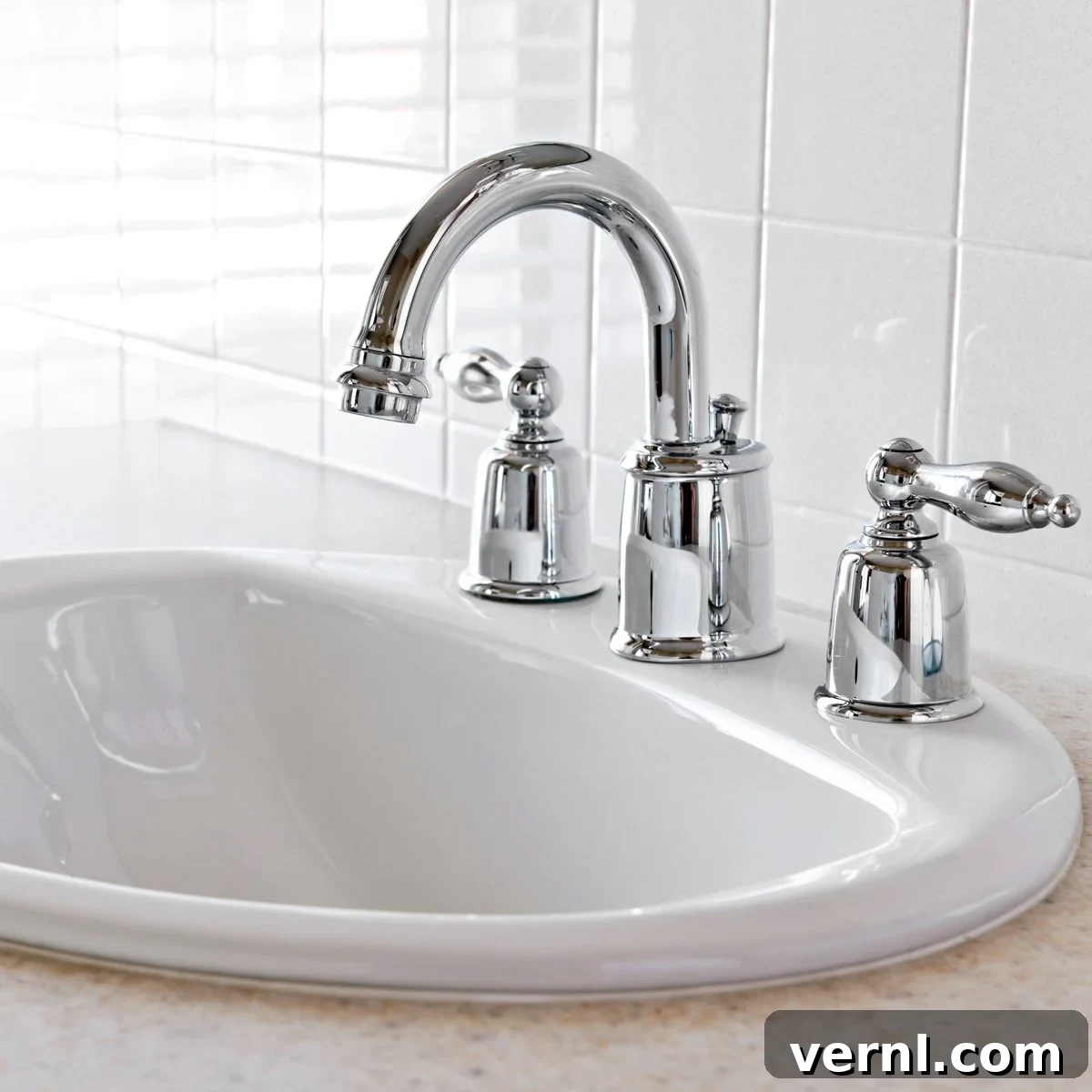
Expert Guide: How to Effectively Remove Rust from Chrome Bathroom Fixtures & Prevent Future Corrosion
Chrome finishes are typically chosen for their sleek aesthetic and their inherent ability to act as a protective barrier against corrosion and rust. So, it can be quite perplexing and frustrating to discover unsightly rust spots marring your chrome bathroom fixtures. While chrome plating offers excellent protection, it’s not entirely invulnerable. Rust begins to form when the delicate chrome layer is compromised—through scratches, dents, or abrasive cleaning—exposing the underlying metal to the bathroom’s humid environment, moisture, and oxygen in the air. This exposure triggers the oxidation process, leading to the familiar reddish-brown stains.
The good news is that these stubborn rust stains don’t have to be a permanent fixture in your bathroom. With the right techniques and a little effort, you can restore the shine to your chrome and prevent future damage. This comprehensive guide will walk you through several effective methods for cleaning rust from chrome bathroom fittings, from natural solutions to specialized products. We’ll also delve into crucial preventive measures to keep your fixtures gleaming for years to come. If you’re dealing with rust on other surfaces, you might find our guide on how to clean rust off of other metals helpful, or learn how to clean a stainless steel sink.
Understanding Chrome and Rust: Why Does It Happen?
Chrome plating is a thin layer of chromium electroplated onto a base metal, typically steel or brass. This layer provides a hard, durable, and corrosion-resistant surface. However, its effectiveness hinges on its integrity. When this protective layer is breached, even by microscopic damage, the underlying metal becomes vulnerable. Bathrooms, with their high humidity and frequent water exposure, create an ideal environment for rust formation once the base metal is exposed. Common culprits for chrome damage include:
- Abrasive Cleaners and Scouring Pads: Harsh chemicals and rough scrubbing materials can scratch the chrome surface.
- Impact and Dents: Dropping heavy objects or accidental knocks can chip or dent the plating.
- Hard Water Stains: Mineral deposits from hard water, if left untreated, can etch the chrome and weaken its protective qualities.
- Chemical Exposure: Certain strong cleaning agents not designed for chrome can strip its protective layer over time.
- Poor Quality Plating: In some cases, manufacturing defects or thin plating can lead to premature rust.
Preparing Your Chrome Fixtures for Rust Removal
Before you tackle the rust itself, a little preparation can go a long way in ensuring effective and safe cleaning. Always work in a well-ventilated area and consider wearing gloves to protect your hands, especially when using chemical solutions.
- Initial Cleaning: Begin by thoroughly cleaning the entire fixture with your regular mild bathroom cleaner or a soap-and-water solution. This step removes surface dirt, grime, soap scum, and water spots, allowing you to clearly see the extent of the rust and preventing these contaminants from interfering with the rust removal process.
- Rinse and Dry: After cleaning, rinse the fixture thoroughly with clean water and dry it completely with a soft, lint-free cloth.
- Test in an Inconspicuous Area: If you’re unsure about a particular cleaning method or product, always test it on a small, hidden area of the fixture first to ensure it doesn’t cause discoloration or damage.
Effective Methods for Removing Rust from Chrome Bathroom Fixtures
There are several tried-and-true methods for removing those pesky rust spots from your chrome bathroom fixtures. You might be surprised by how simple and effective some of these household solutions can be!
Method 1: Harnessing the Power of Vinegar
If you prefer natural, eco-friendly cleaning solutions, white vinegar is an excellent choice for tackling rust on chrome. Its mild acetic acid content helps to dissolve the iron oxide (rust) without being overly aggressive on the chrome itself. While this method might require a bit more manual effort, its safety and accessibility make it a popular option.
- Application: Spray undiluted white vinegar directly onto the rust spots. For more extensive or stubborn rust, you can soak a paper towel or a soft cloth in vinegar and wrap it around the affected area, ensuring maximum contact.
- Soak Time: Allow the vinegar to sit on the rust for approximately 10 to 15 minutes. For light rust, even 5 minutes might suffice, but for heavier rust, you can extend the soaking time up to 30 minutes, keeping an eye on the fixture.
- Scrubbing: After the soaking period, gently scrub the rust with a soft sponge, a microfiber cloth, or an old toothbrush for intricate areas. The acid should have loosened the rust, making it easier to wipe away.
- Repeat if Necessary: If some rust remains, repeat the process. Stubborn spots might require multiple applications and a bit more elbow grease.
- Rinse and Dry: Once the rust is gone, rinse the fixture thoroughly with clean water to remove any vinegar residue and dry it immediately with a soft cloth to prevent new water spots.
- Seal for Protection: To help fill in any tiny cracks or imperfections that might have allowed rust to form and prevent future issues, apply a thin layer of car wax to the cleaned chrome. Buff it gently with a clean cloth until shiny. This adds an extra protective barrier.
Psst! Did you know you can also use vinegar to clean up those rusty tools in your workshop?
Method 2: The Surprising Trick with Aluminum Foil
Believe it or not, a simple ball of aluminum foil can be incredibly effective at removing rust from chrome. This method works on two principles: mild abrasion and a fascinating chemical reaction.
- Preparation: Tear off a small sheet of aluminum foil and crumple it into a loose ball, about the size of a golf ball or lemon.
- Water Application: Dip the aluminum foil ball into a little plain water. The water acts as a lubricant and facilitates the chemical reaction.
- Gentle Rubbing: Gently rub the wet aluminum foil ball onto any rusted areas. As you rub, the aluminum, which is softer than chrome, acts as a fine abrasive, while simultaneously undergoing a chemical reaction with the rust. The aluminum oxidizes more readily than the iron in the rust, essentially “sacrificing” itself and helping to lift the rust away. You might notice a dark residue forming; this is a good sign that the process is working.
- Cola Boost for Stubborn Rust: If the rust seems particularly stubborn and isn’t coming off with water, try dipping the aluminum foil in cola (yes, you read that right!) instead of water. Cola drinks contain phosphoric acid and carbonic acid, which are more potent rust dissolvers than plain water. The acids react with the iron oxide in the rust, breaking it down and making it easier for the aluminum to lift it away. The fizz from the cola can also help agitate the rust.
- Check Progress: Periodically wipe away the residue with a clean cloth to check your progress. Continue rubbing gently until the rust spots are gone.
- Final Polish: To finish, rinse the fixture thoroughly with water and then polish it with a clean, dry, soft cloth. The best part about the aluminum foil method is that as you rub, the aluminum can leave behind a microscopic layer of aluminum oxide, which can actually help to seal and protect the chrome, preventing future rust problems by creating a new passive layer.
Find out the secret to removing rust from concrete as well!
Method 3: Specialized Treatment with WD-40 Specialist Rust Release Penetrant Spray
While you might be familiar with the original WD-40 as a lubricant for squeaky hinges or garage doors, there’s a specific product designed for tackling rust: WD-40 Specialist Rust Release Penetrant Spray. This product is formulated with powerful penetrating agents that quickly dissolve rust without harming the chrome surface, making it an excellent choice for targeted treatment.
- Application: Spray the WD-40 Specialist Rust Release Penetrant Spray directly onto the rusted areas of your bathroom fixtures. Ensure the rust spots are thoroughly saturated.
- Wait Time: Allow the product to penetrate the rust for several minutes, as instructed on the product label. This gives the specialized formula time to break down the rust bond.
- Scrubbing: Once the product has had time to work, scrub the affected area with a soft-bristled toothbrush (ideal for small, hard-to-reach places, thanks to WD-40’s signature straw sprayer) or a very fine-grade metal wool (like 0000 grade steel wool). The penetrant will have loosened the rust, allowing for easier removal.
- Wipe Clean: Wipe away the dissolved rust and product residue with a clean, damp cloth.
- Rinse and Dry: Rinse the fixture thoroughly with clean water and dry it completely to prevent water spots and further corrosion.
- Safety Notes: Always use this product in a well-ventilated area and avoid prolonged skin contact. Follow all manufacturer instructions and safety warnings on the label.
Got some rust on your car? Here’s how to get rid of it effectively.
Method 4: Baking Soda Paste for Gentle Rust Removal
Baking soda (sodium bicarbonate) is a mild abrasive and a natural deodorizer that can also work wonders on light rust stains on chrome. It’s gentle enough not to scratch the finish but effective enough to lift superficial rust.
- Create a Paste: Mix baking soda with a small amount of water to create a thick paste. The consistency should be similar to toothpaste.
- Apply: Apply the paste generously over the rust spots.
- Soak Time: Allow the paste to sit on the rust for at least an hour, or even overnight for more stubborn stains. The baking soda will gently react with the rust.
- Scrub: Using a soft cloth, sponge, or an old toothbrush, gently scrub the paste and the rust away. The mild abrasive nature of the baking soda will help lift the rust without damaging the chrome.
- Rinse and Dry: Rinse the fixture thoroughly with clean water to remove all baking soda residue, then dry it completely with a soft cloth.
Method 5: Lemon Juice and Salt Combination
Another natural rust remover, similar to vinegar, is a mixture of lemon juice and salt. The citric acid in lemon juice, combined with the mild abrasive quality of salt, creates an effective rust-fighting duo.
- Mix: Squeeze fresh lemon juice into a small bowl and mix in enough table salt to form a thick paste.
- Apply: Apply the paste directly to the rust spots on the chrome fixture.
- Soak Time: Let the mixture sit on the rust for at least 30 minutes to an hour. For heavier rust, you can let it sit for a few hours.
- Scrub: Gently scrub the rust with a soft cloth or a non-abrasive sponge. The salt will act as a gentle abrasive while the lemon juice works on dissolving the rust.
- Rinse and Dry: Rinse the fixture thoroughly with clean water and dry it immediately with a soft, lint-free cloth.
Preventing Future Rust on Chrome Bathroom Fixtures
While removing rust is satisfying, preventing its recurrence is even better. Proactive maintenance is key to keeping your chrome fixtures shining and rust-free. Here are some essential tips:
- Wipe Dry After Each Use: This is arguably the most crucial step. After showering, washing hands, or any use that gets your chrome wet, wipe the fixtures dry with a soft cloth. This eliminates standing water that can lead to both water spots and rust.
- Regular Cleaning: Clean your chrome fixtures regularly (e.g., weekly) with a mild, pH-neutral cleaner specifically designed for bathroom use or a simple soap-and-water solution. Avoid harsh chemicals, abrasive cleaners, or scouring pads that can scratch the chrome.
- Apply a Protective Sealant: Periodically apply a thin layer of car wax, chrome polish, or a clear protective sealant. These products create an invisible barrier that repels water and prevents moisture from reaching the chrome surface, filling in microscopic imperfections.
- Ensure Adequate Ventilation: High humidity in bathrooms is a primary contributor to rust. Use an exhaust fan during and after showers to reduce moisture levels. If you don’t have a fan, open a window or door to allow steam to escape.
- Avoid Leaving Metal Items on Chrome: Rust can transfer from other metal objects (like shaving cream cans, hairspray cans, or wire baskets) that are left directly on chrome surfaces. Store these items elsewhere or use non-slip mats or holders to prevent direct contact.
- Address Hard Water Stains Promptly: Hard water leaves mineral deposits that can etch chrome over time, making it more susceptible to rust. Clean hard water spots regularly with a vinegar solution or commercial hard water stain remover.
- Inspect Regularly: Routinely check your chrome fixtures for any signs of damage or developing rust spots. Catching rust early makes it much easier to remove.
Frequently Asked Questions About Chrome Rust Removal
Is it safe to use steel wool to remove rust from chrome?
Yes, using steel wool can be safe for removing rust from chrome, but it’s crucial to use the correct type and method. Always opt for extra-fine grade steel wool (grade 0000), which is soft enough to gently abrade rust without scratching the much harder chrome surface. Coarser grades of steel wool (00, 0, 1, etc.) should be avoided as they will certainly scratch and damage the chrome plating, potentially leading to more extensive rust problems down the line. When using 0000 steel wool, apply only light pressure and work in small, circular motions. Follow up with a good rinse and polish.
How do I prevent rust from forming on chrome bathroom fixtures?
Preventing rust on chrome fixtures primarily involves managing moisture and protecting the chrome surface. Key strategies include: consistently wiping fixtures dry after every use to eliminate standing water, regularly cleaning them with a mild, non-abrasive cleaner, and applying a protective sealant like car wax or a specialized chrome polish periodically. Additionally, ensure proper bathroom ventilation to reduce overall humidity and avoid leaving rusting metal items directly on chrome surfaces.
What if the rust is severe and the chrome plating is completely gone?
If rust has progressed to the point where the chrome plating is visibly flaking, pitted, or completely gone in areas, exposing the dull base metal, simple rust removal techniques may not be enough. In such cases, the underlying metal is permanently damaged. Your options are usually to consider professional re-plating, which can be costly, or more commonly, to replace the fixture entirely. Attempting to buff or polish deeply pitted chrome will likely only worsen the appearance and compromise any remaining plating.
Can I use abrasive sponges or brushes on chrome?
No, it is highly recommended to avoid using abrasive sponges, brushes, or scouring pads on chrome fixtures. These materials are too harsh and will scratch the delicate chrome plating, creating microscopic channels that allow moisture and oxygen to reach the underlying metal. Once the chrome is scratched, it becomes significantly more susceptible to rust and dullness. Always opt for soft cloths, microfiber towels, or soft-bristled brushes for cleaning chrome.
Conclusion
Dealing with rust on your chrome bathroom fixtures can be an unwelcome challenge, but it’s one that can be overcome with the right approach. Whether you choose the natural acidity of vinegar and lemon, the surprising chemistry of aluminum foil and cola, the targeted power of a specialized rust penetrant, or the gentle abrasion of baking soda, you have several effective methods at your disposal to restore the pristine look of your chrome. Remember that timely action is crucial – the sooner you address rust, the easier it will be to remove.
More importantly, establishing a consistent routine of preventive care, including drying fixtures after use, regular gentle cleaning, and periodic sealing, will be your best defense against future corrosion. By understanding why rust forms and taking proactive steps, you can ensure your chrome bathroom fittings remain sparkling, functional, and beautiful for many years to come.