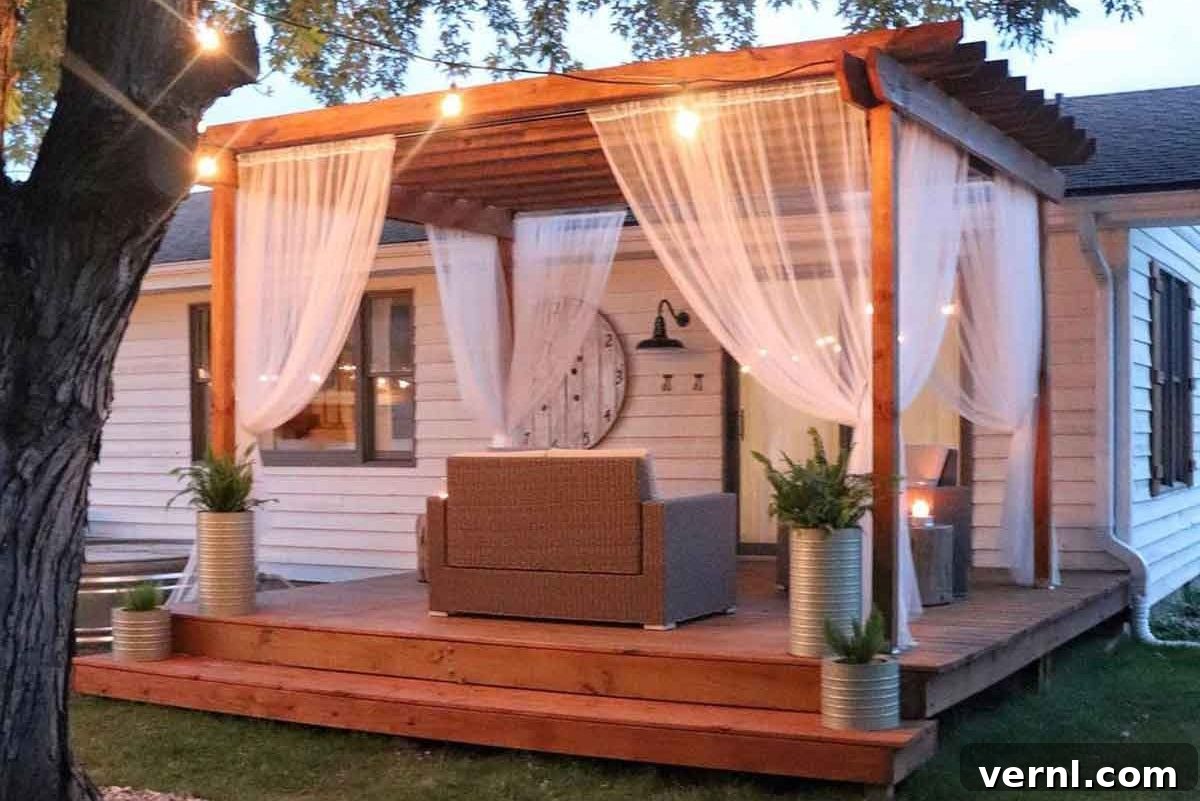
Creating an inviting and functional outdoor living space is a dream for many homeowners, and two of the most popular structures for enhancing your garden are the pergola and the gazebo. While both offer a retreat from the everyday, they differ significantly in design, functionality, and the experience they provide. Deciding between a pergola and a gazebo can feel like navigating a charming but complex labyrinth. From initial investment and long-term durability to maintenance requirements and aesthetic appeal, this ultimate guide will equip you with all the essential information to confidently make a final call on the pergola versus gazebo debate, ensuring you select the perfect structure to complement your home and lifestyle.
Pergola vs. Gazebo: Understanding the Fundamental Differences
At their core, the primary distinction between a pergola and a gazebo lies in their fundamental roof design and the level of enclosure they offer. This core difference dictates their primary function, aesthetic, and suitability for various climates and uses.
What Defines a Pergola?
A pergola is characterized by its signature open-roof design. Typically, it features a series of sturdy vertical posts or columns that support a grid of crossbeams and sometimes an additional open lattice. This distinctive structure creates a partially shaded area, allowing dappled sunlight to filter through, offering a beautiful interplay of light and shadow. Pergolas often have a rectangular or square footprint, serving as an architectural feature that defines an outdoor space without fully enclosing it. They are excellent for creating transitional zones, shading walkways, or providing a framework for climbing plants to flourish, thereby blending seamlessly with the natural landscape.
What Defines a Gazebo?
In contrast, a gazebo offers complete overhead coverage with a fully enclosed, solid roof. This roof is typically elevated off the ground, often supported by a robust concrete slab or a sturdy wooden deck, providing a stable foundation. Gazebos are renowned for their classic, often whimsical designs, commonly featuring rounded, hexagonal, or octagonal shapes. They usually include railings or low walls between their support columns, creating a more defined and secluded outdoor “room.” This enclosed nature makes gazebos ideal for providing comprehensive protection from the elements, ensuring comfort regardless of the weather.
The Allure of Pergolas: Key Advantages
Pergolas are celebrated for their versatility and ability to enhance outdoor spaces with an elegant, airy feel. Their unique design offers several compelling advantages that make them a popular choice for homeowners seeking to elevate their garden or patio.
Masterful Light Control and Openness
One of the most appealing aspects of pergolas is their inherent flexibility in managing light and creating a dynamic visual experience. The open-beam design can be customized in numerous ways to achieve desired levels of shade and aesthetic appeal:
- Retractable Canopies: For ultimate flexibility, many modern pergolas incorporate retractable fabric canopies that can be adjusted with ease, allowing you to bask in full sun or enjoy complete shade at your whim.
- Natural Greenery: Cultivating climbing vines such as wisteria, grapevines, or ivy along the vertical columns and across the top beams transforms a pergola into a living, breathing canopy. This not only provides natural shade and cools the area but also adds an enchanting, organic beauty to your landscape.
- Fabric Panels and Shades: Hanging weatherproof fabric panels, bamboo blinds, or latticework between beams can offer additional coverage, privacy, and a touch of decorative flair, allowing you to tailor the ambiance.
When strategically designed with a dense latticework or carefully selected plant coverage, a pergola can effectively block a significant portion of direct sunlight, often around 70% or more, creating a comfortable microclimate beneath.
Simplicity in Maintenance
Compared to gazebos, pergolas generally demand less maintenance, especially when constructed from modern, weather-resistant materials. This makes them an attractive option for those who prefer to spend more time enjoying their outdoor space rather than maintaining it.
- Superior Drainage: The open design of a pergola allows rain and melting snow to pass directly through to the ground below, preventing water from collecting on the roof structure. This drastically reduces the risk of water damage, wood rot, and the potential for unsightly mold or mildew growth that can plague solid-roof structures.
- Streamlined Annual Care: Annual maintenance for most pergolas is straightforward. It typically involves basic cleaning – perhaps a gentle wash with soap and water – and, for wooden structures, reapplying a weather-resistant sealant or stain every few years to protect the wood from UV rays and moisture, preserving its appearance and extending its lifespan. Vinyl or aluminum pergolas require even less, usually just a periodic rinse.
Versatility and Seamless Integration
Pergolas are incredibly versatile in their application and can be integrated into various landscape designs. They can define a patio, create an inviting entryway, shelter an outdoor kitchen, or simply provide a serene spot for relaxation. Their open structure allows them to blend seamlessly with existing garden elements, creating a sense of expansiveness rather than enclosure. They are also excellent for supporting outdoor lighting, swings, or decorative elements, enhancing the overall aesthetic of your garden without overpowering it.
The Robust Appeal of Gazebos: Defining Advantages
Gazebos stand as enduring symbols of classic garden elegance, offering a more complete and protected outdoor experience. Their solid construction and enclosed nature provide distinct benefits that cater to specific needs and preferences.
Comprehensive Weather Protection and Year-Round Enjoyment
For those living in regions with unpredictable or challenging weather conditions, gazebos often emerge as the superior choice. Their solid roofs provide robust protection from a multitude of elements, ensuring comfort in almost any season:
- Rain and Intense Sun: A gazebo’s fully enclosed roof shields occupants entirely from heavy downpours and harsh, direct sunlight, making it an ideal sanctuary for outdoor activities even on the hottest or wettest days. This makes them perfect for regions with frequent rain, intense UV exposure, or extremely hot climates.
- Snow Accumulation: While standard flat roofs may struggle with heavy snow, gazebos can be designed with sloped or gable roofs that effectively shed snow, enhancing their durability and suitability for regions experiencing moderate to heavy snowfall during winter. This thoughtful design minimizes structural stress and extends the gazebo’s usability throughout the year.
- Wind Resistance: With sturdier construction and often more anchored foundations, gazebos typically offer better resistance to wind compared to open pergolas, providing a more secure environment.
This comprehensive protection ensures that your outdoor retreat remains comfortable and functional, allowing for year-round enjoyment of your garden, regardless of what the weather brings.
Creating Defined Outdoor Rooms and Enhanced Privacy
The enclosed and often walled nature of gazebos is excellent for creating distinct “rooms” within your landscape. This offers a sense of privacy and seclusion that open pergolas simply cannot match. A gazebo can transform a corner of your garden into a dedicated space with a clear purpose:
- Elegant Dining Spaces: Your garden refuge can become a sophisticated setting for hosting outdoor dinners, protected from unexpected showers or scorching sun.
- Relaxation and Meditation Zones: The enclosed structure provides a tranquil haven for reading, meditation, or simply enjoying quiet contemplation, away from the distractions of the main garden or house.
- Hot Tub Enclosures: Gazebos are frequently used to house hot tubs, offering privacy, protection from the elements, and enhancing the spa experience.
- Entertainment Hubs: With the ability to incorporate lighting, ceiling fans, and even outdoor sound systems, a gazebo can serve as a fantastic hub for entertaining guests, providing a sheltered and inviting atmosphere.
This sense of definition and privacy allows for a more intimate and purposeful use of your outdoor space, turning it into an extension of your home’s interior living areas.
Potential for Increased Property Value
A well-built, aesthetically pleasing gazebo can significantly enhance your property’s curb appeal and market value. Its robust construction and defined utility often position it as a more substantial and permanent enhancement to the landscape, making it an attractive feature for potential buyers.
Key Considerations for Building Your Outdoor Oasis: Pergola Vs. Gazebo
Making an informed decision between a pergola and a gazebo involves weighing several practical factors. Each consideration plays a crucial role in determining which structure best suits your needs, budget, and property.
Cost Implications: Initial Investment and Long-Term Value
The financial aspect is often a significant deciding factor. Generally, pergolas are lighter on your wallet for the initial investment, primarily due to fewer materials and less complex construction.
- Pergola Costs: A standard 9-foot wooden pergola model typically costs between $2,000 and $6,000. However, the choice of material significantly impacts this, with high-end vinyl, fiberglass, or aluminum options potentially being more expensive than basic wood. A major upside for budget-conscious homeowners is the availability of DIY pergola kits, which can start from as little as $1,500, making them an accessible option for those with some carpentry skills.
- Gazebo Costs: In comparison, a gazebo of the same size could range from $5,000 to $10,000 or even more. This higher cost is attributed to the additional materials required for a solid, fully enclosed roof, more substantial structural support, often an elevated floor, and the more intricate and labor-intensive construction process. Custom-built gazebos with premium materials can easily exceed these figures.
When considering cost, remember to factor in not just the purchase price but also installation fees (if hiring professionals), potential permit costs, and long-term maintenance expenses.
Materials and Installation: Crafting Your Outdoor Sanctuary
The materials chosen for your outdoor structure dictate its aesthetics, durability, and maintenance requirements. Both pergolas and gazebos offer a range of material options, each with distinct advantages.
Pergola Material Choices:
When selecting materials for your pergola, prioritize a balance between upfront cost, visual appeal, and long-term durability to simplify the decision-making process:
- Wood: Ideal for a classic, natural aesthetic that weathers beautifully over time. Cedar, redwood, and pressure-treated pine are popular choices. They require periodic staining or sealing for protection against moisture and UV damage.
- Vinyl: The go-to option for low-maintenance living. Vinyl resists weathering, fading, and doesn’t require painting or staining, making it incredibly durable and easy to clean. It often comes in white or neutral tones, offering a clean, contemporary look.
- Fibreglass: Known for its exceptional strength, durability, and resistance to warping, rotting, or insect damage. Fiberglass pergolas are often lightweight yet incredibly sturdy, making them suitable for relocation if desired. They can also be painted to mimic other materials.
- Aluminium: While perhaps not as traditionally stylish as wood for some, aluminium excels in functionality. It is rust-resistant, lightweight, and incredibly durable, making it an excellent choice for coastal environments or areas with high humidity where other metals might corrode. It requires minimal maintenance.
For installation, pre-designed pergola kits offer simplified plans and pre-cut components, making the process more accessible for DIY enthusiasts. However, custom-built pergolas, while requiring more advanced carpentry skills or professional help, allow for unique designs tailored to specific aesthetic visions and site requirements.
Gazebo Material Choices:
Gazebos, being more substantial structures, often incorporate a wider array of robust materials:
- Wood: Traditional gazebos are frequently crafted from high-quality woods such as cedar, pine, redwood, or treated lumber. These materials offer timeless appeal but require regular maintenance (staining, sealing, painting) to prevent rot, insect damage, and weathering.
- Stone: Stone is a common and highly durable material, often used for gazebo bases, columns, or even integrated into low walls. It provides exceptional stability, longevity, and a luxurious, permanent aesthetic.
- Metal: Wrought iron or aluminium provides excellent durability and resistance to various weather conditions. Wrought iron offers a classic, ornate look but is heavy and may require more maintenance to prevent rust. Aluminium, however, scores highly for its lightweight nature, rust resistance, and ease of maintenance, making it a modern, practical choice.
Prefabricated gazebo kits are readily available and designed for easier assembly, providing a quicker route to enjoying your new outdoor space. Nevertheless, custom-built DIY gazebos offer unparalleled design flexibility, allowing for unique architectural elements and specific adaptations to perfectly suit your needs and landscape.
Durability and Longevity: A Long-Term Investment
The expected lifespan of your outdoor structure is a crucial factor, influenced by material choice, construction quality, local climate, and the diligence of maintenance.
- Pergola Durability: While pergolas generally have a lower initial cost and simpler maintenance, their durability can sometimes be less than that of a robust gazebo. Their open design means that components like columns and beams are more exposed to the elements, potentially leading to faster deterioration, particularly with wooden structures. They also typically have less robust foundations compared to gazebos. However, this does not mean pergolas are short-lived. A well-built pergola, constructed from appropriate materials (like vinyl, fiberglass, or pressure-treated wood) and properly maintained with regular cleaning and sealing, can easily last 10-12 years or significantly longer.
- Gazebo Durability: Gazebos are typically engineered with sturdier structures and more substantial foundations, contributing to a longer lifespan. Their solid roofs protect the internal structure from direct exposure. Longevity, however, still heavily depends on the chosen materials, the severity of local weather conditions, and consistent maintenance efforts. Gazebos built with high-quality, weather-resistant materials like galvanized steel, heavy-gauge aluminum, or naturally durable woods (e.g., cedar) are likely to last much longer than those made from lower-quality metals or untreated timber. Regular maintenance, including rust prevention for metal components, roof inspections, and timely repairs, is paramount to ensuring your gazebo stands strong for decades. For roofing, asphalt shingles offer a cost-effective solution upfront but may require replacement sooner than more expensive and durable options like metal roofing or cedar shakes.
Aesthetics and Design Integration
- Pergolas: Offer a modern, often minimalist aesthetic. Their open design makes them feel less imposing, allowing them to blend seamlessly into the garden and create a sense of continuity. They are excellent for supporting climbing plants, adding a natural, organic feel.
- Gazebos: Tend to evoke a more traditional, classic, or even romantic aesthetic. They often serve as a focal point in the landscape, a standalone architectural statement. Their enclosed nature offers a more formal look.
Functionality and Primary Usage
- Pergolas: Best suited for casual lounging, defining outdoor zones, creating shaded pathways, or providing a framework for decorative elements and plants. They offer partial shade and an airy atmosphere, ideal for enjoying gentle breezes.
- Gazebos: Ideal for dedicated outdoor rooms, such as dining areas, hot tub enclosures, private reading nooks, or entertainment spaces. They offer full protection from sun and rain, allowing for more consistent use.
Space Requirements and Visual Impact
- Pergolas: Due to their open structure, pergolas generally have a lighter visual footprint and can adapt well to smaller yards or define narrow spaces. They often feel less “heavy” in the landscape.
- Gazebos: Require more substantial ground area and can appear more imposing due to their solid roof and enclosed nature. They typically suit larger, more established gardens where they can serve as a prominent feature without overwhelming the space.
Building Permits and Local Regulations
Before any construction begins, checking local building codes and homeowner association (HOA) regulations for your area should ideally be at the very top of your checklist. Both pergolas and gazebos, especially larger or permanently affixed structures, may require building permits. Regulations can vary significantly by location regarding size restrictions, setbacks from property lines, foundation requirements, and even aesthetic guidelines. Failing to secure the necessary permits can lead to fines, forced removal, or delays in your project.
Making Your Final Decision: Pergola or Gazebo?
After carefully weighing the unique characteristics and advantages of each structure, if your pergola versus gazebo dilemma remains, consider these critical parameters to help clarify your choice and ensure it perfectly aligns with your vision for the ideal outdoor space:
- Available Space: Assess the footprint in your yard. Gazebos, with their more enclosed nature and solid roofs, typically require more ground area and can feel more substantial. Pergolas, offering an open and airy design, can adapt beautifully to smaller spaces or serve as transitional elements within a larger landscape.
- Neighborhood Context & Regulations: Observe what your neighbors have installed. The prevailing trend in your area can often be a good indicator of popular choices, local zoning preferences, or even HOA restrictions regarding outdoor structures. This insight can help ensure your choice is both aesthetically harmonious and compliant with local guidelines.
- Primary Usage & Desired Function: Clearly define how you intend to use the space. Do you envision hosting frequent dinner parties or outdoor gatherings where protection from unexpected weather is paramount? If so, the full weather protection that gazebos provide will be highly beneficial. Conversely, if your primary goal is to create a casual lounging area, a semi-shaded retreat for reading, or a beautiful framework for climbing plants, the airiness and partial shade of a pergola are often more suitable.
- Maintenance Commitment: Be realistic about the time and effort you’re willing to invest in upkeep. If you’re already overwhelmed with maintaining your property but still desire an enhancement to your garden, pergolas, particularly those made from vinyl or aluminium, generally present a lower maintenance burden. Wooden structures, regardless of type, will require more consistent care.
- Budget Constraints: Factor in not only the initial purchase and installation costs but also the ongoing maintenance expenses. Gazebos typically represent a higher upfront investment due to more materials and complex construction. Pergolas, especially DIY kits, can be a more budget-friendly entry point into enhancing your outdoor living.
- Climate Conditions: Your local weather patterns should heavily influence your decision. In areas with frequent rain, strong sun, or even light snow, a gazebo offers superior protection. For milder climates where you primarily seek dappled shade and an open feel, a pergola might be perfect.
- Aesthetic Vision & Personal Style: Ultimately, the structure should resonate with your personal taste and complement your home’s architectural style. Do you prefer the open, contemporary lines of a pergola or the more classic, enclosed charm of a gazebo?
By carefully considering each of these factors, you can navigate the choices with confidence and select the outdoor structure that will bring you joy and functionality for years to come.
FAQs: Your Pergola and Gazebo Questions Answered
Which direction should a pergola face for optimal shade?
For the best shade coverage and to maximize comfort throughout the day, orienting your pergola with north-south aligned beams that have a slight eastward angle is generally recommended. This allows for abundant morning shade as the sun rises in the east and afternoon shade as it moves westward. Conversely, east-west aligned beams provide minimal coverage from the midday sun, which can be intense, making the space less comfortable during peak hours.
Does a gazebo need to be on concrete?
While a level concrete slab is often the preferred and most durable foundation for a gazebo, especially larger or heavier models, it is not always strictly necessary. The primary idea behind a thick concrete base is to provide excellent stability, ensure proper weight distribution for the structure and its furnishings, prevent sinking, and deter moisture from the ground. However, gazebos can also be built on sturdy, level wooden decks, well-prepared gravel bases, or reinforced paver patios, particularly for lighter or prefabricated kits. The choice of foundation depends on the gazebo’s size, weight, material, local building codes, and desired longevity.
Can a pergola be moved easily?
Yes, a pergola can often be moved, but the ease of relocation largely depends on its design, the materials used, and the type of foundation. Modular, lightweight options, especially those made from fibreglass or aluminium with minimal or non-permanent anchoring, are generally much easier to disassemble and move to a different location. Larger, custom-built wooden pergolas with extensive concrete footings or those integrated deeply into the landscape will be significantly more challenging and potentially costly to relocate, sometimes requiring professional help for deconstruction and reassembly.
Primary Sources:
- FIXR: “Pergola vs Gazebo”
- HARBOUR: “Gazebo vs. Pergola: Differences, Ideas & Costs”
- Gardens of Style: “PERGOLA VS. GAZEBO: WHICH IS CHEAPER?”
- Hanso: “PERGOLA VS GAZEBO: WHAT’S THE DIFFERENCE? WHICH IS BETTER?”