
The Ultimate Guide to Planting and Caring for Tiger Lily Bulbs
If you’re considering enhancing your garden with a burst of vibrant color, then planting tiger lily bulbs is an excellent choice. As an avid gardener myself, I’ve cultivated various types of lilies, and they thrive effortlessly in my local climate. Among these beautiful blooms, the double tiger lily holds a special place. Its resilience and striking appearance make it incredibly easy to grow, often surprising me with its stunning orange flowers adorned with dark spots as they unfurl in mid-summer.
What Exactly Is a Tiger Lily?
Tiger lilies, scientifically known as Lilium lancifolium (formerly Lilium tigrinum), are spectacular perennial flowering plants celebrated for their distinctive appearance and robust nature. Native to the rich landscapes of China and Japan, these hardy bulbs are well-suited for a wide range of climates, flourishing in U.S. Department of Agriculture Plant Hardiness Zones 3 through 8. This broad hardiness range makes them a versatile addition to many gardens across different regions.
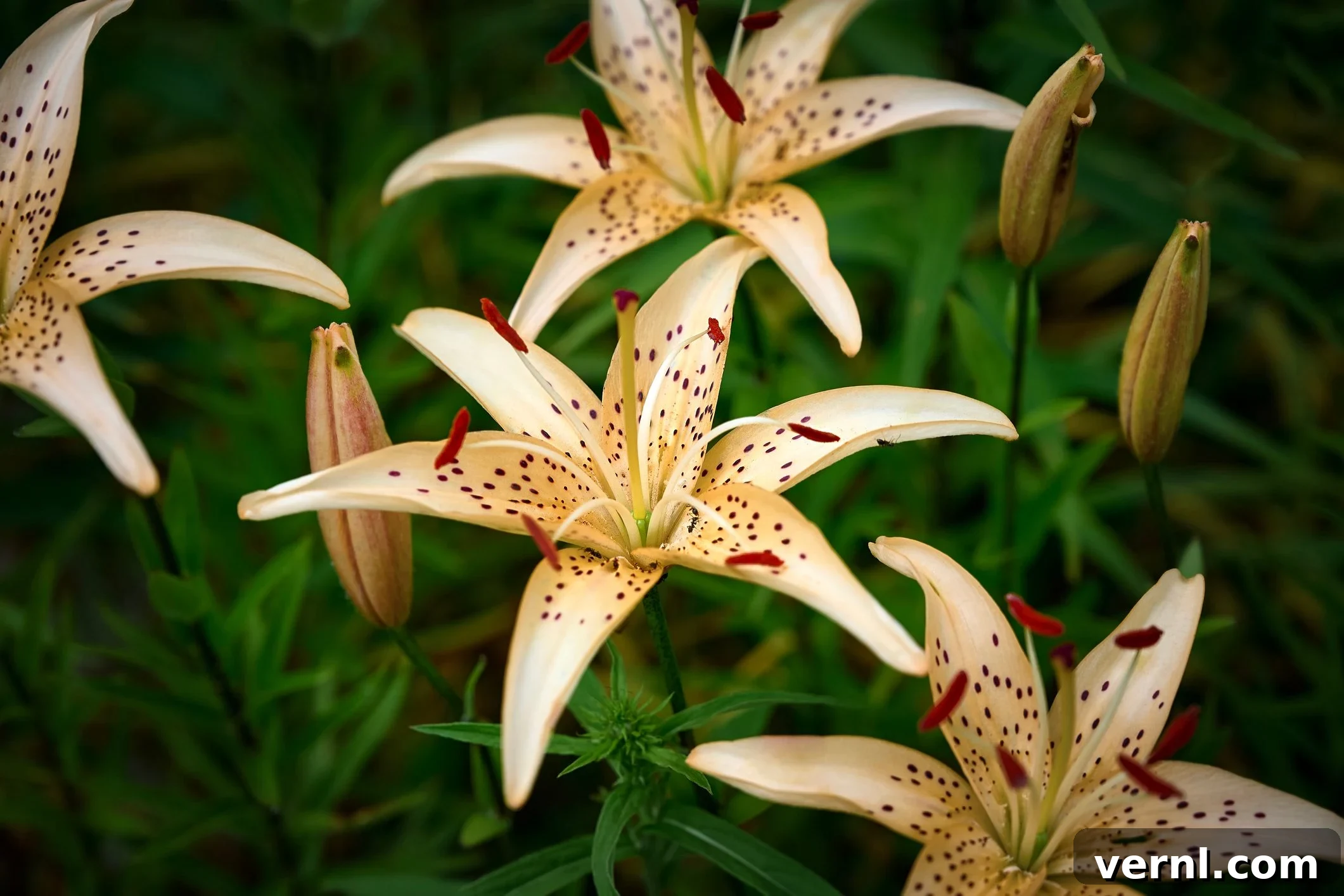
Typically, tiger lilies grow to an impressive height of three to four feet, creating a dramatic vertical element in garden beds. Their bloom time, often in mid-summer, coincides perfectly with many other garden favorites, allowing for beautiful mixed displays. The most defining characteristics of a tiger lily are its reflexed petals, which curve backward towards the stem, and the prominent dark spots that speckle their vibrant orange or yellow blooms. These unique features not only make them visually appealing but also a favorite among pollinators.
Exploring the Diverse Types of Tiger Lilies
While the classic orange tiger lily is widely recognized, modern horticulture has introduced several captivating selections, each chosen for specific desirable characteristics such as flower size, color variation, or petal formation. These cultivated varieties offer gardeners more options to perfectly match their garden’s aesthetic and design:
- Improved Orange Tiger Lily (Lilium tigrinum splendens ‘Improved’): This enhanced variety lives up to its name by producing larger, more intensely colored orange flowers. The dark spots are often more pronounced, giving the blooms an even more striking appearance. It’s an excellent choice if you love the traditional tiger lily look but desire an even more impactful floral display.
- Yellow Star Tiger Lily (Lilium tigrinum splendens ‘Yellow Star’): For gardeners who appreciate the form and ease of a tiger lily but prefer a different color palette, ‘Yellow Star’ offers a delightful alternative. Its blossoms unfurl in cheerful shades of yellow, providing a softer yet equally vibrant contrast in the garden. These yellow varieties can beautifully complement other cool-toned or pastel plants.
- Double Tiger Lily (Lilium lancifolium ‘Flore Pleno’): This particular cultivar is a true showstopper. Unlike the single-petaled forms, ‘Flore Pleno’ boasts extra layers of petals, creating a lush, full, and almost ruffled appearance. This abundance of petals makes each flower exceptionally decadent and visually richer, ensuring it stands out as a focal point in any garden setting. Its robust blooms provide an extended period of interest.
Each type maintains the inherent hardiness and low-maintenance qualities of the species, making them suitable for both novice and experienced gardeners seeking reliable beauty.
Why Tiger Lilies Are an Exceptional Choice for Your Garden
Incorporating tiger lilies into your garden offers a multitude of benefits, transforming your outdoor space with both aesthetic grandeur and ecological advantages. Their stunning appearance alone is reason enough to plant them, but their contributions extend far beyond mere beauty.
Unmatched Aesthetic Appeal
The distinctive orange blooms, generously dotted with dark spots, inject a vibrant splash of color into any garden, creating visual interest that lasts through the peak of summer. The unique reflexed petals give them an exotic, almost oriental charm, making them excellent focal points in mixed borders, cottage gardens, or as stand-alone specimens. Their tall, stately growth habit adds vertical dimension and structure, drawing the eye upwards and adding depth to your landscape design.
Boosting Garden Biodiversity
Beyond their beauty, tiger lilies play a crucial role in supporting local ecosystems. Their bright, open flowers are highly attractive to a variety of pollinators, including buzzing bees, graceful butterflies, and even hummingbirds. By planting tiger lilies, you’re not just growing flowers; you’re creating a welcoming habitat that encourages these beneficial creatures to visit, forage, and in turn, pollinate other plants in your garden, thereby enhancing the overall biodiversity and health of your garden environment.
Potential Medicinal and Culinary Value
Interestingly, the value of tiger lilies transcends aesthetics and ecology. Various scientific studies have explored the bioactive compounds found within their bulbs, revealing promising antioxidant and anti-inflammatory properties. Historically, the bulbs have been utilized in traditional medicine and even as a food source in certain cultures.
As highlighted by Wan-Sup Sim, Sun-Il Choi, et al., “Lilium lancifolium is native to Northeast Asia and its bulbs have been used for medicinal treatment. Moreover, Japan has been using L. lancifolium bulbs more actively as food ingredients than Korea. The storage organ of L. lancifolium is surrounded by several fleshy nodes at the base of the stem, called the bulb, which has been used as food or medicine to treat pneumonia and bronchitis.” This rich historical and potential medicinal context adds another fascinating layer to the appeal of growing these remarkable plants.
Comprehensive Guide to Planting Tiger Lily Bulbs
Planting tiger lily bulbs is a straightforward and rewarding process that will undoubtedly infuse your perennial garden with spectacular color and unique charm. Whether you choose to plant them directly in the ground or in containers, understanding the fundamental steps will ensure their successful establishment and vigorous growth.
Planting Tiger Lilies in the Ground
Successful in-ground planting begins with thoughtful site selection and proper soil preparation. Tiger lilies are generally forgiving, but providing optimal conditions from the start will yield the most impressive results:
- Choosing the Ideal Location: Select a spot that receives mostly full sun, ideally six to eight hours of direct sunlight per day. While they tolerate partial shade, especially during the intense heat of afternoon in warmer climates, ample sunlight promotes stronger stems and more abundant blooms. Ensure the chosen site is also protected from strong winds, which can damage their tall stalks.
- Ensuring Well-Drained Soil: This is perhaps the most critical factor for lily success. All lily bulbs are highly susceptible to rot in waterlogged conditions. The soil must drain exceptionally well. If your garden soil is heavy clay, amend it generously with organic matter such as compost, well-rotted manure, or peat moss to improve drainage and aeration. A slightly acidic to neutral pH (6.0 to 7.0) is generally preferred.
- Proper Planting Depth: Plant tiger lily bulbs so that the tip of the bulb is approximately two inches deep below the soil surface. This depth helps protect the bulb from temperature fluctuations and provides adequate anchorage for the tall stems.
- Adequate Spacing: Tiger lilies typically grow six to eight inches wide. To allow for proper air circulation and root development, space individual bulbs at least eight inches apart. Due to their impressive height, they are best positioned at the back of a perennial border, creating a striking backdrop for shorter flowering plants.
Planting Tiger Lilies in Containers
Container gardening offers flexibility, especially for those with limited garden space or less-than-ideal soil conditions. Tiger lilies can flourish beautifully in pots with the right care:
- Selecting the Right Container: Choose a large pot, at least 10-12 inches in diameter and depth, to accommodate the bulb’s root system and the plant’s eventual height. Crucially, the container must have excellent drainage holes to prevent water accumulation.
- Optimal Potting Medium: Fill your chosen container with a high-quality potting soil designed for good drainage. If your potting mix seems too dense, enhance its drainage capabilities by incorporating a mixture of about two parts potting soil to one part coarse sand or perlite. This blend will prevent the bulbs from sitting in soggy soil.
- Planting Depth: Similar to in-ground planting, ensure the bulbs are planted at least two inches deep within the potting mix.
- Chilling Requirement: Tiger lilies typically require a chilling period to stimulate flowering. If planting in early spring, especially if you live in a mild climate, place the planted pot in a cold frame or an unheated space like a shed or garage for several weeks. Once the danger of heavy frost has passed and new growth begins to emerge, move the container to its final sunny location outdoors.
Understanding When to Plant Tiger Lily Bulbs
Timing is a crucial element for the successful establishment and vigorous growth of your tiger lilies. These resilient bulbs are generally available for purchase as dormant bulbs in either fall or spring, and understanding the best time to plant them can significantly impact their performance.
Fall Planting: The Preferred Method
For most gardeners, fall is the optimal time to plant tiger lily bulbs. When you purchase bulbs online, many reputable nurseries will ship them during the fall season for this very reason. Planting in autumn allows the bulbs ample time to establish a robust root system before the ground freezes and before the plant expends energy on foliage and flowers. This early root development strengthens the plant, enabling it to emerge with greater vigor and produce more prolific blooms come spring and summer. Aim to plant them a few weeks before the first hard frost is expected, giving the roots enough time to anchor themselves.
Spring Planting: A Viable Alternative
If fall planting isn’t feasible, tiger lily bulbs can also be planted in the spring. The key to successful spring planting is to do so as early as the soil can be worked. You don’t necessarily have to wait until your garden is completely frost-free; tiger lilies are quite tolerant of cooler temperatures once established. Planting early in spring allows the bulbs to wake up and begin growing before the summer heat intensifies, reducing transplant shock and promoting healthier initial growth. When purchasing bulbs, always inspect them to ensure they are firm, plump, and free from any signs of mold or damage, as healthy bulbs are the foundation for healthy plants.
Mastering Tiger Lily Care: Tips for Thriving Blooms
Tiger lilies are renowned as hardy, low-maintenance perennials, making them an excellent choice for gardeners seeking beauty without excessive effort. However, understanding their basic needs and providing the perfect growing conditions will ensure they thrive and produce their spectacular blooms year after year. Here are essential tiger lily care tips to cultivate magnificent plants:
Watering Requirements for Tiger Lilies
Alongside well-drained soil, tiger lilies prefer consistently even moisture throughout their growing season. In many regions, regular rainfall might be sufficient to meet their hydration needs. However, during prolonged dry spells or periods of drought, especially crucial during their first year of growth when they are establishing their root systems, supplemental watering is necessary. Aim to provide about one inch of water per week, either through rainfall or irrigation. It’s best to water at the base of the plant to keep foliage dry, which helps prevent fungal diseases. To help retain soil moisture, suppress weeds, and regulate soil temperature, apply a light, two-inch layer of organic mulch, such as shredded bark or compost, around the base of your tiger lilies. This is especially beneficial in warmer climates or sandy soils.
Fertilizer and Optimal Soil Conditions
Before applying any fertilizer, it’s beneficial to assess your existing soil conditions. If your garden soil is naturally rich in organic matter and nutrients, you might find that fertilizing tiger lilies is entirely unnecessary. However, if your soil is poor, or if your lilies show signs of slow growth or fewer blooms, a boost of nutrients can be beneficial. Fertilize early in the spring as new growth emerges. Use a balanced, slow-release granular fertilizer or a product specifically formulated for flowering plants, ensuring it’s not too high in nitrogen, which can promote leafy growth at the expense of flowers. For tiger lilies planted in containers, which have less access to ambient nutrients, a weekly feeding with a diluted liquid fertilizer throughout their active growing period is often beneficial, as nutrients tend to leach out of pots more quickly.
Pruning and Deadheading
Tiger lilies generally require minimal pruning. The primary task is deadheading – removing spent blooms as they fade. This practice prevents the plant from expending energy on seed production, instead redirecting that energy towards strengthening the bulb for future blooms and improving the overall vigor of the plant. Allow the foliage to remain on the plant after flowering until it naturally begins to yellow and die back in the fall. The leaves are essential for photosynthesis, which stores energy in the bulb for the next growing season. When cutting lilies for stunning indoor flower arrangements, choose flowers that have just begun to open. With fresh water and regular stem trimming, these cut blooms can last up to two weeks in a vase, bringing their vibrant beauty indoors.
Staking for Support
Given their impressive height, some tiger lily varieties, especially those in exposed locations or with heavy blooms, may benefit from staking. Install stakes early in the growing season when the plants are still relatively short to avoid damaging the bulbs or roots. This preventative measure will provide crucial support, preventing tall stems from flopping over in strong winds or heavy rain, thereby preserving the aesthetic integrity of your garden display.
Overwintering Strategies for Tiger Lilies
One of the many appealing traits of tiger lilies is their excellent cold hardiness, making overwintering relatively simple for in-ground plants. Once the stems and leaves have naturally yellowed and withered in the fall, indicating the plant has entered dormancy, simply cut them back to ground level. The bulbs will safely overwinter in the soil, ready to re-emerge the following spring.
For tiger lilies grown in containers, the overwintering process requires a bit more attention. As fall approaches, gradually reduce watering as the foliage begins to yellow. Once the leaves have completely died back, cut the stems to ground level. Then, move the entire container to a cool, dry, and unheated location, such as a shed, garage, or a cold frame. The goal is to keep the bulbs dormant and protected from freezing and thawing cycles. While tiger lilies can thrive in containers, they may only last for a few years before the bulbs become crowded or exhausted, at which point division or replanting might be necessary.
Understanding Tiger Lily Toxicity: A Crucial Caution
While beautiful, it’s critically important for pet owners, especially cat owners, to be aware of the significant toxicity of tiger lilies. These plants pose a severe and potentially fatal danger to felines. According to Jordanna Fetto, “Every part of the plant, even the water contained in the vase, is toxic if ingested and only a small amount can be fatal. While it is not fully understood why, it is believed that when cats digest lilies, their bodies create a toxic metabolite, which results in severe kidney injury. This is why cats are the only animal susceptible to life-threatening lily toxicity.”
Ingestion of any part of a tiger lily by a cat is a veterinary emergency. Symptoms can include vomiting, lethargy, lack of appetite, and kidney failure. Immediate veterinary attention is crucial for survival. While less severe, tiger lilies can also cause mild gastrointestinal upset in dogs and humans if ingested, so it’s always best to exercise caution and keep all parts of the plant out of reach of pets and small children.
Common Tiger Lily Pests and Diseases: Identification and Management
Even hardy tiger lilies can encounter various pests and diseases that can impact their health and diminish their ornamental value. An integrated approach combining prevention and timely intervention is key to keeping your plants robust and beautiful.
Fungal and Viral Threats
- Botrytis elliptica (Lily Blight): This is one of the most significant fungal diseases affecting lilies. It manifests as small, reddish-brown spots on leaves, which can rapidly enlarge and merge, leading to a fuzzy, gray mold in humid conditions. If left unmanaged, it can cause extensive damage to foliage, stems, and flowers. Prevention includes ensuring good air circulation by proper spacing, avoiding overhead watering, and removing any infected plant material promptly. Fungicides can be used in severe cases.
- Lily Mottle Virus: This viral infection can cause mottling, streaking, or mosaic patterns on leaves, as well as stunted growth and distorted flowers. There is no cure for viral diseases once a plant is infected. The best approach is prevention: plant only disease-free bulbs, control sap-sucking insects (like aphids) that can transmit viruses, and promptly remove and destroy any infected plants to prevent spread.
Noteworthy Pests
- Lily Leaf Beetle (Lilioceris lilii): This invasive species is a particularly damaging pest for all types of lilies, including tiger lilies. As Maggie Freeman, Chris Looney, et al., note, “This Eurasian beetle was introduced to North America in 1943 and can now be found in nine provinces and 14 states. The lily leaf beetle has already been found feeding and reproducing on several eastern species of native lilies.” Both the bright red adult beetles and their brown, slug-like larvae (which often cover themselves in their own excrement for camouflage) voraciously feed on leaves, stems, and flower buds, causing significant defoliation and weakening the plant.
- Management of Lily Leaf Beetles:
- Manual Removal: For small infestations, hand-picking adult beetles and crushing larvae is highly effective. Check plants regularly, especially in spring.
- Organic Sprays: Neem oil can deter feeding and disrupt the life cycle of larvae. Insecticidal soaps can also be used against young larvae.
- Biological Control: In some regions, parasitic wasps (e.g., Tetrastichus julis) have been introduced as biological controls for lily leaf beetles.
- Aphids and Slugs: These common garden pests can also bother tiger lilies. Aphids are small, soft-bodied insects that cluster on new growth, sucking sap and potentially transmitting viruses. Slugs chew irregular holes in leaves. Both can be managed with organic pesticides like insecticidal soap, manual removal, or beer traps for slugs.
Integrated Pest Management (IPM) for Tiger Lilies
To effectively manage pests and diseases in tiger lilies, an integrated approach is crucial. This involves starting with healthy, disease-free bulbs, ensuring proper planting spacing to promote excellent air circulation, maintaining good garden hygiene (removing plant debris), and vigilant monitoring for early signs of problems. By combining these strategies, you can minimize pest and disease pressure and ensure your tiger lilies remain healthy and vibrant.
Frequently Asked Questions About Tiger Lilies
When is the best time to plant tiger lily bulbs?
The optimal time to plant tiger lily bulbs is generally in the fall. Planting in autumn allows the bulbs sufficient time to establish a robust root system before the onset of winter dormancy, leading to stronger plants and more abundant blooms in the following growing season. However, spring planting is also a viable option; aim to plant them as soon as the soil becomes workable, even if there’s still a risk of light frost, as tiger lilies are quite resilient.
How deep should tiger lily bulbs be planted?
For best results, tiger lily bulbs should be planted so that the tip of the bulb is approximately two inches deep below the soil surface. This depth provides adequate protection and stability for the developing plant. Additionally, ensure proper spacing, planting bulbs about 8 inches apart. This spacing allows for ample air circulation and prevents overcrowding, contributing to healthier, more vigorous growth and a spectacular display of flowers.
Do tiger lilies need full sun to thrive?
While many studies indicate that tiger lilies prefer full sun, which means at least six to eight hours of direct sunlight daily, they are remarkably adaptable. They can also tolerate partial shade, particularly in regions with intensely hot summer afternoons where some protection from the sun can prevent scorching. For optimal flowering and strong stem growth, however, aiming for at least six hours of direct sunlight is highly recommended.
What type of soil is best for tiger lily bulbs?
Tiger lilies absolutely require well-drained soil to thrive. Poor drainage can lead to bulb rot, which is fatal to the plant. If planting directly in the garden, amend heavy clay soils with plenty of organic matter (compost, sand) to improve drainage. For container planting, a high-quality potting mix blended with sand in approximately a 2:1 ratio (two parts potting soil to one part coarse sand) is ideal. This mixture ensures excellent drainage, preventing water from pooling around the bulbs.
Sources:
- NIH: “Predicting the Invasion Potential of the Lily Leaf Beetle, Lilioceris lilii Scopoli (Coleoptera: Chrysomelidae), in North America”
- MSPCA: “Lily Toxicity: The Potentially Fatal Danger to Cats”
- NIH: “Antioxidant and anti-inflammatory effects of Lilium lancifolium bulbs extract”
- ASHS Publications: “Greenhouse and Landscape Growth of Tiger Lily Cultivars Following Flurprimidol Preplant Bulb Soaks”
- ScienceDirect: “Development of an in vitro bulbil-induction system for Lilium lancifolium and the impact of exogenous auxin on bulbil formation”
- ResearchGate: “Lilium”
- Nature Hills: “Types of Tiger Lilies”
- Amazon: “Espoma Organic Potting Soil Mix”