
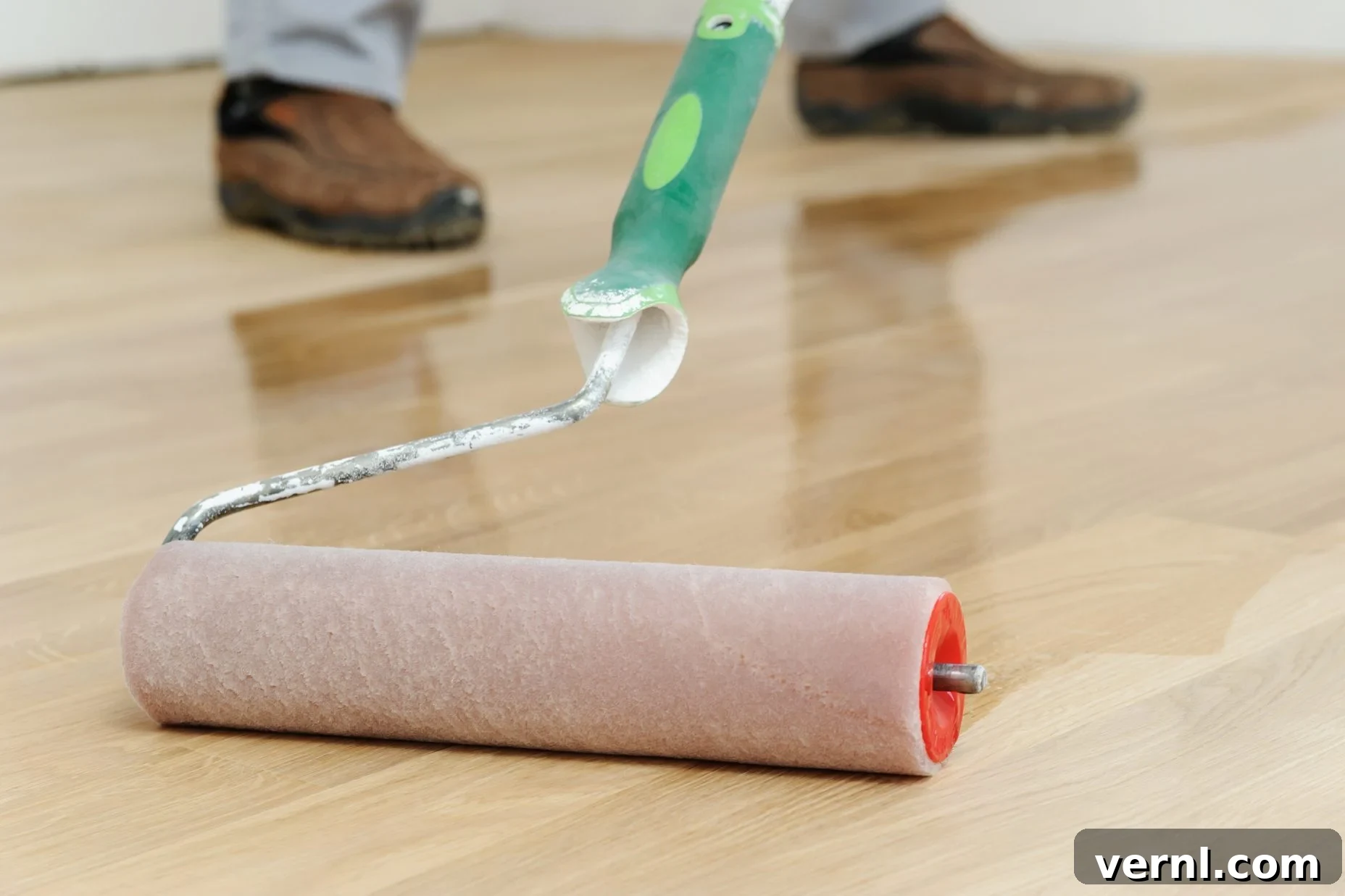
Choosing the Right Wood Finish: Polycrylic vs. Polyurethane Explained
Embarking on a wood restoration project can be incredibly rewarding, transforming forgotten pieces into cherished heirlooms. Yet, even seasoned DIY enthusiasts often face a critical decision that can define the success of their work: selecting the ideal protective finish. Our journey recently involved restoring a severely neglected Victorian-era loveseat and a matching rocking chair. This intricate project, which even required partly rebuilding the unique winged cougar carvings on the arms (likely casualties of a playful, bored pet), led us to a common crossroads: Polycrylic or Polyurethane wood finish?
The uniqueness and historical value of these pieces meant we couldn’t afford to compromise on the finish. It was crucial to delve deep into the characteristics of each product to ensure the longevity and beauty of our hard work. “The most common misconception about these products is that they are interchangeable,” warns Brandon Walker, Superintendent at ASAP Restoration. He elaborates, “Choosing between polyacrylic and polyurethane for a project depends on various factors, such as the type of surface, the desired finish characteristics and color, the ultimate application method, environmental considerations, and even personal preferences.”
Ultimately, for our cherished loveseat and rocking chair, we opted for Polycrylic due to its clear, non-yellowing finish that perfectly complemented the cooler tones of our chosen stain. However, the best choice for your project might differ. This comprehensive guide will equip you with the knowledge to make an informed decision, ensuring your next wood finishing endeavor is a resounding success.
Understanding Polycrylic: The Clear Choice for Specific Projects
Polycrylic is a popular water-based finish celebrated for its ease of use and environmental benefits. Composed primarily of acrylic resins, it offers a durable protective layer for a variety of surfaces, including wood, metal, and concrete. Available in both liquid and aerosol forms, Polycrylic is generally considered less toxic than its oil-based counterparts, making it a favorite among DIYers working in less-ventilated spaces.
“Polycrylic finishes provide a durable and protective layer that helps to enhance the appearance of the underlying material by adding depth, richness, and a glossy or satin sheen,” explains Walker. Its clear, non-yellowing formula is a significant advantage, especially when working with lighter wood species or when preserving the exact color of a stain. “They are often used as an alternative to traditional oil-based varnishes or lacquers because they dry faster, have lower odor, and are easier to clean up with water,” he adds.
Key Characteristics and Applications of Polycrylic
One of Polycrylic’s most appealing features is its crystal-clear drying, which ensures that the natural beauty of the wood or the chosen stain color remains unaltered. This makes it an excellent choice for light-colored woods like maple, birch, or ash, and for projects where preserving a specific cool-toned stain is crucial. Common applications include indoor furniture like bookshelves, dressers, coffee tables, and decorative items that experience moderate wear and tear. While durable, it’s generally recommended for surfaces not subjected to heavy abuse, harsh chemicals, or extreme moisture exposure.
Application Guidelines: How Many Coats of Polycrylic?
For optimal protection and durability, two to three coats of Polycrylic are typically recommended. The exact number can depend on the expected wear and tear the surface will receive. “More coats means more protection against the effects of the elements,” advises Walker. Each coat should be applied thinly and evenly, allowing adequate drying time between applications, usually around 2-4 hours. Light sanding with fine-grit sandpaper (220-320 grit) between coats helps create a smoother, more uniform finish and promotes better adhesion.
Cost of Polycrylic: An Affordable Option
Polycrylic is generally an affordable finishing option, with prices ranging between $10 and $30 per quart, depending on the brand and quantity. For instance, Minwax’s Polycrylic protective finish typically costs around $24.48 per quart at major retailers like Lowe’s. “Larger quantities can bring down the price, but special formulations can increase it,” notes Walker. He also points out, “There is also a wide range of prices in store vs. online and on sale vs. off the shelf,” suggesting smart shopping can yield savings.
Polycrylic Pros and Cons
Pros
- Low Odor: Significantly less pungent than oil-based finishes, making it more pleasant to work with indoors.
- Low Volatile Organic Compounds (VOCs): A more environmentally friendly choice with fewer harmful fumes.
- Easy Water and Soap Cleanup: Brushes and spills can be cleaned easily with just water and soap.
- Clear Finish Amplifies Natural Look: Dries crystal clear, preserving the original wood color or stain without adding an amber tint.
- No Ambering Over Time: Maintains its clear appearance indefinitely, ideal for light woods and cool-toned stains.
- Best for Cooler Color Stains: Prevents yellowing that can alter the desired shade of blues, greens, or grays.
- Fast Drying for Quick Project Turnaround: Allows for multiple coats in a single day, accelerating project completion.
- Non-Flammable: Safer to store and use compared to highly flammable oil-based products.
Cons
- No Warm, Amber Look: Lacks the traditional amber glow that some prefer for rich, warm wood tones.
- Less Protection from Scratches, Moisture, and Chemicals than Polyurethane: While durable, it offers slightly less robust protection, especially against heavy wear, prolonged moisture, or strong chemicals.
- Can Show Brush Strokes: Due to faster drying, brush strokes can be more prominent if not applied carefully.
- Sensitive to Humidity: High humidity can affect drying time and adhesion.
Exploring Polyurethane: The Powerhouse of Wood Protection
Polyurethane is a highly durable protective finish for wood, renowned for its exceptional resilience and longevity. Made from synthetic resins, it forms a robust, plastic-like layer that effectively guards against moisture, abrasions, and chemicals. Polyurethane is available in two main formulations: oil-based and water-based, each with distinct characteristics and ideal applications. “It offers excellent durability and protection for whatever it is being applied to, and it will last for years to decades in the right conditions,” states Walker.
The choice between oil-based and water-based polyurethane significantly impacts the final look, application process, and environmental footprint. Oil-based polyurethane is traditionally known for its deep, rich amber hue and extreme hardness, while water-based versions offer a clearer finish with lower VOCs and faster drying times, bridging the gap somewhat between oil-based poly and polycrylic.
Key Characteristics and Applications of Polyurethane
Oil-Based Polyurethane: This classic formulation is celebrated for its incredible durability and the warm, amber glow it imparts to wood, deepening its natural richness. It’s the go-to choice for high-traffic areas like hardwood floors, kitchen countertops, and heavy-use furniture such as dining tables. Its superior resistance to scratches, heat, and chemicals makes it ideal for surfaces that endure constant wear. However, oil-based polyurethane takes longer to dry, has a strong odor, and contains higher VOCs, necessitating excellent ventilation during application.
Water-Based Polyurethane: Developed as a more user-friendly and environmentally conscious alternative, water-based polyurethane offers a clearer finish with less ambering. It dries significantly faster and has lower VOCs and a milder odor, making it suitable for indoor projects where quick turnaround and minimal fumes are desired. While highly durable, it generally doesn’t match the extreme hardness and long-term chemical resistance of its oil-based counterpart. It’s excellent for cabinets, furniture, and trim where a clear, durable finish is needed without the ambering effect, offering a middle ground in terms of durability and aesthetics.
Application Guidelines: How Many Coats of Polyurethane?
Typically, two to three coats of polyurethane are sufficient for comprehensive protection. For oil-based polyurethane, fewer coats (often two) might achieve the desired level of protection due to its thicker consistency and harder film build. Water-based polyurethane, being thinner, might benefit from three or even four coats for maximum durability, especially on high-wear surfaces. As with Polycrylic, light sanding between coats with fine-grit sandpaper (220-320 grit) is crucial for adhesion and a smooth finish.
Cost of Polyurethane: Varies by Type and Brand
The cost of polyurethane also varies by brand, type (oil-based vs. water-based), and quantity. Minwax’s oil-based polyurethane stain, for example, runs approximately $16.48 per quart at Lowe’s, often making it slightly less expensive initially than Polycrylic or water-based polyurethane. “Water-based polyurethane is typically more expensive than oil-based,” explains Walker. He further elaborates on the long-term cost, “It will also likely require more coats, which will not last as long and require additional applications. So water-based is not only more expensive in the short term, but the long term as well,” when considering factors like reapplication frequency.
Polyurethane Pros and Cons
Pros
- Exceptional Durability: Offers superior resistance to moisture, chemicals, heat, and abrasion, making it ideal for high-traffic areas.
- Long-Lasting Protection: Provides years to decades of protection, especially oil-based formulations.
- Easy to Apply: Can be applied with brushes, foam applicators, or sprayers, though technique varies by type.
- Best for Warm Color Stains: Oil-based versions enhance and deepen the natural warmth of wood and warm-toned stains.
- Versatile: Suitable for a wide range of indoor and outdoor projects (oil-based for outdoor).
- Water-Resistant: Forms a highly effective barrier against water penetration.
Cons
- Ambers Over Time (Oil-Based): Oil-based polyurethane develops a yellowish or amber tint, which can alter the appearance of lighter woods or cool-toned stains.
- Not Suitable for Cooler Color Stains (Oil-Based): The ambering effect can clash with or significantly change cool grays, blues, or whites.
- Higher in VOCs (Especially Oil-Based): Contributes more to air pollution and requires excellent ventilation.
- Harder to Clean Up (Especially Oil-Based): Requires mineral spirits or paint thinner for cleanup, not just water.
- Harder on the Environment (Especially Oil-Based): Due to higher VOCs and more demanding cleanup.
- Highly Flammable (Especially Oil-Based): Requires careful handling, storage, and disposal of rags.
- Strong Odor (Especially Oil-Based): Can be overpowering and linger for extended periods.
- Slower Drying Time (Especially Oil-Based): Can prolong project completion, requiring longer waits between coats.
Polycrylic vs. Polyurethane: Which is Right for Your Project?
The ultimate decision between Polycrylic and Polyurethane hinges on a detailed evaluation of your project’s specific needs, desired aesthetic, and practical considerations. There’s no universal “best” product; rather, it’s about matching the finish to the application.
As Jay Sanders, owner of Castle Dream Construction, succinctly puts it, “Polyurethane is best for projects that need long-lasting durability, while Polycrylic is easier to work with and safer, especially if your workspace is poorly ventilated.” He further emphasizes, “Polyurethane is very toxic. It has twice the VOC content of Polycrylic,” underscoring the importance of safety and ventilation, particularly for oil-based polyurethane.
Brandon Walker suggests that for most everyday projects, Polycrylic is a sound choice. “Lots of the time, choosing between these two options will also come down to which one you prefer working with, as the results are very similar, and most people will have trouble telling the difference between them once everything is dry,” he notes. This highlights that for many DIYers, the ease of application, quick drying, and low odor of Polycrylic can outweigh the slightly superior durability of polyurethane, especially for items that don’t face extreme wear.
Regardless of your choice, Walker advises a critical step: “Whichever you choose, sand between coats to create a smoother surface on the finished project.” This simple practice ensures optimal adhesion and a professional-looking result.
Detailed Comparison: Key Factors
Polycrylic vs. Polyurethane: Durability and Protection
For sheer hardness and resistance against scratches, impacts, heat, and harsh chemicals, oil-based polyurethane generally takes the lead. It creates a robust, plastic-like shell ideal for high-traffic floors, kitchen tables, or surfaces prone to spills and heavy use. Water-based polyurethane offers excellent durability, often superior to Polycrylic, but may not quite match the extreme toughness of its oil-based cousin. Polycrylic, while durable for everyday use, offers less protection against deep scratches, prolonged moisture, and strong cleaning agents. It’s perfect for decorative pieces or furniture with moderate use, where extreme resilience isn’t the primary concern.
Polycrylic vs. Polyurethane: Appearance and Aesthetics
This is where personal preference and the desired final look play a significant role. Polycrylic dries crystal clear, making it the preferred choice for preserving the natural tone of light woods or showcasing cool-toned stains (grays, blues, whites) without any yellowing. Oil-based polyurethane, conversely, imparts a warm, amber hue that deepens over time, enriching the appearance of darker woods like oak or cherry, and warm-toned stains (reds, browns). Water-based polyurethane offers a clearer finish than oil-based but might have a very slight amber cast compared to the perfectly clear Polycrylic.
Polycrylic vs. Polyurethane: Application and Cleanup
Polycrylic stands out for its user-friendliness. Its water-based nature means easy cleanup with just soap and water, and its fast-drying formula allows for multiple coats in a single day. However, its quick drying can also lead to visible brush strokes if not applied swiftly and evenly. Oil-based polyurethane has a longer open time, which can make it easier to achieve a smooth, streak-free finish, but it requires mineral spirits for cleanup and takes much longer to dry. Water-based polyurethane offers a balance, drying faster than oil-based and cleaning up with water, but it can be prone to foaming if over-brushed.
Polycrylic vs. Polyurethane: Health and Environmental Impact
Polycrylic, with its low VOC content and minimal odor, is the most environmentally friendly and user-safe option, especially for indoor projects without robust ventilation. Water-based polyurethane also has significantly lower VOCs and odor compared to oil-based versions. Oil-based polyurethane, however, contains high VOCs, emits strong fumes, and is highly flammable, requiring strict ventilation, respiratory protection, and careful disposal of rags. These factors are crucial for anyone with sensitivities or working in confined spaces.
Answering Common Finishing Questions
Polycrylic vs. Polyurethane: Which is more food-safe?
According to Sharad Gaurav, Senior Product Manager for Minwax Clear products, neither Polycrylic nor Polyurethane is explicitly rated as food safe in their liquid forms. However, once both products have fully cured (which can take several weeks), they are commonly considered non-toxic and inert. This means they are safe for incidental food contact, such as on a dining table or cutting board, but not for direct food preparation surfaces where knives might cut through the finish.
Polycrylic vs. Polyurethane: Which is more waterproof?
While neither finish is rated as completely waterproof in the long term, both offer excellent moisture resistance. “Both are waterproof in the short-term, but over longer timelines, Polycrylic and water-based polyurethane will degrade faster than an oil-based polyurethane formulation,” explains Walker. For surfaces constantly exposed to moisture, like outdoor furniture or bathroom vanities, oil-based polyurethane provides superior, longer-lasting protection.
Polycrylic vs. Polyurethane: Which costs less?
The initial cost per quart for both products is quite similar, generally ranging from $10 to $30. Therefore, the decision of which to choose should not primarily come down to price, but rather which is a better fit for the specific project’s requirements, durability needs, and aesthetic goals. Considering long-term value, oil-based polyurethane might be more cost-effective for high-wear items due to its superior longevity and less frequent need for reapplication.
Polycrylic vs. Polyurethane: Which lasts longer?
Generally, oil-based polyurethane lasts the longest due to its exceptional hardness and resistance to wear and tear. Its longevity is significantly influenced by factors such as exposure to moisture, chemicals, abrasions, UV light, and other environmental stressors. Water-based polyurethane and Polycrylic, while durable, may require reapplication sooner, especially on surfaces subjected to heavy use or environmental elements.
FAQs: Practical Advice for Your Finishing Project
Can you paint over Polycrylic and/or Polyurethane?
Brandon Walker has experienced success painting over both finishes, provided the surface is thoroughly cleaned and lightly sanded beforehand to create a profile for the new paint to adhere to. However, Sharad Gaurav advises against it, as both are primarily designed as topcoats. “The top coat can be applied over paint, but the user needs to test before application as polyurethane is an oil-based product that will amber over time,” Gaurav cautions. This implies that painting over an existing poly finish might not yield optimal results or durability, and careful testing on an inconspicuous area is paramount.
Can you put Polyurethane over Polycrylic (and vice versa)?
Neither Walker nor Gaurav recommends layering these two different types of finishes over each other. “There may be issues with adhesion, chemical mixing, chemical degradation, and long-term durability of both products,” states Gaurav. The chemical compositions are different, which can lead to poor adhesion, peeling, clouding, or other undesirable reactions, compromising the integrity and appearance of your finish.
Can you spray Polycrylic and/or Polyurethane?
Yes, both Polycrylic and Polyurethane can be sprayed, though Gaurav recommends against it for DIYers. “Pros may be able to thin the product [in order to spray it, but] DIYers should be more careful.” Proper thinning ratios are crucial for successful spraying, and incorrect thinning can lead to poor adhesion, drips, or an uneven finish. For most DIY applications, opting for the readily available aerosol versions of either product is a safer and more convenient alternative, offering a smoother, brush-stroke-free finish without the need for specialized spray equipment or thinning knowledge.
Are there safety concerns with Polycrylic and Polyurethane?
Absolutely. Safety should always be a top priority when working with wood finishes. Regardless of whether you use Polycrylic or Polyurethane, ensure your work area is exceptionally well-ventilated to prevent the inhalation of VOCs and other fumes. Wearing protective clothing, including gloves and long sleeves, is recommended to avoid skin contact. A respirator mask is highly advisable, especially when working with polyurethane, which has higher VOCs and a stronger odor. Additionally, both products should be kept away from ignition sources, stored in cool, dry areas, and always out of reach of children. Oil-based polyurethane rags can spontaneously combust, so always dispose of them properly by soaking them in water and laying them flat to dry before discarding.
About Our Expert Contributors
- Brandon Walker is the Superintendent at ASAP Restoration in Tempe, Arizona. With over 20 years of experience as a professional painter, his colleagues affectionately refer to him as a “paint nerd” for his extensive knowledge and passion for finishes.
- Sharad Gaurav serves as the Senior Product Manager for Minwax Clear products, bringing a decade of expertise in wood finishes to his role.
- Jay Sanders is a licensed contractor and the proud owner of two Baltimore-based businesses: Maryland Contractors, specializing in home remodeling, and Castle Dream Construction, focused on deck building.