
How to Prepare Your Home for a New Dog: A Comprehensive Guide
Welcoming a dog into your home is an incredibly rewarding experience. Whether you’re opening your doors to a playful puppy or a sweet, sensitive rescue dog like my Annie, preparation is key. Setting up your home thoughtfully minimizes stress for your new companion, ensures a smoother transition, and protects your belongings. This guide provides essential tips to help you create a safe, comfortable, and happy environment for your new furry friend.
The initial days and weeks with a new dog are crucial. Think of it as setting the stage for a positive, lasting relationship. Proper preparation helps avoid potential issues like potty training accidents, anxiety-induced chewing, and other challenges. Let’s explore how to make your home dog-ready!
Adopting vs. Buying a Dog: What’s the Difference?
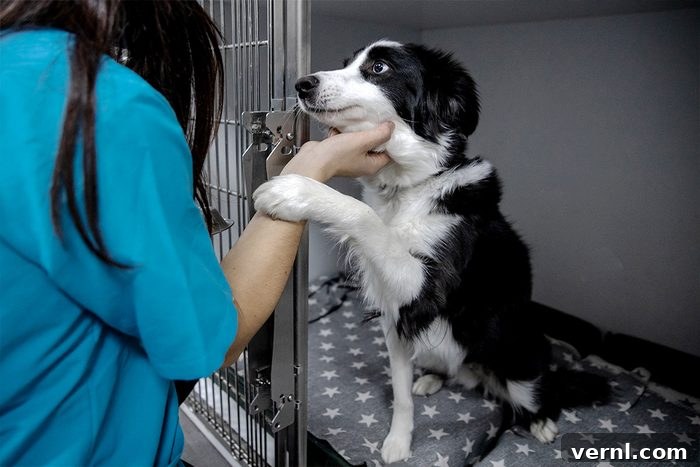
Deciding between adopting a dog from a shelter or rescue organization versus buying a puppy from a breeder is a significant choice. Both options offer unique advantages and require considerable commitment.
Buying a puppy from a reputable breeder can provide a “blank slate,” allowing you to shape their behavior and training from the start. However, puppies come with specific needs. Multi-certified dog trainer, Blythe Neer, points out that puppies often require more frequent bathroom breaks, increased house-proofing due to teething and chewing, and constant supervision.
Adopting a rescue dog can be an incredibly fulfilling experience. While rescue dogs may come with a past, potentially requiring more patience and behavioral support, witnessing their transformation and blossoming personality is incredibly rewarding. If you’re a first-time dog owner, adopting a dog already in a foster home offers insights into their personality, energy levels, and any specific needs they might have, allowing you to tailor your home adjustments accordingly.
Essential Tips to Dog-Proof Your Home
The key to a successful adoption is creating a safe and comfortable environment. These tips will help you prepare your home for your new canine companion.
Create a Safe Sanctuary Space
One of the most important steps is establishing a designated “decompression” area or sanctuary for your new dog. This quiet, low-traffic zone serves as a secure retreat where your dog can relax, observe their new surroundings, and decompress without feeling pressured to interact. This is especially important for rescue dogs who may be experiencing anxiety or fear.
Board-Certified Veterinary Behaviorist Kristin Kuntz recommends equipping this space with essentials: a comfortable dog bed, food and water bowls, puppy pads (if needed), and engaging toys. Consider adding a white noise machine to muffle external sounds that could be frightening or trigger barking. If the area has windows, applying window frosting can limit the dog’s exposure to passersby, reducing potential anxiety.
Choose a location that you won’t need to repurpose quickly. Remember the 3-3-3 rule: the first three days for decompression, the first three weeks for settling into your routine, and after three months, they will start feeling truly comfortable and showing their full personality. Allow your dog the time they need to adjust to their new environment.
The sanctuary space doesn’t necessarily need a crate, but if your dog is already comfortable with one, it can be a valuable addition. If your dog shows signs of distress when confined, consult with a positive reinforcement trainer or your veterinarian for guidance on gradually introducing them to the crate.
Pet-Proof Your Home Thoroughly
As your dog explores their new environment, their natural curiosity and instinct to chew may emerge. Pet-proofing your home minimizes the risk of damage to your belongings and keeps your dog safe.
Certified dog trainer and behaviorist Erin Askeland advises securing items like shoes, children’s toys, clothing, food items, and trash cans out of reach. Equally important is safeguarding electrical cables, medications, and any houseplants toxic to pets. Take precautions to prevent access to potentially dangerous items.
Choose pet-safe cleaning products over harsh chemicals. Also, consider using baby gates to block off areas you prefer your dog not to enter, preventing the formation of unwanted habits.
Secure Your Yard
A safe and secure yard is essential for your dog’s well-being. Before your dog’s arrival, inspect and repair any weaknesses in your fencing. Ensure gates have sturdy locks.
Consider whether your landscaping is dog-friendly. Are any plants poisonous? Is there a secure perimeter around your pool, fire pit, or compost pile? If your dog enjoys digging, creating a designated sandpit can save your manicured lawn and flower beds. Providing safe and appropriate outlets for natural behaviors helps reduce destructive habits.
Regardless of whether your yard is fenced, active supervision is crucial. This allows you to prevent or redirect undesirable behaviors, such as excessive barking, digging, or ingesting inappropriate items.
Invest in Enrichment Items
Dogs need mental stimulation and outlets for their natural behaviors. Providing a variety of enrichment items will keep your dog entertained and minimize the risk of destructive behaviors. Lick mats, snuffle mats, and durable dog toys offer engaging activities. Veterinary-approved dental chews are also excellent options.
Blythe Neer suggests offering a head of lettuce for shredding as a low-cost, healthy, and engaging activity. Askeland emphasizes that these enrichment activities help dogs relieve stress and provide calm, positive outlets.
Protect Your Floors and Furnishings
Prepare for the inevitable: pet hair, scratching claws, and potential accidents. Invest in products to protect your home. A vacuum cleaner designed for pet hair, equipped with a HEPA filter, is a must-have. Enzyme-based stain and odor removers are essential for tackling accidents. Consider runners or rugs to protect hardwood floors from scratches.
Frequently Asked Questions About Dog Adoption
Is Adopting a Dog Free?
Adoption fees vary by organization, typically ranging from $50 to $500. However, these fees are significantly less than the cost of purchasing a puppy from a reputable breeder. More importantly, your adoption fee supports a worthy cause, contributing to the care and well-being of animals in need.
How Old Do You Need to Be to Adopt a Dog?
Most adoption organizations require adopters to be at least 18 years old. Additionally, rescue organizations typically assess a potential adopter’s lifestyle, experience, home setup, family dynamics, and available time when reviewing applications. This helps ensure the best possible match for both the dog and the adopter.
About the Experts
This guide is based on expert advice from:
- Erin Askeland, Camp Bow Wow’s Animal Health & Behavior Expert. Holds an MSc in Clinical Animal Behavior, Certified Professional Dog Trainer (CPDT-KA), Certified Behavior Consultant Canine (CBCC-KA), and is a Fear-Free Certified Professional.
- Kristin Kuntz, a Board-Certified Veterinary Behaviorist and associate veterinarian at Insight Animal Behavior Services.
- Blythe Neer, CPDT-KA, ADT, CCUI, the founder and head trainer at Delta Tails. She holds multiple certifications from the International Association of Animal Behavior Consultants, Fear Free Pets, Association of Professional Dog Trainers, and Leslie McDevitt.
Related Resources
- How To Get Rid of Pet Hair in Your Home
- 5 Tips for Getting Dog Smell Out of Your House
- How To Clean a Dog Bed