
The Ultimate Guide to Disposing and Recycling Light Bulbs Safely
The way we light our homes and businesses has undergone a significant transformation over the past two decades. With the passing of the Energy Independence and Security Act in 2007, the United States embarked on a journey to phase out traditional incandescent light bulbs. This legislative change paved the way for more energy-efficient alternatives, primarily LED (light-emitting diode) and CFL (compact fluorescent lamp) bulbs, to become the new standard.
While the shift away from energy-intensive incandescents offers substantial benefits in terms of energy savings and longevity, it also introduces new complexities. Modern light bulbs, unlike their simple predecessors, incorporate more intricate technologies. This advanced engineering, whether it involves hazardous elements like mercury or valuable recyclable circuitry, raises critical questions about how to responsibly dispose of these bulbs once they reach the end of their lifespan.
Understanding the proper disposal methods for different types of light bulbs is not just a matter of convenience; it’s a crucial step towards environmental stewardship and public safety. This comprehensive guide will delve into the most common types of light bulbs found in American homes today, offering clear options for both their safe disposal and environmentally conscious recycling. We’ll explore municipal regulations, expert advice, and practical tips to ensure you handle your old bulbs correctly, protecting both your household and the planet.
Why Proper Light Bulb Disposal Matters for the Environment
The seemingly simple act of throwing away a light bulb can have far-reaching environmental consequences if not done correctly. Modern lighting technologies, while energy-efficient, often contain materials that are harmful if released into the environment, or conversely, valuable resources that can be recovered and reused. Improper disposal, especially in landfills, can lead to:
- Mercury Contamination: CFLs and fluorescent tubes contain small but significant amounts of mercury. When these bulbs break in landfills, mercury can leach into soil and groundwater, or become airborne. Mercury is a potent neurotoxin that can harm human health and wildlife.
- Heavy Metal Leaching: Many electronic components, including those found in LEDs, contain trace amounts of heavy metals like lead, cadmium, and arsenic. If not properly contained, these can contaminate the environment.
- Resource Depletion: LEDs, in particular, contain valuable materials such as rare earth elements, copper, and gold. Landfilling these bulbs means permanently losing these resources, increasing the demand for new mining and production, which carries its own environmental footprint.
- Greenhouse Gas Emissions: While indirect, the energy required to mine new materials and manufacture replacements for valuable resources lost to landfills contributes to greenhouse gas emissions. Recycling reduces this need.
- Violation of Local Regulations: Many municipalities have specific rules regarding e-waste and hazardous waste. Failing to adhere to these can result in fines and contributes to broader environmental problems.
As Adam Atkins, Director of Cheapa Waste Skips, an expert in waste management, emphasizes, “The regulations that really matter are on a local level. Always check with your local city or town council about their recycling programs.” He adds a vital caution: “If the bulbs are broken, there might be different rules concerning their collection or disposal. So be sure to confirm whether they can still be accepted for recycling.” This highlights the importance of understanding not just what type of bulb you have, but also its condition and the specific guidelines in your area.
Incandescent Bulbs: Simple Disposal, Higher Energy Cost
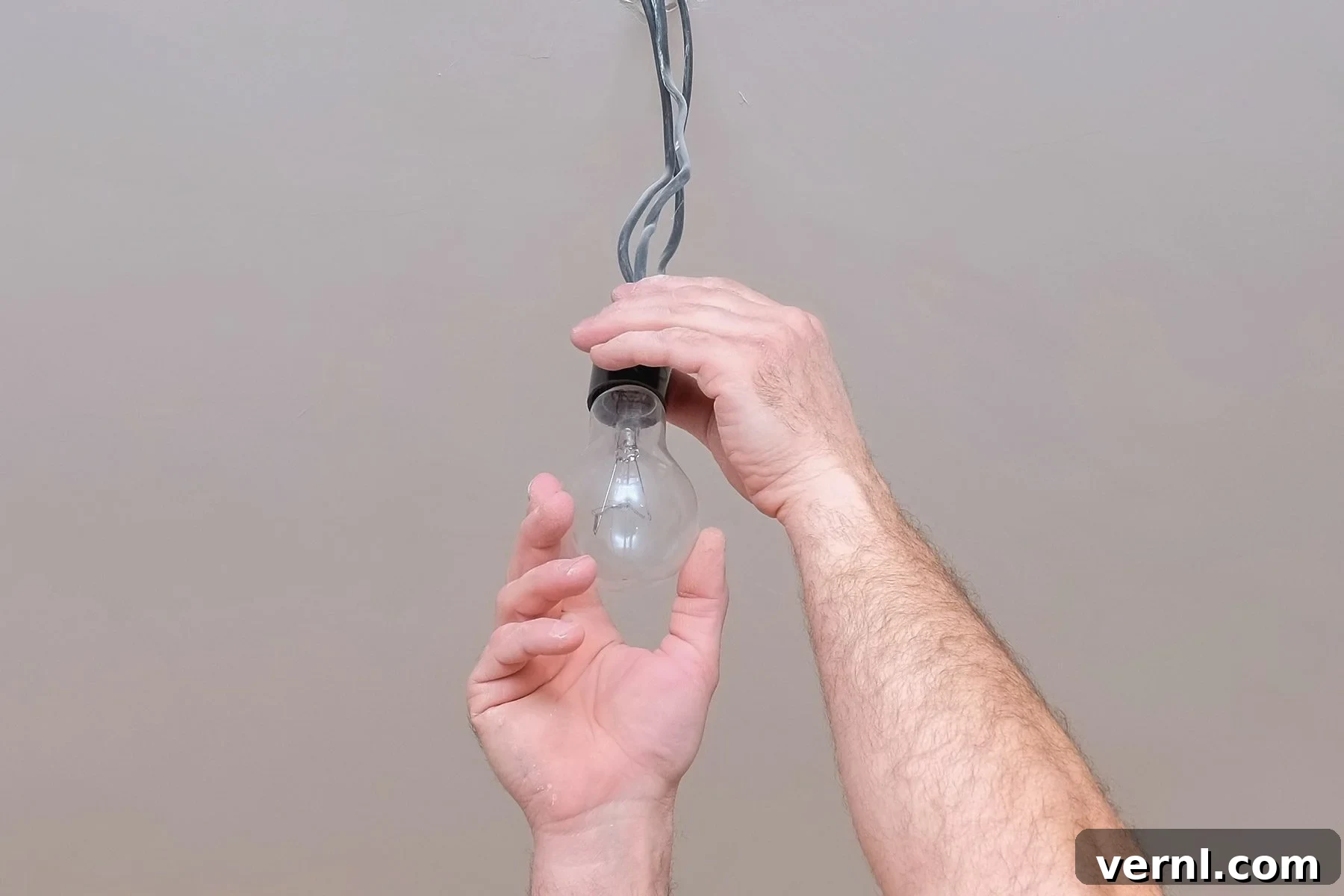
For decades, incandescent bulbs were the ubiquitous source of light in homes across America. Characterized by their simple design, these bulbs consist of a glass enclosure surrounding a filament—a thin piece of wire, typically tungsten, that glows brightly when heated by an electrical current. Today, if you still have incandescent bulbs that have burned out, you can generally continue to toss them in your regular household trash without concern.
The reason for this straightforward disposal lies in their composition. Incandescent bulbs contain no hazardous chemicals like mercury or complex electronic components that pose a significant environmental risk when disposed of in standard waste. They are essentially glass and metal. While theoretically, the glass and metal components could be recycled, the practical challenges of separating these materials in a cost-effective manner mean that most conventional recycling centers do not accept them. Attempting to recycle them through curbside programs can often contaminate an entire batch of recyclables, making them unsuitable for processing.
Therefore, while incandescents are phased out due to their energy inefficiency—converting a significant portion of energy into heat rather than light—their disposal remains the least complicated. However, the environmental benefit of their simple disposal is far outweighed by their higher energy consumption compared to modern alternatives. The move away from these bulbs underscores a broader commitment to energy conservation, even if their end-of-life management is straightforward.
LED Bulbs: The Modern Standard and Why Recycling is Key
Light-emitting diode (LED) bulbs have rapidly become the dominant and preferred lighting solution for most homeowners, effectively replacing traditional incandescent lights. Their widespread adoption is due to a compelling combination of benefits: significantly longer lifespan, remarkable energy efficiency leading to lower operating costs, and increasingly affordable prices. These factors make LEDs a smart choice for both your wallet and the environment during their operational life.
When it comes to disposal, the rules for LED bulbs can vary. In many areas of the country, you might find that you can simply dispose of an LED bulb in your regular household trash. This is largely because, unlike CFLs, LEDs do not contain mercury or other highly toxic substances that pose an immediate environmental threat when landfilled. However, this convenience doesn’t tell the whole story, and the growing consensus among environmental experts and waste management professionals is that LEDs should be recycled whenever possible, even if it’s not mandated by local regulations.
The impetus for recycling LEDs stems from their sophisticated internal structure. An LED bulb is far more complex than a simple incandescent filament. It incorporates circuit boards, various chips, diodes, and sometimes even small amounts of valuable materials such as rare earth elements, copper, and gold. All of these components can and should be recycled. Recycling LEDs allows for the recovery of these valuable resources, reducing the need for virgin material extraction and minimizing electronic waste (e-waste) in landfills.
Unfortunately, most standard curbside recycling programs are not yet equipped to process the intricate components of LED bulbs. They typically focus on common materials like paper, plastic, glass, and metal, which require different sorting and processing technologies. This means that simply placing your old LED bulbs in your curbside bin is unlikely to result in proper recycling. Instead, the easiest and most effective option for consumers is to utilize dedicated recycling programs. Many large retailers, such as The Home Depot, Lowe’s, and Batteries Plus, as well as various independent hardware stores, offer convenient drop-off points for LED bulbs. These stores often partner with specialized e-waste recyclers who can properly dismantle and recover materials from these advanced lighting products. It’s a hassle-free way to ensure your old LEDs contribute to a circular economy rather than ending up as landfill waste.
CFL Light Bulbs: The Mercury Challenge and Required Recycling
Compact fluorescent lamps (CFLs) gained immense popularity roughly a decade ago as the first widely adopted energy-efficient alternative to incandescent bulbs. Recognizable by their distinctive coiled or squiggly glass tubes, CFLs offered significant energy savings and a much longer lifespan than traditional bulbs. While they have largely been superseded in market share by LEDs, CFLs are still widely available in stores, and millions of homes continue to use them today.
Despite their energy-saving benefits, CFLs come with a critical environmental caveat: they contain small amounts of mercury vapor. Mercury is a highly toxic heavy metal that poses serious health and environmental risks. When CFLs are improperly disposed of in household trash and subsequently break in landfills, the mercury can be released into the atmosphere or leach into soil and water systems. This can contaminate ecosystems, accumulate in the food chain, and ultimately impact human health through exposure to mercury vapor or contaminated food sources.
For this reason, CFLs should never be tossed into your regular household trash. This isn’t just a recommendation; in many regions, it’s a legal requirement. If a CFL bulb breaks, the cleanup process demands extra care due to the potential release of mercury vapor, which we will detail in a later section.
The easiest and most responsible way for DIYers and homeowners to dispose of CFLs is through dedicated recycling programs. Similar to LEDs, big box retailers such as Lowe’s and Home Depot frequently offer convenient recycling bins for these bulbs, often located near their entrances or customer service desks. This free service provides a hassle-free solution, ensuring that the mercury is safely captured and the other components of the bulb are processed responsibly. Given that many homeowners frequently visit these stores for various project materials, incorporating CFL drop-off into a routine trip makes proper disposal incredibly simple. Additionally, local hazardous waste collection sites and specialized recycling centers are also excellent options for disposing of CFLs safely.
Fluorescent Tubes: Large Scale Lighting, Large Scale Responsibility
Fluorescent tube lights, commonly found in garages, basements, workshops, and commercial settings, share a very similar chemical composition and disposal requirements with CFLs. The ‘F’ in CFL, after all, stands for fluorescent, indicating their shared operating principle. Like CFLs, fluorescent tubes contain trace amounts of mercury vapor, making proper, careful disposal absolutely essential to prevent environmental contamination.
Due to their mercury content and often larger size, fluorescent tubes cannot be disposed of in standard household trash or regular recycling bins. Instead, they require specialized handling. Many of the same big box stores that accept CFLs may also accept fluorescent tubes for recycling, but it’s crucial to verify their policies beforehand. The acceptance of fluorescent tubes can vary by store location and chain, so a quick call or check on their website can save you a wasted trip. For comprehensive local options, consulting a reliable recycling resource like Earth911.com is highly recommended. This platform allows you to search for recycling centers near you that specifically accept fluorescent lighting.
It’s also important to note a critical distinction in the current lighting market: not all tube lights are fluorescent! Just as CFLs have been largely replaced by LED bulbs, traditional fluorescent tubes are increasingly being superseded by LED strip lights encased in a glass or plastic tube. These LED tubes offer similar energy efficiency and longevity benefits but without the mercury content. Identifying whether you have an old fluorescent tube or a newer LED tube is key for disposal. Generally, LED tubes are clearly labeled and often feature a solid, rather than coiled, internal structure. Just like other LED bulbs, these LED tubes are much easier to dispose of; they can often be placed in household trash (check local rules) or taken to a recycling center that specifically accepts LEDs. Always double-check the packaging or the bulb itself for “LED” labeling to determine the correct disposal method.
Broken Bulbs: Safety Protocols for Hazardous Materials
The moment a light bulb shatters, the immediate concern shifts from disposal to safety and proper cleanup. The approach to a broken bulb depends entirely on its type, specifically whether it contains hazardous materials like mercury.
Broken LED Bulbs: Simple Cleanup
If an LED bulb breaks, the good news is that it does not pose a significant chemical hazard. LED bulbs do not contain mercury. While you should always exercise caution with broken glass, you can simply clean up the pieces using standard household cleaning methods (gloves are recommended) and dispose of the fragments in your regular household trash. Remember, even if broken, the components of an LED bulb are still recyclable, so if you have a local e-waste facility or retail drop-off that accepts broken LEDs, that remains the most environmentally responsible option.
Broken CFL Bulbs or Fluorescent Tubes: Mercury Exposure Risk
A broken CFL bulb or fluorescent tube presents a much more serious situation due to the potential release of mercury vapor. Inhaling mercury vapor can be harmful, so swift and careful action is essential. The Environmental Protection Agency (EPA) recommends taking these specific steps to ensure a safe and thorough cleanup:
- Ventilate the Area: Immediately have people and pets leave the room. Turn off any central air conditioning or heating systems, as well as any ceiling fans, to prevent the circulation of mercury vapor throughout your home. Open windows and doors to the outside for at least 5-10 minutes to ventilate the room.
- Prepare for Cleanup: Gather your cleanup materials: stiff paper or cardboard, sticky tape (like duct tape), a damp paper towel or wet wipes, and a glass jar with a metal lid or a sealable plastic bag. Put on disposable gloves. Do NOT use a vacuum cleaner at this stage, as it can spread mercury vapor and fine glass particles.
- Collect Large Pieces: Carefully use stiff paper or cardboard to scoop up the larger pieces of broken glass and any visible powder. Avoid touching the broken glass with bare hands.
- Pick Up Smaller Fragments: Use sticky tape to pick up smaller glass fragments and powder. Press the tape firmly onto the affected area, then carefully peel it off. Repeat this process until you’re confident all visible pieces are gone.
- Wipe the Area Clean: Wipe the area with a damp paper towel or wet wipes to pick up any remaining tiny shards or dust. Do not use cleaning sprays.
- Containerize All Materials: Place all cleanup materials—the broken bulb pieces, used cardboard, sticky tape, gloves, and wet wipes—into a glass jar with a metal lid or a heavy-duty, sealable plastic bag. Seal it tightly.
- Dispose of Materials: The disposal of these contaminated materials depends on your local regulations for hazardous waste. If your city or state requires fluorescent bulbs to be taken to a local recycling center or hazardous waste facility, you must take the sealed container there. If there is no such specific requirement in your area, you can place the sealed container with your regular household trash. However, checking with your local waste authority is always the safest bet. It’s always best to err on the side of caution and treat mercury-containing waste as hazardous.
After the cleanup, continue to ventilate the room for several hours, and if possible, avoid walking through the area where the bulb broke for a day or two. Wash your hands thoroughly after handling. The key takeaway is to act quickly and carefully to minimize exposure to mercury vapor, ensuring the safety of your home environment.
Finding Local Recycling Solutions: Your Community’s Role
Navigating the various rules for light bulb disposal can seem daunting, but thankfully, many resources are available to help you find the correct channels in your community. The responsibility often falls to local municipalities, which set specific guidelines based on state and federal environmental regulations, as well as their own waste management capabilities.
As waste management expert Adam Atkins advised, your first point of contact should always be your local city or town council’s waste management department. Their websites typically provide detailed information on recycling programs, hazardous waste drop-off events, and specific collection points for different materials, including light bulbs. They can clarify whether LEDs can go in the trash, where to drop off CFLs, or if special arrangements are needed for fluorescent tubes.
Beyond municipal resources, several online platforms offer invaluable assistance in locating recycling facilities:
- Earth911.com: This comprehensive database is an excellent starting point. Earth911 allows you to search for recycling centers by material type (e.g., “LED light bulbs,” “CFLs,” “fluorescent tubes”) and your zip code. It provides details on thousands of recycling and hazardous waste sites across the United States, offering information on accepted materials, hours of operation, and contact details. This is particularly useful for finding specialized facilities that handle mercury-containing bulbs.
- Retailer Programs: As mentioned, major retailers like The Home Depot, Lowe’s, and Batteries Plus often have in-store recycling programs for certain types of light bulbs. Check their store locators or call ahead to confirm their current policies and drop-off procedures.
- Local Household Hazardous Waste (HHW) Events: Many communities organize special collection events throughout the year for household hazardous waste. These events are specifically designed to collect items like mercury-containing light bulbs, paints, chemicals, and electronics that cannot go into regular trash or recycling bins. Keep an eye on your municipal calendar or waste management website for schedules.
- E-Waste Collection Drives: Some areas have regular or periodic e-waste collection events where electronic items, including LEDs with their complex circuitry, can be dropped off for proper recycling.
By proactively checking with your local authorities and utilizing these readily available resources, you can ensure that your old light bulbs are disposed of or recycled in the most environmentally responsible manner. Proper disposal not only protects our planet but also contributes to the recovery of valuable materials and prevents harmful substances from entering our ecosystems.
About the Expert
Adam Atkins is Director and Co-Owner of Cheapa Waste Skips, a leading waste management business. His company provides fast, reliable, and affordable skip bin hire services for homeowners and comprehensive garbage collection solutions for businesses, demonstrating a commitment to efficient and responsible waste handling.
Sources Used
- Code of Federal Regulations, Title 40, section 273.4 Applicability—Mercury-containing equipment, National Archives and Records Administration
- Recycle Compact Fluorescent Light Bulbs (CFLs), EnergyStar.gov
- How the Energy Independence and Security Act of 2007 Affects Light Bulbs, EPA.gov
- Cleaning Up a Broken CFL, EPA.gov
- How to Recycle LED Light Bulbs, Earth911.com