
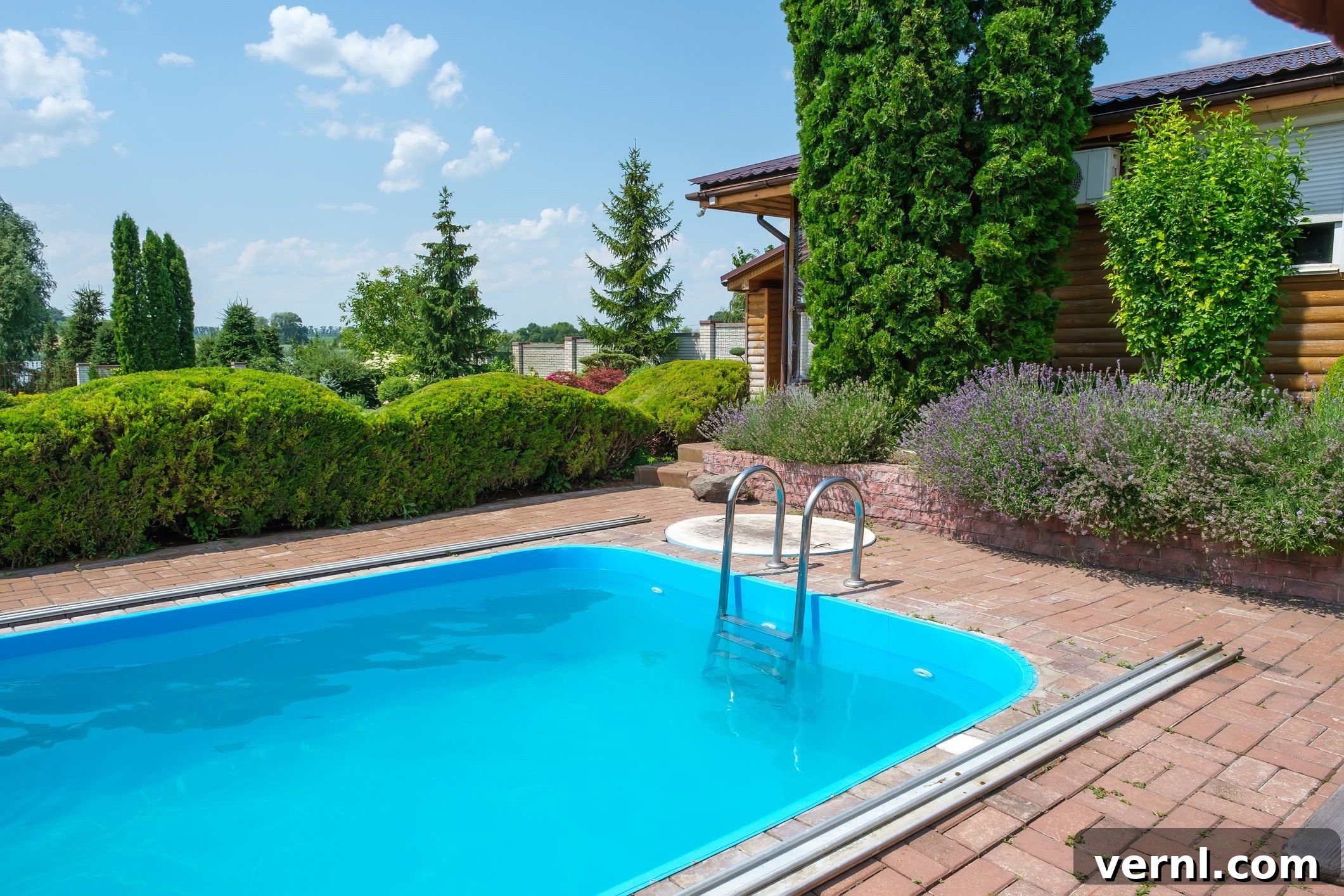
For many pool owners, the thought of closing the pool for winter brings a bittersweet feeling. It marks the end of those cherished, sun-drenched days spent lounging by the water, the laughter of family, and the refreshing escape from summer’s heat. While the chill in the air might signal a seasonal shift, it also highlights a critical step in pool care that often gets overlooked in its importance: shocking the pool. This isn’t just a minor task; it’s a fundamental part of maintaining a healthy swimming environment, especially vital as you prepare your pool for its long winter slumber.
Shocking a pool is a routine part of comprehensive pool care, designed to keep your water pristine throughout the swimming season. However, its role becomes even more paramount in pool winterization. Neglecting this crucial step before covering your pool for the off-season can lead to a host of unpleasant surprises when spring arrives, including stubborn algae blooms and costly repairs. Understanding the science behind shocking, when to apply it, and the correct methods are key to protecting your investment and ensuring crystal-clear water year after year.
This detailed guide will walk you through everything you need to know about shocking your swimming pool. We’ll explore the compelling reasons behind this essential treatment, pinpoint the optimal times for application, and provide clear, step-by-step instructions on how to do it safely and effectively. Additionally, we’ll delve into the various types of pool shock available, helping you choose the best option for your specific needs. By the end, you’ll be well-equipped to keep your pool in top condition, whether it’s for daily enjoyment or preparing it for winter.
Why Is Shocking Your Pool Absolutely Essential?
At its core, shocking a pool involves introducing a significantly large, concentrated dose of chlorine or a non-chlorine oxidizer to the water. This powerful “shock” treatment rapidly raises the sanitizer levels, specifically targeting and neutralizing contaminants that regular chlorine levels might struggle to eliminate. The primary goal is to achieve what’s known as “breakpoint chlorination,” a state where enough chlorine is present to destroy all combined chlorine molecules (chloramines) and other organic pollutants.
The magic of pool shock lies in its ability to dramatically increase the concentration of “free chlorine” molecules. These active chlorine molecules are the pool’s frontline defense, tirelessly seeking out and eliminating a wide array of problematic elements that can compromise water quality and clarity. These contaminants include:
- Bacteria and Pathogens: Swimming pools, despite their chemical treatments, can become breeding grounds for various bacteria and microorganisms introduced by swimmers, wildlife, and the environment. Shocking ensures these harmful pathogens are eradicated, protecting swimmers from waterborne illnesses.
- Algae: From microscopic spores to visible green, black, or yellow growths, algae can quickly take over a pool, turning the water murky and unsafe. Shocking delivers a potent blow to algae, killing existing blooms and preventing future outbreaks. It’s especially effective in combating resistant strains.
- Chloramines (Combined Chlorine): These are not your friends. Chloramines form when free chlorine reacts with nitrogen compounds from swimmer sweat, urine, body oils, and lotions. They are responsible for the strong, pungent “chlorine smell” often associated with pools (which incorrectly signals a well-chlorinated pool, when in fact it means the opposite). Chloramines are poor sanitizers, cause eye and skin irritation, and create that unpleasant odor. Shocking breaks down these chloramines, releasing the trapped free chlorine to do its job more effectively.
- Organic Contaminants: Leaves, dirt, dust, pollen, and even suntan lotion contribute organic matter to your pool water. These pollutants consume chlorine, reducing its effectiveness and making the water cloudy. Shocking oxidizes these organic compounds, restoring water clarity and reducing chlorine demand.
Beyond maintaining crystal-clear water, regular shocking protects your pool equipment. Algae and corrosive chloramines can degrade liners, filters, and other components over time. By keeping your water chemistry balanced and free of contaminants, you extend the lifespan of your pool’s infrastructure, saving on costly repairs and replacements in the long run. Pools typically need to be shocked periodically throughout the months they are actively used – a topic we’ll explore further below – and, crucially, before they are closed down for winterization. This proactive approach ensures your pool remains a healthy, inviting oasis.
When Is the Best Time to Shock Your Pool?
Timing is everything when it comes to shocking your pool, particularly for winterization and optimal year-round maintenance. Adhering to specific schedules and environmental conditions will maximize the effectiveness of your shock treatment.
Winterization Shock: Preparing for the Off-Season
When the time comes to winterize your pool, introducing a chlorine shock is a non-negotiable step. It should be performed at least two to three days before you plan to install your pool cover. This critical window allows the highly concentrated chlorine to fully disperse throughout the water, effectively kill any remaining bacteria and algae, and most importantly, “off-gas.” Off-gassing refers to the process where the excess chlorine dissipates into the atmosphere. Covering a pool with extremely high chlorine levels can trap these gases, potentially leading to premature degradation of your pool cover and even corrosive damage to the pool coping or surrounding deck materials over time. Furthermore, high chlorine can bleach or damage certain types of pool liners if left in prolonged, concentrated contact under a cover.
Another crucial winterization tip involves algaecide. Whether you opt for a safety cover or a winter cover, always shock your pool first. Then, after the two to three-day off-gassing period, add an appropriate algaecide. It is imperative never to shock and treat for algae simultaneously or on the same day. The intense dose of chlorine from the shock will neutralize and negate the algae-fighting properties of the algaecide, rendering it ineffective. For winterizing, specifically consider an algaecide formulated for low temperatures, as these are designed to remain active and potent throughout the colder months, preventing stubborn spring algae blooms that can make pool opening a nightmare.
Regular Maintenance Shock: Throughout the Swimming Season
For the remainder of the year, during periods of active pool use, most pool professionals recommend shocking your pool approximately once a week. This routine maintenance helps to proactively manage chlorine demand, destroy chloramines, and keep the water clear and sanitized. However, certain conditions warrant an extra, immediate shock treatment:
- Heavy Bather Load: If you’ve hosted a pool party or had a large number of swimmers in the pool, the introduction of sweat, body oils, urine, and other organic matter significantly increases chlorine consumption and the formation of chloramines. An extra shock will quickly rebalance the water.
- Hot and Sunny Weather: High temperatures accelerate chlorine degradation, while intense UV rays from the sun rapidly break down free chlorine. Prolonged periods of hot, sunny weather deplete your sanitizer levels faster, making an additional shock beneficial.
- Heavy Rainfall: Rain can introduce various contaminants into your pool, including dirt, pollen, leaves, and other organic debris. It also dilutes pool chemicals and can significantly increase the pH of your pool water. Elevated pH levels drastically reduce the effectiveness of chlorine, making an immediate shock necessary to restore sanitization.
- Visible Signs of Trouble: If your pool water appears cloudy, murky, or has a distinct, strong chlorine odor (a sign of chloramines, not cleanliness!), or if you notice the beginnings of algae growth, it’s a clear signal that your pool needs an immediate shock.
When shocking for regular maintenance, it is generally recommended to do so in the evening or at dusk. This timing minimizes the impact of the sun’s UV rays on the freshly added chlorine, allowing it more time to work against contaminants before being degraded. After shocking, everyone must wait a mandatory 24 hours (or until chlorine levels return to a safe range, typically 1-3 ppm) before they can use the pool again. This waiting period is crucial to prevent skin and eye irritation from high chlorine concentrations and to allow the chemicals to fully circulate and sanitize the water.
Saltwater Pools: Do They Need Shocking Too?
It’s a common misconception that saltwater pools, which generate their own chlorine through a salt chlorinator, are immune to the need for shocking. This is not true. Even these advanced systems require periodic shocking and, unequivocally, before winterization. While salt chlorinators continuously produce chlorine, their output can be affected by water temperature, cell condition, and the overall demand on the system. During periods of heavy use, extreme weather, or when battling algae, the generator alone might not be able to produce enough chlorine quickly enough to handle the increased load. In such cases, a manual chlorine shock provides the rapid boost needed to restore water balance and clarity. For winterization, when the salt chlorinator unit is typically turned off or removed, a traditional chlorine shock is essential to ensure the water is fully sanitized and free of contaminants before being covered for months.
How To Shock a Pool: A Step-by-Step Guide
Shocking a pool is a straightforward process, but it requires careful attention to detail and adherence to safety guidelines. Following these steps will ensure an effective and safe shock treatment for your swimming pool.
- Test Your Pool Chemistry First: Before adding any shock, it is absolutely crucial to test your pool’s water chemistry. Use reliable test strips or a more precise liquid testing kit. Pay particular attention to pH, total alkalinity, and calcium hardness.
- Adjust Chemicals as Needed: The effectiveness of chlorine shock is heavily dependent on balanced water. Adjust your chemicals to bring pH, alkalinity, and calcium hardness into their desired ranges before shocking. Ideal ranges are typically: pH (7.4-7.6), Total Alkalinity (80-120 ppm), and Calcium Hardness (200-400 ppm). If these levels are off, the shock will not work efficiently, and you might waste product.
- Prepare Your Shock Product: Decide whether you will use granulated or liquid pool shock.
- Liquid Shock: This can generally be added directly to the pool water, often poured slowly around the perimeter.
- Granular Shock: This type of shock needs to be dissolved in a large bucket of water (typically 5 gallons) before being added to the pool. Critical Safety Note: Always add the granular shock product to the water in the bucket. Never, under any circumstances, add water to the granular shock. This can cause a dangerous, highly exothermic (heat-producing) reaction, leading to splashes, chemical burns, or even an explosion. Stir gently with a wooden or plastic stir stick until the granules are mostly dissolved.
- Determine Proper Dosage: Consult the product label for specific dosing instructions. A common guideline is to use one pound of shock (whether liquid or granular) per 10,000 gallons of water for a standard shock treatment. For severe algae or heavy contamination, a double or triple shock might be required. If you don’t know your pool’s volume, there are online calculators or formulas available (e.g., Length x Width x Average Depth x 7.5 for rectangular pools).
- Ensure Circulation: Turn on your pool pump. The pump should be running and continue to run for at least eight hours after adding the shock. This ensures the chemical is thoroughly dispersed throughout the entire body of water, maximizing its contact with contaminants and preventing it from settling in one area.
- Add the Shock to the Pool: Carefully pour the liquid shock or the dissolved granular shock solution into the main body of the pool. Walk slowly around the perimeter of the pool as you pour to ensure even distribution. Avoid pouring concentrated shock directly into the skimmer, as it can be highly corrosive to the pump and filter equipment if it doesn’t dilute quickly enough.
- Run the Pool Pump: As mentioned, allow your pool pump to run for a minimum of eight hours. This continuous circulation is vital for the shock to effectively oxidize contaminants and thoroughly sanitize the water.
- Measure Chlorine Levels and Re-test: After the initial eight-hour circulation, and certainly before allowing anyone to swim, re-test your pool’s chlorine levels. They should ideally be in the three to five parts per million (ppm) range, indicating a successful shock. If, after 24 hours, the water hasn’t reached this target or still appears cloudy, you may need to repeat the shocking process. Important: If chlorine levels are only slightly below the target, consider using a half-dose of shock for the second application to avoid over-chlorination.
- Addressing Over-Shocking: If you accidentally over-shock your pool and chlorine levels are excessively high (e.g., above 5 ppm for regular swimming, or even higher), take action. First, turn off any automatic chlorination systems. Wait a few days, keeping the pump running for circulation, and then re-test. If levels haven’t sufficiently receded, keep the pool uncovered and exposed to direct sunlight. UV rays naturally degrade chlorine, helping to lower the levels. It’s crucial to remember that chlorine levels above approximately five ppm are not safe for swimming and can cause severe skin and eye irritation, as well as potential damage to pool surfaces and swimsuits.
- Swimming Wait Time: If you’re shocking a pool while it’s in regular use, always enforce a strict 24-hour waiting period before letting anyone swim. Alternatively, wait until your pool chemicals are re-tested and specifically confirm that the free chlorine level has dropped back into the safe swimming range (typically 1-3 ppm) and all other parameters are balanced. Safety first!
Granular, Liquid, or Chlorine-Free Shock: Which One is Right for You?
When you’re ready to shock your pool, you’ll find several options on the market, each with its own advantages and disadvantages. The choice often comes down to cost, convenience, specific pool needs, and personal preference. Understanding the differences between granular chlorine shock, liquid chlorine shock, and chlorine-free alternatives will help you make an informed decision for your pool care regimen.
Granular Chlorine Shock
Granular chlorine shock comes in several forms, most commonly Calcium Hypochlorite (Cal Hypo) and Dichlor. Both are highly effective but have distinct characteristics:
- Calcium Hypochlorite (Cal Hypo):
- Pros: Generally less expensive per pound than Dichlor, very effective at killing bacteria and algae. It’s widely available and has a good shelf life if stored properly.
- Cons: Contains calcium, which can contribute to increased calcium hardness in your pool water over time. If your water already has high calcium levels, this can lead to scaling issues on surfaces and equipment. It must be pre-dissolved in water before adding to the pool to prevent bleaching or etching of liners and surfaces.
- Dichlor (Sodium Dichloroisocyanurate):
- Pros: Stabilized chlorine, meaning it contains cyanuric acid (CYA), which protects chlorine from being quickly degraded by the sun’s UV rays. This makes it a good choice for outdoor pools. It’s easy to transport and store, dissolves easily, and does not add calcium to your water.
- Cons: More expensive than Cal Hypo. Regular use can lead to a buildup of CYA in the water, which, if levels get too high (e.g., above 80-100 ppm), can reduce chlorine effectiveness, sometimes requiring partial draining and refilling.
Both types require careful handling and proper storage in a cool, dry place away from other chemicals to maintain efficacy and ensure safety.
Liquid Chlorine Shock (Sodium Hypochlorite)
Liquid chlorine shock is essentially a more concentrated form of household bleach, specifically formulated for pool use. It is typically Sodium Hypochlorite.
- Pros: Costs less than granular shock, especially when purchased in bulk or refillable containers, making it very cost-effective. It doesn’t need premixing; you can pour it directly into the pool (though slow pouring around the perimeter is recommended). It doesn’t add calcium or cyanuric acid to your water. Many pool supply stores offer liquid chlorine in refillable jugs, which can reduce plastic waste.
- Cons: It’s heavy and therefore harder to transport and handle compared to granular products. It has a shorter shelf life and degrades faster, especially in warm temperatures, so it’s best to buy it fresh and use it quickly. The concentration can also vary between brands.
Chlorine-Free Shock (Non-Chlorine Oxidizers)
Chlorine-free shock, often based on Monopersulfate (MPS), offers an alternative for oxidizing organic contaminants without adding active chlorine to the water.
- Pros: It will effectively clear up cloudy water and eliminate many organic debris, restoring clarity. It’s generally gentler on your pool liner and equipment, reducing the risk of bleaching or corrosion. A significant advantage is that pool users can often re-enter the water much sooner (sometimes within 15 minutes) after treatment, as there’s no elevated chlorine level to worry about. It also won’t raise your CYA levels.
- Cons: The main drawback is that it does not kill algae or bacteria. It acts as an oxidizer, breaking down non-living organic contaminants, but it is not a sanitizer. Therefore, it is generally recommended only when the pool primarily needs an oxidizing boost (e.g., to break down chloramines) and your chlorine levels are already adequate or too high, or as a complement to other sanitizing systems. It’s not a standalone solution for a green or contaminated pool.
Choosing the right shock depends on your specific pool conditions, budget, and desired outcome. Many pool owners utilize a combination, perhaps using a chlorine shock for regular sanitization and winterization, and a chlorine-free shock for quick oxidation during periods of heavy use or when wanting to swim soon after treatment. Always read product labels carefully and follow instructions for safe and effective pool maintenance.