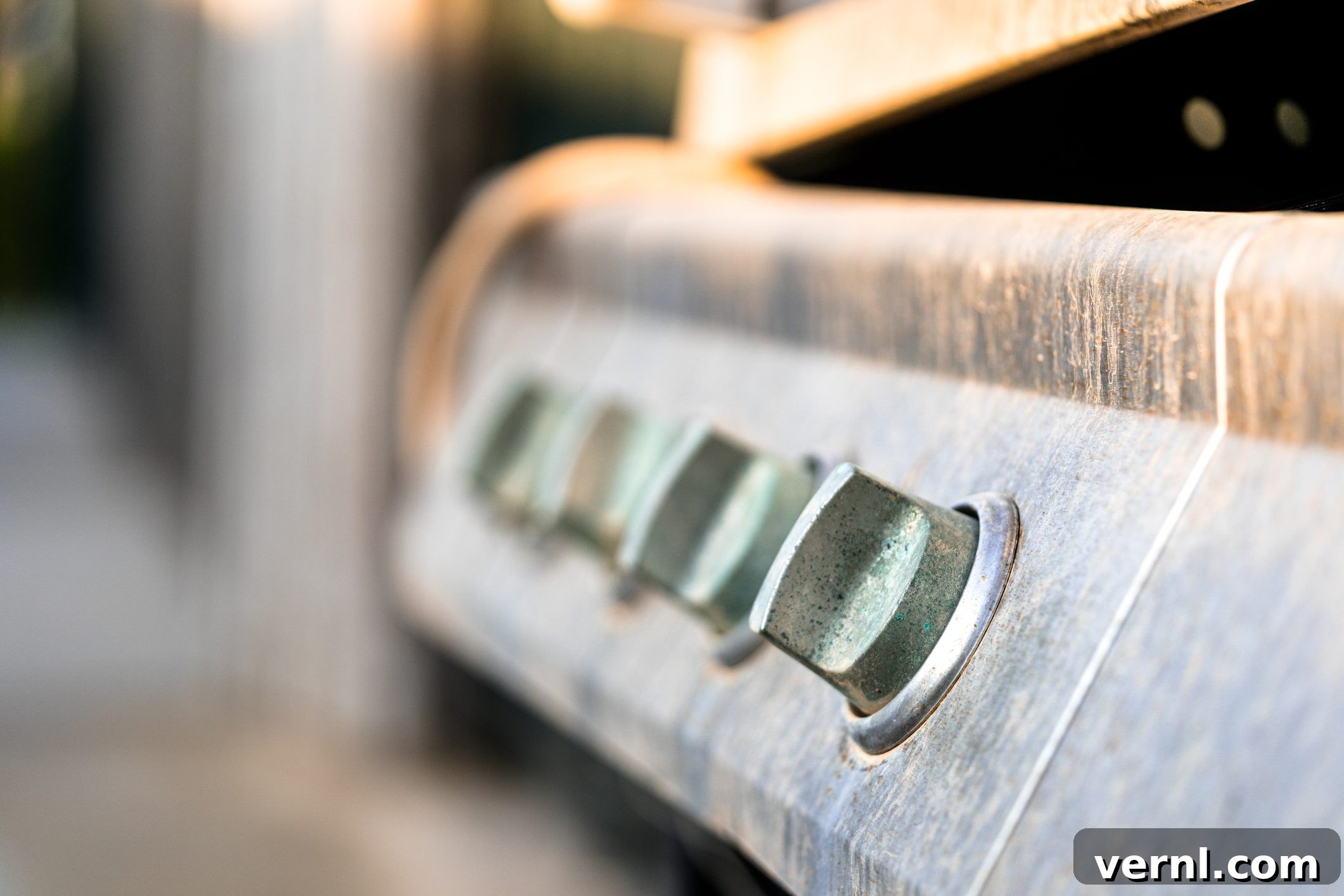
The time eventually comes for every outdoor chef: your trusty gas grill reaches the end of its culinary journey. Perhaps your old model is rickety, rust-ridden, or you’ve simply upgraded to a shiny new one. The challenge then becomes figuring out how to responsibly dispose of an old grill. These bulky appliances are often grease-lined, cumbersome, and crucially, old propane tanks cannot simply be thrown in the trash due to safety hazards.
This comprehensive guide is designed to navigate you through the process of safe and environmentally conscious gas grill disposal. We’ll cover everything from essential grill recycling tips and material separation to the critical steps for properly disposing of propane tanks, ensuring your old grill doesn’t become a burden on the environment.
Why Proper Grill Disposal Matters for a Sustainable Future
Understanding how to dispose of a grill properly extends far beyond merely decluttering your patio. It’s a vital aspect of environmental responsibility, resource conservation, and community safety. Grills are complex appliances made from a variety of materials, many of which are highly recyclable. By choosing proper disposal methods, you contribute to a cleaner planet and support the circular economy.
Environmental Impacts of Improper Disposal
When old grills are simply discarded into general waste streams, their non-biodegradable parts can sit in landfills for decades, even centuries. This contributes to the ever-growing problem of landfill waste, consuming valuable land and potentially leaching harmful substances into the soil and groundwater over time. Moreover, improperly discarded hazardous components, such as residual propane or accumulated grease, can pose significant environmental and safety risks.
Imagine the positive impact: your old grill could be given a second life as raw metal for manufacturing new products, rather than adding to landfill volume. Recycling a standard-sized grill, which typically weighs between 50 and 150 pounds, can divert a substantial amount of recyclable metal from landfills. For instance, recycling steel saves up to 75% of the energy needed to produce new steel from virgin materials, significantly reducing greenhouse gas emissions and conserving natural resources. Making a conscious effort to recycle helps close the loop on material usage and supports a more sustainable future.
Recovering and Recycling Valuable Materials from Old Grills
Grills are constructed from a diverse mix of materials, making them excellent candidates for recycling. Common components include high-grade stainless steel for the body and lid, aluminum for various internal parts, cast iron for grates, and various types of plastic for handles, knobs, and side shelves. Metals like stainless steel, aluminum, and cast iron are particularly valuable because they can be recycled repeatedly without significant loss of quality.
Plastic parts, while sometimes recyclable, require careful inspection for a recycling symbol and may depend on your local facility’s capabilities. Separating these materials before disposal is crucial, as it ensures they are processed correctly at specialized recycling centers. This pre-sorting maximizes the recovery rate of valuable resources and minimizes contamination in the recycling stream, making the entire process more efficient and environmentally friendly.
Essential Tools and Step-by-Step Guide for Grill Disposal
Before embarking on the grill disposal process, gather a few basic tools to ensure safety and efficiency. You’ll need sturdy work gloves to protect your hands, safety glasses for eye protection, a comprehensive screwdriver set (Phillips and flathead), pliers, and an adjustable wrench. These tools will facilitate safe disassembly and handling.
Step 1: Safely Remove and Handle the Propane Tank
This initial step is unequivocally the most critical when dealing with a gas grill. Propane tanks contain pressurized flammable gas and must never be disposed of in regular household trash, curbside recycling bins, or landfills due to the extreme danger of explosions or uncontrolled fires.
- Turn Off and Disconnect: First, ensure the tank valve is fully closed by turning it clockwise until it’s snug. Then, carefully disconnect the regulator and hose from the tank. Inspect the tank for any visible damage, deep rust, or leaks. If you detect a leak (e.g., a rotten egg smell, hissing sound), move the tank to a well-ventilated outdoor area away from ignition sources and contact your propane supplier or fire department immediately for guidance.
- Check for Return and Exchange Programs: The safest and often most convenient method for disposing of an empty or unwanted propane tank is through an exchange program. Many retailers who sell propane tanks, such as hardware stores, home improvement centers, and even some gas stations, offer tank exchange services. You can usually trade in an old tank for a new or refilled one, often at a reduced cost. Even if you’re not purchasing a new tank, most of these retailers will accept old tanks for proper disposal, as they work with certified propane recyclers. Always call ahead to confirm their policy and if any fees apply.
- Specialized Disposal for Damaged Tanks: For severely damaged, rusted, or leaking tanks that cannot be exchanged, specialized hazardous waste facilities or certified propane companies are the only safe option. Never attempt to vent, open, or tamper with a propane tank yourself.
Step 2: Thoroughly Clean and Disassemble the Grill
A cleaner grill is not only easier and safer to handle but also significantly increases its chances of being accepted by recyclers, scrap yards, or donation centers. Residual grease and food debris can be a fire hazard and a contaminant in recycling processes.
- Clean It Out Meticulously: Before attempting to transport or disassemble your grill, ensure it is completely empty of ash, charcoal remnants (if applicable), grease, and food debris. Scrape out any hardened food remnants from grates and the cook box. Use a grill brush, scraper, and a degreasing cleaner to thoroughly wipe down all greasy surfaces, especially the bottom tray and internal components. A power washer can be effective for stubborn grime, but ensure the grill is completely dry afterward.
- Disassemble for Efficiency and Material Separation: If you intend to recycle components separately or make the grill easier to transport, disassembly is key. Start by removing all movable parts: side shelves, cooking grates, warming racks, heat tents, and burners. The lid can often be detached from the main body. Many control knobs and wheels are plastic and can be easily popped off or unscrewed. This systematic breakdown makes it simpler to separate different materials, significantly reducing the grill’s bulk and making it easier to load into a vehicle. For instance, removing a heavy cast iron grate will lighten the main body, while detaching the stainless steel lid allows for separate metal recycling.
Step 3: Carefully Separate Different Materials for Optimized Recycling
Effective recycling hinges on proper material separation. Your grill is a treasure trove of recyclable materials, provided they are correctly sorted.
- Metals: The majority of your grill, including the main body, lid, shelves, and frame, is typically made from stainless steel, steel, or aluminum – all highly recyclable. Even brass fittings found on gas valves can be recycled. Separate these metal parts into distinct piles. While some scrap dealers may accept metal with minor grease residue, cleaning the metal thoroughly before taking it to a scrap yard will increase its value and ensure it’s accepted without issue. The goal is to maximize the amount of high-quality scrap metal that gets recycled, reducing the need for virgin ore extraction. Don’t forget smaller metal components like screws, bolts, and hinges.
- Plastics: Inspect plastic components, such as side shelves, handles, and control knobs, for a recycling symbol (a number inside a chasing arrows triangle). If a symbol is present and your local recycling facility accepts that specific type of plastic (e.g., HDPE #2, PP #5), these parts can be recycled once separated from any metal fasteners or inserts. Clean plastic thoroughly to remove grease.
- Electronics/Batteries: Many modern grills feature electronic igniters or digital thermometers. Remove any batteries from these components. Battery recycling policies vary by location, so research local options for proper disposal, which often include designated drop-off points at retail stores or hazardous waste collection events.
- Other Parts: Unfortunately, some grill components are not easily recyclable through standard methods. This might include ceramic briquettes, lava rocks, rubber hoses, and some composite materials. These non-recyclable parts will, regrettably, need to be disposed of in your regular household trash as a last resort.
Step 4: Contact Local Recycling Centers or Scrap Yards for Drop-Off
Once you’ve safely prepared and separated your grill materials, it’s time to find appropriate facilities for legal and responsible disposal.
- Municipal Waste Services: Your local department of public works, sanitation department, or waste management authority is an excellent first point of contact. Many municipalities offer special bulk waste pickup services for large items like grills, or they may have designated drop-off days or permanent locations for appliances, scrap metal, and hazardous waste. Check their website or call directly for specific rules, schedules, and any associated fees.
- Scrap Metal Dealers: If your old grill is beyond repair but you want to ensure its metal components are recycled efficiently, consider taking it to a local scrap metal dealer. These facilities buy and process various metals for recycling. Alternatively, you can often leave it out for a scrap metal picker to collect. These industrious collectors, known by different names across regions (pickers, gleaners, scavengers), actively seek out discarded metal on trash collection days. They operate on razor-thin profit margins, meaning they only get paid for metal. Therefore, if you separate the metal from plastic and other non-metallic parts for them, they are more likely to take the metal, preventing the plastic from ending up in their trash stream. Remember, scrap yards cannot accept propane tanks due to their hazardous nature; follow Step 1 for tank disposal.
- Private Recycling Centers: For the most environmentally friendly approach, consider taking your disassembled and sorted grill parts to a private recycling center. These facilities are equipped to handle various materials and often have specialized processes for different types of metals. However, it’s crucial to understand that they typically expect materials to be pre-separated. As the original content states, “the general rule of thumb is that if different components need to be separated, you can’t rely on the recycling company to do it for you.” Please note, while the propane tank is metal, scrapyards and private recycling centers generally cannot accept them due to the residual propane hazard. For proper propane tank disposal, you will need to take your old one to a retailer for exchange or turn it in, as outlined in Step 1. Many gas stations and home improvement stores facilitate tank exchanges and disposal.
Step 5: Explore Donation, Selling, or Repurposing Options
If your grill is still functional or has usable parts, you have even more eco-friendly options beyond simply recycling the materials.
- Sell It: If your old grill is in decent working condition, you might be able to sell it. While used grills, often laden with accumulated grease and showing general wear from outdoor storage, don’t always fetch a high price, a clean and well-maintained unit can still find a new home. Functional propane tanks are almost always marketable because they can be traded in for new ones. You might also consider selling individual functional parts like grates, burners, or igniters, which are often in demand for repairs.
- Freecycle It: Freecycling offers an excellent alternative disposal method for a functional grill that you simply want to get rid of without the hassle of selling. Online forums and platforms like Craigslist, Facebook Marketplace, and Nextdoor allow owners to freecycle their old equipment by offering it for free to anyone willing to pick it up. This method requires no haggling or extensive interactions. You may even be able to freecycle a grill that isn’t working perfectly, as long as you are completely transparent about its condition and any necessary DIY grill repairs it might need. This is a great way to ensure an item gets reused.
- Donate It: Some local charities, community centers, schools, or non-profit organizations might accept functional grills if they are clean and in good working order. These donations can support community events, culinary programs, or families in need. Always call ahead to confirm their specific donation guidelines and to ensure they have the capacity to accept large appliances.
- Repurpose Parts: Get creative and give parts of your old grill a new life! A cleaned grill lid can be transformed into a unique decorative planter, a small fire pit cover, or even a miniature sandbox for kids by simply removing the handle and adding soil and flowers. The sturdy metal grates can be repurposed as garden trellises for climbing plants or as rustic wall art. Even some of the scrap metal from the grill’s frame can inspire other DIY decor projects, adding an industrial touch to your home or garden.
- Throw It Away (Last Resort): If, after exhausting all other options, you are left with non-recyclable or non-reusable parts of your grill, and you have access to a large dumpster or bulk trash collection service, these remaining components may need to go into the general waste stream. However, this should always be a last resort. Crucially, as reiterated throughout this guide, NEVER throw away a propane tank. Residual propane is a significant hazard. Always follow the recommendations in Step 1 for safe and proper propane tank disposal.
Pro Grill Recycling Tips for a Smoother Process
A little extra preparation and communication can make the entire grill disposal process smoother, safer, and more environmentally beneficial for everyone involved.
Preparing Your Grill for Pickup or Drop-Off
Whether you’re arranging for a scrap picker, dropping it off at a recycling center, or donating it, ensuring your grill is as clean as possible is paramount. Remove all food debris, ash, and as much grease as you can. If you’ve disassembled it, secure any loose parts with tape or twine to prevent them from falling off during transport. For curbside pickup (where permitted by your municipality), clearly label the grill as “FOR RECYCLING” or “SCRAP METAL” to avoid confusion and ensure it’s picked up by the correct service.
Contact Local Resources for Expert Guidance
Never guess when it comes to proper waste disposal. Local regulations and accepted materials can vary significantly by region. A quick call to your local waste management facility, recycling center, or department of public works can save you a lot of trouble, potential fines, and ensures you’re following local regulations for disposing of electronics and large appliances. They are the most accurate source of information on where to dispose of a grill legally and responsibly in your specific area, including details on propane tank disposal, hazardous waste collection events, and specific material acceptance policies.
By following these steps, you can ensure your old gas grill is disposed of not just conveniently, but also with the utmost consideration for safety and environmental sustainability.
Sources
- AmeriGas: “How To Buy, Exchange, Or Dispose Of Your Propane Tank”
- Propane: “Propane Tank Disposal and Recycling”
- Earth911: “How Do I Get Rid of My Old Barbecue Grill?”
- Institute of Scrap Recycling Industries: ISRI Scrap Specifications Circular
- EPA.gov: “15 Year Anniversary Report of the Responsible Appliance Disposal (RAD) Program”
- EPA.gov: “Facts and Figures about Materials, Waste and Recycling”
- EPA.gov: “Certified Electronics Recyclers”
- Goodwill Industries International: “Donating Dos and Don’ts | Goodwill Industries”