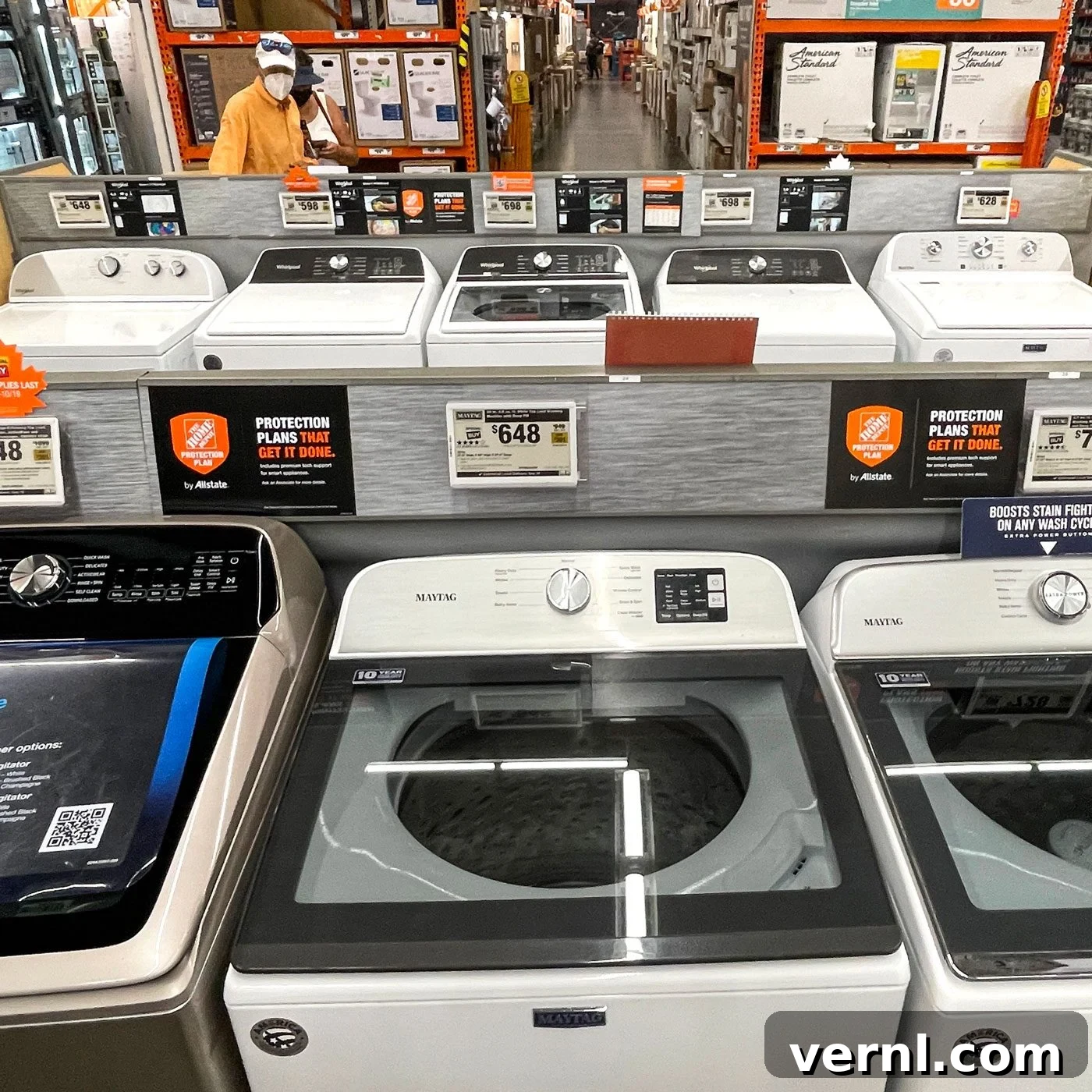
Extended Appliance Warranties: Are They Truly Worth the Investment?
As a seasoned appliance repair technician with over three decades of hands-on experience, I’ve had a unique vantage point into the world of home appliances and their common malfunctions. Over these 30+ years, a recurring theme has emerged: the limited real-world benefit my customers derive from purchasing extended appliance warranties. While these warranties are marketed as essential protection, my observations from thousands of repair calls suggest a different reality.
The core issue lies in what these extended warranties actually cover. They primarily address manufacturing defects – faults inherent in the appliance’s design or assembly. However, in the vast majority of appliance breakdowns I’ve encountered, the problem stems not from a factory flaw, but from consumer use or misuse. Issues like overloading washing machines, neglecting dryer lint filters, or improper dishwasher loading are rampant, and critically, these “user-error” problems are almost universally excluded from extended warranty coverage. This fundamental disconnect often leaves homeowners paying for protection that doesn’t cover their most likely repair scenarios.
Are Extended Warranties on Appliances a Smart Purchase?
In most situations, the answer is a resounding no, though there are specific, nuanced exceptions we will explore. Before diving into the complexities of extended warranties, it’s crucial to understand the foundational protection you already have with any new appliance purchase.
Maximizing Your Standard Appliance Warranty
Every new appliance comes with a standard manufacturer’s warranty, which typically covers defects for a limited period, often 12 months. Make sure to take these simple steps to ensure you’re covered:
- Register Your Product: Always fill out and mail in the warranty card, or complete the registration online. This ensures your purchase is on record, simplifying any future claims for manufacturer defects within the specified period. This initial coverage is entirely free.
- Leverage Credit Card Benefits: Many credit card companies offer an extended warranty on purchases made with their card, often adding an extra year to the manufacturer’s warranty at no additional charge. This is a powerful, often overlooked benefit that provides substantial protection without any extra cost. Always check your credit card’s benefits guide for details.
- Proactive Appliance Care: The best defense against breakdowns is preventative maintenance and correct usage. Familiarize yourself with common appliance mistakes and how to avoid them. Simple habits can significantly extend the life of your machines and reduce the need for repairs, regardless of warranty status. You can find comprehensive tips on how to avoid the most common appliance mistakes later in this article.
Understanding Appliance Longevity and Reliability
My extensive experience reveals that most properly used and maintained appliances will function reliably for at least a decade without requiring significant repairs. This lifespan often extends well beyond the typical duration of both standard and extended warranties. Some manufacturers, such as Miele, are renowned for engineering their appliances with an impressive service life, often designed to last up to 20 years or more.
However, not all brands are created equal. I’ve observed consistent patterns over the years regarding appliance durability. While many machines exceed the ten-year mark, a handful of brands frequently exhibit breakdowns well before their fourth year of operation:
- Fisher Paykel: Often innovative but can suffer from early component failures.
- GE: Their dishwashers, in particular, have shown a propensity for premature issues.
- LG and Samsung: While popular for their features, their refrigerators are frequently among the first to require service, often due to complex electronic or sealed system issues.
- Maytag (current models): Recent iterations of Maytag appliances don’t always live up to the brand’s historic reputation for robustness.
- Whirlpool (top-loading washers): Certain designs in their top-loading washer line have demonstrated a higher incidence of early breakdowns.
These brands are often found prominently in big-box retail stores, appealing to consumers with lower price points and an abundance of “smart” features. The unfortunate reality, in my professional opinion, is that these appliances are frequently built with cost-cutting in mind, leading to cheaper components and, consequently, a higher likelihood of manufacturing defects and early failures.
Conversely, investing in a higher-quality appliance from the outset can save you significant money and stress in the long run. A reliable machine, though it may command a higher initial price, will often deliver years of worry-free service, typically exceeding ten years of operational life. From my perspective, these brands consistently have the fewest breakdowns:
- Bosch (especially dishwashers): Known for their exceptional quietness and long-term reliability.
- Miele: A premium brand synonymous with superior engineering and remarkable durability across its entire product line.
- Speed Queen (washers and dryers): Built to commercial standards, these machines are workhorses designed to last for decades.
- Whirlpool (excluding the newer top-loading washers): Many of their other appliance categories still uphold a reputation for solid performance.
In my own home, we embody this philosophy. Most of our appliances have served us faithfully for over two decades. We recently upgraded our 20-year-old Miele dishwasher to a new Bosch, a testament to both brands’ longevity. Last year, our 23-year-old Whirlpool top-loading washer was replaced with a newer front-loading Whirlpool model. And remarkably, our 25-year-old Whirlpool gas dryer continues to run flawlessly. This personal experience reinforces my professional advice: choose quality, and it will serve you well.
When Does an Extended Warranty Make Financial Sense?
While my general stance is cautionary, there are specific scenarios where an extended warranty might warrant consideration. These exceptions usually revolve around high-value appliances where the cost of a single repair could be astronomical compared to the warranty’s price.
The primary consideration is the appliance’s initial cost. If you’re purchasing a particularly expensive appliance, and the total cost of the extended warranty is less than 30% of the appliance’s purchase price, it could be worth evaluating. This 30% threshold serves as a general guideline because anything higher often represents poor value, with the warranty potentially costing a significant portion of what a replacement might. However, be aware that warranty providers often inflate prices for high-end appliances, sometimes making this threshold difficult to meet.
For certain luxury or highly specialized appliance brands, an extended warranty can offer peace of mind due to their complex designs, proprietary components, and exceptionally high repair costs. These include:
- Miele: Despite their legendary durability, if a rare Miele component fails, the cost can be substantial.
- Sub-Zero: Premium refrigeration known for integrated designs and specialized cooling systems.
- Thermador: High-end cooking and refrigeration with advanced features.
- Viking: Professional-grade kitchen appliances with robust, but often expensive, parts.
- Wolf: Specializing in professional-style ranges and cooktops with intricate components.
Among all household appliances, a refrigerator is the only item for which I might personally consider purchasing an extended warranty. Modern refrigerators, especially side-by-sides and French door models, are incredibly complex machines. They are packed with sophisticated electronics, advanced cooling systems, and ice makers that are prone to breakdowns involving incredibly expensive parts, such as a main circuit board, compressor, or sealed system components. A single, critical repair on a high-end refrigerator can easily cost hundreds, if not over a thousand, dollars, making the warranty cost potentially justifiable against such a repair.
When Is an Extended Warranty Not Worth Your Money?
The vast majority of the time, an extended warranty represents an unnecessary expense. Beyond the primary reason – their failure to cover user error, which is the leading cause of appliance breakdowns – several other compelling factors should make you think twice before signing up.
- Exorbitant Deductibles and Service Fees: Many warranty companies levy a deductible for each service call. On top of that, they may require you to cover the technician’s service call fee, which can easily be $150 or more. This means you’re paying a monthly premium and still incurring significant out-of-pocket costs every time an appliance needs attention, rapidly eroding any perceived value.
- High Monthly Costs that Accumulate: The monthly premiums for extended warranties can range from $30 to $40, accumulating to an annual expense of $350 to $600. Instead of funneling this money to a warranty company, consider establishing a dedicated “appliance repair savings account.” By setting aside just $200 each year, you’d have $2,000 in a decade, more than enough to cover most major repairs yourself. This self-insurance approach puts you in control of your funds and avoids the pitfalls of warranty companies.
- Questionable Contractor Vetting and Service Quality: My personal experience with extended warranty companies has raised significant concerns about the quality of technicians they dispatch. I’ve received cold calls from these companies, asking me to perform same-day warranty service without any prior vetting. They hadn’t checked my credentials, reviewed my work quality, or even asked about my experience beyond confirming I was an appliance technician. When you have an extended warranty, you’re often obligated to use whoever they send, which means you lose the ability to choose a reputable, trusted professional. This lack of quality control can lead to substandard repairs, longer wait times, and a frustrating customer experience.
- Aggressive Sales Tactics Driven by Commissions: Warranty companies often incentivize their salespeople with substantial commissions. This commission structure naturally encourages aggressive sales tactics, pushing products that may not genuinely benefit the consumer. In many instances, the extended warranty offers more financial gain for the salesperson and the warranty provider than it does for you, the appliance owner.
- Risk of Company Instability: Like any business, extended warranty companies are not immune to financial difficulties. There’s a tangible risk that the company could go out of business during the term of your warranty. Should this happen, you’d be left without coverage, and there would be little to no recourse for recouping your investment, leaving you stuck and unprotected.
Who Provides the Best Appliance Extended Warranty?
While online forums and review sites often highlight companies like American Home Shield with high ratings, I must preface this by stating that I do not have direct, personal experience working with them or their specific warranty programs. Therefore, I cannot offer a definitive endorsement or critique based on my professional repair work.
However, my overarching recommendation remains consistent and unwavering: you are far better off adopting a proactive, common-sense approach to appliance ownership. This involves three key strategies:
- Invest in Reputable Appliance Brands: Prioritize quality and reliability when purchasing new appliances. As discussed, certain brands have a proven track record of durability and fewer breakdowns. A higher initial investment often translates into significant savings on repairs and replacements over the appliance’s lifespan.
- Maintain Your Appliances Diligently: Adhering to manufacturer maintenance guidelines and practicing good usage habits is paramount. Simple, regular upkeep can prevent the vast majority of “user-error” breakdowns that extended warranties don’t cover anyway.
- Establish a Dedicated Savings Fund: Instead of paying monthly premiums to a warranty company, put that money aside into a specific savings account for potential appliance repairs. This “self-insurance” fund gives you direct access to capital when you need it, allows you to choose your own trusted repair technician, and ensures that your money is working for you, not for a third-party provider.
By following these principles, you empower yourself with greater control, superior protection, and a more financially sound approach to managing your household appliances.
Essential Tips to Prevent User-Error Appliance Breakdowns
Preventative maintenance and correct usage are your best defense against unexpected appliance failures. Most repairs I’ve performed could have been avoided with a few simple habits. Here’s how to keep your appliances running smoothly and avoid costly “user-error” breakdowns:
- Washing Machine:
- Don’t Overload It: Overfilling the drum strains the motor, agitates clothes improperly, and can damage the bearings and suspension system. This leads to inefficient cleaning, excessive wear and tear, and potential costly repairs.
- Use the Right Detergent: Use high-efficiency (HE) detergent for HE machines to prevent oversudsing, which can damage sensors and lead to drainage issues.
- Clean the Dispenser: Regularly clean detergent and fabric softener dispensers to prevent clogs and mold buildup.
- Dryer:
- Clean the Lint Filter After Each Use: This is non-negotiable. A clogged lint filter restricts airflow, making the dryer work harder, consuming more energy, and significantly increasing the risk of a house fire.
- Clean the Vent Tube Annually: Beyond the lint filter, lint accumulates in the dryer’s exhaust vent. Schedule an annual professional cleaning or clean it yourself to maintain airflow, improve efficiency, and prevent fire hazards.
- Avoid Over-drying: This not only damages clothes but also puts unnecessary strain on the dryer’s heating elements and sensors.
- Dishwasher:
- Rinse Dishes Before Loading (But Don’t Pre-Wash Completely): Scrape off large food particles to prevent clogging the filter and spray arms. However, avoid excessive pre-washing, as modern dishwashers rely on some food residue to activate detergents effectively.
- Clean the Filter Regularly: Many modern dishwashers have a removable filter that needs periodic cleaning to prevent food debris from recirculating and causing odors or poor cleaning performance.
- Use Rinse Aid: This helps dishes dry better and prevents water spots, contributing to the longevity of internal components.
- Refrigerator:
- Clean the Evaporator Coils Every Six Months: Dust and pet hair accumulate on these coils, located usually at the back or underneath the refrigerator. Dirty coils make the compressor work harder, increasing energy consumption and significantly shortening the compressor’s lifespan. Regularly cleaning refrigerator coils is one of the most impactful maintenance tasks.
- Use a Surge Protector: Modern refrigerators have sensitive electronic control boards. A quality surge protector can shield your appliance from power fluctuations and lightning strikes, which can be catastrophic to these expensive components.
- Check Door Seals: Ensure door seals are clean and intact to prevent cold air from escaping, which causes the compressor to run more often.
- Stove/Range:
- Prevent Boilovers: Allowing food to boil over onto electric burners or gas igniters can cause corrosion, short circuits, and damage to heating elements or ignition systems. Clean spills immediately once the surface has cooled.
- Clean Regularly: Wipe down spills on the stovetop and inside the oven promptly to prevent baked-on grime, which can lead to odors and deteriorate surfaces over time.
- Oven:
- Never Use the Self-Clean Feature: While convenient, the extreme temperatures generated during the self-cleaning cycle (often over 900°F) place immense stress on sensitive components like the control board, heating elements, and thermostat. This intense heat is a common cause of premature oven failure. It’s far safer and often cheaper to clean your oven manually using oven cleaner or natural alternatives. You can read more about why you shouldn’t use your oven’s self-cleaning feature.
- Avoid Aluminum Foil on Racks: This can restrict heat circulation and damage the oven’s interior finish.
By integrating these simple yet effective maintenance habits into your routine, you can drastically extend the life of your appliances, reduce the frequency of breakdowns, and save yourself the frustration and expense of unnecessary repairs – all without relying on potentially ineffective extended warranties.