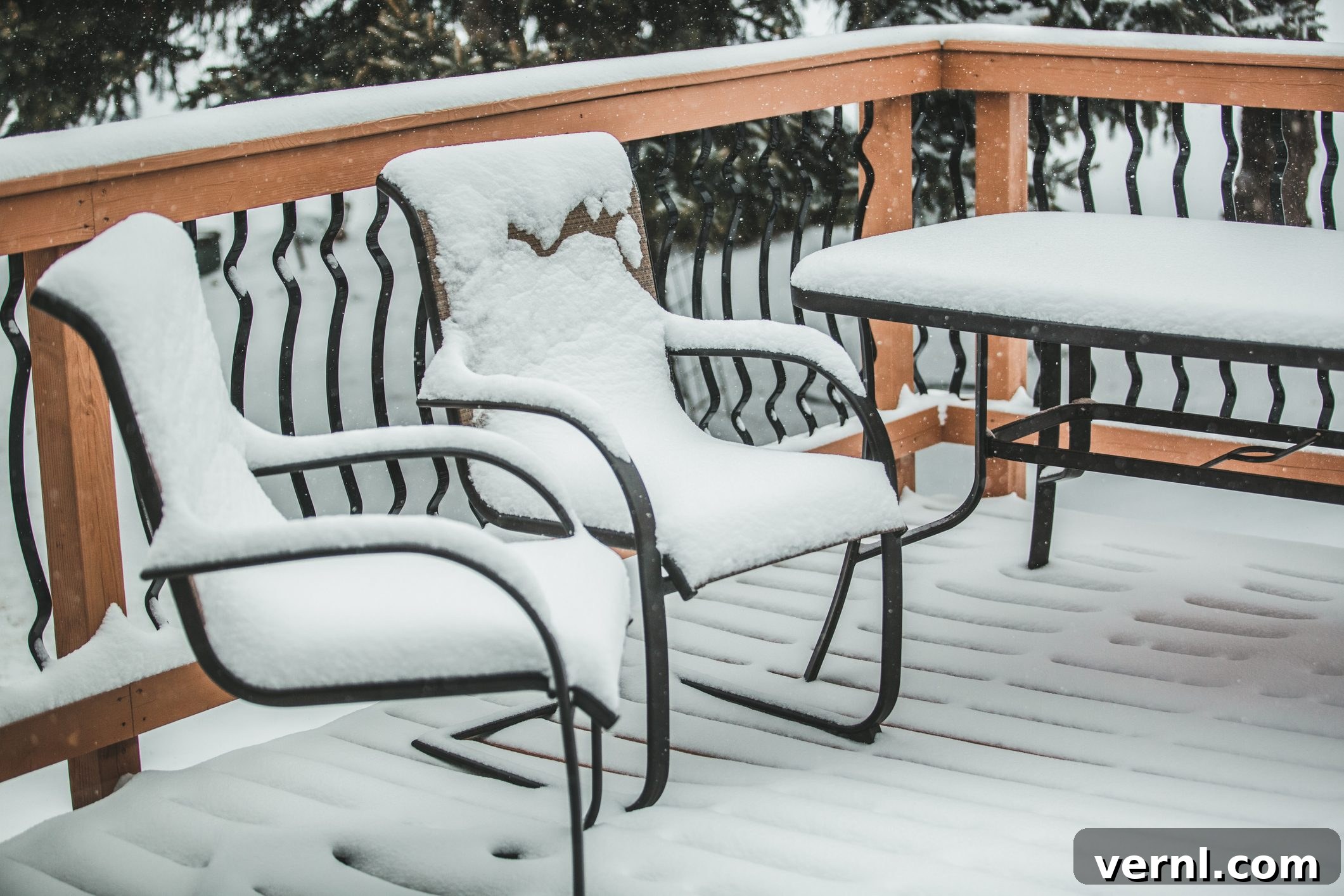
As winter approaches, many homeowners face the familiar dilemma of snow removal. While driveways and walkways are obvious candidates for a good clearing, the question of whether to shovel the deck often leads to hesitation. After all, modern decking materials are advertised as low-maintenance and built to withstand the elements, right? It might seem counterintuitive to add the deck to your already extensive list of shoveling duties. Yet, ignoring snow accumulation on your deck could lead to unforeseen problems, from structural damage to safety hazards.
For those of us who believe in proactive snow management – ensuring paths are clear for early morning walkers or simply to avoid packed-down snow – the deck might seem like the one exception. However, a deeper look reveals that leaving snow on your deck, whether it’s constructed from traditional wood or advanced composite materials, is a practice worth reconsidering. Understanding the potential risks and adopting proper winter maintenance can significantly extend the life and safety of your outdoor living space.
Should You Leave Snow on Your Deck? The Expert View
While you certainly can leave snow on your deck, the more pertinent question is: should you? According to Vince Christofora, an engineer and owner of Woodstock Hardware in Woodstock, New York, the answer is a resounding no. While composite decking has revolutionized outdoor living with its promise of durability and reduced upkeep, it doesn’t grant immunity from the damaging effects of prolonged snow and ice exposure. Traditional wood decks, with their inherent vulnerabilities, are even more susceptible.
Neglecting your deck during winter months isn’t just about aesthetics; it’s about preserving its structural integrity, extending its lifespan, and ensuring the safety of your home and family. Here are three critical reasons why you should prioritize removing at least some of the snow from your deck.
Why Clearing Snow From Your Deck is Essential
Preventing Weight-Related Damage and Structural Strain
One of the most significant concerns when snow accumulates on a deck is the sheer weight. “Decks, like roofs, should be designed to handle snow loads for the areas in which they are built,” explains Christofora. “Footings and the structure of the deck should be sized accordingly. If you let snow pile up on your deck and have an undersized or not well-designed deck, you should be concerned about the weight, just as you would be with a roof.”
To grasp the potential impact, consider the density of snow. While fresh, powdery snow is relatively light, weighing around 15 to 20 pounds per cubic foot, this can drastically increase. Wet, compacted snow or ice can weigh significantly more, sometimes up to 60 pounds per cubic foot. When you factor in multiple snowfalls, ice layers, or heavy rain on top of existing snow, the cumulative load can become immense. A deck measuring 10×20 feet could easily support thousands of pounds of snow, potentially exceeding its designed load capacity. This excessive weight puts immense stress on the deck’s joists, beams, and support posts, potentially leading to sagging, cracking, or even catastrophic collapse. Regularly removing snow, especially after heavier storms, acts as a crucial preventative measure, safeguarding your deck against structural failure and ensuring it’s ready for any unexpected mega-storm.
Protecting Your Deck Boards from Moisture Damage
Prolonged exposure to water, in any form, is detrimental to deck boards over time. “Leaving snow on the deck can shorten the life of your deck coating because there’s water sitting on it non-stop,” Christofora warns. The constant presence of moisture, coupled with fluctuating temperatures that cause freeze-thaw cycles, can wreak havoc on both wood and composite materials.
For wood decks, this constant moisture infiltration can lead to rot, mold, mildew, and warping. The repeated expansion and contraction from freezing and thawing can also cause cracks and splintering, compromising the deck’s finish and exposing its untreated core. Christofora notes that many homeowners in the Northeast still have beautiful, but expensive, wood decks made of cedar, mahogany, or exotic woods. Protecting these investments with proper winter care is paramount. A high-quality stain, paint, or sealant applied before winter is crucial for creating a protective barrier against moisture.
Even composite decks, often marketed as “maintenance-free,” are not entirely immune. While they resist rot and insect damage better than wood, prolonged dampness can still lead to the growth of mold, mildew, and algae, causing unsightly stains and making the surface slippery. Furthermore, the “maintenance-free” label can be misleading. As Christofora points out, “They get dirty and moldy, and you need to clean them like a regular deck.” Fortunately, manufacturers now offer specialized stains and waterproofers designed for composite wood decks, allowing for enhanced protection and easier cleaning.
Ensuring Safety and Accessibility in Emergency Situations
Beyond structural integrity and material preservation, a clear deck plays a vital role in the safety of your home, especially during an emergency. “You don’t know when a rescue squad might need to come up the deck stairs with a stretcher to get somebody who’s hurt out of the house,” Christofora emphasizes. Imagine paramedics struggling to navigate a snow-covered, icy deck and stairs during a critical medical emergency – precious time could be lost.
Similarly, in the event of a fire, a clear path to an exterior exit is non-negotiable. “It’s dangerous getting out of the house when the deck is covered with snow or slippery because of the snow,” he adds. Snow and ice can obscure steps, create uneven surfaces, and turn a routine exit into a hazardous ordeal. Even in non-emergency situations, a snow-laden deck poses a significant slip-and-fall risk for residents and guests, potentially leading to injuries and liability concerns. Maintaining clear, safe access points is a proactive step towards protecting everyone who uses your home.
Effective Methods for Deck Snow Removal
When it comes to removing snow and ice from your deck, the key is to be gentle and use the right tools, whether your deck is wood or composite. Christofora provides specific recommendations to ensure you clear your deck without causing accidental damage.
The Indispensable Plastic Shovel
For manual snow removal, a plastic shovel is your best friend. “To avoid damaging — scratching, gouging, etc., — a wood/composite deck, use a plastic snow shovel, not a metal one, and make sure the plastic shovel does not have a metal edge,” advises Christofora. A metal edge can easily scratch, chip, or gouge your deck boards, compromising their finish and potentially their structural integrity. When shoveling, always work parallel to the deck boards to minimize the risk of catching an edge and causing damage. A clever technique is to leave a thin layer of snow on the deck surface. This prevents the shovel from directly contacting the boards, acting as a buffer against accidental scratches while still removing the bulk of the snow.
For enhanced traction on any remaining ice or packed snow, consider using sand or a non-toxic product like Ecotraction. These provide grip without melting the ice, thus avoiding additional moisture. While non-slip tapes or treads are available, Christofora cautions that “they may freeze up and become slippery in winter weather conditions,” making them less reliable for continuous use.
Utilizing Electric Snow Throwers or Small Snow Blowers
For larger decks or heavier snowfalls, an electric snow thrower or a small, lightweight snow blower can be an efficient alternative to manual shoveling. These machines are often light enough for use on low decks and can significantly reduce the physical strain of snow removal. However, caution is paramount. Ensure the machine’s auger or blades are set to a height that prevents them from contacting the deck surface. Many models come with adjustable skid shoes or height settings specifically for this purpose. Operate them slowly and deliberately, always aiming to clear snow without scraping or damaging the deck boards. Battery-powered options offer even greater convenience, eliminating the need for extension cords and providing enhanced maneuverability.
Selecting the Right Ice Melter
When faced with stubborn ice, choosing the correct ice-melting product is crucial for protecting your deck. Christofora strongly advises against using rock salt (sodium chloride) or calcium chloride. These common de-icers can be highly corrosive to deck materials, especially wood, and can damage surrounding landscaping and concrete. They can also be harmful to pets’ paws.
Instead, opt for effective, more environmentally friendly ice melt blends. Products containing magnesium chloride or potassium chloride, such as SafeStep 6300 magnesium and potassium chloride, are generally safer for decks, vegetation, and pets. Urea-based products are another gentler option. Regardless of the product you choose, always follow the manufacturer’s instructions for application. More importantly, to prevent any potential long-term damage or residue buildup, Christofora recommends sweeping off the product after it has done its job, typically within a day or so. This ensures the melted ice and chemical residues are removed, leaving your deck clean and protected.
Using an Ice Chopper with Extreme Caution
In truly extreme conditions, such as thick, deeply frozen ice, an ice chopper might seem like the only solution. However, this is a tool to be used with the utmost care and as a last resort. “In extreme conditions, if you are going to use a metal ice chopper, be careful not to damage the deck,” says Christofora. The sharp metal blade of an ice chopper can easily gouge, splinter, or permanently mar your deck boards, potentially voiding warranties for composite materials or creating entry points for moisture in wood. “Chopping can get out of hand,” he warns. If you must use one, employ very light, controlled taps rather than forceful swings, and focus on breaking up larger pieces of ice rather than scraping the deck surface directly. Often, applying an appropriate ice melter and allowing it time to work before attempting removal is a safer strategy.
Proactive Winter Deck Maintenance Beyond Snow Removal
While clearing snow is vital, a comprehensive winter deck maintenance strategy involves a few additional steps to prepare your deck for the colder months:
- Clear Gutters: Ensure all gutters and downspouts around your deck are clear of leaves and debris. This prevents ice dams and ensures proper drainage, directing melting snow and ice away from your deck structure.
- Trim Overhanging Branches: Heavy snow and ice accumulation on tree branches can cause them to break and fall, potentially damaging your deck. Trim any branches that pose a risk before winter sets in.
- Inspect and Repair: Before the first snowfall, conduct a thorough inspection of your deck. Look for loose boards, protruding nails, or damaged railings. Repair any issues to prevent them from worsening under winter conditions.
- Ensure Proper Drainage: Check that water drains effectively off and around your deck. Any areas where water pools can become significant problems when temperatures drop below freezing.
By adopting these practices, you can safeguard your deck against the harsh realities of winter, ensuring it remains a beautiful, functional, and safe extension of your home for years to come.