
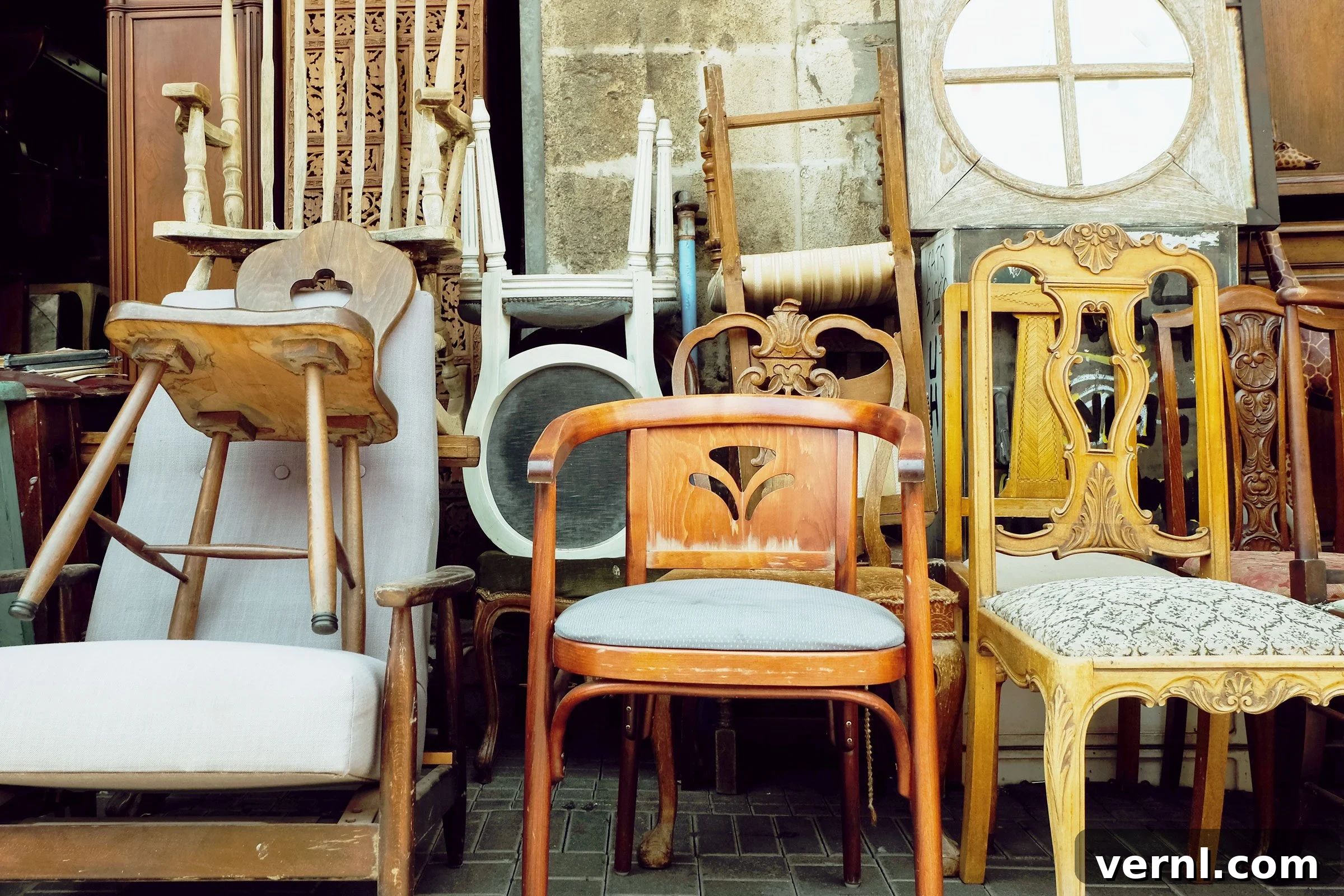
There's an undeniable charm that emanates from old furniture, a silent testament to stories untold and lives lived. Each scratch, fade, and patina hint at a rich history, sparking our imagination about who once owned it and the moments it witnessed. Sometimes, these intriguing questions find surprising answers, revealing a deeper connection to the past.
Marshall Young, a seasoned antique restorer, once experienced such a profound moment. While meticulously refinishing a chest of drawers with a unique butler drawer, he stumbled upon an old photograph of a young man. The chest's current owner immediately recognized him as his father. "Our customer was absolutely amazed by the transformation of the chest," Young recounts. "He remembered his father sitting there, meticulously worrying over bills. When we presented him with the photo we discovered, he broke into tears, a powerful connection forged across generations through a simple piece of furniture." This poignant discovery underscores the profound emotional value embedded within antique pieces, far beyond their material worth. If you're inspired to embark on your own restoration journey, perhaps starting with a smaller project like refinishing a table top can be incredibly rewarding. As an added bonus, here are some clever tricks on how to effortlessly fix a wobbly chair, a common issue with older pieces.
The satisfaction derived from restoring antiques is multifaceted. It's not just about aesthetics; it’s about preserving history, practicing sustainable living, and often, rekindling personal memories. However, embarking on a major restoration, such as reupholstering a couch, can indeed be a significant investment. Therefore, when contemplating whether a particular piece of furniture is worth restoring, it's crucial to weigh various factors. Consider its potential resale value, but also factor in intangible benefits, such as your personal attachment, its historical significance, and its environmental impact. Restoring an existing piece keeps it out of landfills and reduces the demand for new, resource-intensive manufacturing.
"Beauty truly lies in the eye of the beholder," says Peter Triestman of Olek, Inc., a renowned antique restoration company based in Orange, New Jersey. "Because of this inherent subjectivity, many of your furniture decisions will undoubtedly be guided by aesthetics and nostalgia. Yet, it's equally important to consider the environmental costs associated with purchasing new furniture and disposing of old items. The good news is that virtually any wooden piece of furniture is restorable. In fact, the older the piece, the more robust and repairable its construction often proves to be." Furthermore, before making any decisions, it's wise to understand how to properly assess which furniture pieces are truly worth keeping and, if necessary, how to responsibly dispose of unwanted furniture.
Can I Undertake DIY Antique Furniture Repair?
The question of whether an enthusiastic DIYer can successfully tackle antique furniture repair is a common one, and the answer, often, is yes, but with important caveats. Some projects are perfectly suited for a beginner, while others demand the precision and expertise of a professional.
"Many pieces, especially those that have been well-maintained, could simply benefit from a thorough cleaning and perhaps a fresh application of paste wax," advises Marshall Young, who operates Astonish Restoration in Roanoke, Virginia. Simple cleaning and polishing can often reveal the hidden beauty of an old piece, bringing its luster back to life without extensive work. This is an excellent starting point for anyone looking to dip their toes into furniture restoration.
However, the complexity escalates with larger repairs. Addressing issues like loose chair joints, for instance, requires a deep understanding of the original construction. It is absolutely vital to reassemble such pieces using the same methods and materials with which they were originally built. "There should never be a reason to resort to attaching screws, straps, wire, fiberglass, or even chewing gum – yes, we have regrettably witnessed repairs attempted with gum," Young emphasizes. The rationale behind this strict rule is simple: antique furniture was ingeniously designed with the technology and joinery techniques prevalent at its time of creation. Altering these foundational principles with modern, inappropriate fasteners will inevitably cause more structural harm than good, compromising the integrity and longevity of the piece. To truly restore and not just patch, you need to know how to reupholster a chair correctly, understanding the underlying framework.
Adhesives present another critical consideration in antique restoration. Before applying any new glue, it is paramount to meticulously scrape off all remnants of old adhesives. Furthermore, it's crucial to research and learn which types of glues were commonly employed during the period the furniture was crafted and then apply a similar, compatible type. Our experts unanimously agree that modern epoxy, superglue, and foaming polyurethane are almost never the best options for antique wood furniture. These glues can be irreversible, difficult to remove without damaging the wood, and may not react well with the existing wood fibers or historical finishes.
Before enthusiastically launching into any antique restoration project, especially a more challenging one, it's highly recommended to invest time in thorough research of historical techniques and appropriate materials. Consider practicing your newfound skills on less valuable items, perhaps "yard sale specials," where mistakes won't be as costly. "And make sure to acquire a collection of antique tools," Triestman suggests. "They are often surprisingly affordable, incredibly durable, and built to last indefinitely, offering a tactile connection to the craft." When faced with uncertainty or a particularly complex repair, always seek a professional's opinion first. Their expertise can save you time, money, and potential damage to a cherished antique.
Deciding When to Restore an Old Furniture Piece
According to the collective wisdom of Peter Triestman, Marshall Young, and Freddy Roman of The Furniture Repair Shop in Acton, Massachusetts, several key factors should be carefully considered when contemplating a furniture restoration project. Before you even think about sending your old furniture to the landfill, explore these inspiring upcycling furniture ideas that can breathe new life into cabinets, chairs, sofas, and much more, transforming them into unique statement pieces for your home.
Are you wondering what fate awaits that aged sofa, charming rocking chair, or sturdy old desk taking up space? Instead of discarding them, explore a compassionate alternative: donating. Check out this valuable collection of options to find where to donate furniture, allowing your beloved pieces to find a new purpose and bring joy to others.
Wooden Antique Furniture
Distinguishing a genuine antique wooden piece from a 20th-century reproduction is often a crucial first step in assessing its value and restoration potential. A simple but effective method, as Triestman advises, is to examine the drawers. If the dovetail joints exhibit uneven widths and hand-cut characteristics, it’s a strong indicator that you’re looking at a true antique, crafted before the advent of machine-cut precision.
"Currently, true antiques, particularly those 200 years or older, are often available for a bargain price, regardless of their original high-end status," observes Roman. "The surprisingly affordable prices of genuine antiques make you question why anyone would opt for mass-produced, factory-made furniture that lacks history and character." If restoration isn't in the cards, perhaps you're wondering how to responsibly get rid of old furniture.
Caned and Wicker Furniture
Caned and wicker furniture pieces, with their intricate weaves and delicate construction, often present unique restoration challenges. "The process of hand-caning and traditionally weaving seats can be exceedingly expensive," notes Young, due to the specialized skill and time required. "However, once again, the sentimental value attached to a piece can often outweigh its market value, making the investment worthwhile for cherished family heirlooms."
Restoration costs can be significantly reduced if the repair is accomplished using machined cane sheets, which offer a more uniform and quicker solution. Otherwise, Young explains, "It can be increasingly difficult to locate skilled craftspeople who still practice the art of hand-caning and traditional weaving. However, for those with dedication and patience, it is a rewarding skill one can certainly learn to master themselves, opening up a new world of textile restoration." Triestman offers a valuable tip for those attempting hand-caning: "Before soaking the caning material, add a tablespoon of glycerine per bucket of water. This simple addition helps keep the cane supple and much easier to work with, preventing brittleness and cracking."
Veneer Furniture
Veneer, often misunderstood and unfairly maligned, is in fact an extraordinary material that allows for incredible artistic expression and showcases the inherent beauty of various exotic woods from around the globe. "Veneer often gets an undeserved bad name," says Roman, "but in reality, it's an amazing technique that allows us to appreciate the exquisite patterns and grain lines of diverse wood species."
Accurately assessing veneer furniture involves considering both the quality of the substrate (the underlying wood) and, crucially, the thickness of the veneer itself. "Many historic antiques feature substantial veneers of considerable thickness, which a skilled restorer, or even a patient and understanding DIYer, can successfully repair," Roman advises. When undertaking veneer repair, ensure you acquire the appropriate cut and grain of veneer to match the existing piece seamlessly. Triestman emphasizes the importance of meticulous preparation: "Be absolutely certain to scrape out all traces of old, failing glue with a sharp chisel before carefully inlaying any new veneer elements. This ensures a strong, lasting bond and a flawless finish."
Upholstered Furniture
Tackling any upholstery project yourself is often far more challenging than it appears, typically requiring exceptional sewing skills, specialized tools, and a comprehensive understanding of traditional upholstery techniques. It can also be a surprisingly expensive endeavor, particularly if high-quality fabrics and padding are chosen.
"Upholstered pieces demand a significant amount of labor and specialized knowledge, especially when compared to the low prices of mass-produced contemporary furniture available today," explains Triestman. "Consequently, a reupholstered piece often holds little increased market value unless it originated from a renowned designer or possesses unique historical significance." However, a professionally reupholstered piece, built with quality materials and craftsmanship, is designed to outlast and outperform most contemporary furniture, offering superior comfort and durability for years to come. Here are some invaluable tips to rescue and reupholster your office chair, a manageable project for those looking to try their hand at upholstery.
Bent Plywood Furniture
Bent plywood furniture, known for its elegant curves and modernist appeal, typically requires the expertise of a professional for restoration. The complex lamination and molding processes involved in its original creation mean that repairs often go beyond the scope of a typical DIY enthusiast. To determine if a bent plywood piece is a worthy investment for professional restoration, begin by carefully assessing its overall construction quality. Then, gently stress the chair or table in areas prone to weakness to ascertain whether the layers of plywood are beginning to split apart.
"If you observe any splitting within the layers, it's a clear indication that the original glue is failing," warns Triestman, "and this degradation will only progress rapidly with continued use." He further explains a critical challenge: "It is simply not possible to apply new glue effectively over old, failing adhesive; the bond will not hold securely." Professionals use specialized presses and glues to repair delaminated bent plywood, a process that is difficult to replicate at home.
Mid-Century Modern Furniture
Mid-century modern furniture, with its iconic clean lines, functional design, and "less-is-more" aesthetic, continues to captivate enthusiasts and designers alike. "Currently, the inherent appeal of its simple, uncluttered forms resonates strongly with a wide audience," states Roman. To gain a deeper understanding of a particular piece's potential value, he strongly recommends researching the prominent designers and manufacturers of mid-century and Danish modern furniture. Brands like Herman Miller, Knoll, and designers such as Eames, Saarinen, and Wegner often command high values.
"That said," Roman adds, "simply encountering a piece crafted from rosewood often serves as an immediate indicator of its exceptional quality and inherent value." The rich grain and density of rosewood were favored for high-end pieces during this era. Restoration of mid-century modern furniture often focuses on preserving original finishes and structural integrity, as these pieces are highly prized for their authenticity.
Painted Furniture
Often, a layer of paint on an old piece of furniture conceals a treasure trove of beauty beneath. "There is almost always more value hidden underneath the paint," asserts Roman. "It's astonishing what people choose to paint these days, sometimes covering exquisite wood grains or historically significant finishes. There are still countless treasures out there, patiently waiting to be discovered and revealed." The process of carefully stripping paint can unveil stunning natural wood, intricate detailing, or even original, well-preserved finishes. "And fundamentally, everything made of wood can be repaired," Roman passionately states. "It's wood, after all, and it literally grows on trees – a renewable resource that responds beautifully to skillful restoration."
Beyond the tangible rewards, there's always the thrilling possibility that a furniture repair project will unearth a lost gem of humanity – a forgotten note, a hidden inscription, or a small artifact that connects us directly to the past. It's precisely this potential for discovery and transformation that makes flipping furniture such a captivating and rewarding hobby or pastime for countless individuals.
"My absolute favorite stories always revolve around the delightful, often surprising things we discover hidden inside pieces, or perhaps inscriptions written discreetly on them," Young fondly shares. "We once had a small table that belonged to our customer when she was a little girl. Tucked away on the bottom, we found a charming, handwritten note from her childhood, declaring, 'I am so mad at mommy. She won't let me go over to Patti's. But I love my daddy!' These small, personal glimpses into history truly make every restoration project unique and incredibly special."