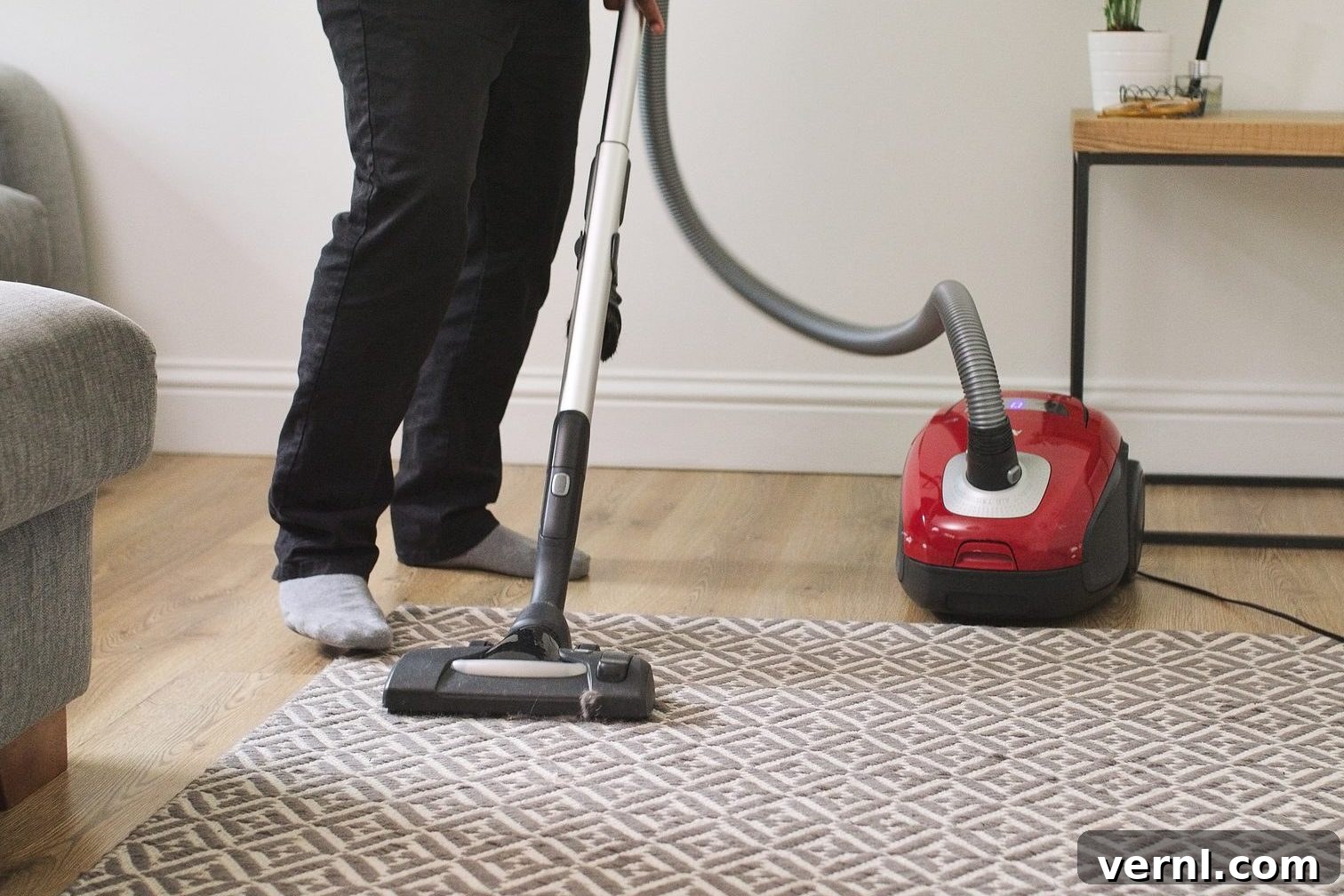
Your home’s carpet is more than just a floor covering; it’s a significant investment that plays a crucial role in your interior design, comfort, and overall indoor air quality. However, carpets are also highly susceptible to daily wear and tear, primarily from dirt and abrasive particles. Visualize dirt as countless microscopic blades, each poised to cut and damage carpet fibers. With every step you take across a dirty carpet, these sharp dirt particles are ground against the yarn, creating tiny nicks and weakening the individual strands. That accumulation of “fuzz” you often find mixed with dirt in your vacuum cleaner bag is, unfortunately, a visible testament to your beautiful carpet gradually being worn away, one fiber at a time.
This continuous abrasive action caused by embedded dirt leads to a noticeable dulling of the carpet’s natural sheen. This is the primary reason why high-traffic zones, such as hallways and living areas, typically appear much duller and more lifeless than less-frequented parts of your carpet. Over time, the relentless grinding of dirt doesn’t just dull; it physically wears away the fibers, causing them to mat down, lose their resilience, and become significantly more prone to staining. A dull, matted, and stained carpet diminishes the aesthetic appeal of your home and can harbor allergens and dust, affecting the health of your indoor environment. By diligently following these expert tips on how to clean and disinfect your carpet, you can ensure it remains as dirt-free and vibrant as possible, preserving its beauty and extending its lifespan for years to come.
Beyond regular cleaning, addressing structural issues like wrinkles can also dramatically improve your carpet’s longevity and appearance. Learn how to remove wrinkles in carpeting to maintain a smooth, pristine floor surface.
Mastering Dirt Control: Essential Strategies for Carpet Longevity
The most effective way to protect your carpet investment is to prevent dirt from becoming embedded in the first place. Proactive measures and consistent cleaning habits are far more beneficial than reactive efforts to deep clean heavily soiled carpets. By integrating these practices into your routine, you can significantly reduce wear, maintain your carpet’s aesthetic appeal, and prolong its life.
Implement a Consistent and Thorough Vacuuming Schedule
Regular vacuuming stands as the foundational pillar of effective carpet maintenance. To provide optimal protection against abrasive dirt, it is crucial to establish and adhere to a consistent vacuuming schedule. Prioritize entrance areas, hallways, and other high-traffic zones by vacuuming them at least twice a week. The remaining carpeted areas of your home should receive a comprehensive vacuuming session no less than weekly. Before you even engage your vacuum, consider utilizing a carpet rake. This simple yet powerful tool helps to agitate and lift deeply embedded soil, pet hair, and compacted debris from the carpet fibers. This pre-treatment step is invaluable as it breaks up stubborn gunk, making your vacuum cleaner significantly more efficient in its dirt extraction. It’s important to remember that oily soils tend to attract more oily soils, creating a cycle of accumulation. Frequent and meticulous vacuuming interrupts this cycle, drastically reducing soil buildup and preventing the irreversible dulling of your carpet’s vibrant appearance.
For peak performance, refine your vacuuming technique. Instead of quick, superficial passes, move your vacuum cleaner slowly and deliberately over the carpet. This allows ample time for the vacuum’s brush roll to agitate the fibers and for the suction to effectively draw out embedded particles. Employ overlapping strokes to ensure no area is overlooked, and consider making two passes over high-traffic areas – one in each direction – to maximize soil removal. Furthermore, ensure your vacuum’s height setting is appropriate for your carpet’s pile type; a setting that is too low can strain the motor and potentially damage fibers, while one that is too high will diminish suction power.
Optimize Vacuum Performance with Clean Bags and Filters
The overall cleaning efficiency of your vacuum cleaner is directly linked to the condition of its bag or filter system. A dirty, full bag, a clogged dirt cup, or an obstructed filter can severely impede your vacuum’s suction power, often reducing it by up to 50 percent. This reduction not only renders your cleaning efforts less effective but also places undue strain on the vacuum motor, potentially shortening its operational lifespan. For modern bagless vacuums, inadequate filter maintenance is the most common reason for a decline in suction. It is imperative to replace or thoroughly wash (if designed to be washable) these filters every three months, or even more frequently if your household includes pets or experiences higher levels of dust and allergens. For traditional bagged vacuums, replace the bag once it reaches approximately three-quarters full. Delaying replacement until the bag is completely full significantly restricts airflow and suction, forcing your vacuum to work harder for diminishing returns. Committing to a fresh bag or a pristine filter ensures your vacuum operates at its maximum capacity, leading to more productive cleaning sessions and noticeably cleaner carpets.
Employ the Correct Vacuuming Speed for Deep Dirt Extraction
A common misconception in carpet cleaning is that rapid, numerous passes equate to superior cleanliness. However, the true secret to effective dirt removal lies in the deliberate speed of your vacuuming passes. To thoroughly extract as much ground-in dirt as possible, it is essential to vacuum slowly and methodically. For areas with minimal foot traffic, a single, steady pass might suffice to collect surface debris. Conversely, for high-traffic zones, which are breeding grounds for deeply embedded soil, it is crucial to perform two slow, overlapping passes. This patient approach provides the necessary time for the vacuum’s powerful brush roll to agitate the carpet fibers more deeply and for the suction mechanism to draw out stubborn, ingrained particles. Studies confirm that two deliberate, slow passes are far more effective at removing entrenched dirt than several quick, superficial sweeps. This mindful strategy ensures that your cleaning efforts penetrate beyond the surface, actively combating the abrasive dirt that deteriorates carpet fibers over time.
Strategic Use of Walk-Off Mats: Your First Line of Defense
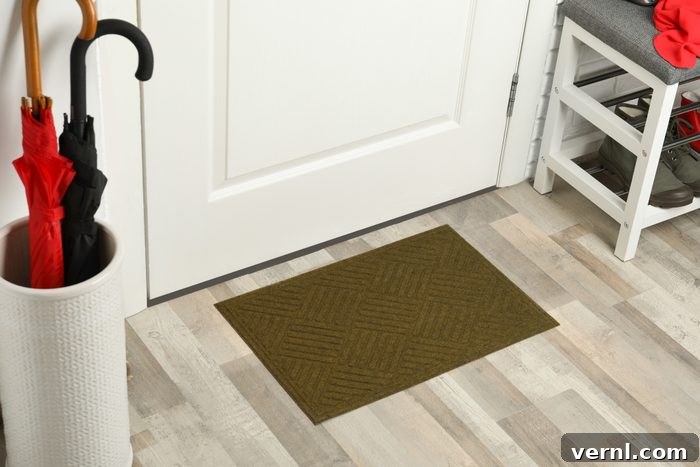
One of the most straightforward yet profoundly effective strategies for preventing dirt and debris from infiltrating your carpets is the strategic placement of walk-off mats both outside and inside all entry points. Exterior mats, typically characterized by their coarse texture and robust construction from materials like rubber or coir, are specifically designed to scrape off larger pieces of soil, mud, and other particulate matter from footwear before anyone steps inside. These mats serve as a critical initial barrier, dramatically reducing the volume of tracked-in dirt.
Equally important are the indoor mats, which should be positioned immediately inside each doorway. These interior mats should possess high absorbency, ideally crafted from materials such as cotton, microfiber, or nylon, to effectively capture residual moisture, fine dust, and any remaining grime that might have bypassed the outdoor mat. By implementing this two-stage mat system, you establish a formidable defense against tracked-in pollutants, thereby keeping your carpets significantly cleaner. This proactive approach not only preserves the appearance of your flooring but also reduces the frequency and intensity of the deep cleaning required, simplifying your overall carpet maintenance regimen in the long run. To maintain their effectiveness, ensure these mats are regularly shaken, vacuumed, or laundered as appropriate.
Navigating Professional Carpet Cleaning Services: A Wise Investment
While diligent routine maintenance is undeniably vital, there comes a point when your carpets require a level of cleaning that surpasses the capabilities of household equipment. This is where the expertise and specialized tools of professional carpet cleaning services become indispensable. The vast majority of reputable carpet manufacturers, particularly for synthetic fiber carpets, advocate for professional hot water extraction as the premier cleaning methodology. Though often mistakenly referred to as “steam cleaning,” this technique does not actually involve steam. Instead, it employs a sophisticated process where the carpet is first pretreated with a specialized detergent solution designed to emulsify and loosen deeply embedded dirt, oils, and grime. Subsequently, a highly heated rinse solution is forcibly injected into the carpet fibers under high pressure, immediately followed by its extraction using industrial-strength vacuum suction. When executed correctly by a certified professional, this method achieves an exceptionally deep clean, effectively removing allergens, dust mites, stubborn greasy residues, and deeply ingrained soil without leaving behind any sticky soap residues that could attract new dirt.
It is important to understand the limitations of consumer-grade equipment. While a rented or purchased carpet-cleaning machine can effectively address surface dirt and provide a refreshing clean for light soiling, it generally lacks the robust power and specialized equipment required for truly deep extraction. The thorough removal of microscopic allergens, fine particulate dust, and tenacious greasy residues necessitates the powerful machinery, precise cleaning agents, and extensive training that professional technicians possess. Consequently, the most effective long-term strategy often involves a synergistic approach: combining regular DIY cleaning, utilizing your own or rented machines for routine refreshes, with professional cleaning scheduled every 12 to 18 months. This balanced strategy ensures that your carpets receive comprehensive care, striking an optimal balance between cost-effectiveness and the profound benefits of professional deep cleaning.
Decline Phone Bids: Insist on an In-Home Assessment
When considering professional carpet cleaning services, exercising extreme caution is crucial, particularly regarding initial quotations. A truly reputable and high-quality professional will never provide a definitive bid over the telephone. Instead, they will rightfully insist on conducting a thorough in-home inspection. This essential step allows the technician to accurately evaluate several critical factors: the precise square footage of the carpeted areas to be cleaned (moving beyond a vague room count), the specific type of carpet fibers (which dictates the most appropriate and safe cleaning solutions and methods), the overall condition of the carpet (including the severity of soiling and the presence of any pre-existing stains or damage), and any areas that may require specialized attention. Based on this comprehensive, on-site assessment, a trustworthy professional will then furnish a detailed, written estimate clearly outlining the scope of work and all associated costs. Furthermore, a hallmark of a reliable service provider is the offering of client references and a written guarantee for their work, ensuring both accountability and your peace of mind. Be extremely wary of any service that attempts to quote a price without physically inspecting your carpets, as this often foreshadows hidden fees, subpar service quality, or a lack of professionalism.
Exercise Caution with “Discount” Carpet Cleaners
The enticement of incredibly low-priced carpet cleaning services, frequently advertised with tempting offers like “three rooms for $50,” can be compelling. However, these so-called “discount” providers typically operate on a volume sales model rather than focusing on building enduring client relationships or delivering genuine quality. Their operational approach often involves a superficial, hurried cleaning process: they will apply a basic soap solution to your carpet, perform a swift pass with their extractor to remove some water, and then depart within a mere 30 minutes. The critical flaw in this method is the inadequate rinsing. These services routinely leave behind a significant amount of sticky soap residue within the carpet fibers. This residue acts as a powerful magnet for new dirt, causing your carpet to re-soil at an accelerated rate, which paradoxically leads to more frequent cleaning needs and higher costs in the long run.
Moreover, these seemingly attractive low-ball offers are frequently a “bait-and-switch” tactic. Their primary objective is to gain entry into your home, where they can then aggressively upsell you on expensive “add-ons” such as specialized spot removal, deodorizers, or protective treatments—services that reputable, quality professionals often include as part of their standard, comprehensive package or offer at transparent, justifiable rates. To circumvent potential disappointment, unnecessary expenses, and even irreversible carpet damage, it is prudent to approach such deeply discounted deals with a healthy degree of skepticism.
The Principle of Value: You Get What You Pay For
In the realm of professional carpet cleaning, the enduring adage “you get what you pay for” truly encapsulates the reality of service quality. High-caliber professionals meticulously calculate their charges based on a thorough assessment that includes the specific type of carpeting (e.g., delicate wool versus robust synthetic fibers), the full array of services you require (ranging from basic cleaning to specialized stain treatments, pet odor remediation, or protective coatings), and the overall size and current condition of the area to be cleaned. Their cleaning process is characterized by its meticulousness and thoroughness, typically encompassing a pre-vacuuming stage, targeted pre-treatment of soiled areas, gentle agitation to loosen dirt, a powerful hot water extraction, and a final post-cleaning inspection. This comprehensive and detailed process can realistically take anywhere from one to three hours, or even considerably longer for larger or more heavily soiled environments. This time investment directly reflects the advanced equipment, specialized expertise, and diligent effort dedicated to achieving a superior, long-lasting clean. Opting for a reputable, higher-priced service is an investment that yields a deeper, more enduring clean, protects your carpet’s integrity, and contributes to a healthier home environment, making it a truly worthwhile expenditure.
Empowering Yourself: Effective DIY Carpet Cleaning Techniques
While professional carpet cleaning consistently delivers unparalleled results, it’s not always the most practical or necessary solution for every cleaning cycle. For many homeowners, the most balanced and cost-effective strategy involves alternating between thorough DIY cleaning efforts and periodic professional services. You can achieve remarkably impressive results with consumer-grade “steam” cleaning machines, provided you fully understand their correct operation and are prepared to dedicate the necessary time and precision to the cleaning process.
Deciding Between Renting or Buying a DIY Carpet Cleaner
When embarking on a DIY deep carpet cleaning project, you essentially have two primary equipment options: renting a machine or purchasing one. Rental machines are widely accessible at most major grocery stores, home improvement centers, and hardware stores. A valuable tip for renters: if you arrange to pick up a rental machine late in the day, many establishments offer a reduced half-day rate and permit you to retain the machine until the following morning. This extended rental period provides ample time to complete your cleaning tasks without feeling rushed. It’s important to note that the specialized detergent solution is typically an additional cost. When mixing, adhere strictly to the dilution instructions provided by the manufacturer—a general guideline suggests using a tablespoon or less of detergent per gallon of water to prevent oversaturation and unsightly residue buildup.
Should you prefer the convenience and readiness of owning your own “steam” cleaning machine, the market offers a wide range of models with varying price points, generally from $60 to over $300. Higher-priced units often feature more robust water jets and stronger suction capabilities, and some even incorporate an internal heating element to maintain optimal hot water temperatures throughout the cleaning process, which significantly enhances cleaning efficacy. However, consumer reviews for these machines can be quite varied, and certain models have been noted for their susceptibility to mechanical breakdowns. Before committing to a purchase, conducting extensive online research (by searching terms like “best carpet cleaning machines” or “carpet cleaner reviews” in your browser) is highly recommended to compare features, scrutinize user experiences, and assess overall reliability.
Both rental and purchased machines offer distinct advantages. Most rental units are typically heavier, equipped with larger water tanks, and feature wider cleaning wands, making them exceptionally well-suited for tackling expansive areas and heavily trafficked zones. In contrast, owned models are usually more compact, lightweight, and portable, rendering them easier to store and maneuver. Their smaller footprint makes them ideal for targeted spot cleaning, quick clean-ups, and navigating challenging areas such as stairs or tight spaces where larger rental units might prove unwieldy.
The Proactive Approach: Clean Your Carpet Before It’s Filthy
One of the most fundamental principles of effective carpet care is proactive cleaning rather than reactive remediation. It is far more advantageous to clean your carpet before it shows obvious signs of heavy soiling. The necessary frequency of deep cleaning is directly correlated with the type and volume of traffic your carpet endures; factors such as having young children, pets, or frequently hosting guests will naturally necessitate more frequent attention. A practical indicator that your carpet is due for a deep clean is when its color begins to appear dull or muted, even after your regular vacuuming routine. Postponing cleaning until the carpet is heavily soiled or “filthy” will exponentially increase the difficulty of the task, demand significantly more time and effort, and potentially result in higher costs if you ultimately opt for professional services. Embracing a proactive cleaning schedule not only preserves your carpet’s pristine appearance but also renders the entire cleaning process considerably more efficient and less arduous.
The Non-Negotiable Step: Thorough Vacuuming Before and After Wet Cleaning
For any wet carpet cleaning method to yield optimal results, meticulous vacuuming both before and after the wet process is absolutely essential. Prior to introducing any moisture to your carpet, conduct a thorough and meticulous vacuuming of the entire area. This initial dry vacuuming is critical for removing loose dirt, accumulated dust, pet hair, and larger soil particles. Failing to remove these dry contaminants can lead to them turning into a muddy, streaky residue when wet, thereby reducing the effectiveness of your deep clean and potentially leaving unsightly marks. After you have completed the wet cleaning and the carpet has had sufficient time to completely dry, it is imperative to vacuum the area once more. This second, post-drying vacuuming serves a crucial purpose: it effectively collects any soil or residue that may have “wicked” up to the carpet surface during the drying process. As moisture evaporates, it often draws embedded dirt upwards, and a final dry vacuuming ensures these newly surfaced particles are removed, leaving your carpet truly clean, refreshed, and free from re-soiling.
Targeted Treatment: Pretreat Stains and High-Traffic Areas
To achieve a uniformly clean carpet and effectively tackle stubborn spots and heavily soiled regions, pretreating is an indispensable step. Before commencing your general carpet cleaning routine, meticulously identify all high-traffic areas, heavily soiled spots, or specific stains that require extra attention. In a spray bottle, prepare a solution by mixing a single drop of a mild liquid detergent (or a specialized carpet pretreat solution designed for your carpet type) with hot water. Lightly mist these targeted dirty areas, taking care not to oversaturate the carpet. Allow this solution to sit and penetrate the carpet fibers for approximately 5 to 10 minutes. This crucial dwell time permits the detergent to actively break down and loosen embedded dirt, grime, and oils, making it significantly easier for your carpet cleaner to extract them effectively during the main cleaning phase. For specialized, tough stains such as wax, it’s advisable to consult dedicated guides that explain how to get wax out of your carpet prior to any general cleaning.
Protect Your Valuables: Remove or Elevate Furniture
Before you initiate any wet carpet cleaning process, it is absolutely essential to take precautions to protect your furniture and prevent potential damage or unwanted stains. The ideal scenario involves completely removing all furniture from the rooms you intend to clean. However, if certain pieces are too heavy, bulky, or cumbersome to relocate, you must implement protective measures. Place aluminum foil squares, sturdy wood blocks, or protective plastic film underneath and around the legs of all stationary furniture. This barrier serves to prevent several common issues: rust from metal casters can easily transfer to damp carpet, leaving unsightly and often permanent orange stains; similarly, finishes and paints from wooden or upholstered furniture legs can bleed or transfer onto wet carpet, causing stubborn discoloration. By meticulously isolating your furnishings from direct contact with the damp carpet, you effectively safeguard both your valuable furniture and your freshly cleaned floors from preventable and potentially irreversible damage.
Prevent Oversaturation: The Key to Quick Drying and Healthier Carpets
One of the most prevalent and detrimental mistakes in DIY carpet cleaning is oversaturation. While rental and consumer-grade DIY machines are capable of applying cleaning solutions, many do not possess the industrial-grade suction power found in professional equipment to extract moisture thoroughly. Oversaturating your carpet not only dramatically prolongs drying times but also creates an ideal, humid breeding ground for mold, mildew, and the development of unpleasant, musty odors. To circumvent these issues, it is imperative to adhere strictly to a controlled pass method: make only one slow, even pass with the soap and water solution, ensuring adequate but never excessive coverage. Follow this with a single pass using a neutralizing rinse solution (if your machine is equipped with this feature, or simply plain water). Crucially, conclude the process by making two or three additional “drying” passes with the water solution turned off, relying solely on the machine’s powerful suction to extract as much residual moisture as possible. This meticulous approach significantly minimizes drying time and prevents common problems associated with prolonged carpet dampness.
Crucial Step: Ensure Thorough Drying to Prevent Mold and Odors
The drying phase of carpet cleaning is just as critically important as the cleaning phase itself. Leaving carpets damp or wet creates a perfect, hospitable environment for the rapid proliferation of mold and mildew, which can lead to persistent musty odors, potential health issues for occupants, and even structural damage to the carpet backing and underlying subfloor. Therefore, after you have completed the wet cleaning and extracted as much moisture as your machine allows, take proactive and aggressive steps to accelerate the drying process. Open windows widely to maximize natural air circulation, deploy multiple fans (strategically positioning box fans to blow directly across the carpet surface is highly effective), or utilize a dehumidifier to actively remove excess moisture from the ambient air. If your home is equipped with air conditioning, setting it to a moderate temperature (typically between 72 to 78 degrees Fahrenheit) can also significantly aid in reducing overall humidity levels. Under no circumstances should you replace furniture or allow any foot traffic on the carpet until it is completely dry to the touch, both on the surface and deep within the fibers. While typical drying times can range from six to eight hours, this period can extend up to 12 hours or even longer, depending on the environmental humidity, carpet thickness, and ventilation effectiveness. Patience during this critical stage is paramount for achieving a truly successful, odor-free, and healthy clean.
Immediate Response: Mastering Effective Stain Removal Techniques
Despite the most diligent cleaning routines and preventative measures, spills and accidental stains on your carpet are, regrettably, inevitable occurrences in any busy household. The absolute key to successful stain removal lies in taking immediate action and employing the correct, gentle techniques. A fresh stain is significantly more manageable and amenable to removal compared to one that has been allowed ample time to set and chemically bond with the carpet fibers.
Avoid Digging or Scooping Food Spills Directly
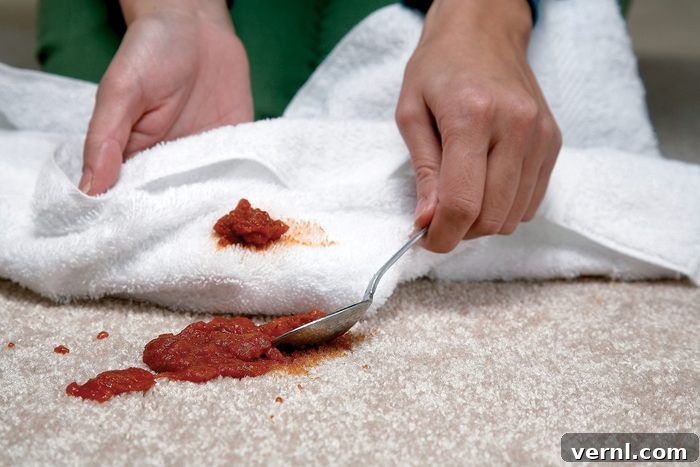
When confronted with a food spill on your carpet, your natural instinct might be to vigorously dig or scoop the material away. However, this common reaction can be counterproductive and even detrimental, potentially forcing the staining substance deeper into the carpet fibers and inadvertently spreading it across a larger area, thereby making the stain significantly more challenging to remove. Instead, if there are solid or semi-solid particles atop the spill (such as fragments of food, clumps of mud, or thick sauces), use a spoon or a dull knife to carefully and gently scrape the material towards the very center of the spill. As you meticulously gather these solids, transfer them onto a clean, white towel or several layers of paper towel. Once the bulk of the solid material has been judiciously removed from the surface, you can then proceed to treat the residual stain using appropriate and gentle cleaning methods.
Employ a Shop Vacuum for Immediate Wet Spill Extraction
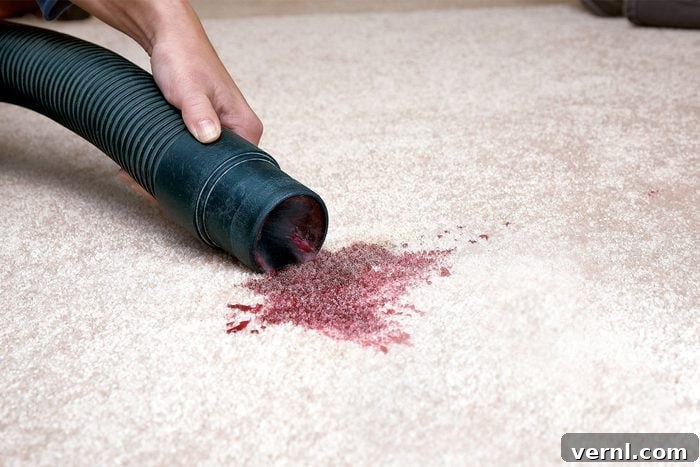
For significant liquid spills, such as overturned beverages, pet accidents, or other fluid mishaps, a shop vacuum (also widely known as a wet/dry vacuum) proves to be an exceptionally invaluable tool for immediate and substantial liquid extraction. Its powerful suction capabilities are specifically engineered to handle liquids without risking damage to the motor, a critical distinction from standard household vacuums. Position the nozzle directly over the wet spill and continue vacuuming until you observe that no more liquid can be effectively removed. The primary objective at this initial stage is to extract as much of the liquid as possible before it has the opportunity to fully saturate the carpet padding or dry, which would make subsequent cleaning efforts far more arduous. If the spill involved a colored liquid, even after thorough vacuuming, it is crucial to subsequently treat the affected area as a stain, employing appropriate spot cleaning methods to address any residual discoloration or lingering odor.
The Golden Rule: Act Quickly to Remove Stains
When it comes to carpet stains, time is undeniably of the essence. If you are able to address a stain immediately after it occurs, your probability of achieving complete removal escalates dramatically, often reaching an impressive 99 percent success rate. The longer a staining substance is allowed to dwell and chemically react with the carpet’s delicate fibers and dyes, the more deeply entrenched it becomes, making its removal progressively more difficult—and, in some cases, entirely impossible. Fresh spills are predominantly superficial, resting on the carpet’s surface, and have not yet had the opportunity to dry, oxidize, or fully bond with the carpet fibers. Therefore, always prioritize immediate action: the moment a spill happens, momentarily set aside other tasks and attend to it without delay. This swift response is unequivocally the single most influential factor in achieving effective and complete stain removal.
Begin with the Simplest Solution: Try Plain Water First
Remarkably, a substantial percentage—up to 80 percent—of common household stains can be effectively treated and removed using nothing more than plain tap water. This makes water your absolute first line of defense, as it is the gentlest, safest, and least likely cleaning agent to cause damage or leave behind undesirable residues. To tackle a fresh stain with water, initiate the process by firmly pressing a clean, dry, white cloth directly over the stained area to absorb as much of the liquid spill as possible. Repeat this blotting motion, continuously moving to fresh, dry sections of the cloth, until no more liquid transfers from the carpet. Next, lightly dampen a separate clean, white towel with plain water and gently work the water into the stain. Follow this immediately with repeated blotting using a fresh, dry section of the towel. Continue this methodical process of dampening and blotting, replacing your cleaning cloths as they become soiled, until the stain is visibly gone. For particularly stubborn spots that plain water alone cannot conquer, consider consulting reliable online resources such as the “spot solver” provided by The Carpet and Rug Institute (CRI), the reputable trade organization representing carpet manufacturers. They often offer specific, vetted solutions for various stain types. Should the treated area become excessively wet during this process, utilize a fan to help expedite the drying.
Blot, Don’t Rub or Scrub: Preserve Your Carpet’s Integrity
It is an extremely common, yet highly damaging, mistake to vigorously rub or scrub a carpet stain. This aggressive action can inflict irreversible damage upon your carpet’s delicate structure. Scrubbing forcefully can fray, distort, or permanently damage the individual carpet fibers, resulting in a fuzzy, matted, or visibly altered area that stands out even after the stain itself has been removed. Furthermore, scrubbing often spreads the staining substance further across the carpet, pushing it deeper into the carpet backing and inadvertently creating a larger, more entrenched problem. Therefore, always employ a gentle blotting motion, working meticulously from the outer edge of the stain inward towards its center. This critical technique helps to contain the stain within its original boundaries, preventing its spread, and effectively transfers the staining agent from the carpet fibers onto your cleaning cloth. Patience and gentle blotting are far superior and significantly more fiber-friendly than any form of aggressive scrubbing.
Embrace Patience: A Virtue in Stain Removal
Achieving successful stain removal often demands a considerable degree of persistence and patience. It is exceedingly rare for a stubborn stain to vanish with a single blot or a single application of a cleaning solution. Instead, you should anticipate engaging in a repeated cycle of gently working water (or your chosen mild cleaning solution) into the spill, allowing it a brief moment to penetrate, and then thoroughly blotting it with a clean, dry cloth. Continue this methodical process, ensuring you use fresh, clean sections of your cloth for each blotting action, until the stain is completely gone and all the applied moisture has been absorbed from the carpet. Resist the strong urge to rush the process or resort to aggressive scrubbing; gentle, consistent, and patient effort is unequivocally the most effective approach. If you maintain patience and diligence throughout this repetitive process, you will almost invariably be able to remove the stain effectively, restoring your carpet’s pristine appearance.
For Tougher Spots: Consider Vinegar or Club Soda
If plain water alone proves insufficient in tackling a particularly stubborn stain, consider escalating your approach to slightly stronger, yet still relatively mild and non-damaging, household solutions before resorting to harsh commercial chemical products. A simple, often highly effective, solution is a mixture of equal parts white vinegar and water. White vinegar acts as a mild acid that can help break down certain types of stains and is also beneficial for neutralizing odors. Alternatively, club soda, with its effervescence and mild acidity, can also be surprisingly effective at lifting fresh stains from carpet fibers. Apply either solution gently with a damp, clean cloth, allow it to dwell on the stain for a few minutes to work its magic, and then blot thoroughly, repeating the process as needed. These natural alternatives are generally considered safe for the majority of carpet types, but as a precautionary measure, always conduct a small test on an inconspicuous area first, especially on colored carpets, to ensure colorfastness.
Crucial Step: Always Test Commercial Products First
When water, vinegar, or club soda do not suffice to remove a stubborn stain, commercial carpet-cleaning products can indeed be highly effective. However, their use mandates extreme caution. Certain commercial products contain harsh chemicals that can, paradoxically, cause the carpet to re-soil faster (due to sticky residues they leave behind), or, more severely, permanently damage the carpet’s delicate color, texture, or backing material. Before applying any commercial product to a visible stain, it is absolutely imperative that you always test it first on an inconspicuous area of your carpet—perhaps inside a closet or beneath a piece of heavy furniture. Apply a minimal amount, allow it to sit for the recommended duration specified on the product label, and then blot it dry. Carefully check the tested area for any adverse reactions such as color fading, discoloration, changes in fiber texture, or any other form of damage. For a curated list of carpet manufacturer-approved spot and stain cleaners, always consult the online resources provided by The Carpet and Rug Institute (CRI). By using only tested and approved products, combined with prior spot testing, you significantly minimize the risk of unintended damage to your valuable carpet.