

In the intricate landscape of building safety and compliance, fire watch guards serve as an indispensable last line of defense. Their critical role emerges when a building’s automated fire protection system experiences an impairment or goes offline, ensuring the safety of occupants and property. Tasked with meticulously assessing properties for potential fire risks, identifying hazards, and maintaining an vigilant eye, these dedicated professionals prevent oversights that could lead to catastrophic consequences. This vital human element in fire safety is now at the cusp of a significant transformation, as Artificial Intelligence (AI) increasingly integrates into day-to-day operational processes. With the demand for robust fire safety measures intensifying across the U.S., service providers are actively seeking innovative, smarter methodologies to effectively manage the growing operational pressures.
The past few years have witnessed a notable surge in the need for professional fire watch services. This escalating demand can be attributed to a confluence of challenges mirroring those seen across other critical infrastructure sectors: the prevalence of aging buildings requiring more frequent maintenance and system checks, disruptions in global supply chains that delay crucial repairs and part replacements, and significantly tougher enforcement of modern fire codes. From bustling office towers and expansive residential complexes to large-scale warehouses and active construction sites, a diverse array of properties now consistently relies on highly trained fire watch guards to bridge the safety gap when their primary fire protection systems are not fully operational or are undergoing maintenance. However, this traditional yet essential service is now experiencing a paradigm shift, as advanced technology – particularly AI – begins to reshape its management and delivery.
The Growing Operational Pressures on Fire Watch Guards
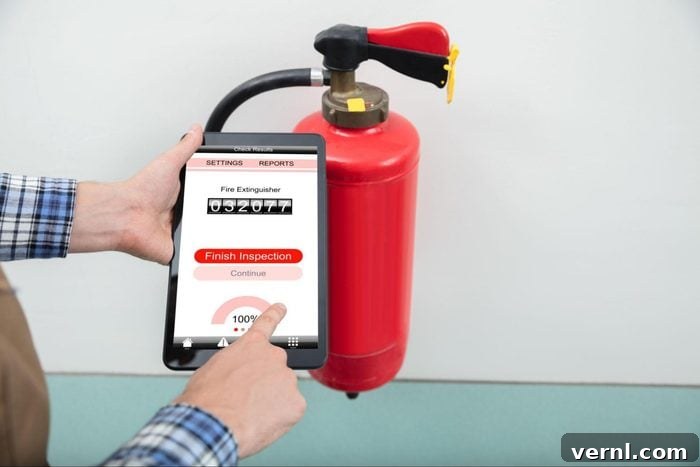
The responsibilities of a fire watch guard extend far beyond simple observation. The role demands rigorous adherence to tight check-in schedules, proactive identification of potential hazards such as blocked exits or improperly stored flammable materials, meticulous documentation of every detail observed, and ensuring that all log entries are comprehensive and accurate enough to satisfy the stringent requirements of local fire marshals and insurance auditors. This intricate blend of active surveillance and detailed administrative work poses considerable challenges, especially in today’s demanding environment.
Managing fire watch operations in expansive properties or densely populated urban centers is particularly complex. Guards often face the overwhelming task of covering multiple vast patrol zones, coordinating shifts seamlessly, and accurately tracking every incident using antiquated paper-based logging systems. Meanwhile, local fire departments nationwide are reporting an increased volume of calls related to fire protection system breakdowns. This trend means that more buildings are temporarily left without automated protection, placing a greater reliance on human fire watch personnel to maintain safety standards. Simultaneously, fire safety regulations remain as stringent as ever, if not more so. A single missing log entry, an inconsistency in reporting, or an illegible handwritten note can easily delay an inspection for days, leading to costly disruptions and potential penalties. The traditional, manual system—heavily reliant on handwritten notes, phone calls, sticky notes, and laborious manual scheduling—is increasingly struggling to keep pace with these escalating demands, highlighting an urgent need for modernization within the industry.
Revolutionizing Fire Watch with Artificial Intelligence
To proactively address these burgeoning challenges and enhance operational efficiency, pioneering companies like The Fast Fire Watch Co. have begun to strategically integrate Artificial Intelligence into their backend operations. This innovative approach leverages AI to streamline critical administrative tasks such as optimizing patrol scheduling, managing complex dispatches, and organizing the vast quantities of compliance paperwork that are inherent to the industry. The Fast Fire Watch Company, headquartered in Boca Raton, Florida, stands as a prime example of an early adopter, having successfully rolled out AI-driven dispatch systems. These systems are designed to ensure schedules are meticulously optimized, report formats are standardized for consistency, and all records are complete, accurate, and easily accessible.
It is crucial to understand that these AI tools are not intended to replace human fire watch guards on patrol. The human element remains absolutely indispensable for on-the-ground decision-making, the nuanced identification of real-world hazards, and immediate, adaptive reactions in dynamic emergency situations. Instead, AI steps in to manage the extensive administrative and logistical burden. This includes everything from intelligently managing schedules and collecting critical operational data to flagging missing information in reports and ensuring all documentation meets regulatory standards. By automating these time-consuming processes, AI liberates human guards to focus their expertise and attention on the most critical aspects of their job: active surveillance and rapid response.
AI-powered platforms significantly improve reporting and recordkeeping by minimizing common issues such as unclear handwriting, incomplete entries, or missing details. Features like mandatory fields for critical data, automated time stamps for every entry, and standardized templates help ensure that patrols are documented with unparalleled consistency and accuracy. This not only streamlines the reporting process but also drastically reduces the potential for human error. Furthermore, scheduling represents another major area of improvement. AI algorithms can rapidly analyze factors such as guard availability, specific property requirements, geographical location, and the urgency of a particular request—all within seconds. This allows the system to recommend the most suitable guard for each job, significantly reducing deployment delays, especially during periods of high demand or emergency situations. Industry analysts agree that these advancements, though seemingly quiet, represent a substantial and necessary step forward for an industry that has long been due for a technological upgrade.
Enhanced Compliance and Smoother Inspections with AI
Fire watch records are far more than just internal checkboxes; they serve as fundamental anchors for compliance efforts and are frequently the decisive factor between swift system restoration and prolonged, costly building shutdowns. Historically, the weakest links in this chain have consistently been human errors: overlooked entries, illegible handwriting, or critical logs misplaced in the administrative shuffle. In highly regulated environments such as fire safety, even minor discrepancies or errors can precipitate major headaches, leading to delays, fines, and reputational damage.
AI-backed platforms are engineered to meticulously tighten these compliance processes. They proactively prompt guards to complete every required field, ensure all data is logically organized, and securely store every piece of information in a centralized, easily retrievable digital repository. This means that inspectors or compliance officers can access comprehensive records in mere seconds, rather than sifting through stacks of paper. For large, complex, or particularly busy facilities, this efficiency translates into completing an entire inspection process in a matter of hours instead of several arduous days. The ability to present impeccably organized, fully compliant, and readily verifiable records significantly streamlines regulatory oversight, fosters trust with authorities, and ultimately contributes to faster system restoration and minimal operational disruption.
Why Modernization is Imperative Now for Fire Safety
The push for technological integration in fire watch services transcends mere paperwork reduction; it addresses a deeper, more pressing need driven by evolving industry challenges. A confluence of factors—including an increasing frequency of system malfunctions in aging infrastructure, persistent labor shortages impacting response capabilities, slower repair times due to supply chain issues, and relentless construction activity creating new risk profiles—has significantly amplified the potential for dangerous fire protection gaps. In this dynamic environment, fire watch guards have transitioned from serving as an auxiliary layer of protection to assuming a more central, indispensable role when automatic fire systems are offline or impaired.
Building owners and facility managers are often burdened with managing a complex web of stakeholders: contractors, insurance representatives, regulatory inspectors, and fire marshals. Each of these parties demands transparent updates and irrefutable proof that all safety protocols are meticulously followed and thoroughly documented. Companies that consistently provide clear, verifiable records and deliver reliable, high-quality service are increasingly being recognized as preferred and trusted options nationwide. The ability to demonstrate comprehensive compliance through advanced digital tools is no longer a luxury but a fundamental expectation, ensuring peace of mind and reducing potential liabilities for all involved.
The Gradual, Steady Shift Towards Digital Fire Safety
Historically, the fire protection industry has been characterized by its cautious approach to adopting new technologies, often preferring established, traditional methods. However, this long-standing conservatism is steadily giving way to a new era of innovation. Over the last one to two years, there has been a noticeable acceleration in the adoption of digital tools across municipal departments, fire safety contractors, and service providers. These tools are being increasingly utilized for critical functions such as dispatch coordination, sophisticated scheduling, and comprehensive reporting, signaling a clear shift towards more efficient, data-driven operations.
AI represents the newest layer in this ongoing digital transformation. Its integration is carefully designed to provide assistance where it matters most, without causing a disruptive overhaul of existing essential processes. The industry recognizes that there are still significant hurdles to navigate, including varying local laws and building codes that require human interpretation, the initial capital investment costs associated with new technology, and the undeniable fact that certain aspects of a fire watch guard’s job inherently demand human judgment and immediate, on-the-spot decision-making. Nevertheless, the trajectory is clear: the future of fire watch lies in the implementation of more structured, data-driven processes that augment and empower human teams, rather than seeking to replace their invaluable expertise.
Where Human Expertise Still Reigns Supreme in Fire Watch
Even with the undeniable rise of AI and its transformative potential, a fundamental understanding prevails within the fire safety industry: fire watch remains, at its core, a hands-on, human-centric profession. The intricate abilities to spot subtle signs of trouble, exercise nuanced judgment in complex scenarios, and react instantaneously and adaptively to unforeseen circumstances are qualities that a machine, no matter how advanced, simply cannot replicate. AI’s most effective role is to operate meticulously behind the scenes—facilitating seamless communication, meticulously managing paperwork, and ensuring that no critical details inadvertently slip through the cracks of human oversight.
For the dedicated personnel on the ground, this strategic integration of AI translates into tangible benefits: significantly less administrative scrambling, dramatically improved communication channels with dispatch teams, and consequently, more valuable time to concentrate on their primary, critical responsibilities—active surveillance and rapid emergency response. For building owners and managers, this technological leap offers a clearer, real-time view of ongoing fire watch activities and a greater sense of assurance that compliance standards are not only being met but are being rigorously maintained. The delicate yet crucial balance—where technology enhances and simplifies the job without ever impeding the essential human element—will undoubtedly define the future direction and evolution of fire watch services.
Looking Ahead: The Evolution of Fire Watch with AI
The application of AI in fire watch services is undoubtedly still in its nascent stages, yet its adoption rate appears to be steadily gaining momentum. As this technology matures, the future holds promising possibilities. We can anticipate the development of even smarter scheduling systems that learn and adapt from past operational patterns, leading to more predictive and efficient deployments. Faster, more integrated communication loops will likely emerge, enabling instant information exchange between guards, dispatch, and building management. Furthermore, advanced analytics capabilities will be able to identify recurring compliance issues or potential system vulnerabilities long before they escalate into significant problems, shifting the industry towards a more proactive safety paradigm. The seamless integration of these AI platforms with other existing building management tools and smart infrastructure systems is also very much on the horizon, creating a holistic approach to building safety and security.
One certainty remains unwavering: stringent fire codes and the high demand for effective fire safety measures are not going to diminish. Fire watch guards will therefore continue to be an essential and irreplaceable component of building protection strategies. The role of technology, particularly AI, is to intelligently manage the complex, often messy, and historically challenging administrative aspects of the job. By doing so, AI empowers human guards to perform their duties with greater precision, efficiency, and focus, ultimately creating safer environments for everyone.
The Fast Fire Watch Company at a Glance
Based in Boca Raton, Florida, The Fast Fire Watch Company distinguishes itself as a premier rapid-response fire watch provider. They specialize in deploying highly trained and certified guards to commercial properties, dynamic construction sites, or any building grappling with a fire system outage or impairment. Their comprehensive service is fortified by robust dispatch coordination, ensuring timely and effective deployment, and is underpinned by a strong commitment to compliance-focused reporting, which guarantees that all safety measures are meticulously documented and meet regulatory standards.
The information provided in this article is for general informational and educational purposes only. It is not intended as legal, financial or professional advice. Readers should not rely solely on the content of this article and are encouraged to seek professional advice tailored to their specific circumstances. We disclaim any liability for any loss or damage arising directly or indirectly from the use of or reliance on, the information presented.
Sources
National Fire Protection Association: “Deficiencies and Impairments of Sprinkler Systems”
National Fire Protection Association: “Impairment Procedures for Sprinkler Systems That Are Out of Service”
Denver Fire Department: “System Down Reporting and Firewatch”
City and County of Denver: Fire Watch Log
International Code Council: 2021 Fire Code, Section 3310: Fire Watch
The Fast Fire Watch Company: Fire Watch Guard Services