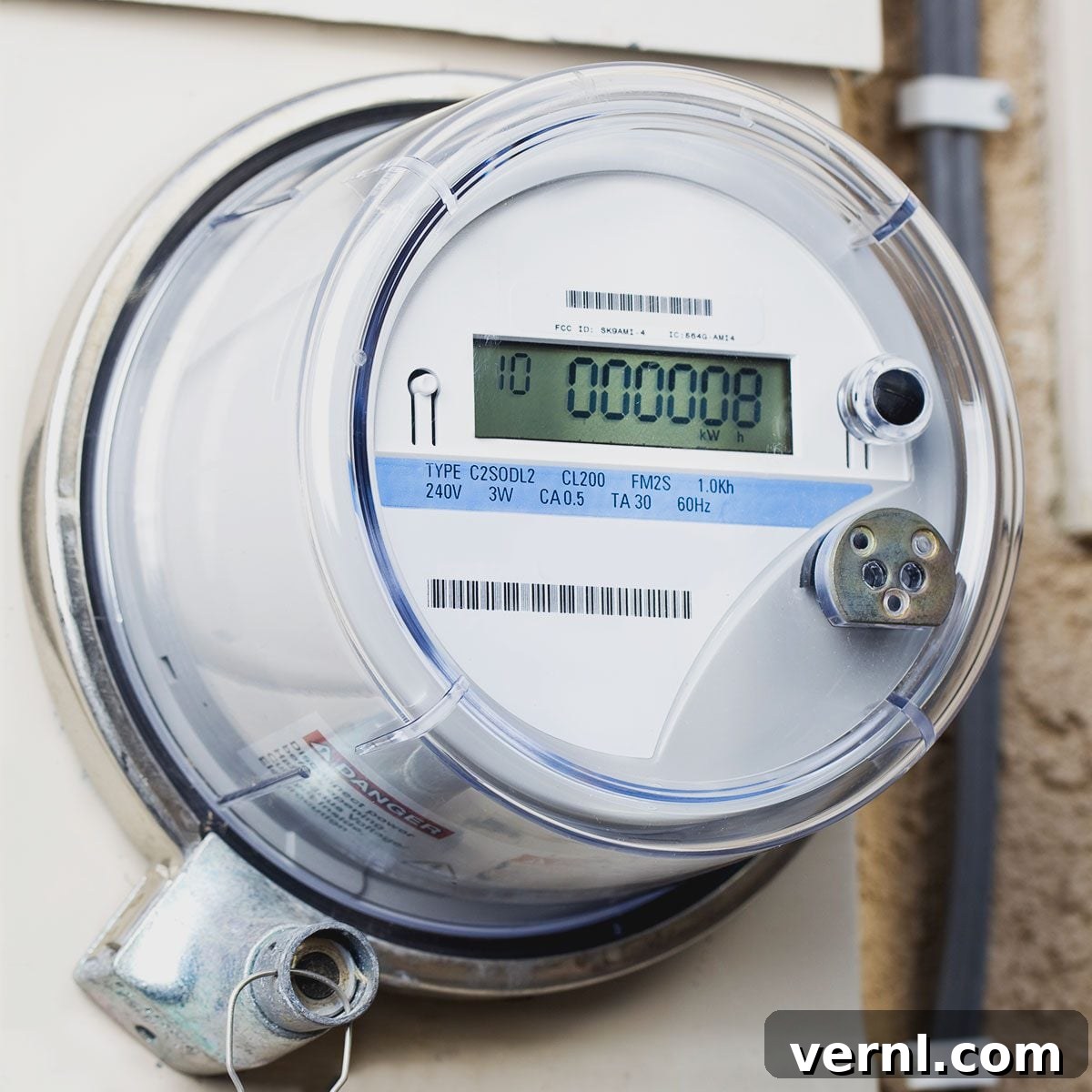
The transition to smart meters is a significant shift in how we manage and monitor our home electricity usage. While offering unprecedented insights into energy consumption, these digital devices also bring forth a range of questions and concerns, particularly regarding privacy and potential cost implications. This comprehensive guide aims to demystify smart meters, exploring their functionality, the reasons behind their widespread adoption by utility companies, and what they truly mean for your electric bill and overall energy management strategy.
Understanding Smart Meters: The Next Generation of Energy Monitoring
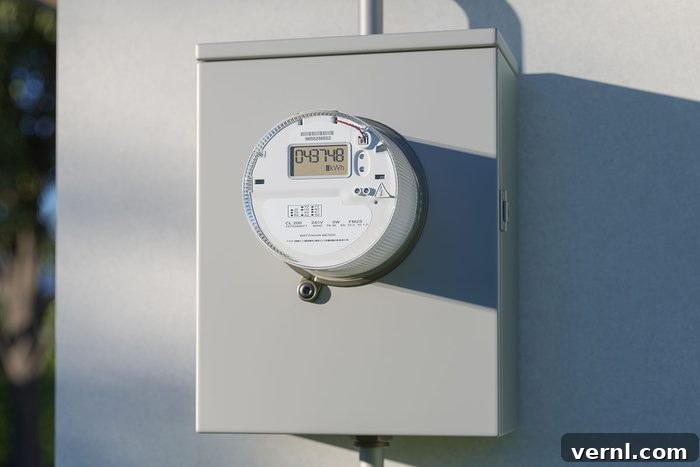
Smart meters represent a leap forward from traditional analog meters. These sophisticated digital devices are designed to precisely record your home’s electricity consumption in near real-time. Unlike their predecessors, smart meters automatically transmit this detailed usage data electronically to your utility company, eliminating the need for manual readings. Typically installed on the exterior meter box of a house, they act as the primary interface between your home’s electrical system and the power grid.
How Do Smart Meters Enhance Energy Management Compared to Traditional Meters?
The fundamental difference between smart meters and older, analog meters lies in their operational mechanics and communication capabilities. Traditional meters are mechanical, analog devices that require utility personnel to physically visit homes and manually read consumption data. This process is labor-intensive and provides only periodic snapshots of energy use.
In stark contrast, smart meters offer a dynamic, two-way communication channel. They constantly stream granular usage data to the utility provider, often every 15 minutes to an hour, according to home energy efficiency expert Martyn Fowler. This real-time data flow not only informs the utility company of how much energy is being used but also provides crucial insights into peak usage periods and dips throughout the day. Furthermore, this advanced connectivity allows utility companies to remotely perform various functions, such as activating or deactivating power to a residence, enhancing efficiency and responsiveness.
What Specific Data Do Smart Meters Collect?
Beyond simply tallying total energy consumption, smart meters capture a wealth of detailed information. They record not just the volume of electricity used, but precisely when that energy is consumed. This time-stamped data is invaluable for understanding energy patterns. Martyn Fowler notes that data collection can occur as frequently as every 15 minutes, offering a highly detailed profile of a household’s energy footprint. Additionally, smart meters facilitate communication from the energy provider for essential tasks like system updates and the swift detection of power outages, contributing to a more resilient and responsive energy grid.
Which Utility Companies Are Leading the Smart Meter Rollout?
The adoption of smart meter technology is rapidly accelerating across the globe. In the United States, many major utility providers are actively implementing these systems. Notable examples include Pacific Gas & Electric, Duke Energy, Southern Company, and Xcel Energy, demonstrating a broad industry trend towards modernized energy infrastructure.
Why Are Electric Companies Investing Heavily in Smart Meters?
The motivations behind utility companies’ significant investment in smart meter technology are multifaceted, primarily revolving around operational efficiency, cost savings, and enhanced grid management. Electrician Tim Hodnicki highlights that “the hesitancy and skepticism surrounding smart meters is likely rooted in fears about privacy and exploitation.” However, for utilities, the benefits are clear.
One of the most immediate and tangible advantages for utility companies is the substantial reduction in operational costs. By remotely collecting meter readings, they eliminate the need to dispatch technicians into the field, saving on labor, fuel, and vehicle maintenance expenses. Moreover, smart meters provide a critical tool for improving overall grid management and reliability. As energy efficiency expert Martyn Fowler explains, “The more data they have on energy demand throughout the day, the better they can respond to meet that demand,” leading to a more stable and efficient power supply.
Tangible Benefits for Consumers with Smart Meters
While often viewed with skepticism, smart meters offer several compelling advantages for individual customers, empowering them to take greater control over their energy usage and costs.
- Enhanced Understanding of Energy Use: The most significant benefit is the ability to visualize and comprehend exactly how and when electricity is being consumed. This granular data allows homeowners to identify energy hogs, understand their peak usage times, and make informed decisions to adjust habits.
- Potential for Cost Reduction: Armed with detailed usage data, consumers can strategically reduce power consumption, especially during peak hours when electricity rates are often higher. As solar expert Andrew Hoesly states, “Used correctly, smart meter data is one of the most powerful tools homeowners have to take control of their energy costs.” By shifting activities like running dishwashers or laundry to off-peak hours, significant savings can be achieved.
- Optimized Solar Energy Management: For homes equipped with solar panels and battery storage systems, smart meters provide invaluable insights into energy flow. This data helps homeowners optimize when to draw power from the grid versus utilizing stored battery energy, maximizing self-sufficiency and economic benefits.
- Accurate Billing: Smart meters ensure that customers are billed precisely for their actual energy usage, eliminating estimations that could lead to overpayment or underpayment. While this offers transparency, electrician Tim Hodnicki points out, “This could go both ways, though, depending on whether a customer was previously billed according to inaccurate estimates. It may mean more savings in the future, or it could mean adjusting to a higher energy bill.”
Strategic Advantages for Utility Companies from Smart Meter Deployment
Beyond cost savings in operations and improved grid management, smart meters offer utility companies a host of strategic benefits that reshape their business models and future planning:
- Labor Cost Efficiencies: As mentioned, the elimination of manual meter readings translates directly into reduced labor expenses.
- Streamlined Grid Management: Real-time data provides unprecedented visibility into grid performance, allowing for quicker outage detection, faster restoration times, and proactive maintenance, leading to a more reliable energy supply.
- Improved Infrastructure Planning and Demand Forecasting: The rich dataset from smart meters enables utilities to accurately forecast future energy demand, aiding in long-term infrastructure investments and resource allocation.
- Enabling Dynamic Rate Structures: Smart meters are essential for implementing advanced pricing models such as time-of-use (TOU) rates and demand charges. These structures encourage consumers to shift usage away from peak periods, helping to balance the grid and reduce the need for expensive peak power generation.
- Data Monetization and Market Insights: As energy analyst Arif Gasilov highlights, “Opting into a smart meter often means opting into a data collection regime.” Utility companies can harvest and analyze aggregated usage data, potentially selling anonymized insights to third parties for market research or targeting customers for specific energy-saving programs. This opens new revenue streams and enhances customer engagement strategies.
Will Smart Meters Inevitably Lead to Higher Electric Bills?
The question of whether smart meters will increase electric bills is complex and largely depends on consumer behavior and the rate structures implemented by utilities. In many cases, an increase is a real possibility, primarily due to the enablement of dynamic pricing models.
Smart meters facilitate the implementation of dynamic pricing, where electricity rates fluctuate based on the time of day or even real-time demand. This means that rates are typically higher during peak-use hours (e.g., late afternoons and evenings) and lower during off-peak times. If consumers do not adapt their habits to align with these new rate structures, their bills are likely to rise. Andrew Hoesly explains, “The flip side is that off-peak rates are often significantly cheaper, and homeowners who shift usage accordingly can come out ahead.”
However, as Arif Gasilov points out, many people’s lifestyles may not easily allow for such adjustments, leading to higher bills once dynamic pricing is in place. Furthermore, the deployment of smart meters represents a significant capital expenditure for utility companies. These costs are often recovered by raising rates on customers. Gasilov critically observes, “There is no reason for a for-profit corporation to invest in something that doesn’t have a ROI. A $500 million smart meter deployment earns the utility roughly $50 million per year in guaranteed return, funded through your bill. It is electric companies increasing rates on customers in order to buy smart meters to charge the customers even more.” This perspective underscores the financial implications for consumers, beyond just usage adjustments.
Frequently Asked Questions About Smart Meters
Can I Opt Out of Getting a Smart Meter?
In many regions, customers do have the option to decline a smart meter installation, though this largely depends on your specific utility provider and local regulations. It’s important to check with your utility. Be aware that opting out often comes with associated fees, typically a monthly charge to cover the cost of manual meter reading.
Can the Electric Company Remotely Limit or Disconnect My Power with a Smart Meter?
Yes, smart meters grant utility companies the capability to remotely disconnect and reconnect power. This functionality is primarily used for essential operational reasons, such as addressing safety concerns during emergencies, facilitating quicker service connections or disconnections for new residents, or resolving billing issues. As Martyn Fowler explains, “This is for safety reasons, or if there is an issue with billing.”
How Can I Use Smart Meter Data to Effectively Lower My Electric Bill?
Leveraging smart meter data is key to optimizing your energy consumption and reducing costs, especially if your utility implements time-of-use (TOU) rates. By analyzing the data, you can pinpoint exactly when your household uses the most electricity, particularly during expensive peak-rate periods. Once identified, you can make conscious adjustments to shift high-energy activities, such as running washing machines, dryers, or dishwashers, to off-peak hours when rates are lower. Tim Hodnicki suggests, “You might also be surprised to find how a few small adjustments, such as turning off unnecessary lights in your home or changing when you run large appliances, can make a difference.” Even minor changes in daily routines can lead to significant savings over time.
About Our Energy Experts
- Tim Hodnicki is an experienced electrician and the president/owner of Electrical Experts, based in Massachusetts.
- Arif Gasilov is a partner for climate and environmental reporting at Gasilov Group, where he provides expert advice on energy regulatory analysis, sustainability strategy, and utility cost allocation.
- Martyn Fowler is the founder of Elite Renewables, dedicated to helping homeowners enhance energy efficiency and reduce their energy expenditures.
- Andrew Hoesly serves as the general manager of SolarTech, a leading residential solar installation company operating across California and Arizona.
Sources
- Dean Mahmoud is the CEO of EcoGen America, an organization that assists homeowners in understanding the financial and energy-related decisions concerning their utility setup.
RELATED ENERGY INSIGHTS:
- The Real Reason Aluminum Foil Has a Shiny Side and a Dull Side
- Think Adirondack Chairs Are Uncomfortable? You’re Using Them Wrong
- Why You Shouldn’t Crush Aluminum Cans Before Recycling