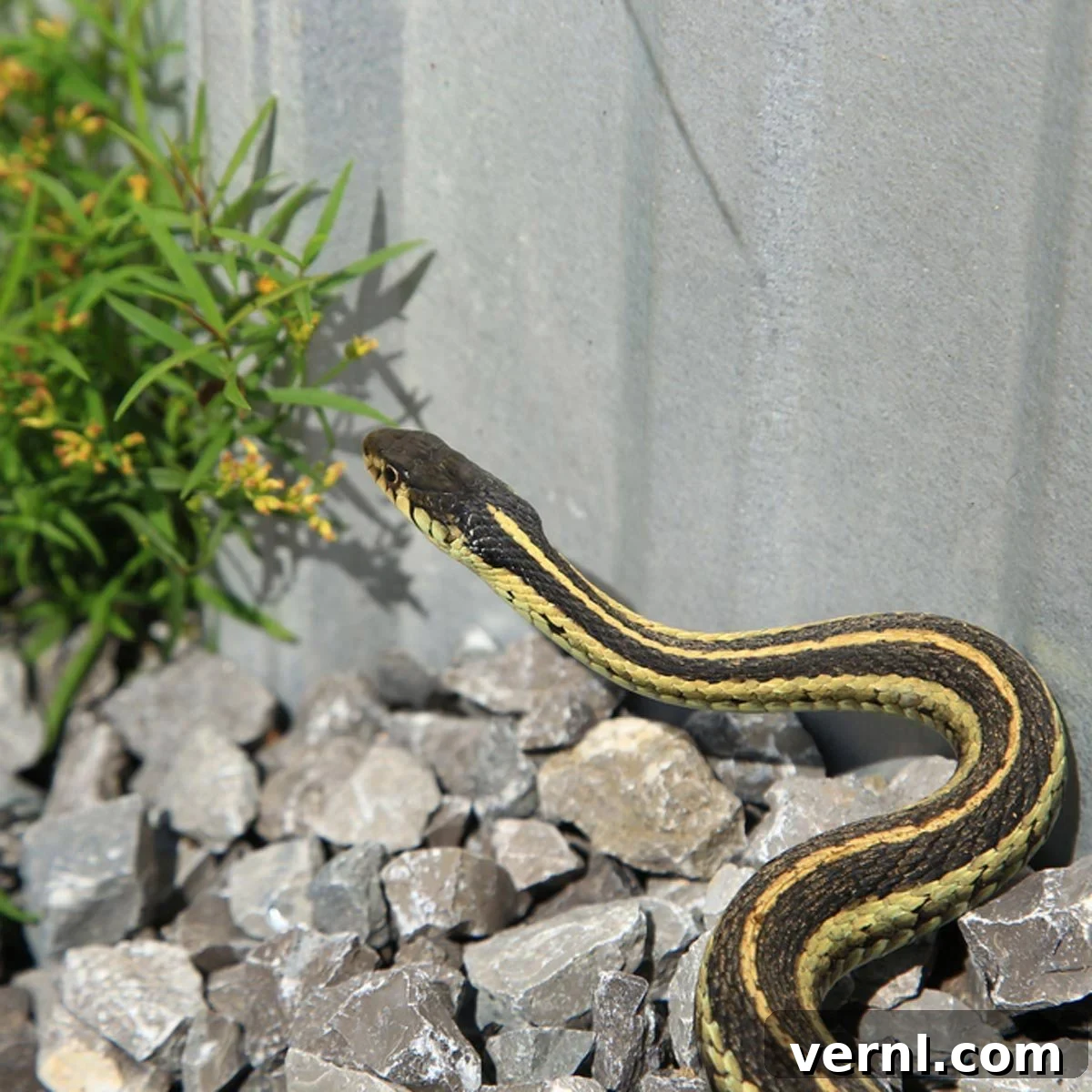
For most homeowners, the thought of encountering a snake in their living space is deeply unsettling. Unlike a cherished pet snake residing safely in its terrarium, a wild snake unexpectedly appearing in your house can evoke a primal sense of alarm, akin to discovering an unwelcome cockroach invading your kitchen. This feeling is entirely natural, as our homes are sanctuaries we expect to be free from wild creatures.
While an uninvited serpentine visitor can be startling, it’s important to remember that most wild animals, including snakes, generally prefer to avoid human interaction. When a snake finds its way into your home or yard, it’s rarely a deliberate invasion motivated by aggression. Instead, these creatures are often driven by basic instincts: a search for food, water, or shelter. Many North American snake species are harmless, making your primary goal one of safe and humane deterrence rather than harm.
Understanding why snakes are attracted to your property is the first step toward effective prevention. By implementing strategic, non-harmful tactics, you can create an environment that is less appealing to snakes and more secure for your family and pets. This comprehensive guide will equip you with best practices for keeping snakes away from your yard and house, ensuring peace of mind.
Understanding Why Snakes Enter Your Space
Before implementing any deterrents, it’s crucial to understand the underlying reasons snakes might be drawn to your property. Snakes are cold-blooded reptiles that seek out environments that offer three essential elements for their survival:
- Food Sources: Snakes are predators. Their diet primarily consists of rodents (mice, rats), insects (crickets, grasshoppers), amphibians, and sometimes smaller reptiles or birds. If your property provides an abundant supply of these prey animals, snakes will follow.
- Shelter and Hiding Spots: Snakes need places to hide from predators, regulate their body temperature, and find safety. Piles of debris, dense vegetation, rock formations, cracks in foundations, and even cluttered garages offer ideal refuge.
- Water: Like all living creatures, snakes need water. Leaky outdoor faucets, bird baths, pet water bowls, and even standing water in clogged gutters or low spots in your yard can attract them, especially during dry spells.
By addressing these core attractants, you can significantly reduce the likelihood of snakes making your home or yard their preferred habitat.
Strategic Measures to Keep Snakes Away from Your Home
1. Eliminate Food Sources: The Best Defense is a Good Offense Against Pests
Snakes are often drawn to homes because they offer a readily available food supply. The most effective way to deter snakes is to remove their primary prey:
- Rodent Control: Mice and rats are a snake’s favorite meal. If you have a rodent problem, you likely have a snake attractant. Implement a robust rodent control program by:
- Sealing all potential entry points into your home that rodents might use (cracks in foundations, gaps around pipes, unsealed vents).
- Storing all food, including pet food and bird seed, in airtight containers.
- Promptly cleaning up food spills, both indoors and outdoors.
- Using humane traps to manage existing rodent populations.
- As Jared DeBettencourt of Minuteman Pest Control notes, “Snakes are great predators of mice. Controlling rodent populations in and around your home should help.”
- Insect Management: Some smaller snakes feed on insects. While complete insect eradication isn’t feasible or desirable, reducing large insect populations (like crickets or grasshoppers) through general pest control can also help.
- Secure Pet Food: Never leave pet food bowls outside, especially overnight. This not only attracts rodents but can directly attract snakes looking for an easy meal or a sheltered place to feed.
2. Seal All Entry Points: Fortifying Your Home’s Perimeter
Snakes are incredibly adept at finding their way into small spaces. A gap of just a quarter-inch can be enough for a snake to squeeze through. Thoroughly inspect your home’s exterior and seal all potential entry points:
- Foundations: Repair any cracks or holes in your foundation with concrete or mortar.
- Doors: Install sturdy weather stripping and door sweeps on all exterior doors, including garage doors. Ensure there are no gaps underneath that a snake could slither through.
- Windows: Ensure all windows are tightly sealed and screens are intact without holes.
- Vents and Pipes: Cover all vents (attic, foundation, dryer) with fine-mesh hardware cloth. Seal gaps around utility pipes and wires where they enter your home.
- Crawl Spaces and Basements: These damp, cool, and often dark areas are highly attractive to snakes. Seal all entry points, ensure proper ventilation to reduce humidity, and remove any clutter that could serve as hiding spots.
- Garages and Sheds: Keep garage doors closed when not in use. Check for gaps around doors and windows in sheds and outbuildings, as these are common entry points.
Understanding the various ways snakes can enter your home is crucial for a comprehensive sealing strategy.
3. Utilize Snake Repellents Safely and Effectively
While not a standalone solution, repellents can complement other preventive measures. When choosing a repellent, prioritize safety for your family, pets, and the environment:
- Avoid Harsh Chemicals: Many general pest repellents contain chemicals that can be harmful. Stick to products specifically designed for snakes.
- Eco-Friendly Options: Products like Ortho Snake B Gon are made from essential oils and are marketed as ecologically-friendly, posing less risk to humans, pets, and plants. Always follow the manufacturer’s directions precisely for optimal safety and effectiveness. Typically, these granular repellents are sprinkled around the perimeter of your property and need reapplication every 30 days or after heavy rainfall.
- Natural Plant-Based Repellents: Certain plants emit strong odors that snakes reportedly dislike. Incorporating these into your landscaping can offer a natural deterrent:
- Marigolds: Their pungent roots are thought to repel snakes and other pests.
- Garlic and Onions: These release sulfuric acid, which snakes find irritating. Planting them in garden beds or around the home’s foundation can be beneficial.
- Lemongrass: Known for its strong citrusy scent, it’s also a natural insect repellent, reducing a snake’s food source.
- Clove Basil: Another herb with a strong aroma that may deter snakes.
- Mother-in-Law’s Tongue (Sansevieria trifasciata): This plant has sharp, sword-like leaves that are thought to be unpleasant for snakes to navigate.
- Wormwood: Its bitter scent is often used in natural pest control.
- Other Natural Deterrents: Some people report success with sprinkling sulfur powder, placing ammonia-soaked rags in problem areas, or using cotton balls soaked in clove or cinnamon oil. However, the scientific evidence for many of these is anecdotal.
Keeping Snakes Out of Your Yard: Habitat Modification
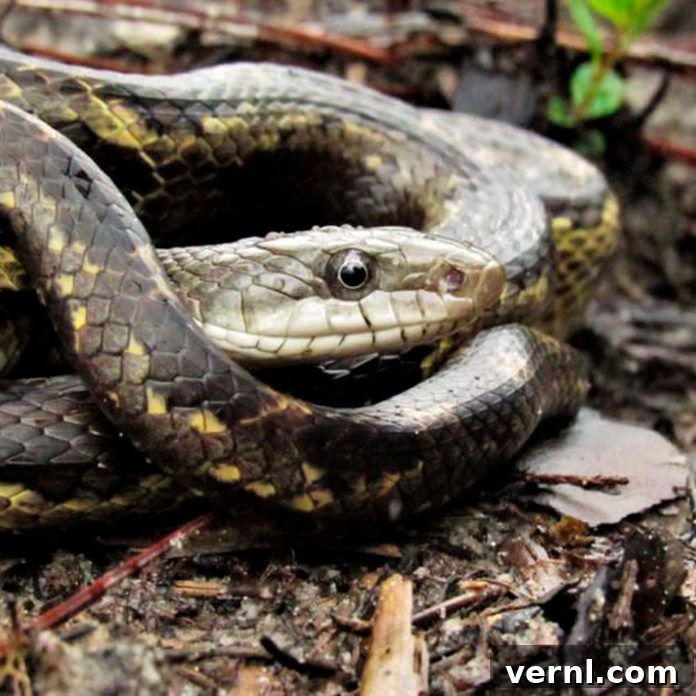
Your yard is the first line of defense. By making it less appealing, you can prevent snakes from even reaching your home’s foundation.
1. Maintain a Tidy and Uncluttered Yard
Snakes love to hide in clutter, which offers them shelter, shade, and hunting grounds. A clean and well-maintained yard is significantly less attractive to snakes. As DeBettencourt advises, “Keeping your lawn short and areas around the home decluttered can help.”
- Mow Your Lawn Regularly: Keep grass cut short, especially near your home’s foundation and along pathways. Tall grass provides cover for snakes to move undetected and hunt prey.
- Remove Debris Piles: Eliminate all potential hiding spots. This includes:
- Woodpiles: Store firewood neatly stacked on elevated racks, away from your house.
- Rock Piles: Clear away any unnecessary rock formations.
- Leaf Litter and Mulch: Rake up fallen leaves and keep mulch layers thin, especially close to the house. Consider using less snake-friendly mulch alternatives like gravel or cedar chips around the foundation.
- Construction Debris: Promptly remove any leftover building materials, scrap metal, or garden waste.
- Children’s Toys and Outdoor Equipment: Store toys, garden tools, and other outdoor items in sealed bins or sheds after use.
- Prune Shrubs and Bushes: Keep vegetation well-trimmed and away from your house. Dense shrubs and ground cover offer excellent hiding spots. Ensure branches are not touching the house, which could provide pathways.
- Address Water Sources: Repair leaky outdoor faucets or irrigation systems. Empty bird baths and pet water bowls regularly, or move them further from the house. Ensure gutters are clean and draining properly to prevent standing water.
Regular landscaping maintenance is key to making your yard less hospitable to snakes.
2. Install Snake-Proof Fencing
For persistent snake problems, especially in areas with a high snake population, consider installing a physical barrier:
- Type of Fencing: Use a solid fence material or fine-mesh hardware cloth (1/4-inch mesh or smaller) that snakes cannot easily climb or squeeze through.
- Installation: The fence should be at least 3 feet high and buried a few inches into the ground to prevent snakes from burrowing underneath. Angle the top section outwards at about a 30-degree angle to make climbing more difficult.
- Maintenance: Regularly check the fence for gaps or damage and repair them promptly. Keep vegetation clear along both sides of the fence to prevent snakes from using plants as a way to bypass the barrier.
Dealing with a Snake Encounter: What to Do
Despite all your preventative efforts, an occasional snake might still find its way into your space. Remaining calm is paramount.
If You Find a Snake in Your House:
- Stay Calm and Observe: Do not approach or provoke the snake. Give it space. Try to identify if it’s venomous, but do so from a safe distance. Knowing the types of poisonous snakes common to your region can be helpful, but don’t risk getting close.
- Isolate the Snake: If possible and safe, close the door to the room the snake is in and place a towel under the door to prevent it from slipping into other areas of the house.
- Call for Professional Help: Your safest and most recommended course of action is to contact your local animal control, a professional snake removal service, or a wildlife rehabilitation center. They have the expertise and equipment to safely remove the snake without harming it or you.
- If You Must Remove It Yourself (Only if it’s small, clearly non-venomous, and you feel safe):
- Use a Broom or Shovel: Gently guide the snake towards an open door using a broom or long-handled shovel. Avoid direct contact.
- Humane Traps: Glue-based traps can be used as a humane way to get rid of snakes in your home. Once caught, you can carefully release the snake in a suitable natural habitat far from your home. Always check these traps frequently to ensure the snake is not left for too long.
- Gloves: If you are absolutely certain the snake is non-venomous and small enough, and you feel comfortable, you could use thick gloves to carefully pick it up and relocate it to a safe, natural habitat away from your home. This should only be a last resort for experienced individuals.
If You Find a Snake in Your Yard:
- Observe from a Distance: Most snakes in yards are just passing through. If you see one, observe it from a safe distance. It will likely move on its own.
- Discourage Loitering: If it’s lingering, you can try gently spraying it with a garden hose from a distance to encourage it to move along.
- Professional Help: If the snake appears aggressive, is very large, or you suspect it’s venomous and it’s not leaving, call animal control or a professional snake handler.
Common Snake Myths vs. Facts
Misinformation about snakes can lead to unnecessary fear and harmful actions. Here are a few common myths:
- Myth: Snakes are inherently aggressive and will chase you.
Fact: Snakes are generally shy and will try to avoid humans. They only bite when they feel threatened, cornered, or are accidentally stepped on. They do not chase people. - Myth: All snakes are venomous.
Fact: The vast majority of snake species are non-venomous and harmless. Learning to identify local venomous species is helpful, but assume all wild snakes should be treated with caution. - Myth: Snakes are attracted to milk.
Fact: This is a persistent old wives’ tale with no scientific basis. Snakes do not drink milk.
When to Call a Professional
While many situations can be handled with preventive measures, there are times when professional intervention is crucial:
- Venomous Snake Sighting: If you identify or suspect a venomous snake in or around your home.
- Repeated Sightings: If you are frequently encountering snakes despite your best efforts.
- Large or Aggressive Snakes: Any snake that appears unusually large, agitated, or is difficult to remove.
- Snake in an Inaccessible Area: If a snake has found its way into a wall, attic, or other difficult-to-reach spot.
- Personal Discomfort: If you are simply too uncomfortable or fearful to handle the situation yourself.
FAQ
Why do snakes come into yards or near houses?
Snakes are primarily drawn to yards and homes in search of essential resources: food (like rodents and insects), water (from leaks, bird baths, or puddles), and shelter (from predators, harsh weather, or for hibernation) in secluded, often damp and cool spaces.
Can certain plants repel snakes?
Yes, plants that produce a pungent smell or have a texture that snakes dislike can be effective as a supplementary repellent. Some examples include marigolds, onions, garlic, lemongrass, clove basil, wormwood, and Mother-in-Law’s Tongue.
Do snakes bite pets?
Yes, snakes can bite pets, especially if a curious pet approaches or corners a snake. These bites can be dangerous or even fatal if the snake is venomous. Keeping your yard clear and pets supervised can help prevent such encounters.
How can I tell if a snake is venomous?
Identifying venomous snakes can be challenging and varies by region. Common indicators in North America often include triangular-shaped heads, elliptical pupils (like a cat’s eye), heat-sensing pits between the eye and nostril, and rattles on the tail (for rattlesnakes). However, these are not foolproof. It’s always safest to treat any unknown snake with caution and maintain a safe distance.
What time of day are snakes most active?
Snake activity varies by species and climate. Many snakes are most active during dawn and dusk (crepuscular) when temperatures are moderate, making it ideal for hunting and thermoregulation. Some species are nocturnal, especially in hot climates, while others are diurnal during cooler seasons.
What if a snake has taken up residence under my deck or shed?
If a snake has established a den, it’s best to call a professional pest control or wildlife removal service. They can safely and humanely remove the snake and advise on how to seal off the area to prevent future inhabitants.
About the Expert
- Jared DeBettencourt is an Associate Certified Entomologist and Vice President of Minuteman Pest Control in Northampton, Massachusetts.