
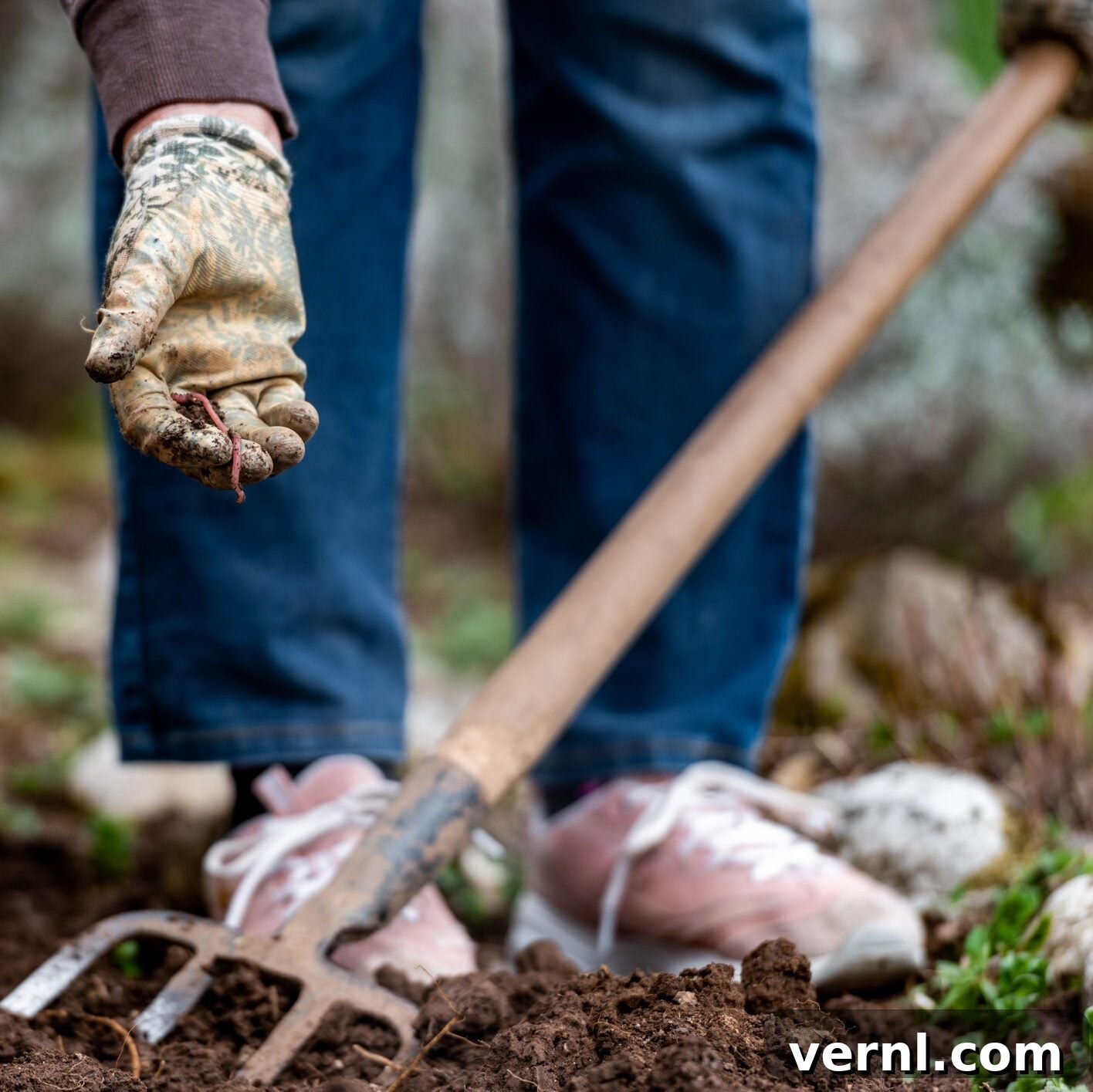
If you’re a gardener, you likely appreciate earthworms for the role they play in healthy soil. However, not all worms are beneficial in every setting. An invasive species commonly called the “jumping worm” has been spreading across many parts of the United States and poses serious risks to native habitats and garden ecosystems.
What Are Jumping Worms?
According to Michigan State University (MSU), jumping worms are earthworms originally native to Asia. As they have expanded their range in North America, they have acquired many colloquial names, such as jumping worms, Alabama jumpers, disco worms, Jersey wrigglers, crazy worms, snake worms and wood eels (the latter often used for specimens found in rotting logs).
MSU highlights several identifying characteristics:
- Rapid, snake-like thrashing movement when disturbed
- Mature length typically between 1.5 and 8 inches (4–20 cm)
- Smooth, glossy skin and a pale, whitish clitellum (the reproductive ring) that completely encircles the body
- Large, visible mouth
A key distinction is the clitellum placement and appearance: a jumping worm’s clitellum is usually flat against the skin and occurs about 14–15 segments back from the head, whereas many established earthworm species have a raised clitellum positioned 23–32 segments from the head. MSU also notes that jumping worms can autotomize (lose) the ends of their tails to evade capture, so handle with caution if attempting removal or study.
Why Are Jumping Worms Harmful?
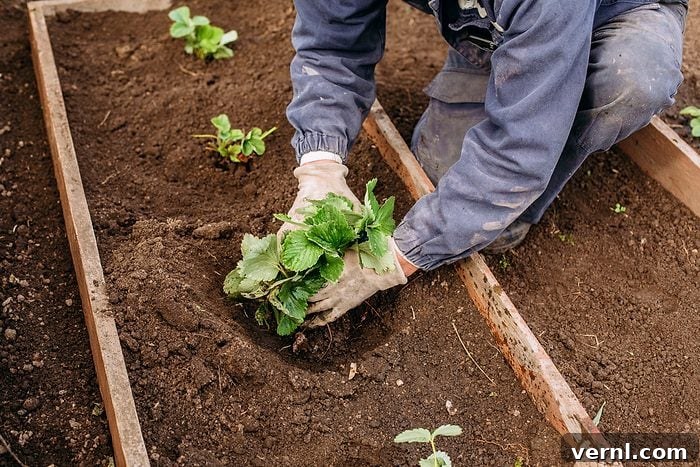
While many earthworm species improve soil structure and fertility, jumping worms behave differently and can significantly alter the environment. MSU explains that their feeding and casting activity changes the soil surface and removes the protective leaf-litter layer that native insects, ground‑nesting birds and small animals depend on.
Jumping worms rapidly consume leaves and decomposing organic matter at the soil surface, disrupting plant roots and damaging soil mycelium, an essential component of healthy soil biology. They convert organic material into castings that, unlike the typically buried castings of other earthworms, accumulate on the soil surface. This surface accumulation means nutrients are not retained in the root zone for plant uptake and can be washed away by rain, especially when mulch or protective litter has been removed.
The net result is soil that is less fertile, holds less water and is more prone to erosion. These degraded conditions can prevent native plants and wildlife from thriving and may encourage other invasive species adapted to poor soil conditions. Compounding the problem, jumping worms seem to lack significant predators or natural population controls in North America, reproduce rapidly and can spread without mating, which contributes to their ability to dominate ecosystems.
How to Tell if You Have a Jumping Worm Infestation
MSU suggests several signs that jumping worms may be present: mulch disappearing more quickly than expected and soil that looks like used coffee grounds—crumbly and granular. To check for worms, inspect damp, shady areas, scratch through leaf litter, and look under logs, stones and other surface debris.
For a quicker detection method, MSU recommends mixing 1/3 cup of ground yellow mustard powder with 1 gallon (about 3.5 L) of water and pouring it over a 1-foot (30 cm) square of soil. The mustard acts as an irritant, prompting worms to surface so they can be observed. If you confirm jumping worms on your property, report the finding to your state or regional invasive species authority so the infestation can be tracked and managed.
How to Remove Jumping Worms from Your Yard
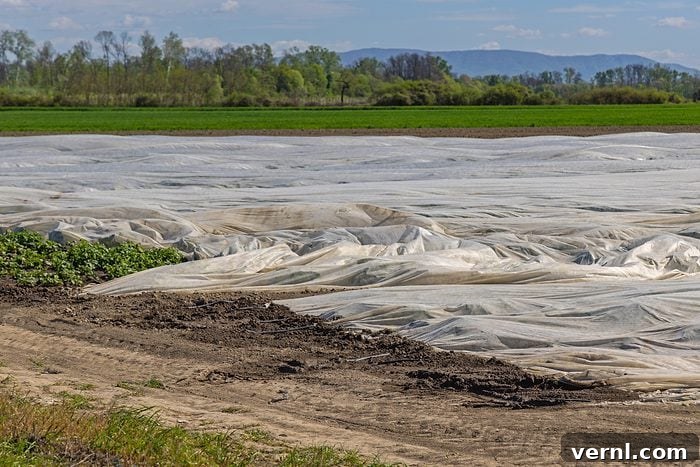
If you discover an infestation, MSU describes a few management options that may reduce populations. Solarization can kill cocoons: during a warm, sunny stretch, cover affected soil with 2–6 mil clear plastic and seal the edges. Studies indicate that cocoons exposed to sufficiently warm, dry conditions will die within three to four days.
Tilling is another approach. Perform tilling in May, when temperatures are warming and recently hatched worms are active but have not yet produced cocoons. Tilling will expose and often kill many worms. Collected worms can be disposed of by placing them in a sealed plastic bag set in direct sun for several days, or by submerging them in a container of vinegar or alcohol. Always take care when handling and disposing of invasive species to avoid spreading them further.
Reporting and Prevention
Prevention and early detection remain the best defenses. Avoid transporting soil, mulch or potted plants from areas known to be infested. Clean gardening tools, boots and equipment before moving between sites. If you find jumping worms, notify your local or state invasive species program so authorities can monitor and respond to the spread.
Source
Invasive jumping worms: Background, identification and control, Michigan State University, 2025.