Revitalize Your Home: The Ultimate Guide to Upgrading Old Hydronic Baseboard Heater Covers
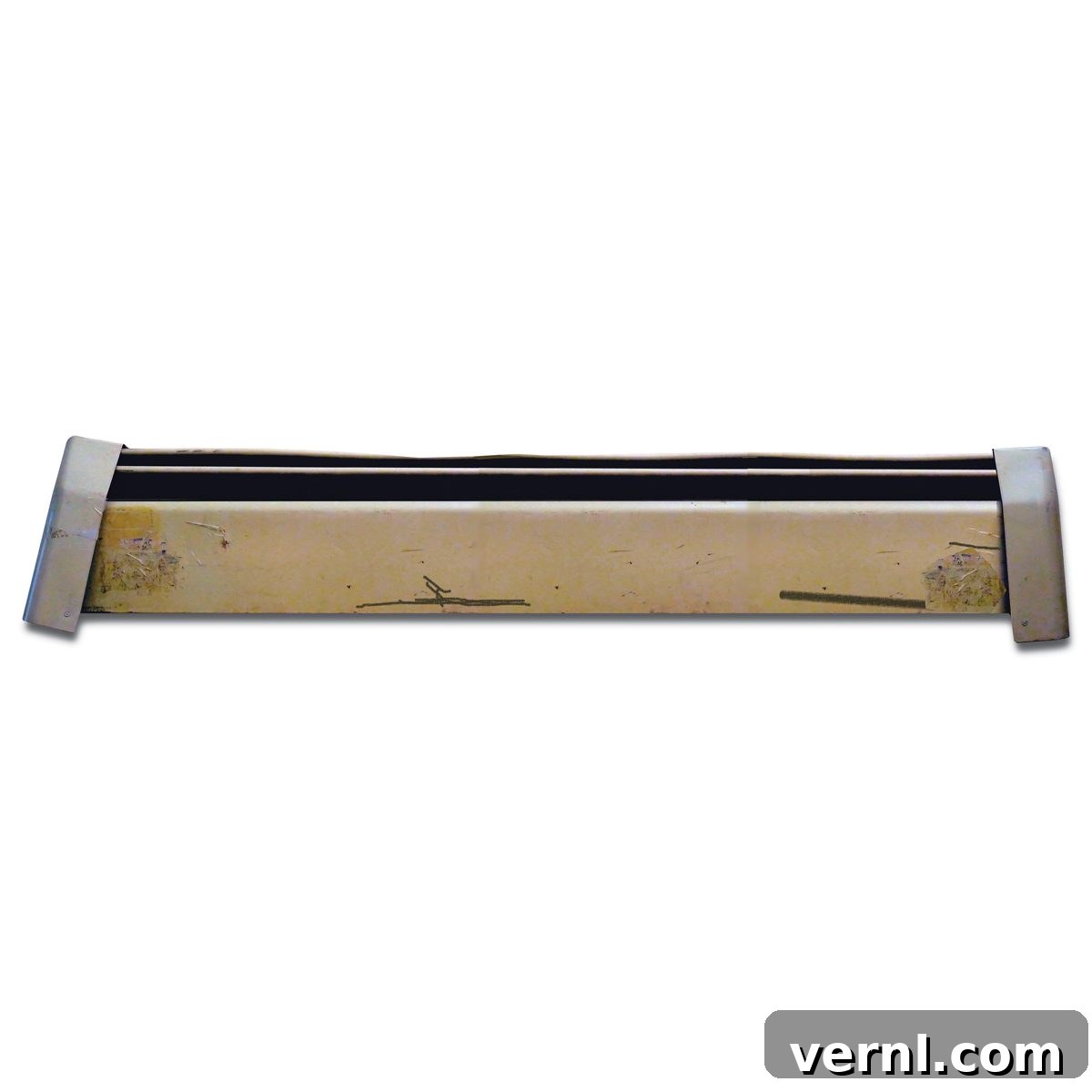
Is your home’s heating system showing its age? Old, rusty, or dented hydronic (hot water) baseboard heaters can be a significant eyesore, detracting from the overall aesthetic of your living space. Beyond the visual appeal, damaged baseboard covers can also hinder heating efficiency and even become traps for dust and allergens, impacting indoor air quality. If you’ve been pondering a solution to this common homeowner dilemma, you’re in the right place. This comprehensive guide will explore the most effective and efficient way to breathe new life into your heating system: by upgrading your baseboard heater covers.
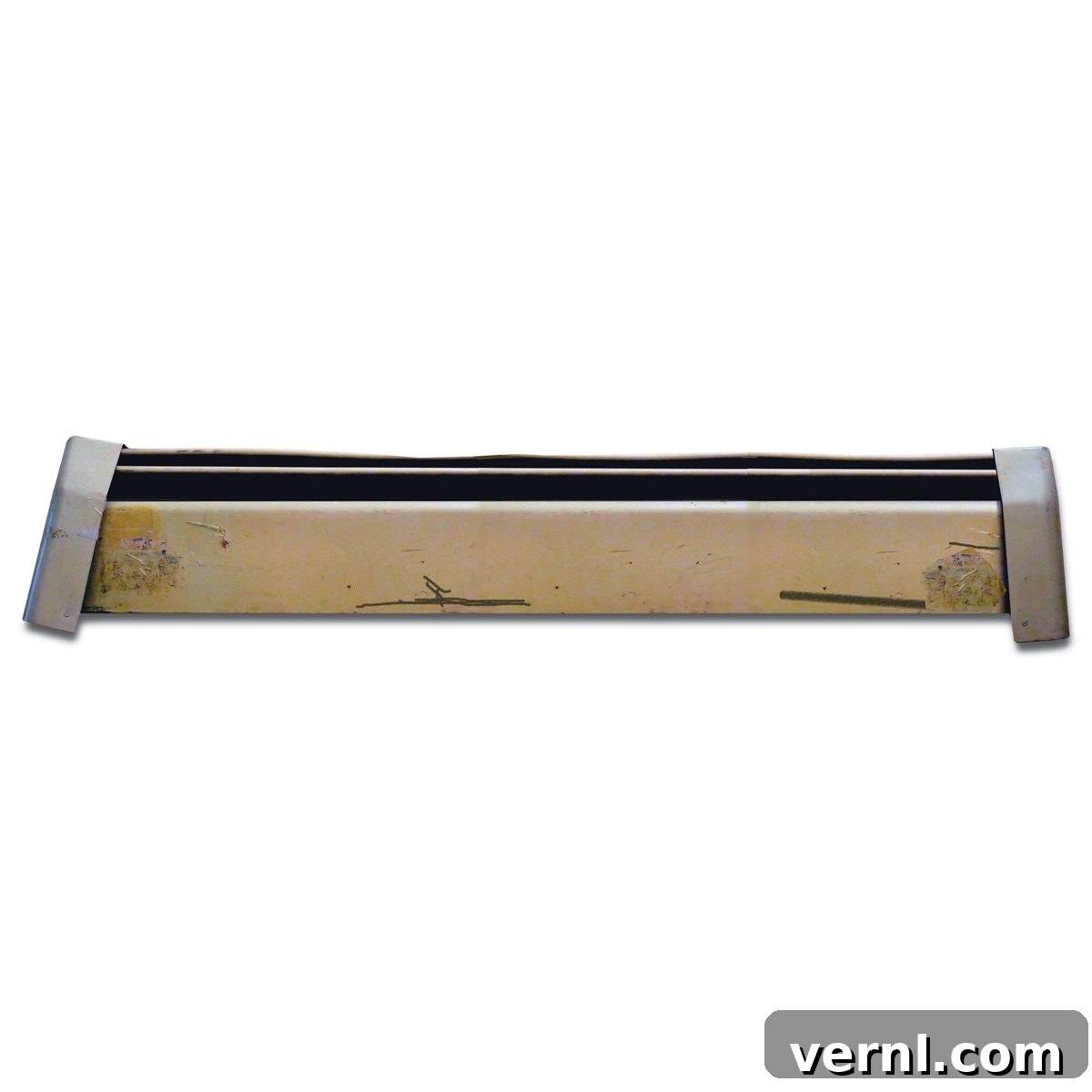
Many homeowners are familiar with the sight of worn-out baseboards. Over years of use, they can accumulate rust, especially in humid environments like bathrooms or kitchens. Dings and dents from everyday life, chipping paint, and general discoloration are also common. While the heating elements themselves might still be functioning perfectly, their outward appearance can make an entire room feel dated and neglected. This is often the point where homeowners consider their options for renovation.
Addressing the Problem: Why Old Baseboards Are a Nuisance
Before diving into solutions, let’s understand why old baseboard heaters pose a problem. Beyond the obvious aesthetic issues, there are several practical concerns:
- Aesthetics: Rust, dents, and peeling paint are unsightly and can significantly diminish the visual appeal of any room, making it feel less inviting and modern.
- Dust Accumulation: The intricate designs and crevices of older baseboard covers are notorious for collecting dust, pet dander, and other allergens. This not only makes cleaning a chore but can also negatively impact indoor air quality, especially for those with allergies or respiratory sensitivities.
- Reduced Efficiency: While the covers don’t directly heat, heavily obstructed or damaged covers can slightly impede proper airflow and heat distribution, potentially leading to less efficient heating and higher energy bills.
- Safety Concerns: Sharp edges from rusted or broken metal covers can pose a minor safety hazard, especially in homes with children or pets.
- Home Value: Outdated fixtures, including heating components, can deter potential buyers and reduce your home’s market value.
Exploring Traditional Solutions: Are They Worth It?
When faced with deteriorating hydronic baseboards, homeowners typically consider a few traditional routes:
1. Full System Replacement: The Costly & Time-Consuming Route
One option is to replace the entire baseboard heating system, including the heating elements and all associated plumbing. While this might be necessary if your heating elements are failing or you’re undertaking a major renovation, it comes with significant drawbacks:
- High Cost: Replacing entire hydronic heating units is exceptionally expensive, involving labor for plumbers, electricians (if applicable), and potentially even drywall repair.
- Time-Consuming: This is not a quick DIY project. It can take days or even weeks, depending on the scope, causing significant disruption to your household.
- Major Renovation: It often requires opening up walls and extensive work, which can be messy and inconvenient.
2. Sanding and Painting: A Lot of Work for a Temporary Fix
Another common approach is to sand down the existing metal covers and repaint them. This seems like a budget-friendly DIY solution, but it often involves more effort than anticipated and yields less than ideal results:
- Intense Labor: Proper sanding of old, possibly rusted metal covers requires significant elbow grease, protective gear, and patience. Rust removal can be particularly challenging.
- Extensive Prep Work: You’ll need to meticulously clean, sand, prime, and then carefully paint, often requiring multiple coats. This is especially true for the intricate fins and grates where dust accumulates.
- Fumes and Ventilation: Painting indoors requires good ventilation, and the fumes can be unpleasant and potentially harmful.
- Temporary Solution: Unless done perfectly with high-quality, rust-inhibiting paints, rust can often reappear, or the paint can chip and scratch easily, requiring frequent touch-ups. It might look good initially, but its longevity is often limited.
- Aesthetic Limitations: While fresh paint can improve the look, it won’t hide dents or fundamentally change the style of an outdated design.
The Smart & Easy Solution: Replacing Just the Front Covers and End Caps
Fortunately, there’s a third, far more appealing option that addresses all the common problems without the high cost, intense labor, or temporary nature of the traditional solutions: replacing just the front covers and end caps with aftermarket alternatives. This method is gaining popularity among savvy homeowners for its simplicity, affordability, and transformative results.
This approach allows you to retain your perfectly functional heating elements while giving your baseboards an instant, modern facelift. It’s an ideal solution for anyone looking to upgrade their home’s appearance, improve cleanliness, and potentially boost heating efficiency without undertaking a full-scale renovation.
Why Choose Replacement Covers? The Overwhelming Advantages
- Ease of Installation: This is by far the easiest option. Most aftermarket covers are designed for quick, snap-on or slide-on installation, making it a perfect DIY project for any skill level. Installation videos are often available to guide you through the process.
- Cost-Effective: Compared to full system replacement, swapping out covers and end caps is incredibly affordable, providing a significant visual impact for a fraction of the price.
- Instant Aesthetic Upgrade: New covers immediately transform the look of your rooms, offering sleek, modern designs that can complement any decor. You can choose from various materials and finishes to match your style.
- Improved Cleanliness: Many modern replacement covers feature smoother, simpler designs, making them much easier to dust and clean. This can lead to better indoor air quality and less work for you.
- Durability: Aftermarket covers are often made from high-quality materials like sturdy plastic or powder-coated metal, which are resistant to rust, dents, and fading, ensuring long-lasting beauty.
- Potential for Better Heat Distribution: Well-designed modern covers can optimize airflow, potentially improving the efficiency with which heat radiates into your room.
- Increased Home Value: A fresh, updated look contributes positively to your home’s overall appeal and market value.
Where to Find Your New Baseboard Covers
The market for replacement baseboard covers has grown significantly, offering a wide array of styles, materials, and price points. You can find these innovative products at most home improvement centers, specialized heating supply stores, and a vast selection online.
For example, Supplyhouse.com is a well-known online retailer that sells several popular styles of replacement covers, often referred to as “baseboarders.” These products are designed specifically to fit over existing hydronic baseboard heating elements, providing a seamless and attractive upgrade. Their website typically features detailed product descriptions, customer reviews, and crucially, easy-to-follow installation videos that demystify the DIY process.
Understanding the Costs
One of the most attractive aspects of this solution is its affordability. While prices can vary based on material, style, and brand, here’s a general idea of what to expect:
- Per-Foot Cost: Replacement covers, such as those found on Supplyhouse.com, generally range from about $16 to $27 per linear foot. This makes it highly competitive, especially when considering the labor and material costs associated with sanding and painting or a full replacement.
- End Caps: Don’t forget the details! End caps, which provide a finished look and contain the heating element at the ends, typically cost about $16 to $28 apiece. These are essential for a complete and polished aesthetic.
When you compare these figures to the potentially thousands of dollars required for a full system replacement, or even the hidden costs (time, effort, recurring painting) of the sanding and painting method, replacing covers stands out as a remarkably cost-effective home improvement project.
A Quick Look at the Installation Process
While specific steps may vary slightly depending on the brand and model of replacement covers, the general installation process is incredibly straightforward and can usually be completed in an afternoon, even for a moderately sized room. Here’s a simplified overview:
- Measure and Purchase: Accurately measure the length of your existing baseboard heaters and count the number of end caps needed.
- Remove Old Covers: Simply unclip or unscrew your old, unsightly front covers and end caps. This usually requires minimal tools, often just a screwdriver.
- Clean the Elements: With the covers off, take the opportunity to thoroughly clean the heating elements (fins) beneath. This is a crucial step for improving heating efficiency and air quality.
- Install New Covers: Slide or snap the new front covers into place according to the manufacturer’s instructions. Most designs are engineered for a snug, secure fit.
- Attach End Caps: Finally, attach the new end caps to complete the sleek, finished look.
Many retailers, including online suppliers, provide excellent video tutorials that walk you through each step, making the process virtually foolproof.
Choosing the Perfect Replacement Covers: Factors to Consider
With a variety of options available, selecting the right replacement covers can enhance your home’s interior design. Here are a few factors to keep in mind:
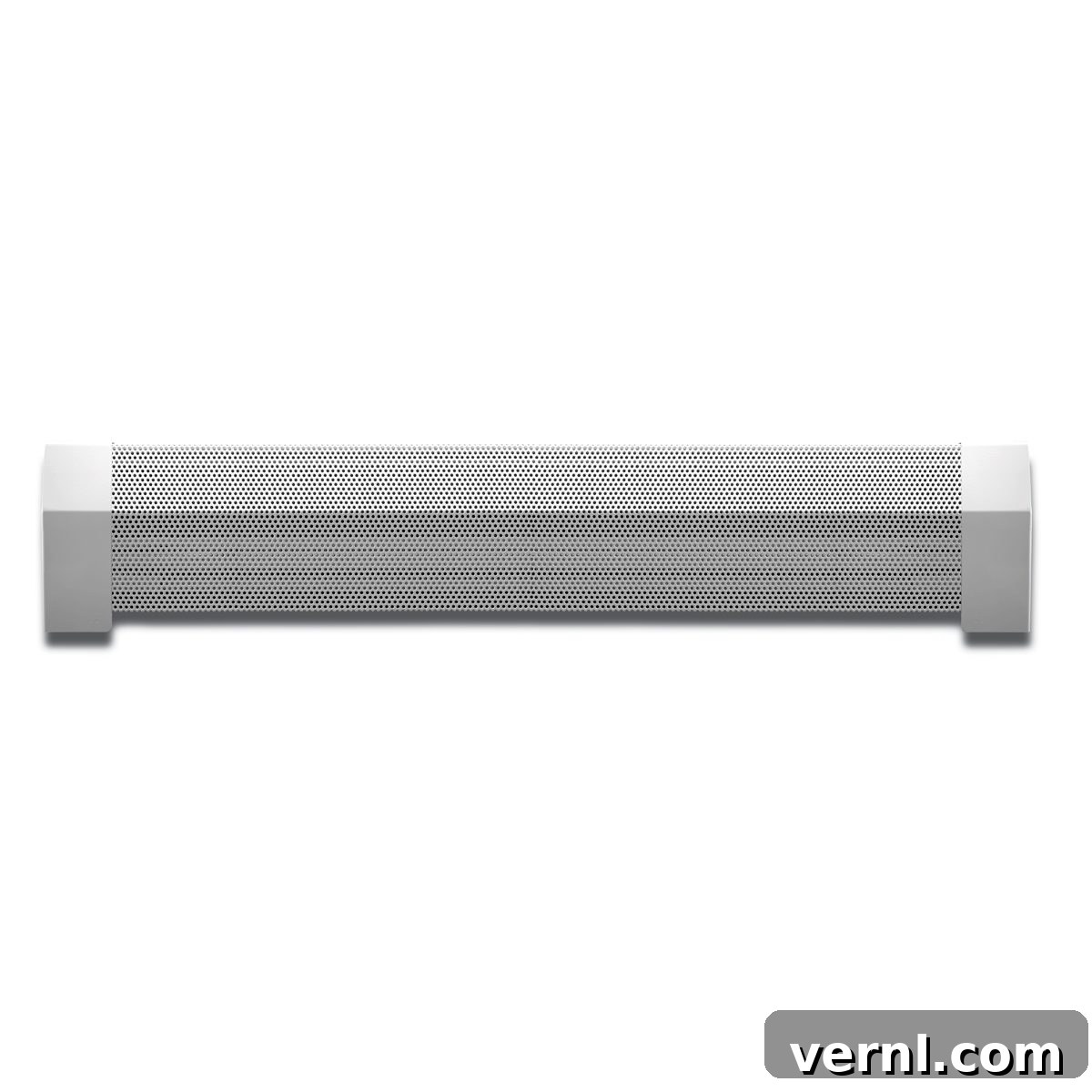
- Material: Common materials include sturdy steel (often powder-coated for durability and rust resistance) and high-quality plastics. Steel offers a robust feel and classic look, while plastic options can be lighter and very easy to maintain.
- Style and Finish: From minimalist modern designs to more traditional profiles, choose a style that complements your home’s existing decor. Common finishes include crisp white, subtle off-white, or even customizable options that can be painted to match your walls.
- Compatibility: Ensure the replacement covers are designed to fit over your specific type and size of hydronic heating elements. Most aftermarket options are designed for universal fit over standard baseboard heater dimensions, but it’s always wise to double-check.
- Ease of Cleaning: Look for designs with smooth surfaces and minimal grates to facilitate easy dusting and cleaning, further improving air quality.
Long-Term Benefits and Maintenance
Once your new baseboard covers are installed, you’ll immediately notice the difference. Not only will your rooms look cleaner and more modern, but you’ll also enjoy the long-term benefits:
- Lasting Beauty: Modern materials and finishes are designed to withstand daily wear and tear, resist rust, and maintain their appearance for many years.
- Simplified Maintenance: Keeping your heating system clean becomes a breeze. A quick wipe down with a damp cloth is usually all that’s needed to keep your new covers looking pristine.
- Enhanced Home Comfort: A clean and aesthetically pleasing environment contributes to a more comfortable and enjoyable living space.
Conclusion: A Smart Investment for a Smarter Home
Don’t let old, rusty baseboard heaters detract from the beauty and comfort of your home any longer. While full replacement is costly and sanding/painting is laborious and often temporary, opting to replace just the front covers and end caps offers an unparalleled combination of ease, affordability, and impactful results. It’s a smart, DIY-friendly home improvement project that instantly updates your interior, improves cleanliness, and can even contribute to more efficient heating. Explore the wide range of aftermarket options available online and at home centers, and get ready to transform your living spaces with minimal effort and maximum reward. Your home, and your heating system, will thank you.