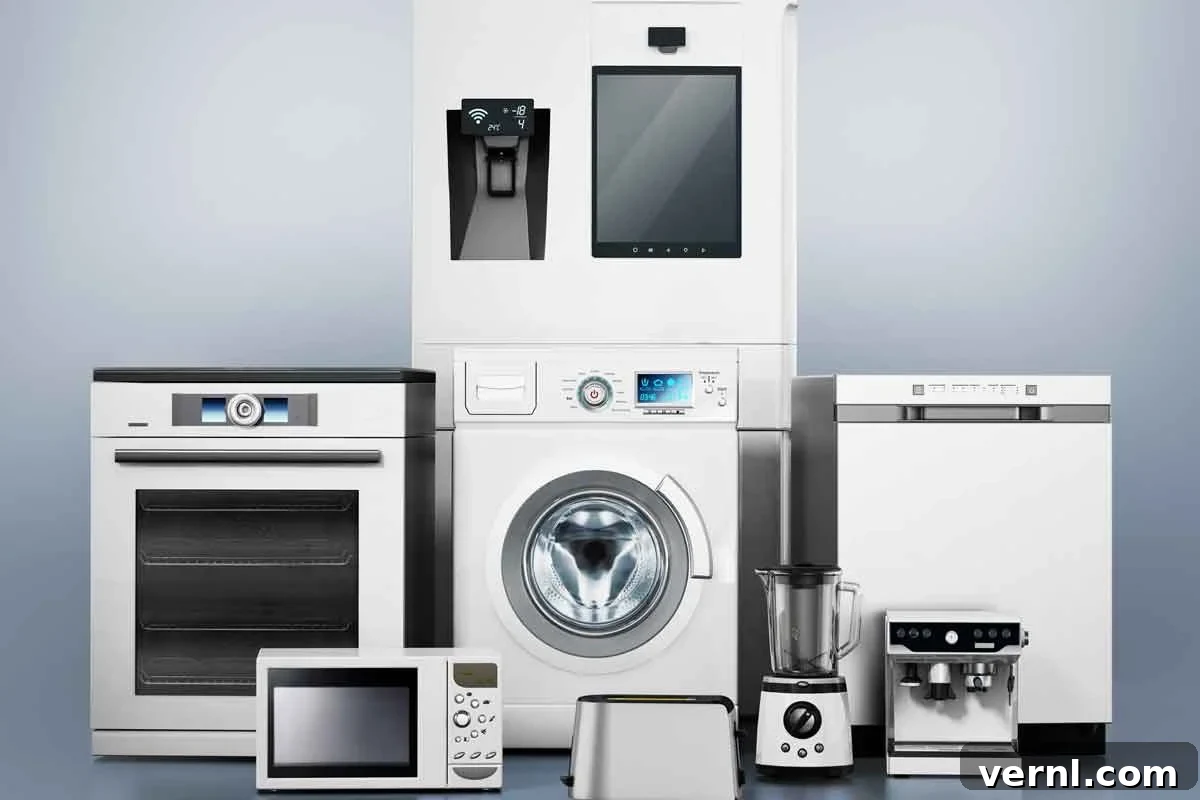
Welcome to New Homeowner Bootcamp, Family Handyman’s essential guide for navigating the challenges of homeownership, from little-known post-purchase tasks to money-saving maintenance and upgrades. Dive into this comprehensive resource to master the art of maintaining your most valuable asset, ensuring comfort, safety, and long-term value.
Becoming a homeowner is an exciting milestone, yet it comes with the inherent responsibility of maintaining your property. A fundamental truth of homeownership is that components, systems, and appliances within your dwelling will inevitably wear down, break, and eventually require replacement. Understanding when to repair and when to replace is a critical skill for any homeowner, enabling smart financial decisions and proactive maintenance. This guide, developed with insights from the International Association of Certified Home Inspectors (InterNACHI), offers a realistic look at the expected lifespans of various home components, helping you plan for future upgrades and avoid unexpected expenses. From major structural elements like your roof and deck to everyday appliances such as your dishwasher and refrigerator, we’ll help you anticipate future needs and budget wisely.
Understanding Home Component Lifespans: A Homeowner’s Essential Guide
While many household appliances may outlive their warranties by several years, nothing lasts forever. Even robust structural elements like roofs and decks, while designed for longevity, have a finite operational life. Knowing these approximate lifespans allows you to perform timely maintenance, extend usability, and make informed decisions about repairs versus full replacements. This proactive approach minimizes disruptions, enhances energy efficiency, and protects your home’s value.
Exterior Replacements: Safeguarding Your Home’s First Impression
The exterior of your home is not only its aesthetic facade but also its primary defense against the elements. Understanding the lifespan of these crucial components is key to maintaining structural integrity and curb appeal.
Deck
A deck provides an invaluable outdoor living space, but its longevity is heavily influenced by local climate, usage, and diligent maintenance. According to InterNACHI, a traditional wood plank deck can typically last around 15 years. However, if you’ve invested in pressure-treated wood, you can expect a significantly longer lifespan of 10 to 30 years due to its enhanced resistance to rot and insect damage. Composite decking, known for its low maintenance, generally falls within an eight to 25-year range. To maximize your deck’s life, regular cleaning, sealing or staining, and prompt repairs of loose boards or fasteners are essential. Look for signs of rot, excessive splintering, or instability as indicators for repair or replacement.
Outside Materials
Many of your home’s exterior cladding materials are designed for extreme durability, often lasting the lifetime of the structure itself. Materials like brick, stone, vinyl siding, and fiber cement siding are remarkably resilient and rarely require full replacement. However, certain complementary elements have shorter lifespans. Aluminum gutters, vital for directing rainwater away from your foundation, and decorative wood shutters typically need replacement after approximately 20 years. Regular cleaning of gutters and inspecting shutters for rot or peeling paint can help extend their service, but eventually, material fatigue will necessitate an upgrade.
Roof
Your roof is arguably the most critical component of your home’s exterior, protecting everything beneath it from weather extremes. Its life expectancy varies dramatically based on geographic location, roof design, material type, and the consistency of its maintenance. High-end materials like tile, copper, or slate roofs are renowned for their incredible durability, often lasting more than 50 years, making them a significant but long-term investment. Wood shake roofs offer a natural aesthetic and typically provide around 30 years of service, while the more common asphalt shingles are expected to last about 20 years.
While spot repairs can often address minor issues, Florida-based roofer Mike Powell advises a full replacement if “30% or more of the roof is damaged or worn.” He explains that this is often “more cost-effective in the long term, especially if the roof is nearing the end of its expected lifespan.” This is particularly true for asphalt roofs, as “older asphalt shingle roofs become very brittle and lifting tabs to complete repairs can cause damage and make repairs difficult,” making comprehensive replacement a safer and more durable solution. Regular inspections, clearing debris, and ensuring proper attic ventilation are key to extending your roof’s functional life.
Foundations
The foundation is your home’s bedrock, engineered for immense longevity. While the foundation structure itself should typically last for centuries, its protective treatments have a more limited lifespan. Waterproofing applications and other foundation treatments usually require reapplication every 10 to 12 years to maintain their effectiveness against moisture intrusion. It’s crucial to monitor your foundation for any signs of settling, cracking, or water seepage, as these could indicate underlying issues that, if left unaddressed, could lead to costly structural problems. Proper drainage around your home is also vital for preserving foundation integrity.
Kitchen Replacements: The Heart of Your Home
The kitchen is a central hub for daily activity, and its components face constant use. Knowing when to update or replace appliances and fixtures ensures functionality and enhances your home’s resale value.
Cabinets
Kitchen cabinets are built for long-term use, with well-constructed units often lasting around 50 years. While their structural integrity endures, aesthetic trends change. Many homeowners opt to update them through refinishing, painting, or replacing doors and hardware to revitalize the kitchen’s look. Medicine cabinets, typically smaller and less robust, have a shorter expected life of about 25 years. Cabinets found in less high-traffic areas like garages and laundry rooms can be exceptionally durable, often lasting up to 70 years, while built-in closets are generally expected to last the lifetime of the house.
Countertops
The longevity of your countertops varies significantly by material. Premium stone countertops like granite, quartz, and marble are known for their exceptional durability and can last a lifetime with proper care. Solid surface materials, such as cultured marble and quartzite, offer a good balance of durability and aesthetics, typically lasting around 20 years. Laminate countertops, a more budget-friendly option, usually have a lifespan of 20 to 30 years, though they can be susceptible to chipping, scratching, or delamination over time. Regular cleaning and avoiding harsh chemicals or excessive heat are crucial for maximizing any countertop’s lifespan.
Dishwasher
For most dishwasher brands, an average lifespan of nine years is the norm. To ensure your appliance operates efficiently and lasts as long as possible, all manufacturers emphasize the importance of following the owner’s manual and regularly cleaning out the dishwasher filter and interior. Neglecting these simple maintenance tasks can lead to common issues such as poor cleaning performance, unusual noises, or even leaks, all of which might signal it’s time for a replacement.
Garbage Disposal
A convenient kitchen appliance, your garbage disposal can be expected to provide reliable service for at least 12 years. To extend its life, avoid putting fibrous foods, grease, or non-food items down the drain. Running cold water while operating the disposal and grinding citrus peels can help keep it clean and prevent odors.
Refrigerator
Your refrigerator, an essential appliance, typically lasts between nine and 13 years. Common refrigerator repairs often involve ice maker failure, issues with the main control board, or clogged drain lines. To prolong its life, regularly clean the condenser coils, ensure proper ventilation around the unit, and avoid overfilling. A refrigerator nearing the end of its life might run constantly, struggle to maintain temperature, or develop frequent leaks. Upgrading to a newer model can also offer significant energy savings.
Stovetop and Oven
The longevity of your kitchen cooktop and oven largely depends on their type and frequency of use. Gas ovens generally offer a longer lifespan, ranging from 10 to 18 years, while gas ranges can last 15 to 17 years. Electric ranges, on the other hand, typically last between 13 and 15 years. Regular cleaning, ensuring burners are free of debris, and avoiding excessive heat settings can help maintain their performance. Signs of needed replacement include uneven heating, persistent issues with igniters, or significant rust.
Laundry Room Replacements: Essential Home Care
The appliances in your laundry room work hard, processing countless loads over their lifetime. Understanding their lifespans helps you plan for efficient replacements.
Washing Machine
The average life of a washing machine spans five to 15 years, with proper care being a significant factor in extending its service. As a general rule, if a repair cost exceeds $500, it often makes more financial sense to consider investing in a new, more energy-efficient machine. The most common repairs include gasket and switch replacement, as well as addressing leaking issues. To maximize lifespan, avoid overloading, use the correct detergent for your machine type, and regularly clean the detergent dispenser and drum.
Clothes Dryer
The average life expectancy of a clothes dryer is around 13 years, though many units, especially gas dryers, can last considerably longer with diligent maintenance. To significantly extend your dryer’s life, consistently clean the lint trap after every load and ensure the dryer vent is professionally cleaned annually to prevent lint buildup, which is a major fire hazard and efficiency reducer. Furthermore, considering air drying clothes when feasible reduces wear and tear on the appliance. InterNACHI also suggests that galvanized steel dryer vents themselves require replacement after about 20 years to maintain optimal safety and performance.
Bathroom Replacements: Comfort and Functionality
Bathroom fixtures and flooring endure high humidity and frequent use. Knowing their expected lifespans helps prevent costly water damage and ensures a comfortable, hygienic space.
Toilet
Determining the exact lifespan of a toilet can be tricky, as the porcelain bowl itself can last for decades. However, the internal components (flapper, fill valve, handle) are subject to wear and tear. If you find yourself regularly rebuilding the toilet’s “guts” or experiencing recurring clogs that aren’t due to misuse, it might be a sign of worn-out internal parts that are readily replaceable. A more definitive sign for full replacement is a visible crack in the porcelain bowl or tank; in such cases, immediate replacement is necessary to prevent potential water damage. Modern toilets also offer water-saving benefits, making an upgrade worthwhile.
Water Heater
As a rule of thumb for water heaters, units older than 12 years should be considered for replacement, although it’s not uncommon for them to last much longer, especially tankless models. There are several clear indicators you shouldn’t ignore that suggest your water heater is nearing the end of its life: rusty colored water, rumbling noises emanating from the tank, and any signs of leaks. Regular maintenance, such as flushing the tank annually and checking the anode rod, can significantly extend its service life and efficiency.
Flooring
The lifespan of bathroom flooring varies widely by material. Solid wood flooring, if properly sealed and maintained in a bathroom environment, can last about 100 years or even more. Vinyl flooring offers a good balance of water resistance and durability, typically lasting about 25 years. Carpet, while not ideal for bathrooms due to moisture, will last about 10 years in other areas of the home, requiring consistent cleaning for longevity. When it comes to tile flooring (ceramic, porcelain, natural stone), its life expectancy depends on the type, quality of installation, maintenance, and amount of foot traffic, but new tile installed correctly will likely last 75 to 100 years—or as long as the house itself. Grout maintenance is key for tile longevity. Here are a few apartment repairs and maintenance you can do yourself.
Whole Home Replacements: Major Systems and Structures
These are the big-ticket items that ensure your entire home operates smoothly and safely. Planning for their eventual replacement is crucial for long-term home health.
Doors
Exterior doors, particularly those made of robust materials like steel or fiberglass, are typically designed to last the lifetime of a house. Interior doors, similarly, have a very long lifespan. However, screen doors and vinyl doors, which are lighter and more exposed, usually last about 30 years. Elegant French doors, often made of wood or composite materials, can serve well for 30 to 50 years. Regular inspection of weatherstripping, hinges, and locks can prolong the life and security of all your doors.
HVAC System
Your home’s heating, ventilation, and air conditioning (HVAC) system is a complex network of components. With consistent and proper upkeep, including regular filter changes and professional tune-ups, the entire system should provide reliable service for 15 to 25 years. Furnaces themselves average about 15 to 20 years. Many homeowners proactively choose to update their furnaces after 10 to 15 years to benefit from more efficient models, which can significantly reduce energy bills. HVAC pro Tim David aligns with this assessment: “If your system is nearing 15 years old or older and you have to call out an HVAC tech at least once a year for three years in a row then it’s time to replace your system.” He also notes that if you opt for a heat pump system, which efficiently handles both heating and cooling, you should budget for an expenditure ranging from $5,000 to $8,000 for installation.
Masonry
Masonry elements are among the most durable parts of any home. Brick fireplaces are expected to last the life of the house, offering timeless warmth and character. Brick walls are similarly robust, often extending past 100 years, requiring minimal maintenance beyond occasional mortar joint repair. Stone veneers and other masonry accents also boast exceptional longevity, contributing significantly to a home’s structural integrity and aesthetic appeal for generations.
Wiring/Electrical
The core wiring within your home is generally designed to last a lifetime, especially if it was installed to modern codes. However, individual electrical components, such as lighting controls, switches, outlets, and circuit breakers, typically have a shorter lifespan, usually a little more than a decade before they might need replacement or upgrading for improved safety and functionality. Outdated wiring (like knob and tube) in older homes may need full replacement for safety and to meet current electrical demands.
Faucets and Sinks
Faucets, with their moving parts and exposure to water, will generally work properly for an average of 15 to 20 years before drips, leaks, or aesthetic wear become an issue. Most sinks, whether made of porcelain, stainless steel, or composite materials, are very durable and can last around 50 years. Shower enclosures, including the pan and surrounding walls, also typically remain in good condition for 50 years, whereas shower doors, being more prone to mechanical wear and rust, usually last about 20 years. Whirlpool tubs, with their complex jet systems, have a lifespan ranging from 20 to 50 years, depending on usage and maintenance.
Paint
Both interior and exterior paint jobs typically last around 15 years before a new coat is needed. Exterior paint is subject to harsh weather conditions, UV exposure, and moisture, leading to fading, peeling, and chipping over time. Interior paint, while protected from the elements, can also fade, scuff, or simply become dated, signaling the need for a refresh. Proper surface preparation, using high-quality paints, and addressing minor damages promptly can help extend the life of any paint job.
Windows
The lifespan of windows varies by material and quality. Aluminum windows, common in some regions, have an average lifespan of 15 to 20 years. Wooden windows, known for their classic appeal, often last a little longer, around 30 years, but require more diligent maintenance, such as regular painting or sealing, to prevent rot and warping. Modern vinyl and fiberglass windows typically fall within a 20- to 40-year range, offering good durability and energy efficiency. Signs that windows need replacement include drafts, condensation between panes, difficulty operating, or visible frame damage. Upgrading to energy-efficient windows can also significantly improve your home’s insulation and comfort.
Being a knowledgeable homeowner is about more than just making repairs; it’s about understanding the lifecycle of your home’s essential components. By recognizing the typical lifespans and knowing the signs of wear, you can effectively plan for maintenance and replacements, ensuring your home remains a safe, comfortable, and valuable asset for years to come.
About the Experts
- Mike Powell is the owner of Red Flag Home Inspection in Tampa, FL, bringing invaluable insight from years of inspecting homes.
- Tim David is a retired HVAC tech with 25 years of experience. He has authored numerous books on HVAC topics and offers practical advice to homeowners at Airlucent.com.
Sources
International Association of Certified Home Inspectors: InterNACHI’s Standard Estimated Life Expectancy Chart for Homes; (2025)