
Embrace Autumn’s Splendor: A Comprehensive Guide to Growing and Caring for Fall Asters
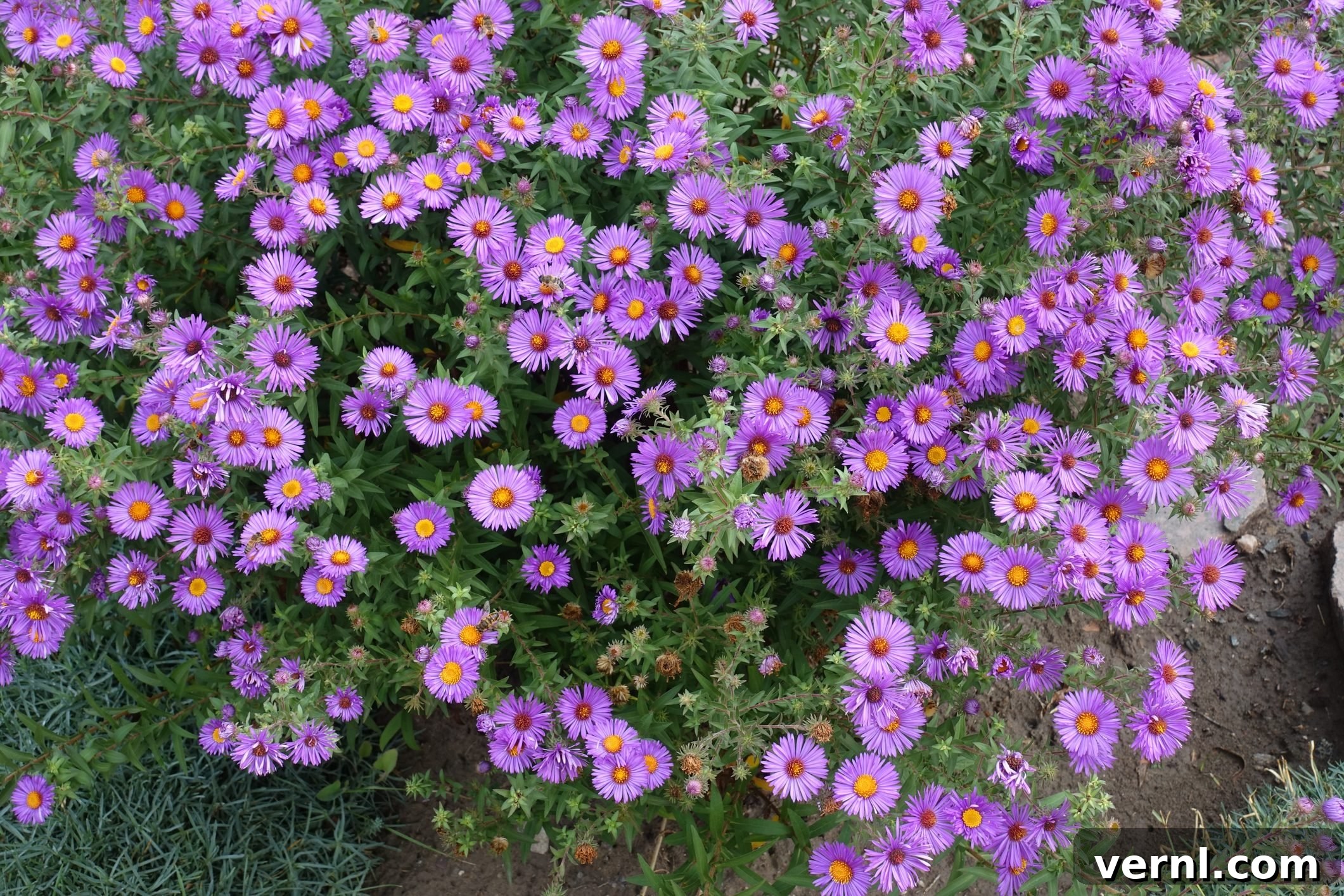
As the vibrant hues of summer begin to fade, many gardeners might assume their season of breathtaking blooms is drawing to a close. However, for those who cultivate fall asters, the garden’s grand finale is just beginning. Imagine a landscape adorned with a spectacular burst of purple, pink, and almost blue flowers, emerging triumphantly as other perennials gracefully retire for the season. Fall asters are a true highlight, reaching their peak towards the end of September, offering an unexpected delight of bright, cheerful colors precisely when they are needed most.
Mary Jane Duford, a certified Master Gardener and the visionary founder of Home for the Harvest, eloquently captures the essence of these remarkable plants: “Asters bloom late in the season with a mass of fresh purple flowers when many other plants have finished blooming. The dainty flowerheads attract bees, butterflies, and other vital pollinators, ensuring your garden remains a hub of activity even as temperatures cool. They are incredibly easy to grow and generally don’t require any special or demanding care, making them an ideal choice for gardeners of all experience levels.”
Are you eager to infuse your autumn garden with a dazzling pop of color and create a welcoming sanctuary for local wildlife? Fall asters are an exceptional choice, providing not only aesthetic appeal but also crucial ecological benefits. This comprehensive guide will walk you through everything you need to know about how to grow asters successfully, alongside invaluable tips for maintaining tidy stems, encouraging abundant blooms, and proactively preventing common diseases.
What Are Fall Asters? Unveiling the Late-Season Marvel
Fall asters are captivating native perennials renowned for their late-season blooming period, typically gracing gardens well after Labor Day. While their botanical genus name, Symphyotrichum, might be a bit of a tongue-twister, these charming flowers are almost universally recognized and affectionately referred to as asters. They are also widely known as New England asters or Michaelmas daisies, with the latter name stemming from their tendency to bloom around September 29th, a significant Christian feast day dedicated to St. Michael the Archangel.
While their beauty is undeniable, some gardeners express reservations about asters. Duford notes, “Some people do not like asters because the plants can look messy or floppy without proper support. In more formal landscapes, asters may be perceived as too wild or unkempt, diverging from a manicured aesthetic. Furthermore, certain types can spread quite aggressively, either by prolific seeding or via underground runners, potentially becoming overbearing neighbors in a shared garden space.” However, it’s important to understand that these challenges are easily manageable. By selecting appropriate varieties and implementing a few straightforward gardening techniques, you can cultivate asters that are both beautiful and well-behaved, preventing them from becoming unruly. The key lies in understanding the diverse types of asters available and tailoring their growing conditions to their specific needs.
Types of Fall Asters to Grow: A Spectrum of Autumn Hues
Fall asters offer a delightful range of colors and sizes, allowing gardeners to select varieties that perfectly complement their existing landscape design. “Asters are most commonly found in shades of vibrant purple, but they also grace us with beautiful pinks and pure whites,” explains Duford. “Their versatility extends to size as well, with varieties ranging from compact mounds to towering specimens.” Most asters demonstrate remarkable hardiness, thriving reliably in U.S. Department of Agriculture Plant Hardiness Zones 4 through 8. This broad hardiness range makes them accessible to a vast number of gardeners across different climates. Below are some of the most popular and reliable types of fall asters to consider for your garden:
- ‘Purple Dome’: A highly popular choice, this cultivar is hardy in Zones 4 through 9. It forms a neat, mounded habit, growing to a manageable two feet tall and wide. Its prolific display of dark purple flowers creates a stunning visual impact, resembling a vibrant dome of color, perfect for borders or mass plantings.
- ‘Raydon’s Favorite’: This robust aster is hardy in Zones 3 through 8 and grows to an impressive three feet tall. It is celebrated for its abundant, delicate lavender-blue flowers that completely cover the plant, creating a cloud of soft color. ‘Raydon’s Favorite’ is particularly valued for its drought tolerance once established.
- ‘Alma Potschke’: Thriving in Zones 4 through 8, this vigorous variety can reach up to four feet tall, making it an excellent choice for the back of a border. Its vivid, dark pink flowers are exceptionally bright and eye-catching, providing a powerful punch of color in the late season garden.
- Smooth Aster (Symphyotrichum laeve): Native and wonderfully adaptable, the Smooth Aster is hardy in Zones 4 through 8 and typically grows up to three feet tall. Its elegant flowers are a captivating shade of almost blue, often with yellow centers, offering a sophisticated touch to naturalistic or formal gardens alike. It’s known for its relatively smooth, hairless stems and leaves.
- Wood’s Asters (e.g., ‘Wood’s Blue’, ‘Wood’s Pink’, ‘Wood’s Purple’): These compact varieties are ideal for smaller spaces or the front of borders, hardy in Zones 4 through 8. They typically grow to just one foot tall and two feet wide, forming neat, bushy mounds. Varieties are available with stunning blue, charming pink, or rich purple flowers, offering a versatile palette for any garden design.
When selecting your asters, consider their mature size and spread, flower color, and hardiness zone to ensure they are well-suited to your garden’s specific conditions and your aesthetic preferences. Many of these varieties are also known for their resistance to powdery mildew, a common aster issue, making them even more desirable.
Should You Buy Plants or Sow Seeds for Fall Asters?
When it comes to establishing fall asters in your garden, purchasing mature plants is by far the most common and recommended approach. You can frequently find healthy aster plants readily available at your local garden center, especially in the fall when they are often in full bloom, allowing you to see their vibrant colors firsthand. Alternatively, plants may also be available in the spring, though they won’t have developed their characteristic fall flowers yet.
Asters are not typically grown from seeds for several reasons. Firstly, many seeds marketed simply as “asters” are often not true perennial fall asters, but rather summer-blooming annuals that merely bear a resemblance to their fall-blooming cousins. These annuals, while attractive, will not return year after year. Secondly, perennial asters, particularly named cultivars, are often hybrids. Growing these from seed often results in plants that do not accurately reproduce the characteristics of the parent plant, leading to variability in flower color, size, and habit. For gardeners seeking specific traits like compact growth or a particular shade of purple, purchasing established plants or divisions ensures genetic fidelity and predictable results. Propagation through division or cuttings is also much more efficient and reliable for these perennials.
How To Grow Fall Asters: A Step-by-Step Guide for Success
Once fall asters become established in your garden, they transform into remarkably low-maintenance fall flowers, demanding minimal extra care. However, to ensure the absolute best growing results and a robust display of blooms, strategic planting is crucial. The optimal time to plant asters is either in the spring or during the early fall. This timing provides the plant with a critical window to develop a strong, extensive root system before the onset of harsh summer heat or the freezing conditions of winter.
Delaying planting until too late in the fall can present significant challenges, particularly in climates experiencing freezing winters. As Duford emphasizes, “Most newly-installed perennials, including asters, require adequate time for their roots to grow outwards into the surrounding soil, extending beyond their original planting hole, before the ground succumbs to severe cold. If planted too late, the roots may remain shallow and weak, hindering the plant’s ability to anchor itself and absorb nutrients efficiently. Shallow roots are highly susceptible to drying out during dry spells, freezing during winter frosts, or even being pushed out of the ground by frost heave, all of which can lead to plant loss.”
To pinpoint the ideal planting window, Duford strongly advises gardeners to “look up the average first frost date for your specific area, and then set a reminder for 6 to 8 weeks prior to that date to plant your asters. This period typically represents the most favorable window for planting hardy perennials like asters in cooler climates. It allows sufficient time for the intense heat of summer to subside, creating more temperate conditions, while also providing ample opportunity for the roots to establish themselves firmly beyond the confines of the planting hole before winter sets in.” This thoughtful approach to timing lays the groundwork for vigorous growth and a stunning floral display.
Tips for Planting Fall Asters
To ensure your fall asters thrive and produce an abundance of blooms, proper site selection and planting techniques are essential. Asters flourish best in locations that receive full sun to part shade. While they can tolerate some shade, providing at least 6 hours of direct sunlight daily will encourage the most vigorous growth and prolific flowering, as well as help prevent leggy stems. Critically, they require well-draining soil. Standing water or consistently soggy conditions can lead to root rot and other fungal diseases, significantly impacting plant health. If your soil is heavy clay, amend it generously with organic matter like compost or aged manure to improve drainage and aeration.
To plant an aster:
- Prepare the Hole: Dig a planting hole that is the same depth as the container your aster is growing in, but at least twice as wide. This allows ample space for the roots to spread out comfortably.
- Remove the Plant: Carefully remove the aster from its nursery container. If the plant appears root-bound (roots circling the pot), gently tease them apart or make a few vertical slits along the root ball with a clean knife. This encourages the roots to grow outwards into the new soil rather than continuing to circle.
- Position the Plant: Place the aster in the center of the prepared hole, ensuring the top of the root ball is level with the surrounding soil surface.
- Backfill and Water: Backfill the hole with the soil you dug out, gently firming it around the plant to remove any large air pockets. Avoid burying the crown of the plant too deeply. Immediately after planting, water the aster thoroughly until the soil is consistently moist, helping to settle the soil around the roots.
Wondering how far apart to space asters for optimal growth and air circulation? Spacing requirements for asters depend primarily on the specific cultivar you choose and its mature size. Duford advises that “the typical range for spacing asters is approximately 12 to 24 inches apart. More compact types, such as the Wood’s Asters or ‘Purple Dome’, can be planted closer, around 12 inches apart. Taller or more aggressively spreading varieties, like ‘Alma Potschke’ or some of the New England Asters, will require more generous spacing, needing about 24 inches between plants to allow for ample air circulation and to prevent overcrowding. Proper spacing is crucial not only for plant health and bloom production but also for reducing the risk of fungal diseases like powdery mildew.”
Tips for Caring for Fall Asters
Once established, fall asters are wonderfully resilient, but a few routine care practices will ensure they remain healthy, floriferous, and a stunning focal point in your autumn garden.
- Watering: Established fall asters are remarkably drought-tolerant and typically do not require supplemental watering during dry spells in the summer. Their deep root systems allow them to access moisture from deeper soil layers. However, newly planted asters will need more consistent moisture to establish. Water them deeply once a week if you haven’t received sufficient rainfall. Always aim to water at the base of the plant to keep foliage dry, which helps prevent fungal issues.
- Fertilizing: In most well-amended garden soils, fall asters are not heavy feeders. Often, a simple layer of organic compost spread around the base of the plants in spring or fall is all that is needed to replenish soil nutrients and improve soil structure. It’s crucial to “avoid nitrogen-rich soil or fertilizers,” warns Duford, “as excessive nitrogen can encourage an abundance of lush, green vegetative growth at the expense of fewer, smaller flowers. Instead, opt for balanced fertilizers or those with a higher phosphorus content if a boost is deemed necessary, though compost is usually sufficient.”
- Dividing: Fall asters, being vigorous perennials, tend to grow outwards from the center of the plant each year. Over time, this can lead to a “donut effect,” where the center of the clump becomes bare and less vigorous, with most of the growth occurring on the outer edges. If you notice this happening, typically every 2-4 years, it’s a clear sign that the plant needs dividing. To do this, carefully dig up the entire aster clump in early spring or fall. Using a sharp knife or a sturdy shovel, divide the clump into several smaller sections, ensuring each section has healthy roots and several strong shoots. Replant the vigorous outer sections, discarding the woody, unproductive center. Dividing not only rejuvenates the plant, promoting healthier growth and more abundant blooms, but also provides you with extra plants to share with fellow gardeners or to propagate elsewhere in your garden.
- Deadheading & Pinching (The Chelsea Chop): While fall asters do not strictly require deadheading for continuous bloom, cutting back spent flowers in early winter can prevent them from self-sowing excessively in the garden, which can be an issue for some spreading varieties. However, many experienced gardeners, including myself, employ a technique called “pinching” or “The Chelsea Chop” in late spring to early summer. This involves cutting back each stem by a few inches (about one-third of its height) around late May or early June (around the time of the Chelsea Flower Show, hence the name). This practice encourages the plant to branch out, resulting in a bushier, more compact growth habit and ultimately a greater profusion of smaller, but numerous, blooms in the fall. You can repeat this process a month or so later, but it’s vital to “not cut back stems after mid-summer (typically around July 4th),” advises Duford, “as you risk cutting off the developing flower buds that will form your spectacular autumn display.” The Chelsea Chop is an excellent way to control plant height, prevent flopping, and maximize your aster’s flowering potential.
Frequently Asked Questions About Fall Asters
How do I prevent asters from getting too tall or floppy?
Preventing asters from becoming leggy or flopping over is a common concern for gardeners, but it’s easily managed with a few strategic approaches. Duford advises, “Start by selecting a cultivar that is naturally predisposed to a more compact and sturdy growth habit in the first place. Many newer cultivars have been specifically bred to possess shorter, stronger stems, making them inherently less prone to flopping.” For those varieties that naturally grow quite tall, she recommends implementing proactive pruning techniques. “Cut the stems back by approximately one-third of their length in late spring, and you can even repeat this process in early summer if you desire a more compact plant. This practice, often referred to as ‘The Chelsea Chop,’ encourages bushier growth and stronger stems that are better able to support the weight of the abundant fall blooms.” Furthermore, ensuring your asters receive ample sunlight is paramount; “Asters that get plenty of sun will naturally develop stronger, sturdier stems that are much less likely to flop,” she adds, as insufficient light can lead to weak, stretched-out growth.
Which pests or diseases commonly affect asters?
While asters are generally robust, they can be susceptible to a few common pests and diseases. The most prevalent disease to affect asters is powdery mildew, a ubiquitous fungal pathogen that thrives in conditions of high humidity, poor air circulation, and fluctuating temperatures. Duford describes it vividly: “It manifests as a distinctive grey, powdery coating on the leaves, typically starting on the lower foliage and progressively spreading upwards throughout the plant. This fungal infection significantly weakens the plant, diminishing its vigor and ultimately reducing the quality and quantity of its flowers.” Another common fungal disease, particularly problematic in cool, wet weather, is Botrytis blight. “This disease causes soft, brown spots to develop on the delicate flowers, young stems, and leaves, often leading to rot if conditions persist.”
To minimize damage from both of these fungal diseases, Duford strongly recommends several preventative measures: “Plant asters in a location that receives full sun and boasts excellent air circulation. Good airflow helps to quickly dry foliage and reduces the humid environment that fungi love. Additionally, when watering, avoid wetting the leaves by using a drip line, soaker hose, or watering directly at the base of the plant. If powdery mildew does appear, consider applying an organic fungicide, such as neem oil or a baking soda solution, at the first sign of infection.” Proper spacing between plants, as discussed earlier, also plays a crucial role in enhancing air circulation and preventing disease spread.
About the Expert
Mary Jane Duford is a highly respected certified Master Gardener, an innovative permaculture garden designer, and the visionary founder of the comprehensive gardening website, Home for the Harvest. Her unique background as a civil engineer brings a meticulous and scientific perspective to her approach to plant care, soil management, and sustainable gardening practices, offering gardeners practical, evidence-based advice.