
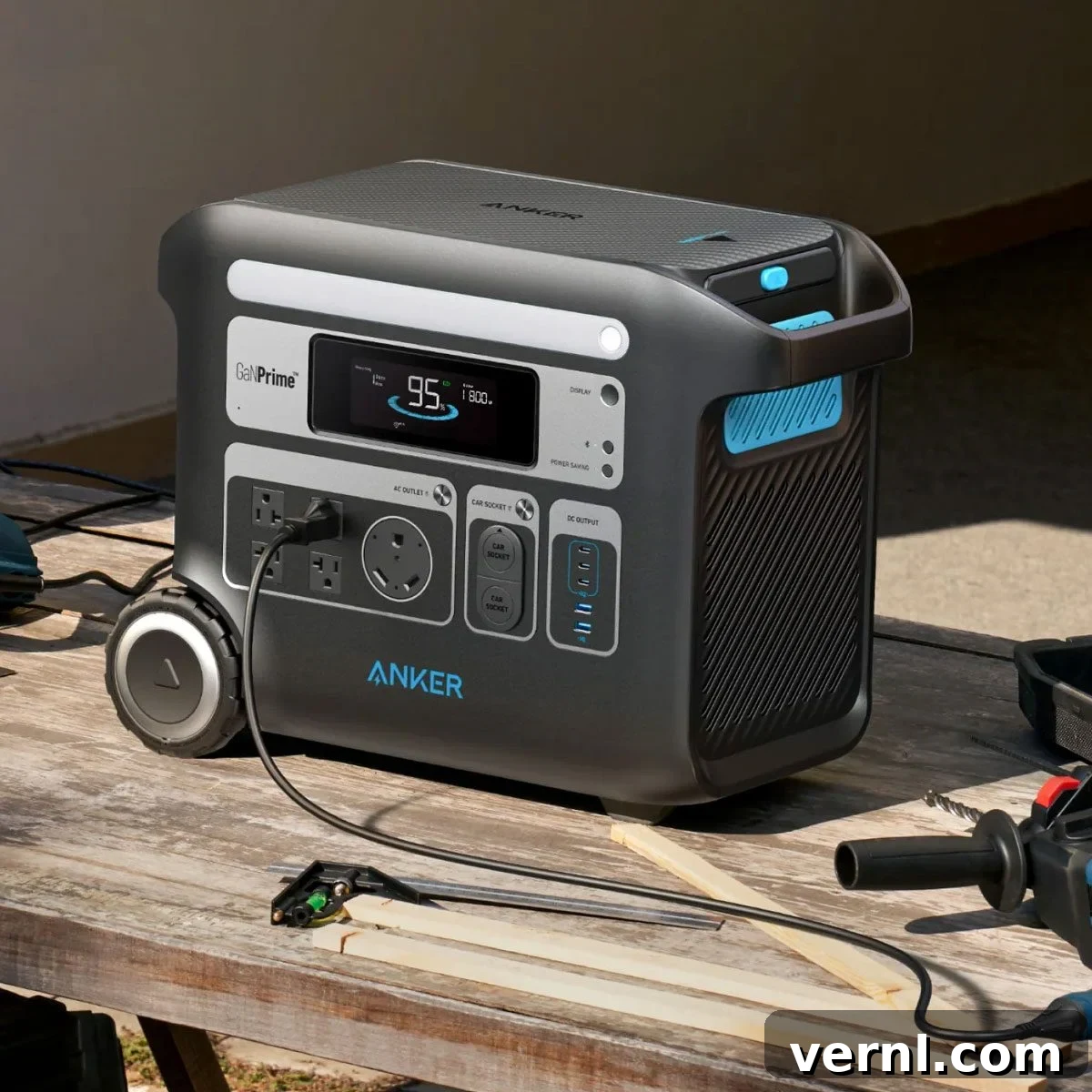
The Definitive Guide to Portable Power Stations: Your Quiet, Clean Power Solution
In an age where efficiency, sustainability, and convenience reign supreme, the era of noisy, fume-spewing generators is drawing to a close. Gone are the days of shouting over a droning engine on a construction site, dealing with angry neighbors disturbed by early morning power-up routines, or wrestling with the messy refuels and relentless maintenance demands of traditional gas and diesel units. A revolutionary shift in portable energy has arrived, making these frustrations a relic of the past: enter the portable power station.
Thanks to rapid advancements in battery technology and an ever-increasing consumer demand for cleaner, more reliable power, these battery-powered generators have matured into a practical, indispensable alternative. They stand out as quiet, environmentally friendly, and remarkably powerful, capable of running nearly any tool in your shed, charging essential devices, or providing crucial backup for your home. This innovation is fundamentally transforming how professionals approach trades, enhancing the freedom and comfort of recreational vehicles, and offering robust solutions for home backup power needs.
Over the past year, my partner and I embarked on an extensive testing journey, putting a dozen models through their paces. Our rigorous evaluations ranged from managing our quarter-acre property with electric lawnmowers and weed whackers, to powering mobile construction sites, and even keeping an off-grid refrigerator running continuously for weeks. This hands-on experience has given us a unique perspective on the rapid evolution and growing sophistication of this technology.
Whether your goal is to electrify a remote job site, enable a dynamic mobile workshop, or ensure your home remains powered during outages, understanding the nuances of these devices is crucial. Here’s a comprehensive breakdown of what we’ve learned about selecting a portable power station that perfectly aligns with your specific requirements and empowers your projects without compromise.
What Is a Portable Power Station?
Portable power stations, often interchangeably referred to as portable solar generators, are sophisticated, self-contained units designed to store and deliver electrical power. At their core, they are rechargeable battery banks, but they are far more than just oversized power banks. Each station integrates several key components: a high-capacity battery, an efficient charger, a powerful inverter, a built-in solar charge controller, and a versatile array of output ports. This combination allows them to serve as a complete, ready-to-use power solution.
The beauty of these stations lies in their flexible recharging capabilities. Most portable power stations can be conveniently recharged from standard wall outlets using alternating current (AC) power. For eco-conscious users or those operating off-grid, they can be replenished by portable solar panels, harnessing the sun’s energy. Additionally, many models offer the practicality of being recharged while you’re on the move, either via your vehicle’s 12-volt accessory outlet or through a more robust direct current to direct current (DC to DC) charger setup, ensuring you’re always ready for your next adventure or task.
The Anatomy of Power: Understanding Types of Portable Power Stations
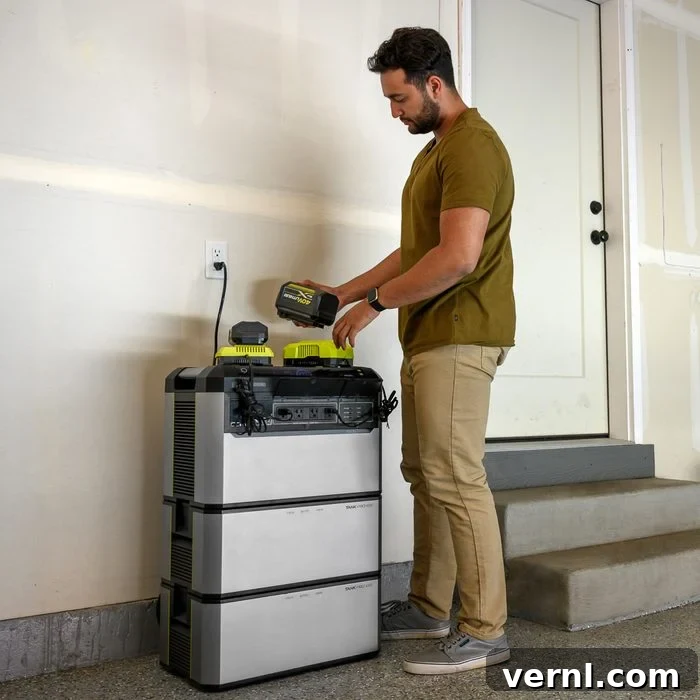
Portable power stations are meticulously designed with varying specifications to cater to a diverse range of power demands. They are primarily classified by three critical attributes: their overall energy capacity, the specific composition of their internal battery, and the strength of their integrated inverter. Understanding these distinctions is key to selecting the right unit for your needs.
At the smaller end of the spectrum, you’ll find compact “power banks” – devices small enough to slip into a purse or backpack, primarily intended for recharging personal electronics like smartphones, tablets, or laptops on the go. As you scale up, the offerings become more substantial. Larger power stations are engineered to support more demanding applications, capable of powering entire recreational vehicles, running heavy-duty tools on a job site, or serving as a robust backup power system for homes and workshops during grid outages. This versatility underscores their growing importance in modern power solutions.
Capacity in Watt-Hours (Wh): Powering Your Needs
The capacity of a portable power station is measured in watt-hours (Wh), which quantifies the total amount of energy the battery can store. To determine the appropriate capacity for your specific use case, a simple calculation is required: add up the wattage of the tools and appliances you intend to power, then multiply that by the duration you anticipate using them. For instance, a portable power station with a 2,000 Wh capacity can theoretically power tools consuming a total of 1,000 watts for two continuous hours. To give another practical example, a 1,000-watt drill used for just six minutes will consume approximately 100 Wh of power. This calculation ensures you choose a unit that won’t leave you in the dark or halt your work prematurely.
Battery Composition: The Heart of the Power Station
The vast majority of modern portable power stations utilize advanced lithium-ion battery technology, primarily falling into two categories: Nickel Manganese Cobalt Oxide (NMC) and Lithium Iron Phosphate (LiFePo4 or LFP). While NMC batteries have historically been prevalent, the industry is increasingly transitioning towards LFP technology for several compelling reasons. LFP batteries are significantly less prone to thermal runaway, a condition that can lead to overheating and potential safety hazards, making them a safer choice. Furthermore, LFP batteries boast an impressive average lifespan of 5,000 charge/discharge cycles, drastically outperforming NMC batteries, which typically offer around 500 cycles. This enhanced longevity and safety make LFP a superior choice for sustained, reliable performance.
Beyond these dominant chemistries, innovation continues. There is also at least one manufacturer pioneering the use of cutting-edge solid-state lithium technology. This emerging technology promises even greater energy density, faster charging times, and improved safety, potentially revolutionizing the portable power landscape further in the near future.
Inverter Capabilities: Converting Power Efficiently
The inverter is a crucial component within a portable power station, responsible for converting the stored direct current (DC) power from the battery into alternating current (AC) power, which is what most household appliances and power tools use. When selecting a portable power station, it is imperative to ensure that its inverter can competently handle both the continuous maximum alternating current (AC) watt output required by your tools and appliances, as well as their maximum surge wattage. The continuous AC watt output, often different from the total watt-hours capacity, indicates how much power the inverter can supply consistently. Equally important is the surge capability, which refers to the brief burst of higher power that many devices, especially those with motors (like saws, drills, or refrigerators), demand at startup. An inverter with insufficient surge capability will trip or fail to start these devices, underscoring the importance of matching the inverter’s specifications to your equipment’s power demands.
What Can Portable Power Stations Do? Unlocking Versatile Power
Portable power stations offer a multitude of benefits, redefining convenience and sustainability in various applications. Their capabilities extend far beyond simple device charging, empowering users with clean, reliable energy wherever it’s needed.
- Versatile Power Output: They can provide 240V AC, 120V AC, or 12V DC power, making them compatible with a wide array of tools, appliances, and electronic devices. This adaptability ensures you have the right type of power for virtually any need, from sensitive electronics to heavy-duty power tools.
- Enhanced Job Site Environment: By eliminating the noise and exhaust fumes associated with traditional gas generators, portable power stations significantly lessen your environmental and auditory impact on job sites. This creates a quieter, healthier, and more pleasant working environment, fostering better communication and reducing worker fatigue.
- Reduced Carbon Footprint: Opting for a battery-powered unit dramatically reduces your carbon footprint compared to gas and diesel-powered generators. When recharged with renewable energy sources like solar panels, they offer a truly green power solution, contributing to a healthier planet.
- Cost Savings with Solar Recharging: Integrating portable solar panels allows you to recharge your power station using free, abundant solar energy. This not only saves money on electricity bills or fuel costs but also provides energy independence, especially in remote locations or during extended grid outages.
- Maintenance-Free Operation: Unlike fuel-based generators that require regular oil changes, filter replacements, and spark plug maintenance, portable power stations are virtually maintenance-free. This translates to significant savings in time and money, allowing you to focus on your tasks without the hassle of routine upkeep.
- Emergency Home Backup: They serve as an invaluable resource during power outages, keeping essential home appliances, lighting, and communication devices operational. This ensures comfort, safety, and connectivity when the main power grid fails.
- Mobile Lifestyle Enablement: For RVers, campers, and outdoor enthusiasts, these stations provide silent, emission-free power for refrigerators, lights, cooking appliances, and electronics, enhancing the off-grid experience without disturbing nature or neighbors.
What Can’t Portable Power Stations Do? Understanding Limitations
While portable power stations are remarkably versatile, it’s equally important to understand their limitations to manage expectations and ensure safe, effective use. These boundaries are primarily dictated by battery technology, safety regulations, and the inherent physics of power delivery.
- Temperature Sensitivity: Most portable power stations, particularly their lithium-ion batteries, are sensitive to extreme temperatures. They cannot be used or recharged when ambient temperatures drop below freezing (0°C / 32°F) or climb higher than approximately 104 degrees Fahrenheit (40°C). Operating outside this optimal range can severely impact battery performance, reduce lifespan, and even pose safety risks.
- Airline Transport Restrictions: Due to strict aviation regulations concerning lithium-ion batteries, portable power stations typically cannot be transported on commercial airlines, especially in checked luggage, unless they are specially prepared and meet specific, often rigorous, criteria set by airlines and regulatory bodies. This usually means smaller power banks might be allowed in carry-on, but larger power stations are generally prohibited.
- High-Power 240V Limitations: While some advanced models offer 240V output, they generally cannot provide more than 25 amps of 240V power. This means they might not be suitable for running very heavy-duty 240V machinery or powering entire homes with high-demand appliances simultaneously, which typically require much higher amperage from a dedicated grid connection or a very large whole-home generator.
- Non-Unlimited Electricity: Portable power stations provide a finite amount of electricity based on their battery capacity. Unlike grid power or a constantly refueled gas generator, they require recharging once their stored energy is depleted. While solar panels can extend their operational time, they do not offer an “unlimited” power supply without a continuous and sufficient input source. Planning your power consumption and recharge strategy is essential for continuous use.
Best Portable Power Stations for Mobile Workshops and Job Sites
For professionals on the go or those managing dynamic job sites, selecting the right portable power station can dramatically enhance efficiency and productivity. Our top recommendations prioritize LFP battery technology for superior longevity and safety, boast fast recharge rates to minimize downtime, and offer substantial capacity to tackle demanding tasks. Furthermore, most of these units provide options for expansion batteries, allowing you to scale your power needs as required.
Anker Solix F3800: The 240V Powerhouse
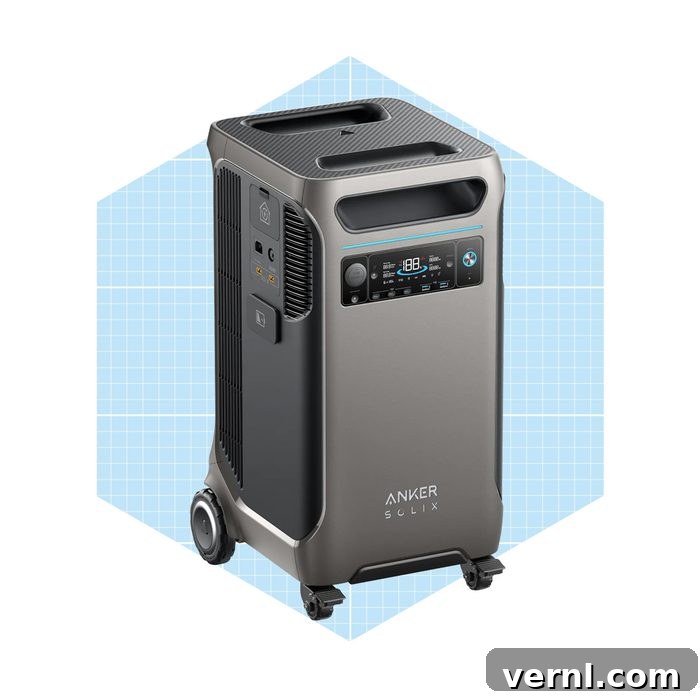
The 2024 release of Anker’s Solix F3800 was met with significant anticipation, and it has certainly lived up to the hype. This unit is a true game-changer, distinguished by being one of the first portable power stations to feature a 240V outlet. This capability means it can comfortably power virtually any 120V power tool, including specialized equipment like welders that draw less than 25 amps. Its versatility even extends to boosting an electric vehicle’s range by approximately eight miles, offering a crucial lifeline for EV owners. Adding to its robust feature set, it includes a 30-amp outlet, making it ideal for powering trailers or recreational vehicles, offering a comprehensive power solution for both work and leisure.
- Massive Capacity: Offers an impressive 3,800 Wh, with expandability up to a colossal 53.8 kWh through additional battery packs, ensuring long-duration power for the most demanding applications.
- Powerful Inverter: Features a robust 6,000-watt inverter, capable of handling an incredible 9,000 peak surge watts for up to 10 seconds, making it suitable for high-demand tools with significant startup loads.
- Rapid Recharge: Boasts a quick recharge time of approximately two hours, minimizing downtime and keeping you productive.
Goal Zero Yeti Pro 4000: Compact Power and Illumination
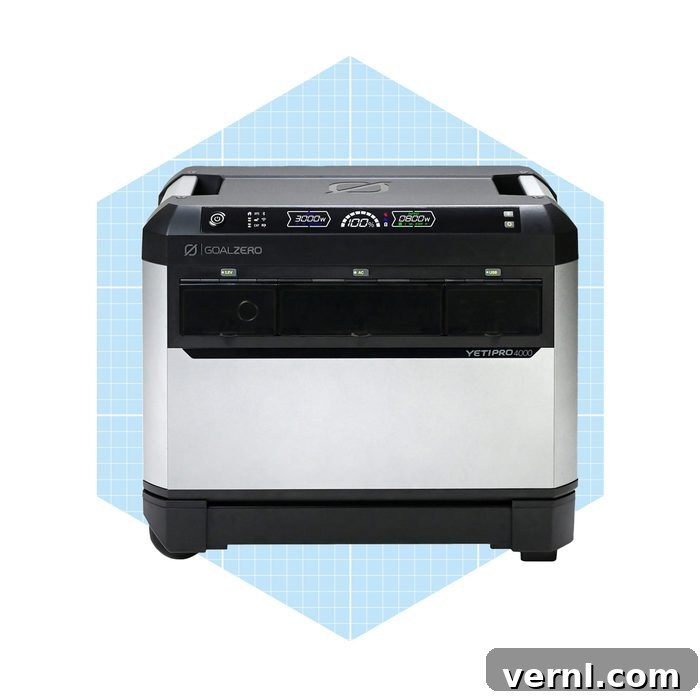
Another impressive new contender in the portable power market is Goal Zero’s Yeti Pro 4000. This unit packs a substantial 4,000 Wh of power into a sturdy, surprisingly compact form factor, making it highly portable for its capacity. It comes equipped with a 30-amp 120V outlet, perfectly suited for plugging in trailers or campers, providing reliable power for mobile living. Beyond its core power capabilities, the Yeti Pro 4000 seamlessly integrates with Goal Zero’s ecosystem, effortlessly running their innovative Skylight. This 6,000-lumen work light illuminates up to 300 square feet with a strikingly pleasant color temperature, transforming any workspace into a brightly lit, comfortable environment.
- High Capacity: Provides 4,000 Wh of power, expandable up to 20 kWh, offering ample energy for extended use.
- Strong Inverter: Features a 3,600-watt inverter capable of handling 7,200 peak surge watts, ensuring smooth operation for most power tools and appliances.
- Quick Turnaround: Recharges fully in approximately two hours, optimizing efficiency for continuous work or travel.
Anker Solix F2000: The Versatile and Portable Workhorse
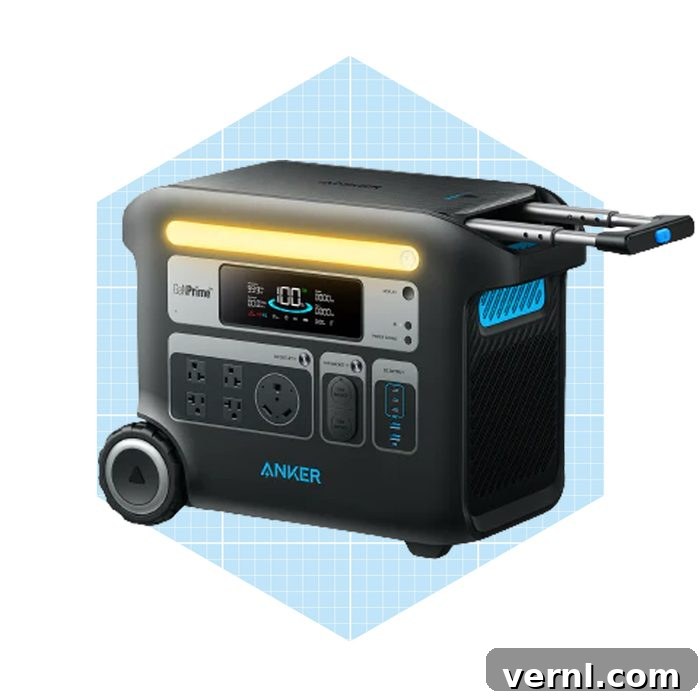
For users whose power demands are slightly less intense but still require robust performance, Anker’s Solix F2000 presents an excellent, more affordable, and notably easier-to-handle option. Its lighter weight makes it more convenient to lift in and out of vehicles, perfect for professionals who move between multiple job sites. Despite its more moderate capacity, it remains highly capable of powering a wide range of tools, making it an ideal choice for quick punch-list stops, general maintenance tasks, and most lawn care equipment. Furthermore, its inclusion of a 30-amp plug means it can effortlessly power basic systems in a trailer or camper throughout the day or even overnight, offering significant flexibility for both work and recreational uses.
- Balanced Capacity: Offers 2,048 Wh of power, expandable to 4,096 watt-hours, striking an excellent balance between capacity and portability.
- Reliable Inverter: Equipped with a 2,400-watt inverter that can manage a 2,800-watt surge, providing stable power for common tools.
- Efficient Recharging: Achieves a full recharge in approximately two hours, ensuring minimal interruption to your workflow.
Bluetti AC180: The Ultra-Portable Power Companion
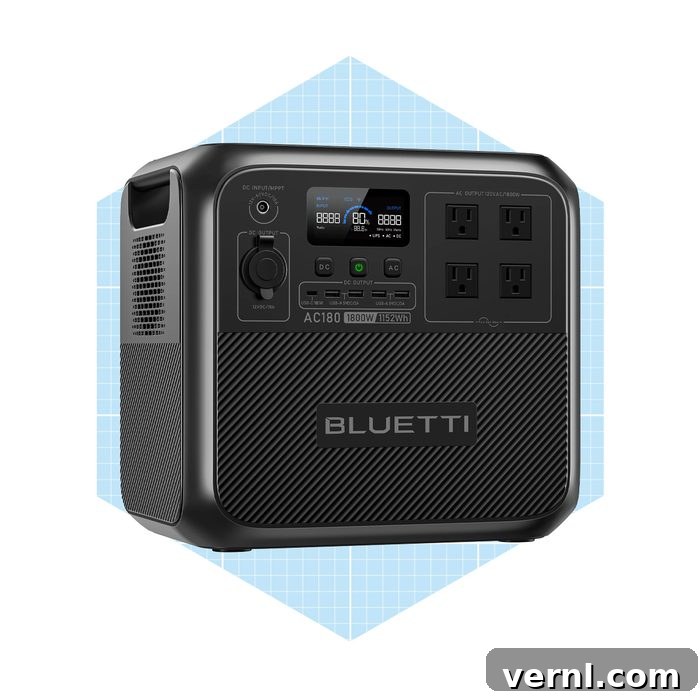
At a mere 38 pounds, Bluetti’s AC180 stands out as an exceptionally compact and easily portable power station, making it the perfect companion for personal projects, outdoor adventures, or light-duty professional tasks. This nimble unit is perfectly suited to keep your essential electronics—like a Bluetooth speaker, smartphone, and tool batteries—fully charged throughout an entire day. It also possesses sufficient power to run a drill and other lighter-duty tools, proving its utility beyond mere charging. We have also had extensive positive experiences with Bluetti’s larger, more robust models, such as the AC200L and the AC200Max. These are solid 2,400-watt stations that offer convenient battery expansion options, and we’ve put them through some rigorous, fun testing scenarios with impressive results.
- Portable Capacity: Offers 1,152 Wh, ideal for extended use of personal devices and lighter tools.
- Capable Inverter: Features an 1,800-watt inverter that can manage a 2,700-watt surge, suitable for a variety of small to medium-power electronics and tools.
- Lightning-Fast Recharge: Recharges in an incredibly swift hour, ensuring you’re back up and running with minimal delay.
Key Considerations When Choosing Your Portable Power Station
Beyond capacity, battery type, and inverter strength, several other factors should influence your decision to ensure you select the perfect portable power station for your needs:
- Output Ports: Look for a variety of AC outlets, USB-A and USB-C ports (including PD for fast charging laptops), and 12V DC ports (car port, DC5521). The more versatile the output options, the wider the range of devices you can power simultaneously.
- Recharge Options and Speed: Assess the available charging methods (wall outlet, solar, car, USB-C) and their respective speeds. Faster charging is crucial for high-demand users or those with limited access to power sources.
- Portability and Durability: Consider the unit’s weight, dimensions, and the presence of sturdy handles or wheels. If you plan to move it frequently, lighter and more rugged designs are preferable. Check for robust construction and IP ratings for dust and water resistance if used outdoors.
- Expandability: For future-proofing or evolving power needs, consider models that support additional battery packs. This allows you to increase capacity without buying an entirely new unit.
- Smart Features and Connectivity: Many modern power stations offer companion apps that allow remote monitoring and control of the unit’s status, power consumption, and settings via Bluetooth or Wi-Fi. Some even integrate with smart home systems.
- Safety Features: Ensure the unit has comprehensive safety features such as overcharge protection, short-circuit protection, over-temperature protection, and low-voltage protection to safeguard both the device and your connected electronics.
- Brand Reputation and Warranty: Choose reputable brands known for quality and customer support. A good warranty provides peace of mind and protection for your investment.
The Future of Portable Power
The landscape of portable power is evolving at an unprecedented pace. Innovations in battery chemistry, such as solid-state technology, promise even greater energy density, faster charging, and enhanced safety. The integration of artificial intelligence and machine learning could lead to more intelligent power management systems that optimize energy usage and predict charging needs. As the world increasingly shifts towards electric vehicles and renewable energy, portable power stations will continue to play a pivotal role, not just as backup solutions, but as primary power sources for a more sustainable and flexible lifestyle.
In conclusion, portable power stations have transitioned from niche gadgets to essential tools for a wide array of users. Their quiet operation, clean energy output, and robust capabilities make them a superior alternative to traditional generators. By carefully considering your power needs, understanding the technical specifications, and exploring the leading models available, you can confidently choose a portable power station that empowers your work, adventures, and home with reliable, sustainable energy.
[cf]skyword_tracking_tag[/cf]