
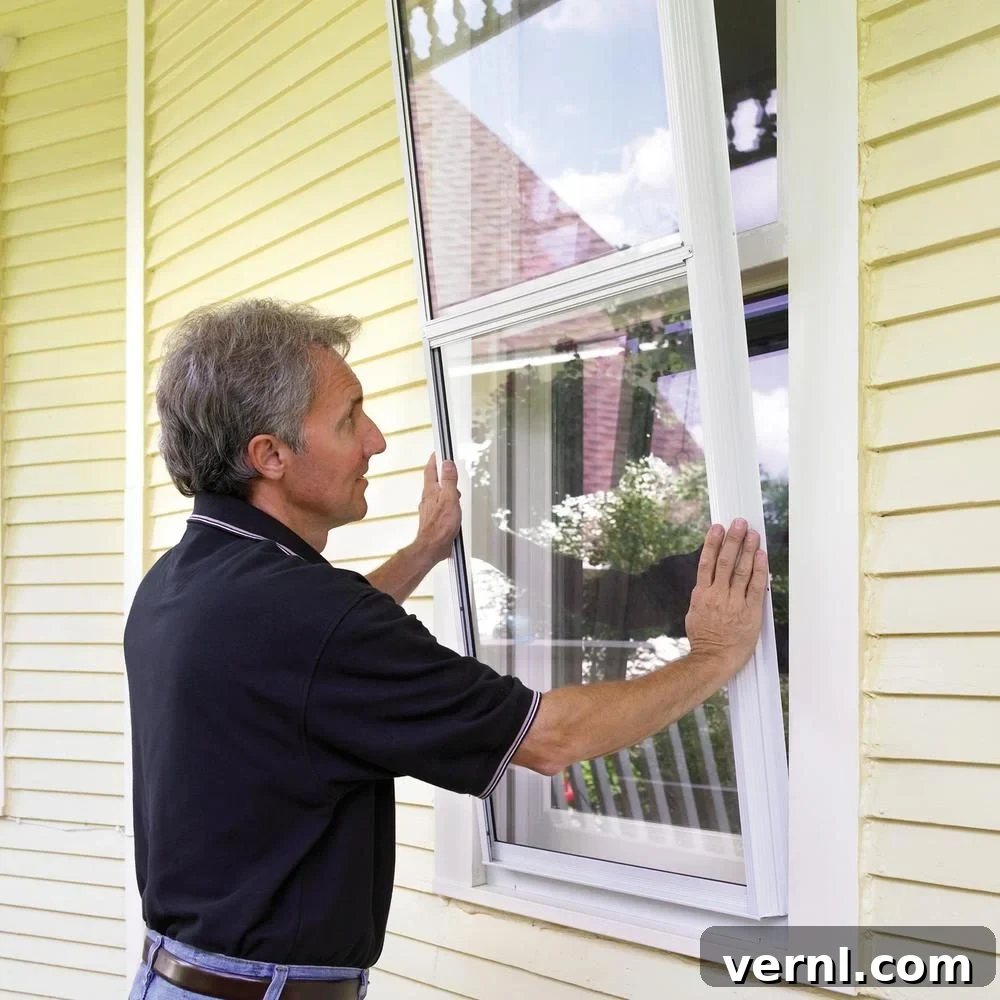
Are you looking for an effective, yet affordable, solution to enhance your home's energy efficiency and comfort without the significant expense of full window replacement? Insulating your home and extending the life of your existing windows can be achieved with a simple addition: storm windows. Installed on either the exterior or interior of your primary windows, storm windows offer a practical and budget-friendly upgrade. But what exactly are storm windows, and why are they becoming an increasingly popular choice for homeowners? This comprehensive storm window buying guide will walk you through everything you need to know, helping you decide if they are the right investment for your property.
What Are Storm Windows? A Smart Solution for Enhanced Home Performance
At its core, a storm window is a secondary window installed over or inside an existing window. While not drastically different from a regular window in concept, their specific design and purpose set them apart. Typically featuring frames made from durable materials like wood, aluminum, or PVC (vinyl), and glazed with glass or acrylic sheets, storm windows are precisely fitted into the existing window frame—either from the inside or the outside. They act as an additional barrier, creating an insulating air pocket between the primary window and the storm window.
Storm windows are particularly beneficial for dwellings equipped with older, single-pane windows, which are notorious for their poor insulation properties. By adding an extra layer, they significantly improve thermal performance, offering a substantial extra layer of insulation. This not only translates to a warmer home in the winter and a cooler one in the summer but also contributes to noticeable energy savings by reducing heat loss and gain. Beyond temperature regulation, storm windows also excel at soundproofing, dampening exterior noise and creating a more tranquil indoor environment.
Investing in storm windows can also extend the operational life of your existing windows by protecting them from harsh weather elements and UV degradation. This means homeowners can often postpone the significant expense of replacing windows altogether, making storm windows a savvy, cost-effective alternative. These versatile windows are readily available at most larger home improvement stores, offering a range of styles and materials to suit various needs and budgets.
Explore the Different Types of Storm Windows
Storm windows come in various configurations, primarily categorized by whether they are installed on the interior or exterior of your home. Each type offers distinct advantages and ideal use cases, catering to different aesthetic preferences, installation requirements, and performance goals.
Interior Storm Windows: Convenience and Airtight Protection
Interior storm windows are designed to fit snugly within your existing interior window frame. They are typically constructed with lightweight vinyl or aluminum frames and can feature solid glass, acrylic sheet, or durable vinyl panels. Some models are mounted seasonally, while others are simple single-hung windows that can open, allowing for ventilation when desired.
A key advantage of interior storm windows is their superior airtightness. Because they are often fitted with weatherstripping, they effectively keep out window drafts, making them exceptionally suited for improving the thermal performance of single-pane windows. Installation is remarkably straightforward—most interior storm windows simply pop into place and remain secure thanks to mechanisms like magnets, flanges, or compression fittings, requiring minimal to zero tools. This ease of installation makes them a fantastic DIY project.
Furthermore, interior storm windows are an excellent option for residents in apartments, condominiums, or multi-story homes where accessing exterior windows from a ladder might be challenging, restricted, or simply undesirable. They also minimize impact on a building's exterior aesthetic, which is particularly important for historic homes or properties with strict HOA guidelines. While generally highly effective at preventing drafts and improving insulation, they might need to be removed for thorough cleaning of the primary window and can sometimes interfere slightly with existing window treatments.
Exterior Storm Windows: Robust Protection and Versatility
Exterior storm windows are installed on the outside of your window frame, providing a robust shield against the elements. Available with vinyl, aluminum, and traditional wood frames, they come in a wider variety of configurations, most often including a screen for ventilation.
- Two-track storm windows feature a fixed half-pane of glass and a fixed screen on one track. A second track holds a movable glass pane that slides upwards, allowing fresh air into your home while keeping insects out.
- Two-track slider windows operate similarly to their vertical counterparts but open horizontally. They also typically include a fixed half-pane, a fixed screen, and a movable pane, offering flexible ventilation options for wider windows.
- Triple-track storm windows are the most versatile. They boast two separate movable glass panes and a movable screen, each on its own track. This design allows for maximum flexibility in ventilating your home, as you can adjust the glass and screen positions independently, and even pass objects through the open window when necessary.
- Basement storm windows are typically simpler, often featuring a single pane of glass that must be manually removed or popped out to allow air to enter through an integrated screen. They are designed for smaller, less frequently opened windows.
Exterior storm windows serve as a formidable barrier, protecting existing windows from harsh weather conditions, including strong winds, rain, and hail. They also significantly block cold air from infiltrating your home, contributing to better indoor comfort. For homes with vinyl-frame windows, an exterior storm window can even help preserve the original frame color by shielding it from prolonged UV exposure, which can cause fading over time.
It's important to note that exterior storm windows are generally not considered as airtight or insulating as interior options. This is primarily due to the inclusion of "weep holes" in their design. These small drainage holes allow any moisture that might accumulate between the two window panes to escape, preventing the buildup of condensation and potential damage. While essential for moisture management, weep holes do compromise the airtight seal slightly.
Many exterior storm windows are enhanced with Low-E (low-emissivity) glass. This specialized glass features a microscopically thin, transparent coating that helps regulate heat transfer. In winter, the Low-E coating reflects infrared heat back into your home, helping to retain warmth and reduce heating costs. Conversely, in summer, it prevents some infrared energy from entering the house, thereby reducing the load on your air conditioning system and lowering cooling expenses.
Aesthetically, exterior storm windows can alter the outside appearance of your home, which is a consideration for some homeowners. However, their primary advantage often lies in their permanence; they can be installed year-round and do not require seasonal removal and reinstallation, making them a more "hassle-free" choice for long-term protection compared to seasonal interior panels.
Cost-Benefit Analysis: Are Storm Windows the Right Choice for Your Home?
Deciding between storm windows and full window replacement is a common dilemma for homeowners. Understanding the situations where storm windows excel can help you make an informed decision that aligns with your budget and long-term goals.
When to Choose Storm Windows:
- Budget Constraints: If a full window replacement project is currently out of your budget, storm windows offer a significantly more affordable way to achieve noticeable energy savings and comfort improvements.
- Older, Single-Pane Windows: Homes with original, inefficient single-pane windows are prime candidates. Storm windows create the essential air gap needed for better insulation without altering the existing structure.
- Historic Preservation: For homeowners committed to maintaining the original aesthetic and materials of historic homes, storm windows provide modern performance while preserving classic charm. Many historic commissions approve interior or discreet exterior storm window installations.
- Specific Insulation Needs: If your primary concern is reducing drafts, improving thermal comfort, or mitigating outside noise, storm windows are highly effective.
- Delaying Full Replacement: Storm windows can buy you valuable time, extending the life of your existing windows for several years until you are ready for a full replacement.
When to Consider Full Window Replacement:
- Severe Deterioration: If your existing window frames are severely rotted, warped, or damaged beyond repair, storm windows won't address these structural issues.
- Significant Aesthetic Upgrade: If you desire a complete transformation of your home's appearance or wish to update to modern window styles, a full replacement is the way to go.
- Major Performance Issues: If your existing windows have operational problems (difficulty opening/closing), broken seals, or lead paint concerns, a full replacement offers a comprehensive solution.
- Long-Term Home Value: While storm windows add value through energy savings, new, high-quality replacement windows often offer a greater return on investment in terms of resale value and curb appeal.
Ultimately, storm windows present a compelling case as a cost-effective, immediate solution for improving energy efficiency, comfort, and window longevity, particularly for homes with older, drafty windows. By carefully assessing your home's needs and your financial readiness, you can determine if storm windows are the smart investment for you.
Storm Window Costs: An Affordable Investment in Home Efficiency
One of the most attractive aspects of storm windows is their significantly lower cost compared to full window replacement. Many homeowners opt for storm windows precisely to avoid or postpone the substantial expense of replacing older, drafty, or otherwise deteriorated windows.
To put this into perspective, consider the typical costs. An entry-level, single-hung vinyl window measuring approximately 35 inches by 47 inches can cost around $170 to $300, without installation. A higher-quality wood-frame, double-hung window with Low-E glass of a similar size could range from $400 to $700 or more, again, excluding labor.
By contrast, the same size two-track exterior storm window with Low-E glass might only cost around $100 to $250. An interior vinyl storm window panel from specialized suppliers like windowinserts.com can be even more affordable, starting from approximately $80 to $150 per unit. While custom-sized or high-performance storm windows can indeed cost considerably more than these quoted prices, the fundamental math remains consistent: insulating an entire house with storm windows is dramatically more cost-effective than a full replacement project, often saving homeowners thousands of dollars.
Factors influencing storm window costs include the frame material (vinyl generally being the least expensive, wood the most), the glazing type (standard glass vs. Low-E glass, acrylic), the complexity of the design (single-pane, two-track, triple-track), and whether it's a standard size or requires custom fabrication. Installation costs are typically minimal for DIY projects, but professional installation will add to the overall expense, particularly for exterior units on upper floors.
Storm Window Installation: DIY Friendly or Professional Touch?
The installation process for storm windows varies significantly depending on whether you choose interior or exterior models. This difference often determines whether it's a simple DIY task or one that might benefit from professional expertise.
Interior Storm Window Installation: The Easiest Option
Interior storm windows are renowned for their ease of installation, often requiring minimal to zero tools. Most designs are engineered for a simple "push-in" or "pop-in" fit. They typically secure into place using magnets, compression seals, or small flanges that sit within the existing window frame. This means an average homeowner with basic handiness can comfortably handle the installation themselves. The removal process is just as straightforward, making seasonal installation and storage a viable option for many.
Exterior Storm Window Installation: A Bit More Involved
Exterior storm windows, while still manageable for many DIY enthusiasts, generally require a bit more precision and a few basic tools. These windows usually come with predrilled holes, making it easier to attach them securely to your window frames. Anyone with fundamental DIY home improvement skills should be able to tackle storm window installation. Essential tools typically include a screwdriver (screws may or may not be included with the window unit), a putty knife for cleaning and sealing, caulk to create an airtight and watertight seal, and a caulk gun.
Key tips for exterior installation include accurately measuring your window openings, ensuring the storm window is plumb and level, and creating a tight seal with caulk to maximize energy efficiency and prevent moisture intrusion. It's crucial to understand the importance of proper sealing for hurricane windows or any storm window designed to withstand harsh weather.
For windows located on the second story or higher, especially if you're not comfortable working on a ladder, professional installation is highly recommended. Safety should always be the top priority. Many reputable stores where you purchase the windows offer installation services, or you can easily find a qualified professional in your area to ensure a safe and proper installation.
Storm Window Maintenance: Simple Care for Long-Lasting Performance
One of the appealing aspects of storm windows is their relatively low maintenance requirements. Beyond regular cleaning, they generally don't demand any special upkeep, making them a practical addition to any home.
Cleaning Interior Storm Windows:
For interior storm windows, maintenance is typically straightforward. If they are designed for seasonal removal, simply pop them out and wipe them down with a soft, clean cloth. When cleaning the glazing, always check the manufacturer's guidelines, especially before using harsh glass cleaner or other chemical solutions on vinyl or acrylic sheet panels, as some chemicals can cause damage or clouding.
Cleaning Exterior Storm Windows:
Maintaining exterior storm windows involves a few more steps due to their exposure to the elements. Start by opening your primary window to access the interior sill and tracks of the storm window; vacuuming these areas can remove accumulated dust and debris. Wash the interior-facing side of the storm window glass according to the manufacturer's suggestions.
To clean the outside surface of exterior storm windows, begin by brushing off any loose debris, such as leaves, dirt, or cobwebs, with a soft broom or cloth. Then, clean the glass accordingly, using a window cleaning solution and a squeegee or soft cloth for a streak-free finish. For windows on upper stories, consider professional window cleaning services for safety and thoroughness.
Ongoing Inspection and Care:
Regularly inspect both interior and exterior storm windows for any signs of wear and tear. Check weatherstripping for damage or compression, as this can impact airtightness. Ensure weep holes in exterior storm windows remain clear to allow moisture to escape. Address any significant condensation issues promptly, as this could indicate an improper seal or other underlying problems.
By following these simple maintenance practices, your storm windows will continue to provide effective insulation, protection, and enhanced comfort for many years to come, solidifying their value as a smart investment for your home.