
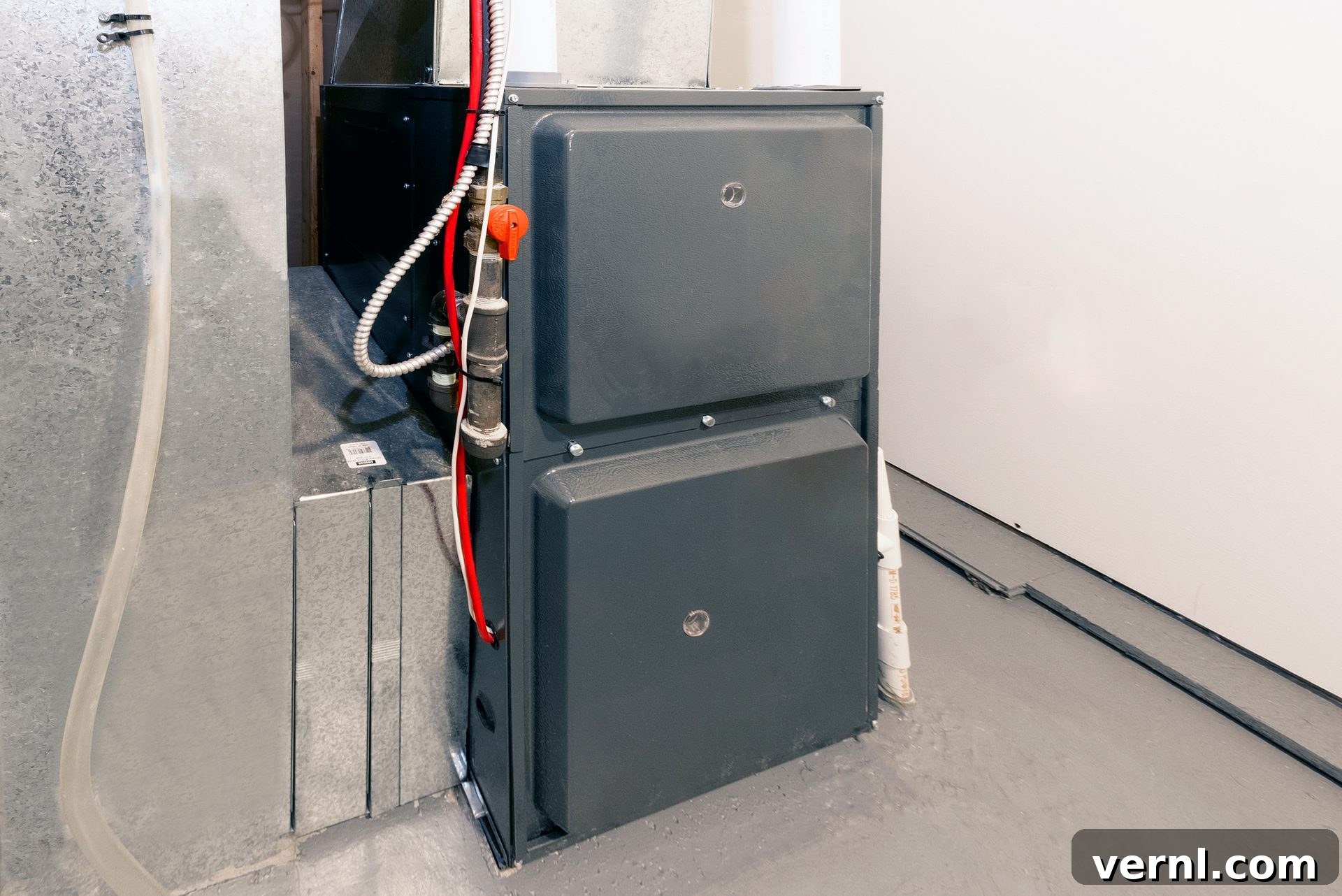
My journey into the world of furnace maintenance began with a rather challenging experience. Back in 2003, when I bought my first home, it came equipped with a gas furnace that appeared to be a relic from a bygone era, perhaps even the Carter administration. Operating this ancient appliance was incredibly expensive, and it had an annoying habit of shutting down at the most inconvenient times. We affectionately nicknamed it Clarice because we had to visit it so frequently to relight its stubborn pilot light.
Looking back, with the knowledge I possess today, I believe I could have extended Clarice’s life and improved its performance for a few more years. However, at the time, we decided a full replacement was the best course of action. This decision, though costly, ultimately propelled me into a much deeper understanding of home heating systems and furnace technology.
Clarice was, undeniably, an inefficient dinosaur. Its replacement was overdue. Modern furnaces are designed to meet stringent energy efficiency standards, boasting an annual fuel utilization efficiency (AFUE) rate of at least 80 percent. Clarice simply couldn’t compete with these benchmarks, and no amount of repair could bring it up to modern standards. Today, gas furnaces are even more advanced, with some models approaching 100 percent efficiency, drastically reducing both energy consumption and environmental pollutants.
For new homeowners, the days of simply calling the landlord when the heat goes out are over. Taking the time to understand your furnace is an invaluable investment. Not only will you be able to provide the necessary tender loving care (TLC) to keep it running smoothly, but you’ll also gain the ability to discern between minor issues you can fix yourself and more serious problems that demand professional intervention. This knowledge can save you significant time, money, and discomfort in the long run.
Beyond basic operation, you might also discover clever tips, like this simple furnace trick, that can refresh your entire home’s atmosphere.
What Is a Furnace? Understanding Your Home’s Heat Source
At its core, a furnace is a central heating appliance designed to generate and distribute heat throughout an entire building. It achieves this essential function by either burning a fuel source—such as natural gas, propane, or heating oil—or by utilizing electricity to activate resistive heating elements. The generated heat is then circulated through a system of ducts to warm the various rooms in your home, ensuring comfort during colder months.
It’s crucial to distinguish a furnace from a heat pump. While both provide heating, their operational principles are fundamentally different. A furnace *creates* heat, whereas a heat pump primarily *transfers* existing heat from one location to another, typically from the outdoors into your home. If your central heating system lacks an integrated air conditioner and is connected to an outdoor unit with a fan, you likely have a heat pump. Heat pumps, particularly geothermal models, require specific maintenance routines that differ significantly from those of a traditional furnace.
For those seeking a compact, reliable, and space-saving heating solution, especially in smaller homes or specific zones, a wall furnace might be an ideal choice. Understanding its operation and maintenance requirements can ensure efficient heating without consuming valuable floor space.
How Does a Furnace Work? A Deep Dive into Home Heating Mechanics
A modern furnace operates as part of a sophisticated system, working in seamless coordination with a room thermostat and an electronic control panel. This integrated approach ensures your home maintains a consistent and comfortable temperature.
The heating cycle begins when the thermostat, acting as the brain of your heating system, detects that the room temperature has dropped below its pre-set minimum. Upon this detection, it sends a crucial signal to the furnace’s control system, instructing it to initiate the heating process. Simultaneously, a powerful blower, housed within a larger structure called the air handler, also switches on. This blower is responsible for circulating warm air throughout your home via an extensive network of ductwork.
Many homeowners find furnaces intimidating due to their complex control systems and intricate internal components. Furnaces are equipped with a variety of safety sensors, switches, and high-limit fuses. These components are vital for safe operation but can wear out or malfunction over time, leading to heating issues. While some basic issues can be addressed by a handy homeowner, the diagnosis and repair of more complex control system problems are almost always best entrusted to a qualified and experienced HVAC technician. Their expertise ensures both the effectiveness of the repair and the safety of your system.
Types of Furnaces: Choosing the Right Heating System for Your Home
Virtually all modern furnaces are enclosed in sturdy rectangular metal cabinets and are primarily categorized by the type of fuel they consume. Most furnaces are integral components of a central forced-air heating system, operating in conjunction with an air handler. This air handler, which may be a separate unit or integrated into the furnace casing, is where the blower fan is located, responsible for circulating air throughout the supply and return ducts.
Electric Furnaces: Clean and Simple Heating
Electric furnaces represent a straightforward and often more compact heating solution. They feature high-voltage electrical heating elements that warm the air directly. The blower draws cool air into contact with these energized elements, heats it, and then circulates the now warm air back into your living spaces through the ductwork. A key advantage of electric furnaces is the absence of a combustion chamber, meaning they do not burn fossil fuels. Consequently, they do not require a flue or chimney for exhaust, simplifying installation and reducing certain maintenance concerns. While generally having a longer lifespan due to fewer moving parts and no combustion byproducts, their operating cost can be higher in regions with expensive electricity rates.
Standard-Efficiency Natural Gas/Propane Furnaces: The Traditional Workhorse
These furnaces are a common choice, particularly in areas with readily available natural gas lines. They operate on a combustion principle, requiring a sealed combustion chamber where natural gas or propane is ignited to produce heat. This heat is then efficiently transferred to the circulating air through a thermally conductive component known as a heat exchanger. The combustion gases, which contain byproducts like carbon monoxide, are safely vented outside the home through a flue, which typically extends through the roof into the open air. While effective, standard-efficiency models typically have an AFUE rating around 80%, meaning about 20% of the heat generated is lost through the exhaust.
High-Efficiency Natural Gas/Propane Furnaces: Maximizing Energy Savings
Also commonly referred to as condensing furnaces, these advanced heating systems boast significantly higher energy efficiency, with AFUE ratings typically greater than 90%. Their superior efficiency stems from the incorporation of a secondary heat exchanger. Unlike standard models where hot combustion gases are simply expelled, in condensing furnaces, these gases pass through this secondary heat exchanger. Here, the gases cool down to a point where the water vapor within them condenses, releasing additional latent heat. This recovered heat combines with the heat from the primary exchanger, further warming the air circulated by the blower. The byproduct of this condensation process, known as condensate, is a liquid that is safely carried away by a PVC drain pipe, usually directed through an exterior wall or into a floor drain. These furnaces not only offer substantial energy savings but also reduce your home’s carbon footprint.
Heating Oil Furnaces: A Regional Favorite
Heating oil furnaces share operational similarities with standard-efficiency gas furnaces. They feature a combustion chamber where heating oil, stored in a tank, is sprayed and ignited by a fuel pump. The heat generated is then transferred via a heat exchanger to the circulating air. Combustion gases are expelled through an exhaust flue, much like their gas counterparts. Oil-burning furnaces remain a popular and cost-effective heating option in specific regions of the Northern U.S. and Canada, where fuel oil may be more readily available or economically priced compared to natural gas or electricity. However, they require regular fuel delivery and can necessitate more frequent maintenance due to soot buildup.
How Long Does a Furnace Last? Factors Influencing Lifespan
The longevity of your furnace is a significant consideration for any homeowner, impacting long-term budgeting and comfort. Generally, electric furnaces tend to have the longest lifespan, often exceeding 20 years. This extended durability is primarily due to their simpler design; they contain fewer moving parts and lack a combustion chamber, which eliminates the corrosive byproducts of fuel burning. In contrast, gas or oil furnaces typically have an expected lifespan of around 15 years.
While it’s not uncommon for homeowners to keep their furnaces operational beyond this 15-year mark, it’s crucial to understand that performance usually begins to decline. An aging furnace might become less energy-efficient, leading to higher utility bills, and may require more frequent and costly repairs. Factors influencing a furnace’s lifespan include the quality of the initial installation, the frequency and thoroughness of maintenance, the climate (how often and intensely it runs), and the overall usage patterns of the household. Recognizing the signs of an aging furnace—such as unusual noises, frequent cycling, inconsistent heating, or a sudden spike in energy bills—can help you plan for a timely and less stressful replacement.
How to Maintain a Furnace: Essential DIY and Professional Care
Proactive furnace maintenance is key to ensuring its efficiency, extending its lifespan, and maintaining healthy indoor air quality. While some tasks require a professional, many vital maintenance steps can be performed by homeowners.
The most critical and frequent maintenance task for any homeowner with a forced-air furnace is the regular replacement of air filters. Your system will typically have one filter located in the air handler and sometimes another in the main return air register within the house. These filters trap dust, pollen, pet dander, and other contaminants, preventing them from circulating into your home and accumulating on internal furnace components. It is essential to replace these filters every three months of continuous operation, or even more frequently if you have pets, allergies, or conduct home renovations. Neglecting filter replacement can severely impede airflow, reduce furnace performance, increase energy consumption, and strain the system, potentially leading to costly repairs.
Other important maintenance tasks that homeowners can perform annually include:
- Clean the Blower Assembly: At least once a year, ensuring the furnace is completely powered off and cooled down, open the air handler compartment. Use a soft brush and a vacuum cleaner to carefully remove any accumulated dust and debris from the blower fins and the motor housing. A clean blower operates more efficiently and quietly. If you notice persistent squeaking or grinding sounds when the blower is running, a light application of specific lubricant (check your owner’s manual for recommended type and application points) along the motor’s axis where the fins rotate can often resolve the issue.
- Dust Off the Heat Exchanger: Dust acts as an insulator, inhibiting the efficient transfer of heat from the combustion chamber to the circulating air. With the furnace off, gently wipe down the exterior surfaces of the heat exchanger with a dry rag or use a soft brush attachment on a vacuum cleaner. A clean heat exchanger improves efficiency and reduces stress on the system.
- Inspect the Ductwork: Conduct a visual inspection of your home’s accessible ductwork, particularly in basements, attics, and crawl spaces. Look for any visible holes, tears, or gaps in the seams or joints. Leaky ducts can lead to significant heat loss, reducing efficiency and creating uneven heating zones. Patch these imperfections securely with aluminum foil tape (specifically designed for HVAC, NOT standard duct tape, which degrades over time).
If you own a gas furnace, these additional tasks are crucial for safety and performance:
- Check the Ignition System and Flame Condition: With extreme caution and following your owner’s manual, carefully remove the front access cover. Have someone briefly turn on the furnace (or engage the thermostat to call for heat) while you observe the ignition sequence. Ensure the igniter sparks and the burners light smoothly. Crucially, all flames should be a vibrant blue color, stable, and consistent. If you observe any orange or yellow flames, or if the flames appear to sputter or lift off the burner, it indicates incomplete combustion. This is a serious issue that suggests the burners are dirty or improperly adjusted, potentially leading to carbon monoxide production. In such cases, the burners require professional cleaning and adjustment immediately.
- Clean the Flame Sensor: The flame sensor is a vital safety device that detects the presence of a flame, signaling to the control board that combustion is occurring safely. Over time, it can become coated with soot or carbon residue, preventing it from accurately detecting the flame and causing the furnace to shut down prematurely. Once a year, following the specific instructions in your owner’s manual, carefully remove the flame sensor. Gently clean the metal rod with fine-grit sandpaper or an emery board to remove any buildup. Reinstall it securely. This simple cleaning often resolves intermittent furnace shutdowns.
For optimal performance and safety, scheduling an annual professional furnace tune-up is highly recommended. Technicians can perform deeper inspections, clean internal components, check for gas leaks, and ensure all safety mechanisms are functioning correctly.
Furnace Troubleshooting: Common Issues and When to Call a Pro
When your furnace malfunctions, it can be frustrating and uncomfortable. Often, the issue stems from problems with the control circuitry or incorrect thermostat settings. Before jumping to conclusions, always perform these preliminary checks:
- Check the Thermostat: Ensure it’s set to “Heat” and the temperature setting is higher than the current room temperature. Verify that the batteries (if applicable) are fresh.
- Check the Circuit Breaker: Locate your home’s electrical panel and identify the circuit breaker that controls the furnace. Ensure it hasn’t tripped to the “off” or middle position. Reset it if necessary.
- Clean the Flame Sensor: As mentioned in the maintenance section, a dirty flame sensor is a very common culprit for gas furnaces that shut down frequently or fail to ignite. Cleaning it can often resolve intermittent operation.
- Check the Air Filter: A clogged air filter can restrict airflow, causing the furnace to overheat and shut down as a safety measure.
If these initial checks don’t resolve the problem, or if you’re experiencing more complex symptoms like unusual noises (grinding, squealing, banging), strange odors (not related to initial startup dust burning), persistent pilot light issues (for older models), or inconsistent heating throughout your home, it’s best to leave the diagnosis and repair to qualified professionals. They have the specialized tools and expertise to safely identify and fix intricate mechanical or electrical problems.
Note: If you ever smell gas in the vicinity of your furnace or anywhere in your home, do not attempt to troubleshoot or turn off the furnace’s power directly if it requires touching the unit. Immediately turn off the gas supply to your home (if you know how to do so safely), evacuate the premises, and call your gas utility company and an HVAC technician from a safe location. This is a critical safety hazard that requires immediate professional attention.
How Much Does It Cost to Replace a Furnace? Planning Your Investment
Replacing a furnace is a significant home improvement investment, and the total cost can vary widely, typically ranging from $3,000 to $7,600. This price range usually includes the cost of the new unit, professional labor for installation, and any necessary permits required by local building codes. Several factors influence the final price:
- Type of Furnace: Electric furnaces are generally the least expensive to purchase and install due to their simpler design and lack of exhaust requirements. High-efficiency gas furnaces, especially those with advanced features and very high AFUE ratings (95%+), tend to be at the higher end of the cost spectrum due to their complex technology and higher material costs.
- AFUE Rating: Furnaces with higher Annual Fuel Utilization Efficiency (AFUE) ratings are more expensive upfront but offer substantial long-term savings on energy bills.
- Brand and Features: Premium brands or models with advanced features like variable-speed blowers, multi-stage heating, or smart thermostat integration will increase the overall cost.
- Installation Complexity: Factors such as the need to modify existing ductwork, upgrade gas lines or electrical wiring, remove an old unit, or install new venting for high-efficiency models can add to labor costs.
- Geographic Location: Labor rates and permit fees vary significantly by region.
- Rebates and Incentives: Always inquire about potential federal, state, local, or utility company rebates and tax credits for installing new, high-efficiency heating systems. These can significantly offset the initial investment.
Obtaining multiple quotes from reputable HVAC contractors is always recommended to ensure you get a competitive price and a professional installation.
Furnace Alternatives: Exploring Other Home Heating Options
While furnaces are a traditional and effective heating method, several viable alternatives exist that may better suit specific climates, home designs, or personal preferences.
- Heat Pumps: A highly efficient and increasingly popular alternative to a furnace, especially in many parts of North America. Modern heat pumps are remarkably versatile, capable of both heating and cooling a home. They operate by transferring heat, rather than generating it, making them incredibly energy-efficient. Contemporary models are engineered to provide effective heating even when outdoor temperatures drop significantly, some capable of warming a home in conditions as low as minus-10 degrees Fahrenheit. The U.S. federal government, recognizing their energy efficiency, began offering incentives in 2023 for homeowners looking to install new heat pump systems, making them an even more attractive option.
- Wood and Pellet Stoves: For homes with open floor plans or those seeking a rustic ambiance and renewable heating source, a wood stove or pellet stove can be highly efficient. Wood stoves burn logs, providing radiant heat, while pellet stoves burn compressed wood pellets, often offering a more automated and cleaner burn. Both options require a flue and regular fuel loading but can significantly reduce reliance on fossil fuels.
- Hydronic Heating Systems: This method involves heating water in a central boiler, which is then circulated through a network of pipes to distribute heat throughout the house. Hydronic systems can manifest in various forms, including traditional radiators, discreet baseboard heaters, or increasingly popular in-floor radiant heating pipes embedded beneath the flooring. Hydronic heat is renowned for its consistent, comfortable, and even warmth, often favored for its quiet operation and ability to create distinct heating zones within a home.
- Ductless Mini-Split Systems: While not a whole-home solution in the same way as a central furnace, ductless mini-split systems offer highly efficient heating and cooling for individual rooms or zones. They are excellent for additions, renovated spaces, or homes without existing ductwork.
Additionally, for those looking to maximize usable living space in their home, innovative solutions like relocating the furnace into the attic can free up valuable square footage in basements or utility closets.
Furnace FAQs: Common Questions and Parts Explained
Whether you’re new to homeownership or simply seeking to better understand your existing heating system, knowing the answers to common furnace questions and understanding its key components can empower you. Here are answers and resources to some of the most frequently asked questions about furnaces:
- How Does a Gas Furnace Work?
- What Are Furnace Energy Efficiency Ratings?
- Understanding the Different Parts of a Furnace
- What That Furnace Switch Is For
- What Is a Furnace Heat Exchanger?
- What Is a Furnace Inducer Motor?
- What Does a Furnace Pressure Switch Do?
- How Much Will It Cost to Replace a Furnace Blower Motor?
- Boilers vs. Furnaces: What’s the Difference?
- How to Choose Between a Heat Pump vs. a Furnace