
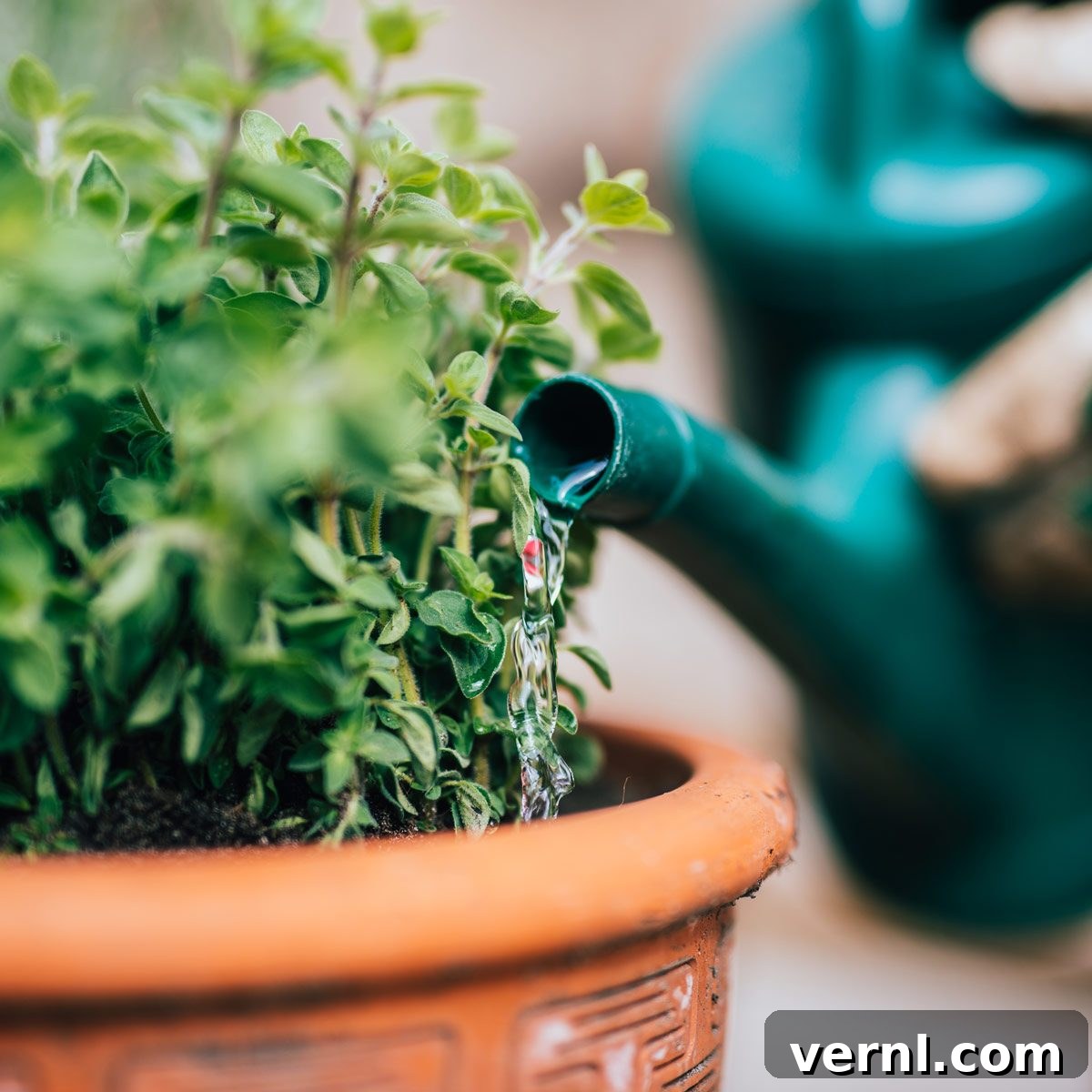
In many regions across the globe, water is a precious commodity, a resource that can no longer be taken for granted. Living in an arid climate or facing increasingly frequent drought conditions doesn’t mean you have to abandon the dream of a lush, vibrant garden. On the contrary, it presents an opportunity to cultivate a landscape that is both beautiful and sustainable. By adopting smart, water-wise gardening practices, you can significantly reduce your outdoor water consumption—often by 20 to 50 percent—while ensuring your plants thrive. This not only translates to a lower water bill but also contributes to environmental conservation, creating a resilient garden capable of weathering even the toughest dry spells.
Embracing water-wise gardening is a journey toward efficiency and ecological harmony. It involves a holistic approach, from understanding your soil to selecting the right plants and implementing smart watering techniques. The principles of sustainable landscaping are accessible to everyone, regardless of their gardening experience or location. Even if your area isn’t prone to extreme aridity, these strategies will enhance the health and longevity of your garden, making it more robust and less demanding.
The following expert tips, inspired by insights from leading horticultural organizations such as the National Garden Bureau and Gardener’s Supply Company, will guide you through the process of transforming your garden into a water-efficient oasis.
Improve the Soil for Optimal Water Retention
The foundation of any successful water-wise garden lies beneath the surface: in its soil. Healthy soil is like a sponge, capable of absorbing and holding significant amounts of water, making it available to plant roots over an extended period. Conversely, compacted or poor-quality soil either drains too quickly in sandy areas or retains too much water, leading to runoff and wasted resources.
To dramatically enhance your soil’s water-holding capacity, regularly supplement it with organic materials. Incorporating compost, finely chopped leaves, or well-rotted manure is paramount. These amendments introduce vital organic matter, which improves soil structure, aeration, and nutrient availability, all while acting as a natural reservoir for moisture. A practical guideline for maintaining and building healthy soil is to add at least one inch of compost to your garden beds each year. This consistent effort will gradually transform your soil, making it richer, more absorbent, and teeming with beneficial microbial life.
For sandy soils, organic matter acts as a binding agent, helping sand particles cling together to retain moisture and nutrients that would otherwise leach away. In heavy clay soils, it helps to break up compaction, creating pore spaces that improve drainage and allow roots to breathe, preventing waterlogging while still holding onto essential moisture. The result is a more resilient growing medium that minimizes water runoff and maximizes the efficiency of every drop you provide, fostering stronger, healthier plants that are naturally more drought-resistant.
Water Deeply and Infrequently for Stronger Roots
When it comes to watering, quality trumps quantity. Instead of frequent, shallow sprinkles that encourage weak, surface-level roots, aim to give your plants a solid, deep soak. This practice encourages roots to grow deeper into the soil, seeking out moisture and establishing a more robust, extensive root system. Deep-rooted plants are inherently more resilient to periods of drought and less susceptible to environmental stresses.
While traditional sprinklers can serve a purpose, they are notoriously inefficient, often losing a significant amount of water to evaporation and wind drift before it ever reaches the plant’s roots. A more effective solution is a soaker hose or a drip irrigation system. These methods apply water directly to the soil surface at the base of the plants, allowing for slow, consistent absorption with minimal waste. With a soaker hose, up to 90 percent of the water applied becomes available to your plants, a stark contrast to the 50 percent or less efficiency often seen with overhead sprinklers.
Watering deeply means moistening the soil to a depth of at least 6 to 12 inches, depending on the plant type. To check if you’ve watered enough, stick a trowel or a long screwdriver into the soil; it should slide in easily to the desired depth. The best time to water is in the early morning, reducing evaporation and allowing foliage to dry before nightfall, which helps prevent fungal diseases. Always remember to feel the soil first; water only when the top few inches feel dry to the touch, and then commit to a thorough, deep watering session.
Just Add Mulch: The Gardener’s Best Friend
Mulch is an indispensable tool in any water-wise garden. It acts as a protective blanket over the soil, providing a multitude of benefits that significantly reduce water evaporation and promote overall plant health. Spreading a generous layer of mulch is one of the most cost-effective and impactful ways to conserve moisture in your planting areas.
The primary benefit of mulch is its ability to suppress weeds. Weeds are fierce competitors for water and nutrients, quickly siphoning off resources intended for your cultivated plants. By preventing weed growth, mulch ensures that the water you provide goes directly to your desired plants. Beyond weed control, mulch also regulates soil temperature, keeping roots cooler in the summer and warmer in the winter, which reduces plant stress. It minimizes soil erosion from wind and rain, prevents compaction, and when using organic varieties, gradually enriches the soil as it decomposes.
Organic mulches are generally the best choice because they offer the added benefit of breaking down over time, contributing valuable organic matter and nutrients to the soil. Excellent options include grass clippings (ensure they are free of herbicides), evergreen needles, shredded leaves, wood chips, and straw. Aim for a layer of mulch that is 2 to 4 inches deep for optimal effectiveness, being careful to keep it a few inches away from plant stems and tree trunks to prevent moisture-related issues like rot or pest infestations. This simple application provides immense bang for your buck in terms of water savings and garden maintenance.
Save Rainwater: Harnessing Nature’s Bounty
Rainwater is a free, clean, and sustainable resource that every gardener should aim to capture and utilize. Unlike municipal water, rainwater is typically free of chlorine and other chemicals, making it ideal for plants. Harvesting rainwater not only reduces your reliance on treated tap water but also helps to mitigate stormwater runoff, which can carry pollutants into local waterways.
A simple yet highly effective way to collect rainwater is by placing rain barrels or a larger cistern beneath your downspouts. A surprisingly large volume of water can be collected from even a modest rainfall; for instance, a 1,000-square-foot roof can capture approximately 625 gallons of water from just one inch of rain. This stored water can then be used for irrigating your garden, watering container plants, or even for non-potable household uses, significantly cutting down on your water bill.
Beyond barrels and cisterns, consider integrating a rain garden into your landscape design. A rain garden is a shallow depression designed to capture and slowly absorb stormwater runoff from impervious surfaces like roofs and driveways. Planted with water-loving native species, these gardens not only manage excess water but also create beautiful, biodiverse habitats, filter pollutants, and recharge groundwater. They are an attractive and eco-friendly solution for managing water in your yard, turning a potential drainage problem into a valuable landscape feature.
Prepare the Garden Site with Precision
Successful water-wise gardening begins long before the first plant is in the ground. Thorough preparation and understanding of your garden site’s unique characteristics are crucial for making informed decisions that will reduce water consumption and promote plant health. Every garden plot is different, and tailoring your plant choices and layout to these conditions will save you significant effort and resources in the long run.
Start by meticulously assessing your planting site. Observe the amount of sun and shade it receives throughout the day and across different seasons; is it full sun, partial shade, or deep shade? Analyze your soil type—is it sandy, loamy, or clay-heavy? How quickly does it drain? Consider the wind conditions, as strong winds can accelerate moisture loss from both soil and foliage. Armed with this knowledge, you can create a strategic plan for grouping plants with similar needs, a practice known as hydrozoning. For example, place plants that require more water together in one zone, and group drought-tolerant flowers and shrubs in another, allowing for more targeted and efficient watering.
Proper site preparation might also involve grading or contouring to direct water toward plants or into rain gardens, rather than allowing it to run off your property. Improving soil structure as discussed earlier is also a critical part of site preparation. By aligning your plant choices with your site’s natural conditions, you minimize the need for supplemental irrigation, reduce plant stress, and create a resilient landscape that thrives with less intervention.
Read Plant Tags and Prioritize Drought Tolerance
One of the most impactful decisions you can make for a water-wise garden happens at the nursery: selecting the right plants. Shopping with drought tolerance in mind is paramount. Plant tags are your best friend; they provide crucial information about a plant’s water requirements, sun exposure needs, mature size, and hardiness zone.
Look for plants specifically labeled as “drought-tolerant,” “low water use,” or “xeric.” Many of these plants, once established, can thrive on natural rainfall alone, requiring little to no supplemental irrigation. This significantly reduces your watering chores and overall water consumption. Consider plants with adaptations like silvery or fuzzy leaves, waxy coatings, or succulent foliage, as these are natural indicators of drought resistance.
For perennials particularly suited to your local conditions, your best bet is usually native plants. Native species have evolved over millennia to thrive in your specific climate and soil type, making them inherently water-efficient and resistant to local pests and diseases. They typically require less water, fertilizer, and general maintenance once established, and they also provide vital habitat and food sources for local wildlife, supporting biodiversity. Embrace the beauty of your region’s natural flora to create a garden that is not only sustainable but also harmoniously integrated with its surrounding ecosystem.
Remove the Competition and Maintain Plant Health
A well-maintained garden is a water-efficient garden. Keeping up with routine garden chores like weeding, thinning, and pruning directly contributes to the health and vigor of your plants, which in turn reduces their overall water demands. Healthy plants are better equipped to withstand environmental stresses, including periods of drought, and are more efficient at utilizing the water they receive.
Weeds are formidable competitors, aggressively vying with your cultivated plants for precious water, nutrients, and sunlight. Regular weeding, especially when weeds are small, ensures that all available resources go directly to your desired plants. Mulching, as discussed earlier, is a fantastic preventive measure, but occasional hand-weeding will always be necessary to catch any determined invaders.
Thinning out crowded plants improves air circulation, which helps prevent fungal diseases, and reduces competition for water and nutrients among individual specimens. This allows each plant to grow stronger and healthier, making them less susceptible to stress. Similarly, strategic pruning plays a vital role. Removing dead, diseased, or damaged branches directs the plant’s energy to healthy growth. In some cases, light pruning can even reduce the overall foliage mass, thereby decreasing the plant’s transpiration rate and its need for water. By staying on top of these tasks, you create a garden ecosystem where every plant is optimized for health and efficiency, requiring you to water less frequently and more effectively.
By implementing these comprehensive strategies—from enriching your soil and watering wisely to embracing native plants and diligently maintaining your garden—you can cultivate a vibrant, resilient, and beautiful landscape that thrives on less water. This thoughtful approach not only conserves a vital resource but also fosters a deeper connection with your environment, proving that sustainable gardening is both practical and profoundly rewarding.