Asbestos in Homes: A Comprehensive Guide for Homeowners
Asbestos, once hailed as a miracle material for its fire resistance, electrical insulation, and chemical inertness, was widely used in the North American homebuilding industry until the late 20th century. This naturally occurring mineral found its way into numerous products, from insulation and roofing felt to, most notably, tiles and tile adhesives. While manufacturers ceased incorporating asbestos into building materials following its ban in 1989, the legacy of its widespread use remains a concern for homeowners, particularly those with properties built before 1990. Understanding the presence of asbestos, its associated risks, and the appropriate measures for its management is crucial for ensuring a safe and healthy living environment.
Understanding Asbestos: A Closer Look
Asbestos encompasses a group of six naturally occurring fibrous silicate minerals found in metamorphic rock formations across various regions, including North America, Russia, China, and Brazil. These minerals are categorized into two main classes: Serpentine and Amphibole, each with distinct varieties and fiber characteristics. Despite these variations, all types of asbestos share similar fire- and corrosion-resistant properties, along with the unfortunate distinction of posing significant health hazards.
Types of Asbestos: Identifying the Different Varieties
Differentiating between the types of asbestos is essential for understanding their potential presence in your home. Here’s a breakdown of the two main classes and their respective varieties:
Serpentine Class: Chrysotile (White Asbestos)
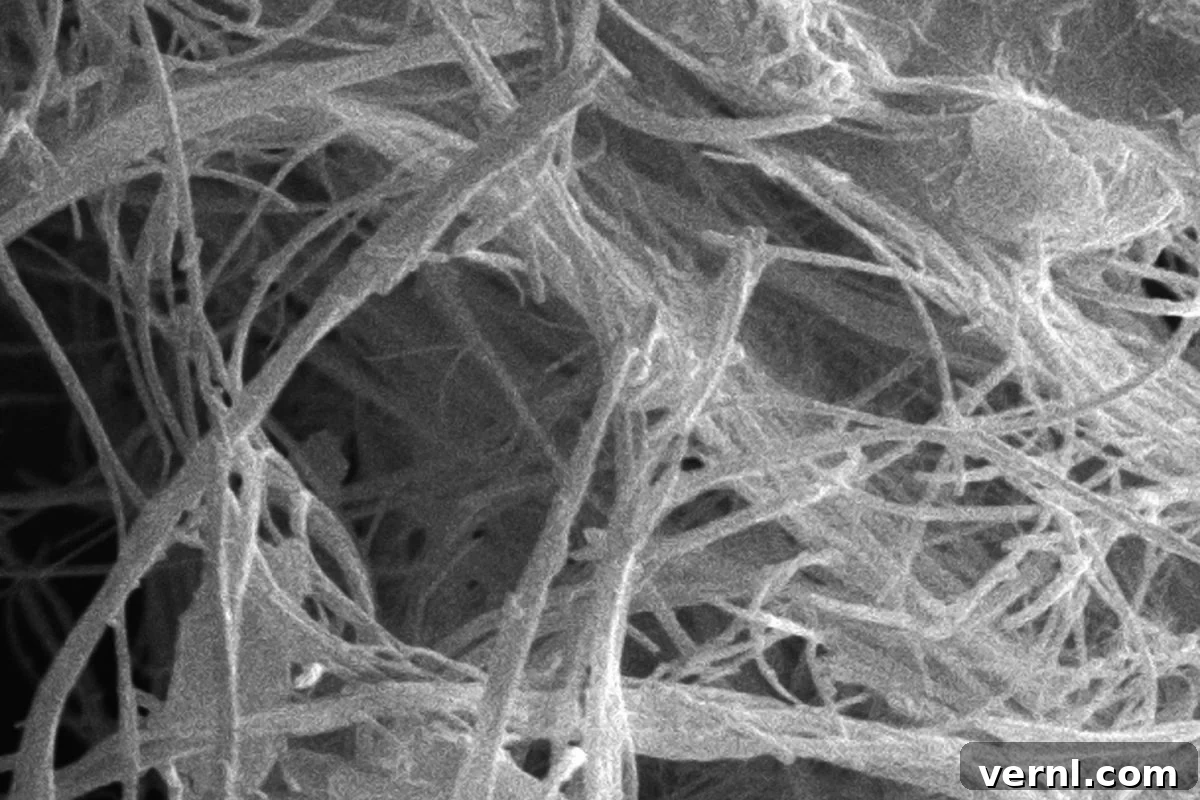
The Serpentine class is represented by a single variety: Chrysotile, commonly known as white asbestos. This is the most prevalent type of asbestos, accounting for approximately 95% of its industrial applications. Chrysotile is characterized by its long, curly, hair-like fibers, making it suitable for weaving into fabrics, using as insulation, or incorporating into various building materials. In its raw form, Chrysotile often resembles cotton in appearance.
Amphibole Class: Diverse Varieties with Needle-Like Fibers
The Amphibole class comprises five distinct varieties: crocidolite, tremolite, amosite, anthophyllite, and actinolite. These varieties exhibit a range of colors, including brown, blue, and off-white, and are distinguished by their needle-like fibers that tend to form clumpy, fuzzy masses. Historically, manufacturers frequently added one or more of these Amphibole varieties to paints, cement, drywall, tiles, and other construction materials to enhance their strength and durability.
- Fun Fact: In the early 1950s, before the widespread recognition of the dangers of inhaling asbestos, crocidolite, considered the most hazardous type of asbestos, was used as an ingredient in Kent Micronite cigarette filters. This highlights the lack of awareness surrounding asbestos risks during that period.
The Dangers of Asbestos Exposure: Understanding the Health Risks
The primary concern with asbestos lies in the potential for its fibers to become airborne and inhaled. When these microscopic fibers enter the lungs, they become lodged in the tissue and, due to their non-biodegradable nature, accumulate over time. This accumulation leads to progressive irritation, which can develop into inflammation, scarring, and a range of severe diseases, including lung cancer, laryngeal cancer, ovarian cancer, and mesothelioma. The Mesothelioma Center estimates that approximately 6,000 people die each year in the United States alone due to asbestos-related lung cancer, underscoring the severity of the health risks associated with asbestos exposure.
Asbestos Use Today: Is Asbestos Still Used?
While the Environmental Protection Agency (EPA) attempted to implement a complete ban on asbestos products in 1989, this ban was subsequently overturned by federal courts. However, a crucial provision prohibiting new uses of asbestos in building materials survived the legal challenge. As a result, no building materials sold in the United States since that time, including floor tiles, felt paper, and adhesives, are permitted to contain asbestos. Today, the primary consumer of asbestos in the U.S. is the automotive industry, where it is commonly used in brake linings and gaskets due to its heat-resistant properties.
If your home was built after 1989, the likelihood of asbestos being present in your floor tiles is significantly reduced. However, it’s important to note that a global ban on asbestos use does not exist, meaning that some imported materials may still contain it. Therefore, vigilance is still required, particularly when dealing with older homes or materials sourced from outside the United States.
Identifying Asbestos Under Your Tiles: What to Look For
Determining whether asbestos is present under your tiles requires careful observation and, in some cases, professional testing. According to experts, if your house was built or last had flooring installed before the late 1990s, it should be treated with caution, as asbestos could be present in the adhesive, paper backing, leveling compounds, or the vinyl floor tiles themselves. Certain types of tiles are more likely to contain asbestos than others.
Key Indicators: Size, Age, and Mastic
Nine-by-nine-inch vinyl or asphalt tiles are particularly suspect, especially if they were installed before 1989. The black rubber mastic used to adhere these tiles to the floor is also a potential source of asbestos. However, visual identification alone is not sufficient to confirm the presence of asbestos.
The Only Definitive Test: Lab Analysis
The only way to definitively determine if asbestos is present in your home is to have a sample professionally tested in a certified laboratory. These labs use specialized equipment and techniques to analyze the material and identify the presence and type of asbestos fibers.
Living with Asbestos: Is It Safe to Ignore It?
If you suspect that your tiles contain asbestos, it is crucial to avoid disturbing them in any way. Asbestos requires professional removal, and attempting to do it yourself poses serious health risks and potential legal liabilities. Disturbing asbestos-containing materials can release fibers into the air, exposing yourself and others to the dangers of inhalation.
Best Practices: Leave It Undisturbed and Disclose
If you suspect that your tiles contain asbestos and they are in good condition, the safest course of action is to leave them undisturbed. If you plan to sell your home, most states mandate the disclosure of any known environmental hazards, including asbestos-containing materials. Failing to disclose this information could result in legal repercussions.
Dealing with Asbestos Tiles: Removal or Encapsulation?
If you are considering replacing asbestos-containing tiles, it is imperative to hire a licensed asbestos abatement professional. Attempting to remove asbestos tiles yourself is not only dangerous but also illegal in many jurisdictions. However, there is often a less invasive and more cost-effective alternative: encapsulation.
Encapsulation: A Safer and Simpler Solution
Encapsulation involves leaving the asbestos tiles in place and covering them with new flooring. This strategy, often recommended by asbestos abatement professionals, effectively seals the asbestos and prevents it from becoming airborne. Encapsulation is typically the preferred method when the existing tiles are not cracking or fraying and are in relatively good condition.
Protecting Your Home and Health: Key Takeaways
Asbestos in homes presents a potential health hazard, but with the right knowledge and precautions, you can protect yourself and your family. Here are the key takeaways:
- Know the Risks: Understand the dangers of asbestos exposure and the diseases it can cause.
- Identify Potential Sources: Be aware of the materials and areas in your home where asbestos may be present, especially in older homes.
- Test Before Disturbing: If you suspect asbestos, have a sample professionally tested before undertaking any renovation or demolition work.
- Don’t DIY: Never attempt to remove asbestos yourself. Always hire a licensed asbestos abatement professional.
- Encapsulate When Possible: Consider encapsulation as a safer and less disruptive alternative to asbestos removal.
- Disclose When Selling: If you are selling your home, disclose any known asbestos-containing materials to potential buyers.
By following these guidelines, you can minimize your risk of asbestos exposure and ensure a safe and healthy living environment for you and your loved ones. Remember, when it comes to asbestos, caution and professional expertise are always the best approach.