
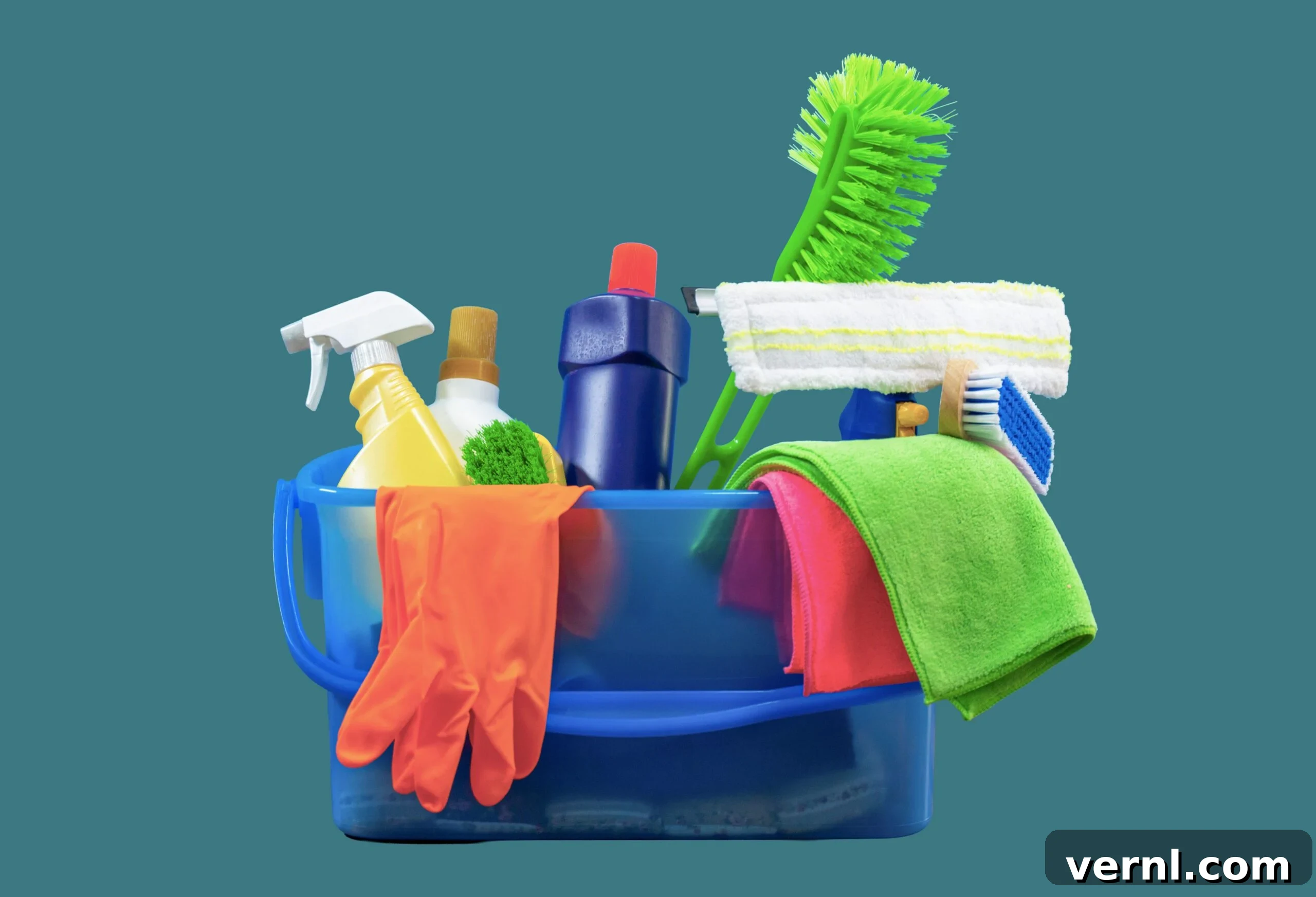
Scoring a deal feels great, but not every purchase should be driven by the lowest price. Some household items are worth paying more for because they save time, work better, and last longer. Cleaning tools are one of those categories. Cheap versions often underperform, break quickly, or even damage surfaces, turning a small saving into frustration and extra expense.
The Case for Spending More
Investing in quality cleaning tools can pay off in durability, performance, and time saved. Cheap electronics and low-quality fabrics often fail quickly: motors stop working, cloths shed lint, and cheap handles bend or snap. Professionals in the cleaning industry recommend spending a bit more on core tools that you use frequently or that must perform effectively to protect surfaces and reduce effort.
The Tool-by-Tool Breakdown
Squeegee
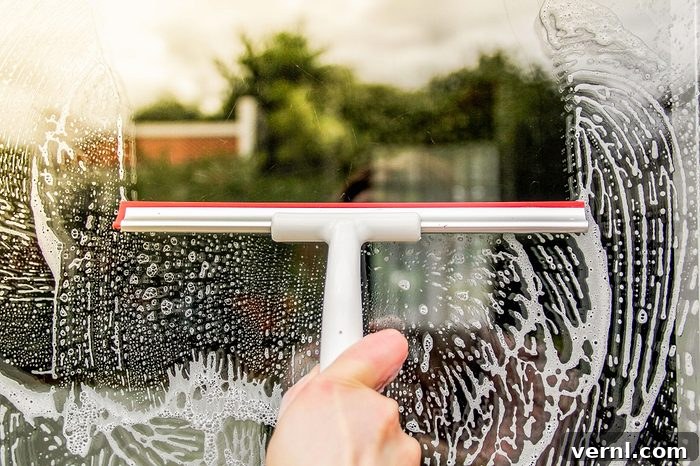
A squeegee is a simple tool with a flat rubber or silicone blade designed to remove water from glass, mirrors, shower doors, and tile. A well-made squeegee has an even, gap-free blade and a rigid handle that won’t flex under pressure. A quality rubber or silicone blade will clear water evenly, reduce soap scum build-up, and make window and shower maintenance quick and effective. Expect to pay around $20 or more for a squeegee that lasts for years.
Spray Bottles
Refillable spray bottles are a cost-effective way to use homemade or concentrated cleaners. While glass can look nicer, plastic bottles are less prone to breaking. The most important features are a consistent, fine mist and durable nozzle components. Cheap nozzles can break quickly and frustrate regular use. Spending about $5 to $9 per bottle for a reliable design is reasonable for everyday cleaning.
Mop
Mops come in many styles, but choose one with a removable, washable head so you can keep floors hygienic and looking their best. The pole and head connection should be sturdy; flimsy joins mean breakage or wobble during use. Investing approximately $60 to $100 in a solid mop—especially a microfiber option—can provide many years of reliable service. Buying extra washable heads extends the tool’s usefulness and reduces long-term cost.
Scrub Brush
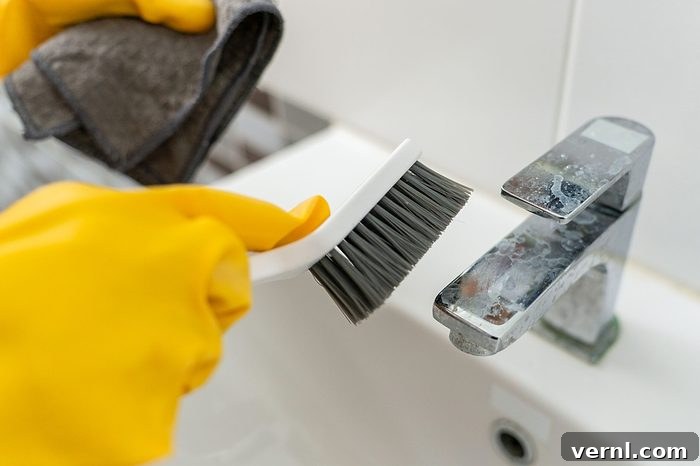
For grout, tubs, and sinks you need a scrub brush with bristles that hold their shape and a comfortable, secure handle. Low-cost brushes often lose bristles or flatten, making cleaning less effective and forcing you to apply more pressure. Choose a brush with resilient, well-attached bristles and a handle shape that prevents your hand from slipping forward when applying pressure. A mid- to high-range scrub brush can last several years.
Vacuum
Vacuums show the biggest performance gap between cheap and quality models. A good vacuum offers strong, consistent suction, reliable filtration, effective agitation or brush roll for carpets, and the ability to switch off the brush for hard floors. HEPA filtration is valuable for households with allergies. Look for models with replaceable filters, sealed systems, durable wheels, and accessible replacement parts. Expect budget models to start around $150 and higher-quality machines to range from $250 to $600 or more. With proper care, a quality vacuum can last seven to ten years.
Microfiber Cleaning Cloths
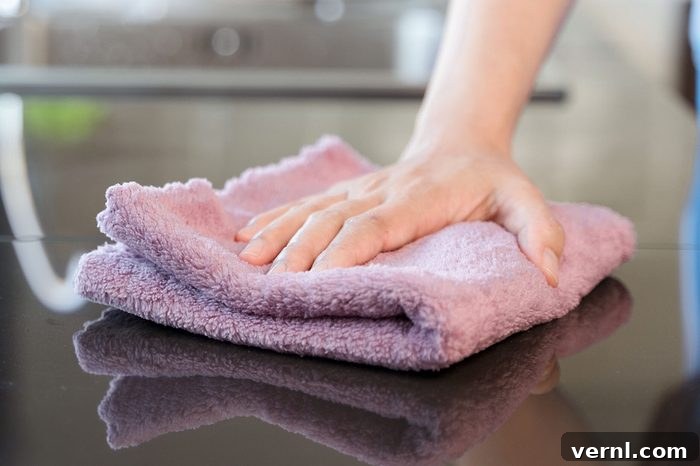
Microfiber cloths are versatile: they dust, polish glass without streaks, and clean countertops. Cheap cloths often release lint or feel thin, making them less effective. Dense, tightly woven microfiber with higher GSM (grams per square meter) performs better—aim for a quality fabric rather than a giant, ultra-cheap bulk pack. Good stitching and multiple colors help prevent cross-contamination between areas. Expect a professional-quality set to cost more upfront but last much longer; with proper care, a microfiber cloth should last at least a year.
Where It’s OK to Save
There are items where buying inexpensive is sensible because they’re disposable or replaced frequently. Toilet brushes, basic sponges, dustpans, and rubber gloves can be inexpensive and still adequate. Save your budget for the tools that add the most value in performance and longevity.
Conclusion
Spending more up front on the right cleaning tools makes sense. If you can only upgrade one or two items, start with a vacuum and a reliable mop—those tools impact most of your surfaces and daily cleaning routines. Choose tools that make cleaning easier or encourage you to clean more often. A better vacuum that increases the frequency of floor cleaning is a worthwhile investment; a specialty tool that sits unused is not.
About the Experts
- Sham Zemichael — Owner and Operations Manager at Costina Cleaning Services LLC, a residential and commercial cleaning company serving Arlington, VA, Washington, DC, and Northern Virginia.
- Ashley Torres — Cleaning expert and team leader at Karen’s Green Maids in Chicago, with several years of professional cleaning experience.
- Ashley Matuska Kidder — Founder of Dashing Maids in Denver and founder of a laundry pick-up and delivery service, with extensive experience in practical, eco-friendly cleaning solutions.