Preventing Frozen Pipes: Your Guide to a Worry-Free Winter
Few homeowners are entirely immune to the risks of frozen pipes. The cold weather can bring with it a significant threat to your home. No matter where you live or what type of house you have, a sudden cold snap can lead to a burst pipe and subsequent water damage. Fortunately, preventing frozen pipes is achievable with some proactive measures. This guide provides the necessary information to protect your home from the damaging effects of freezing temperatures.
The Dangers of Burst Pipes
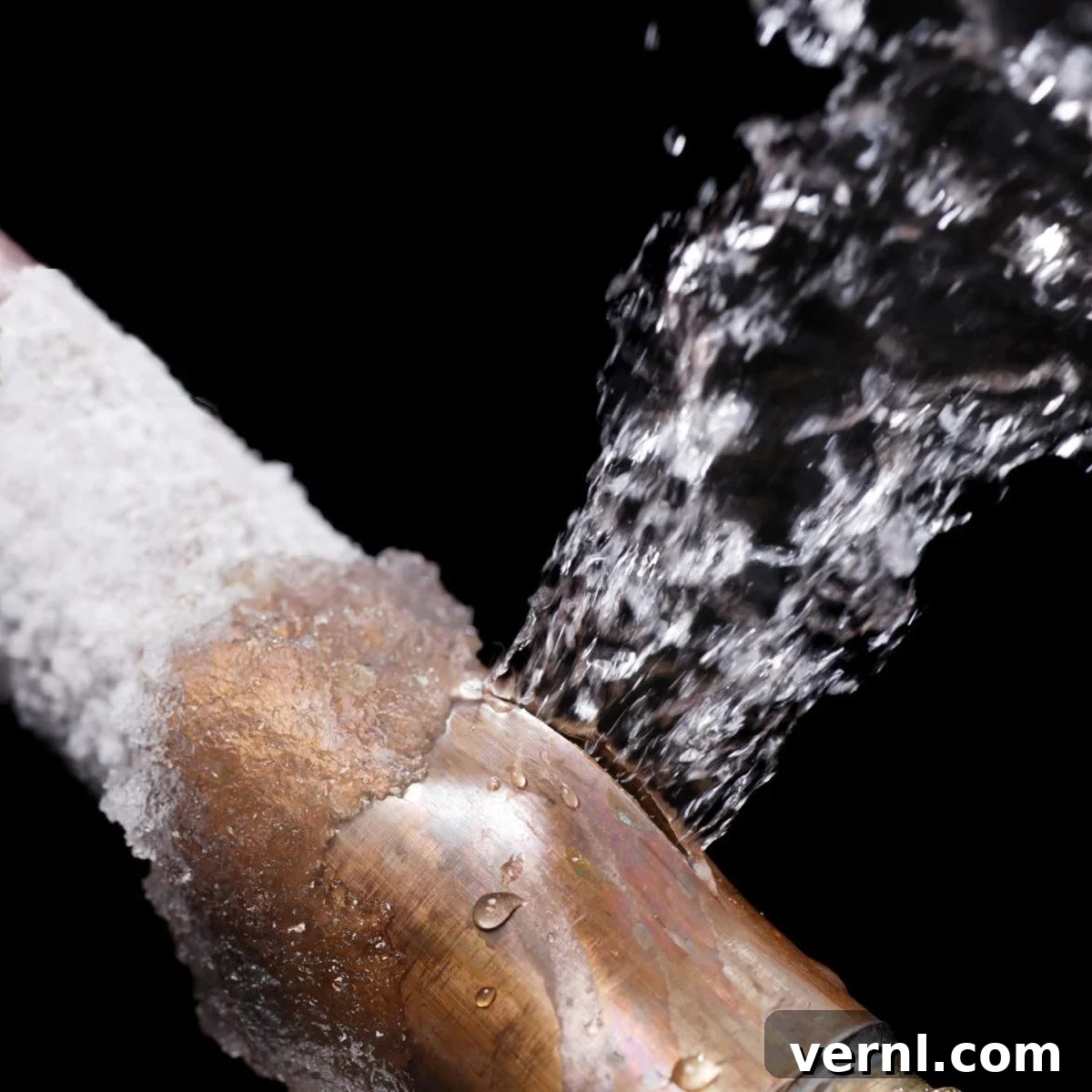
When water freezes, it expands by approximately nine percent. This expansion exerts an enormous amount of force on the pipes. The pressure inside a pipe can escalate dramatically, potentially increasing from a normal 40 pounds per square inch (psi) to as high as 40,000 psi! Standard pipes are not designed to withstand such extreme pressure, and they will inevitably fail.
The point of a burst pipe might be where the ice forms. However, the break frequently occurs at a weak spot in the pipe, often located inches or even feet away from the frozen area, where the water pressure is greatest.
A burst pipe can unleash a torrent of water throughout your home, flooding basements and other areas. This can lead to serious structural damage, and costly repairs. The resulting water damage can also lead to hidden problems, such as a mold infestation.
Pipes located in unheated areas, like garages and basements, and those within exterior walls are especially vulnerable to freezing. Outdoor fixtures, such as hose bibs, evaporative cooler supply lines, and sprinkler systems, are also particularly susceptible.
How to Prevent Pipes from Freezing: Step-by-Step Guide
It’s relatively easy to anticipate when temperatures may drop to dangerous levels. Stay informed by paying attention to the warnings issued by your local weather reports or the National Weather Service. When a cold snap is forecast, take proactive steps to prevent your pipes from freezing.
Exterior Protection
- If you own a pool, make sure to drain it before the winter season begins. Also, drain your sprinkler systems to prevent damage from freezing water.
- Remove garden hoses from outdoor faucets. Even frostproof outdoor faucets can be damaged if a hose remains connected. Shut off the water supply lines to the hose bibs from inside your house, and drain any remaining water from the pipes leading to the outdoor faucets.
- For evaporative coolers, ensure they are drained, the water supply is shut off, and the unit is disconnected for the winter.
Interior Protection
- Raise the thermostat setting to maintain a warmer indoor temperature.
- Use fans or space heaters to circulate warm air into cold rooms.
- Open cabinet and vanity doors to allow warm air to reach the pipes located under sinks.
- If you have exposed pipes inside closets or pantries, leave the doors open to allow warm air to circulate.
- Keep garage doors closed to help maintain a consistent temperature.
- Reduced water flow is usually an early warning sign that ice is forming within your pipes. If this happens, use a hairdryer to carefully heat the most vulnerable areas of your pipes, commonly found in basements, crawl spaces, or near exterior walls. Keep the faucet running while applying heat. As the ice melts, you will see an increase in water flow.
Letting Water Drip to Prevent Freezing
Allowing a slow trickle of water from your faucets can significantly reduce the likelihood of freezing, providing dual protection. First, it prevents pressure from building up within the pipes. Second, the continuous flow of water discourages ice formation, thus protecting your plumbing system.
Permanent Solutions for Long-Term Protection
For more comprehensive and long-term freeze prevention, consider some permanent solutions. These may involve larger projects such as insulating crawl spaces, replacing standard outdoor faucets with frost-resistant models, or even re-routing pipes away from cold spots within your home.
It is a good idea to consult a professional plumber for an assessment of your home’s specific situation and recommendations. Maintaining a warm house during the winter is also crucial.
Insulating pipes that are exposed in unheated areas is another effective way to prevent freezing. There are several ways to go about this:
- The simplest method is to wrap the pipes with foam insulation. Measure the length of the pipes to be insulated, and cut the foam pieces to the appropriate size. Wrap the pipes with the insulation, and ensure the seam is securely sealed with tape if your insulation does not have a self-sealing strip. Pipe wrap insulation is another good choice.
Using Heat Tape for Added Protection
Pipe insulation on its own is often not enough to prevent freezing. If your water lines are particularly vulnerable, consider installing heating cable or heat tape. These products provide an extra layer of protection. A thermostat controls the heat, activating it only when the temperature drops, which can save on energy costs.
For enhanced protection, you can add insulation over the heat tape. However, carefully follow the manufacturer’s instructions, as they may recommend specific types of insulation. Keep in mind that for a large number of pipes or lengthy periods, heat cable can be a more costly solution.
One additional benefit of using heat cable: it can also help to thaw frozen pipes if freezing occurs despite your preventative efforts.